
Pregnancy Heartburn and Acid Reflux: What to Expect and What May Help
Heartburn and acid reflux are common during pregnancy. Here's what you should know about easing symptoms.

By

If you've found yourself reaching for a glass of water after a meal or stacking extra pillows at bedtime to ease a burning sensation in your chest, you're not alone. Heartburn and acid reflux are among the most common digestive complaints during pregnancy, and they can show up earlier than many people expect.
In fact, the American College of Obstetricians and Gynecologists (ACOG) notes that heartburn and indigestion can occur as early as the first trimester. And while some people only experience occasional discomfort, others find that reflux becomes a more regular part of daily life—but understanding what's causing it can be a helpful first step toward finding relief.
Ahead, we'll take a closer look at why reflux is so common during pregnancy, lifestyle strategies that may help ease discomfort and what to know about non-medication options, including alginate-based products like Reflux Gourmet.
Why does reflux happen during pregnancy?
Pregnancy brings a number of changes that can affect digestion. Research published in the National Library of Medicine suggests that pregnancy hormones can relax the muscle that normally helps keep stomach contents from moving back into the esophagus. As pregnancy progresses, the growing uterus can also increase pressure on the stomach, making reflux more likely.
How reflux can affect daily life
For some people, reflux is an occasional annoyance. For others, it's a regular part of pregnancy that can affect everything from meal choices to sleep. You may find yourself avoiding certain foods, eating smaller portions or feeling uncomfortable just as you're settling into bed. Reflux can be especially frustrating at night, when getting comfortable is already becoming more challenging.
While everyone's experience is different, many people find that understanding their triggers is the first step toward managing symptoms more effectively.
What may help ease discomfort?
The good news is that a few small adjustments can sometimes make a meaningful difference. According to ACOG, lifestyle strategies that may help manage reflux include:
-
Eating smaller, more frequent meals
-
Skipping foods that seem to trigger symptoms
-
Avoiding lying down immediately after eating
-
Elevating the torso while sleeping
Foods and drinks such as citrus fruits, tomatoes, fried foods and caffeine can sometimes make symptoms worse, though triggers vary from person to person.
If symptoms become persistent, severe or difficult to manage, it's worth discussing them with your healthcare provider. ACOG advises seeking medical guidance when reflux is frequent or not improving.
Looking for extra support?
If lifestyle changes aren’t enough to keep symptoms manageable, another option is alginate-based products. The Cleveland Clinic explains that alginates are derived from brown seaweed and work differently than other products designed to reduce stomach acid.
Rather than changing the amount of acid the stomach produces, they create a physical barrier (when formulated a certain way) that sits on top of stomach contents and helps reduce reflux from traveling upward into the esophagus. Reflux Gourmet offers several alginate-based products designed to fit different preferences and routines.
1. Reflux Gourmet Rescue Gel
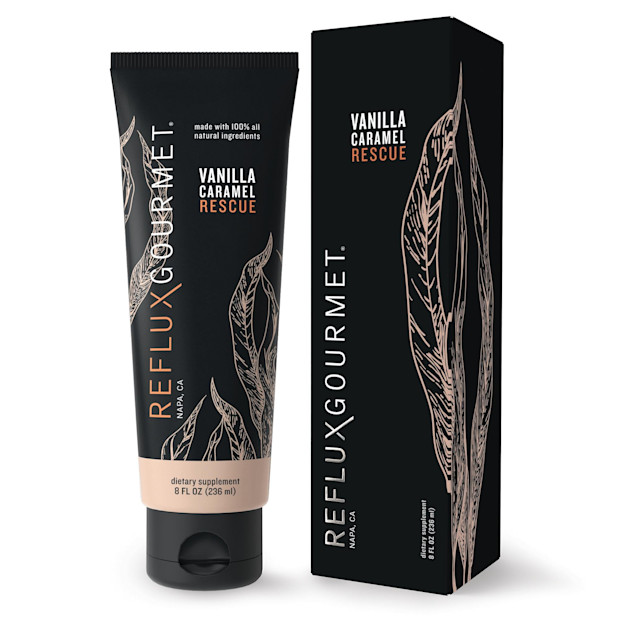
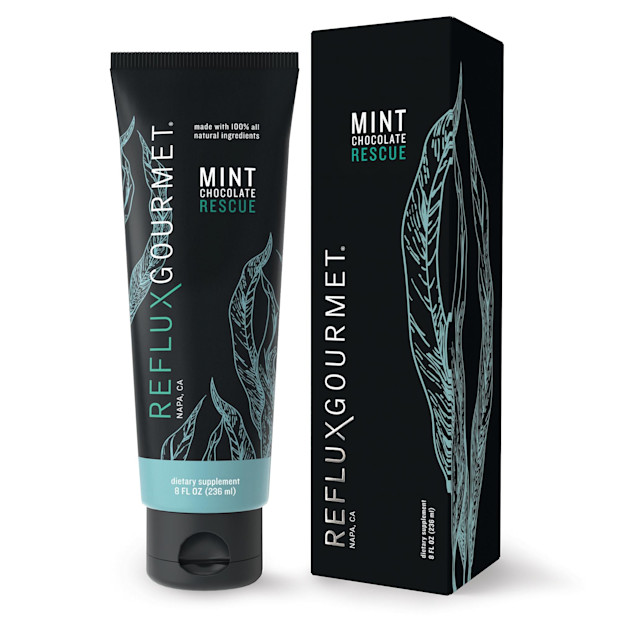
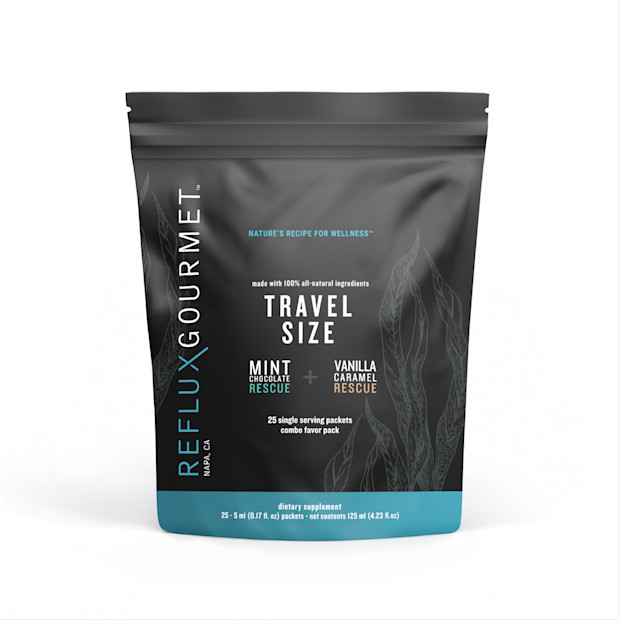
If you're looking for something to use after meals or when discomfort strikes, Reflux Gourmet's Rescue Gel is available in flavors like Vanilla Caramel and Mint Chocolate. The brand also offers single-serve travel packets, making it easy to keep support on hand whether you're at work, running errands or traveling.
2. Reflux Gourmet Soothe Gum
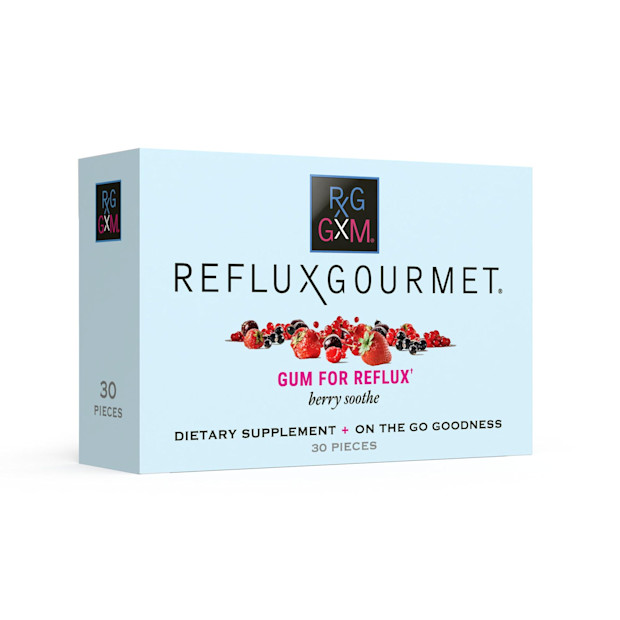
If you prefer a chewable option, Reflux Gourmet's Soothe Gum is designed to support several of the body’s natural defenses against occasional reflux. Chewing increases saliva and swallowing, helping move the refluxed food back toward the stomach. It also contains alginate to create a soothing barrier, plus aloe, celery root and ginger, which many expecting parents love to help prevent pregnancy-related nausea.
;)
;)
;)
;)
Finding relief during pregnancy
Figuring out what works for pregnancy heartburn may take a little trial and error, whether that means changing meal routines, identifying triggers or exploring options like alginate-based products. If symptoms are affecting your daily life, always remember your healthcare provider can help you determine which strategies make the most sense for you.
This article is sponsored by Reflux Gourmet. Babylist’s free site, apps and emails are made possible by our sponsors. We limit our sponsored content to relevant partners that offer products and services we believe in and use ourselves.