
Having Baby #2? Here’s Your Older Child Game Plan
From childcare to deciding when siblings should meet, here’s how to make the hectic days around your baby’s arrival easier.

By

In many ways, preparing for your second child can feel less stressful than becoming a first-time parent. You know which baby gear works for your family. You’re familiar with the unique challenges of caring for a newborn while recovering from labor and delivery. And you’re a seasoned caregiver who knows your way around pediatrician visits, sleep regressions and all the weird things babies do.
But one new mystery remains: What will your older child do when you go to the hospital and are recovering from childbirth? Or how can you carve out dedicated time to bond with a new baby (while making sure your other kid is happy and cared for)? And when (or where, or how) will the siblings meet each other? As a mother of two who’s about to deliver a third, this is top of mind for me right now, too.
To help you (and me) make a plan, we’ve rounded up practical answers to some common questions, along with advice from Babylist parents who’ve been there. And if you’re wondering whether you can wait until the last minute to figure all of this out, we’ll kick things off with one Babylister’s advice: “Get your plan in place early because the second baby comes quicker than the first.”
How do you figure out who will take care of your older kid when your new baby is actively on its way??
In a recent newsletter poll, we asked real Babylist parents: “If you have more than one child, do you have any tips for what to do with a sibling(s) while baby is in the hospital/on the way?” Almost 90% mentioned having a caregiver lined up. It’s also a great place to start when creating a plan.
Here’s some of the best advice we heard.
Choose a caregiver your child knows and trusts. Grandparents were the most common choice, but parents also mentioned aunts, friends and even much-older siblings. As one Babylister put it: “Whoever the kiddo feels most comfortable with.” If you don’t live near family and friends, some thoughtful ways to assemble your village are to ask trusted neighbors to help, see if your child’s daycare or preschool teachers are available, or seek out reliable babysitter or nanny recommendations from local parents. You could also check out nearby childcare providers on these trusted sites. (And here are tips for bringing home a newborn without support.)
Decide whether they'll stay at home or go to the caregiver's house. Nearly half mentioned keeping their older child in a familiar environment or maintaining their normal routine. Having a caregiver come to your house can mean the same bed, same snacks and same bedtime—even while you’re away. On the other hand, some parents sent their kids to a grandparent’s house or friend’s house and made it a special sleepover or playdate.
There’s no one right answer here: go with whatever will feel most comfortable or exciting to your child. But if they’ll be going elsewhere, it’s a good idea to pack their own little “hospital bag” with clothes, comfort items, medications, favorite snacks and anything else they’ll need.
Have a backup plan. Labor doesn’t always start at a convenient time; so if you can, line up a second person who can step in if your first-choice caregiver is unavailable. One parent without nearby family recommended having “a friend or two on standby who either had older kids or no kids who can come over at the drop of a hat!”
Use as many helpers as you need. There’s no rule saying one person has to handle everything. One family had an aunt and grandpa cover the kids overnight, then the other set of grandparents arrived the next morning to help for a few days. Another had friends handle school and extracurricular activities while the parents were in the hospital.
Consider a practice run. If this will be your child’s first overnight away from you, a few practice sleepovers—or even just playdates with the caregiver—can help everyone get comfortable with the routine. One parent did several date nights with her sister-in-law and 21-month-old daughter before the birth, “so that both my SIL and daughter got used to the bedtime routine, etc. They both did great!”
Write down the basics. Your caregiver doesn’t need a 12-page operations manual, but a simple rundown of your child’s schedule, particular needs, favorite foods, comfort items and bedtime routine can make things easier for everyone.
Should my older child come to the hospital to meet the new baby?
There’s no requirement that your children meet each other at the hospital. About half of the parents we polled brought their older child to the hospital, while the others waited until they were home.
If you’re considering a hospital visit, think about what will be easiest for your child—not what you imagine the perfect sibling introduction should look like.
Consider skipping the hospital altogether. Several parents told us their toddlers met the baby for the first time at home, where everyone was more comfortable. This can also be a good choice if you think your child will be upset about either seeing you in recovery mode at the hospital or having to part ways with you when they leave the hospital.
Or try a hospital tour. Some hospitals offer Big Sibling Tours that let kids get familiar with the maternity unit before the baby arrives. If your child is curious about where you'll be while you're having the baby, it can be a low-stakes way to see what they think of the setting before deciding whether they'll want to visit.
Have them come right before discharge. This was a popular middle ground among parents who wanted a hospital meeting without sending their older child home without them. One Babylister recommended having caregivers “bring the elder sibling to the hospital the day you are being discharged,” so everyone could meet and then leave together as a family.
If you do plan a visit, ask your caregiver to call ahead. They’ll want to make sure it’s actually a good time for your child to come up. One parent learned this the hard way: “I was having a catheter inserted … when she and Grandma walked in.”
Keep expectations low. An OB nurse told us: “New place + new baby = weird responses! Make it as low key as possible.” Another parent said her toddler was so overstimulated by the hospital that she preferred the caregiver over their mother.
And honestly, don’t put too much importance on this one decision. I sent my toddler to his grandmother’s house until our second baby was a week old, so we skipped the hospital meeting altogether. It worked great for our family: our toddler got the quality attention he was craving while I got to rest my aching rear on a donut pillow on the couch. When our boys finally met, neither of them yelled at us for not introducing them sooner. It was beautiful. It also lasted maybe 60 seconds before our toddler was bored of looking at the baby and wanted to do something else.
Whether your first meeting is magical, awkward or over almost before it begins, it’s just the beginning of a lifetime of sibling memories.
Should I get my kid(s) a gift from the baby?
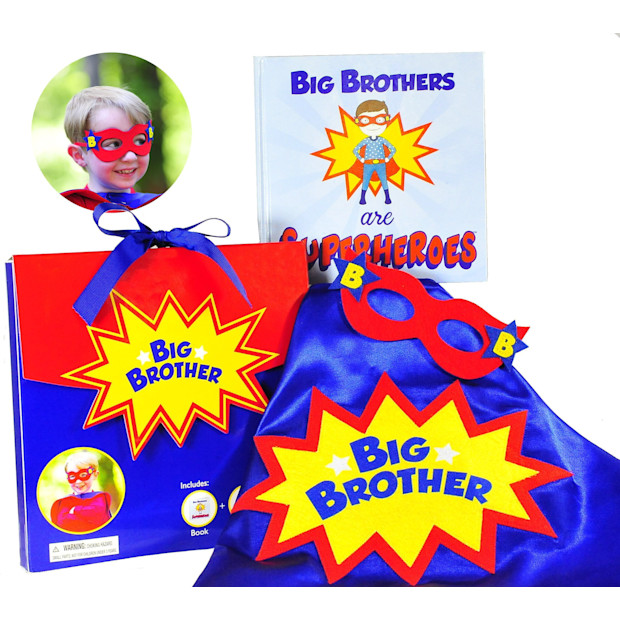
You certainly don’t have to—but gifts were a popular choice among the parents we polled, with about three-quarters mentioning some kind of special gift or item for the older sibling.
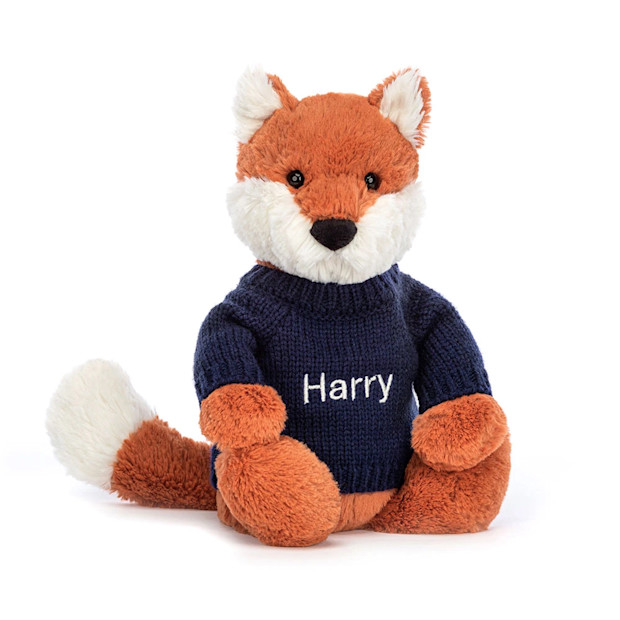
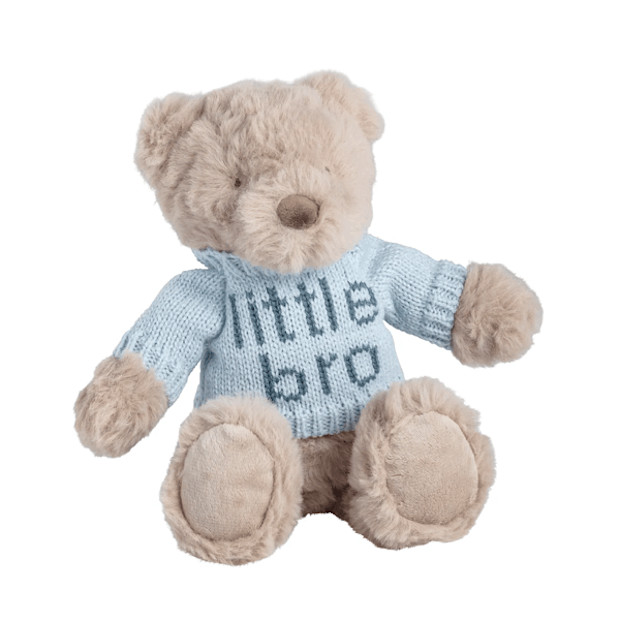
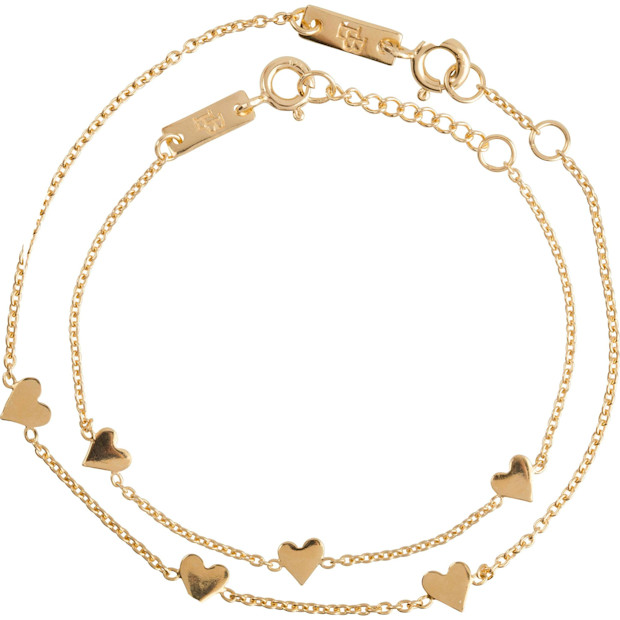
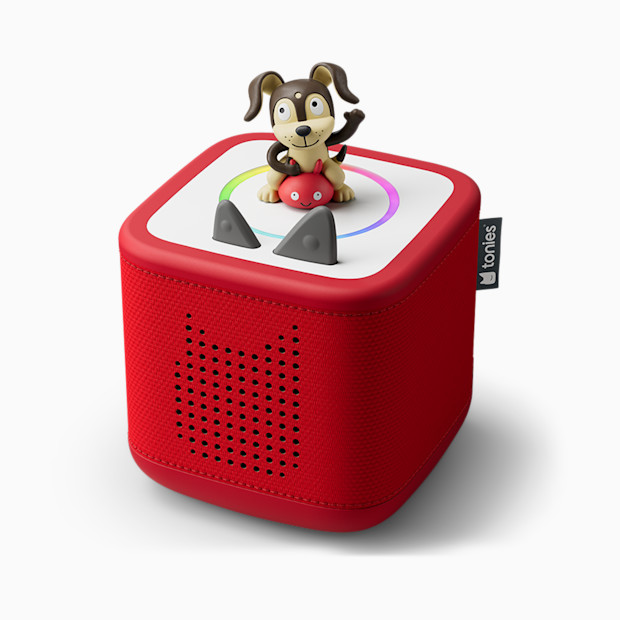
Some families gave a gift “from” the baby while others gave one from the parents. And the presents themselves ranged from practical to sentimental:
-
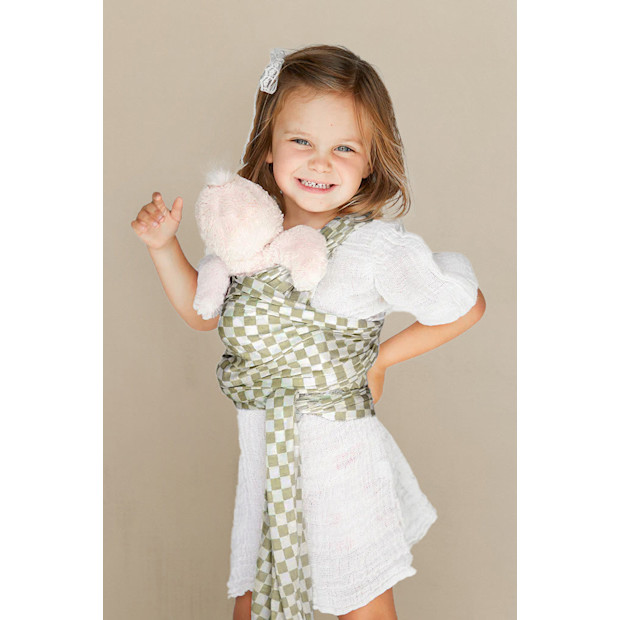
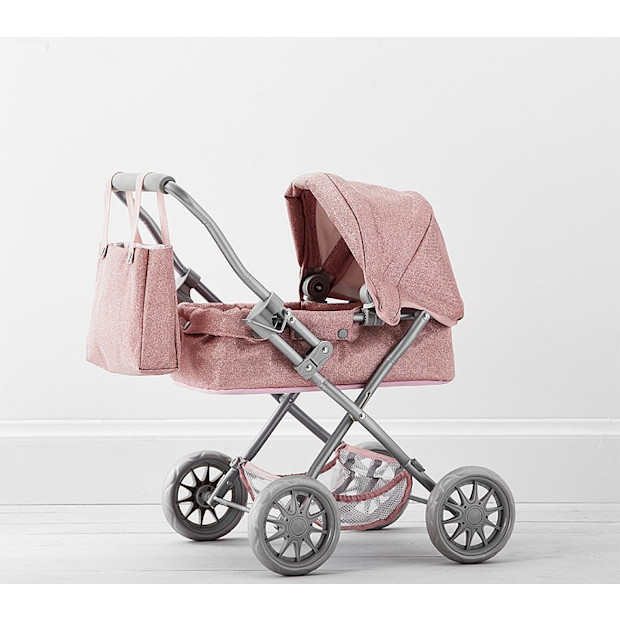
Baby doll and carrier for practicing with their own “baby”
-
Stuffed animal, including matching ones for the siblings
-
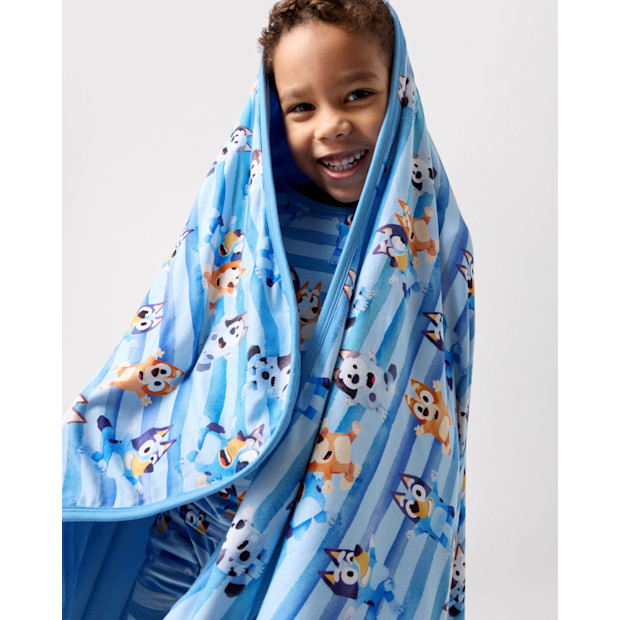
Cozy blanket
-
Favorite character item, like Bluey or Mickey
-
Toniesbox or other interactive toy
-
Digital camera to help take photos of the new baby
-
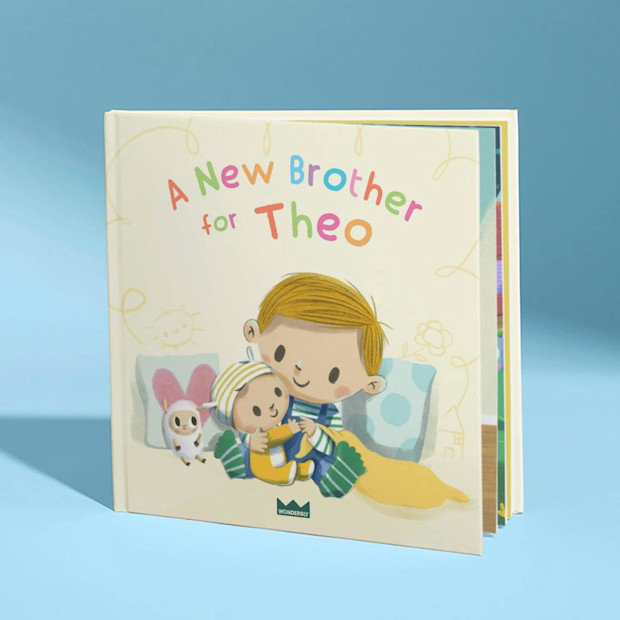
Book or activity cards
-
Special “big kid” item, like a shirt or necklace




;)
;)
;)
;)
;)
;)
;)
;)
;)
;)
;)
One parent who wasn’t sold on the “gift from the baby” tradition put it simply: “The gifts were probably unnecessary because he just wanted to ‘hold’ his sister.”
In other words: consider it a fun extra, not a requirement for a successful sibling introduction.
Any other tips for making the transition easier?
A few small things came up repeatedly in our poll:
-
Keep your family connected while you’re away. If your older child enjoys FaceTime, try a video call. You can also send photos or videos through their caregiver.
-
Give them your attention first. If they visit you at the hospital, greet your older child before expecting them to pay attention to the baby. Some parents found it helpful to have the baby in a bassinet when their older child walked in, too (to prevent territorial or jealous feelings). And if they want to hold or touch the baby, let them take the lead rather than forcing an interaction.
-
Give them something to do. A favorite snack, sticker book, activity or outing can make the time apart feel special. One caregiver even took the older child to the zoo while their baby sibling was being born.
-
Let them help if they want to. Fetching a diaper, picking out an outfit or helping with another tiny baby-related task can give an interested toddler something to do besides watch you feed and change the newborn. One parent enlisted her toddler to help with the baby’s first bath.
-
Don’t stress about getting the perfect picture. If you’re taking photos of the first sibling meeting, it can be helpful to remember that the goal is to make the experience comfortable for your child, not to stage the perfect birth announcement.
Most importantly, remember that there’s no single “right” way to handle the days around your baby’s birth. Your toddler can sleep at Grandma’s, stay home with a babysitter, meet the baby at the hospital, meet them at home, get a present, skip the present—or some combination of all of the above.
The goal isn’t to orchestrate the perfect first sibling meeting. It’s to have a solid plan for your older child’s care while you’re busy having a baby. Everything else can be figured out from there.
Anything else I should know ahead of welcoming another baby?
Here are a few more helpful resources from our archive.
🔮 Here’s what to put on your registry for baby #2.
💡 These ideas are helpful for finding a baby name that fits alongside your first’s.
💸 Some quick budgeting questions could help you financially prepare for what’s to come.