
Ultimate Hospital Bag Checklist for Mom and Baby
Here's what you'll need to pack in your hospital bag—and what you don't.

By
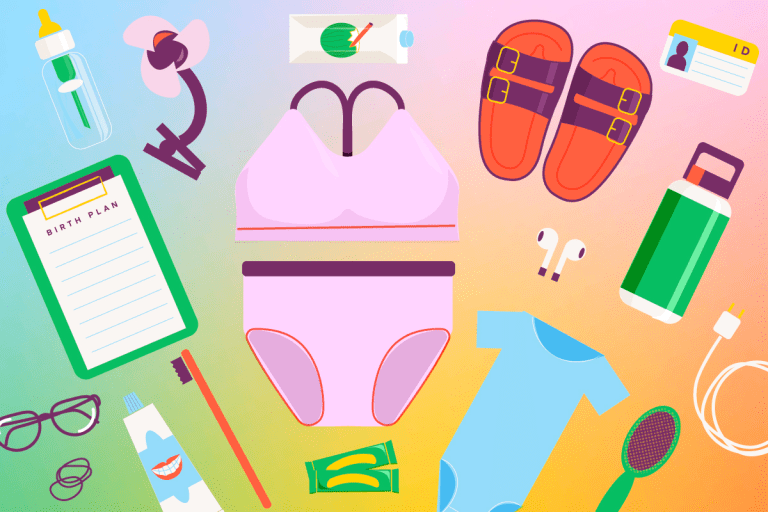
As your due date gets closer, you’ll want to start packing your hospital bag. After spending so much time deciding on the best baby products to buy and register for, figuring out what to pack in your hospital bag for both you and baby can leave you drawing a blank. Luckily, we've got you covered—we’ve listed everything in a handy, printable PDF and an interactive checklist to help you get it together.
Before we dive into what to pack, let’s talk about when the right time is to start putting your bag together: we recommend doing it when you're around 36 weeks along, but more on that below.
Some items are essential (you'll need a car seat, for example); others will make you feel comfy and remind you of home. And other items you'll receive from your hospital for free (every hospital is different; you can call ahead and ask yours). We polled Babylist parents about what their must-have items were (and what to leave at home) and also drew on our own childbirth experiences.
Here’s an extensive (but not exhaustive—feel free to add things personal to you) list of everything you may want or need with you in the hospital.
What to Pack in Your Hospital Bag Checklist
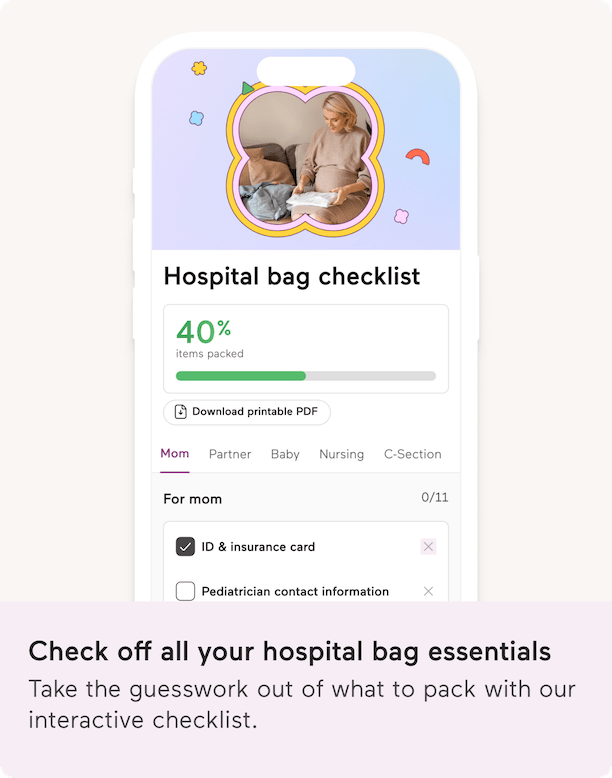
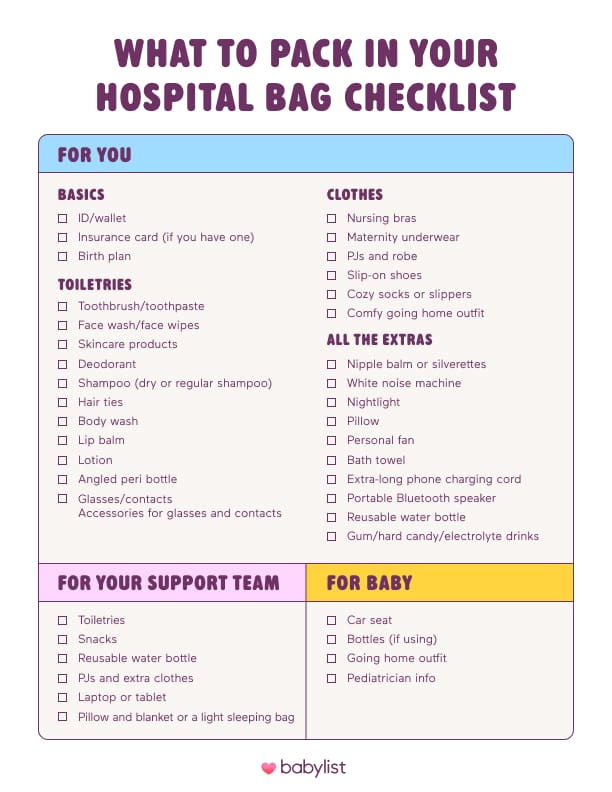
To help you plan and remember what to bring, you can use our interactive hospital bag checklist, or download and print this hospital bag checklist. (Or both! There's no such thing as being too prepared.)
Interactive hospital bag checklist
Printable hospital bag checklist
What to Pack in Your Hospital Bag for You
First, pack your hospital bag for yourself—you'll want personal items to make you feel more comfortable during and after labor.
Comfortable clothes
Comfy clothes are a postpartum must. Avoid anything too restrictive (other than a supportive bra) and keep in mind a few options in case you end up having a C-section.
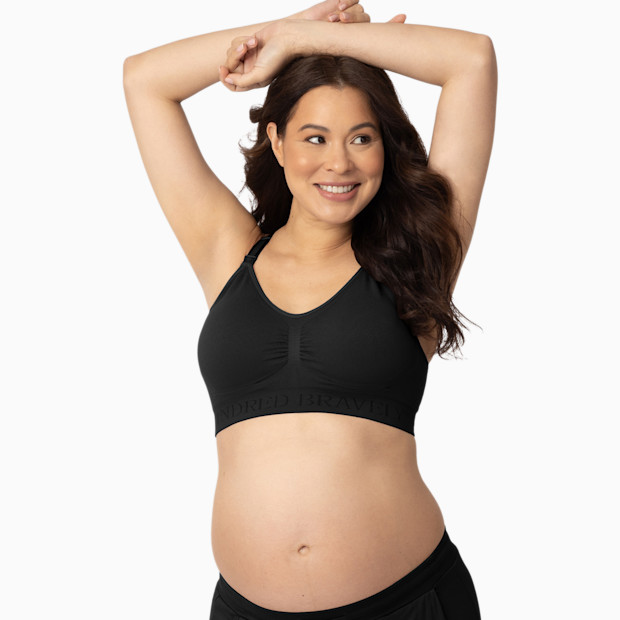
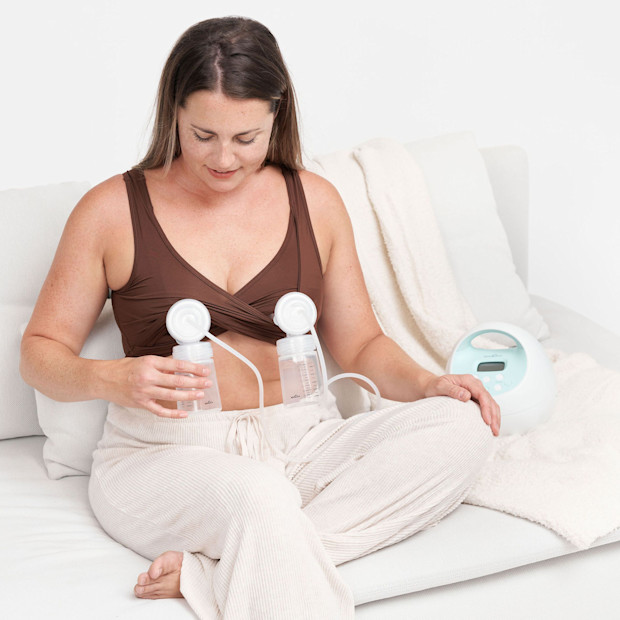
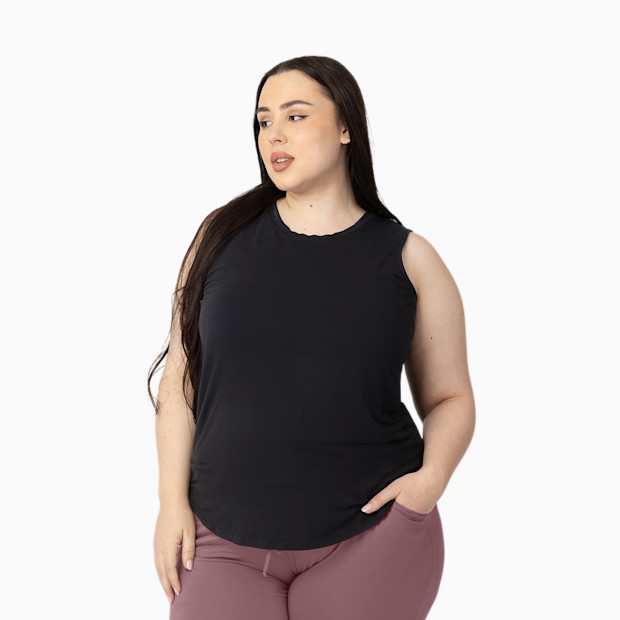
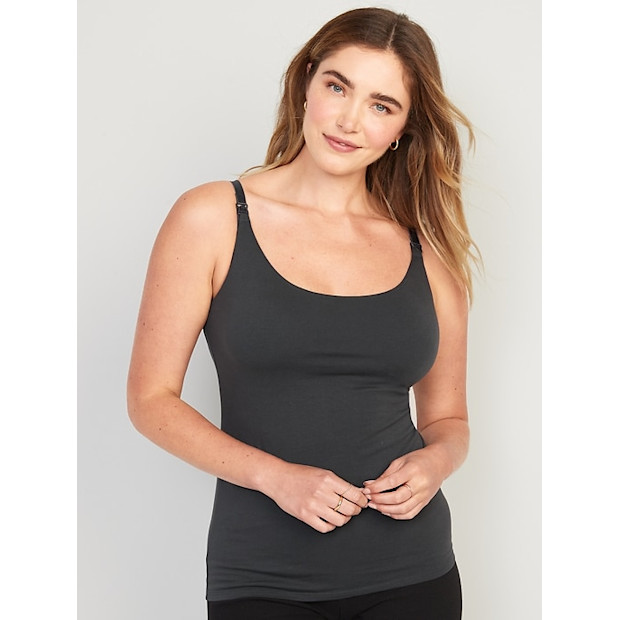
Whether you plan to breastfeed or you're not sure yet, nursing bras or tanks are helpful as they’re made of non-restrictive material that will allow your breasts to expand and contract comfortably. They also allow easy access for nursing, pumping or skin-to-skin. You can pair your tank top with soft, loose pants like joggers or lightweight sleep pants.
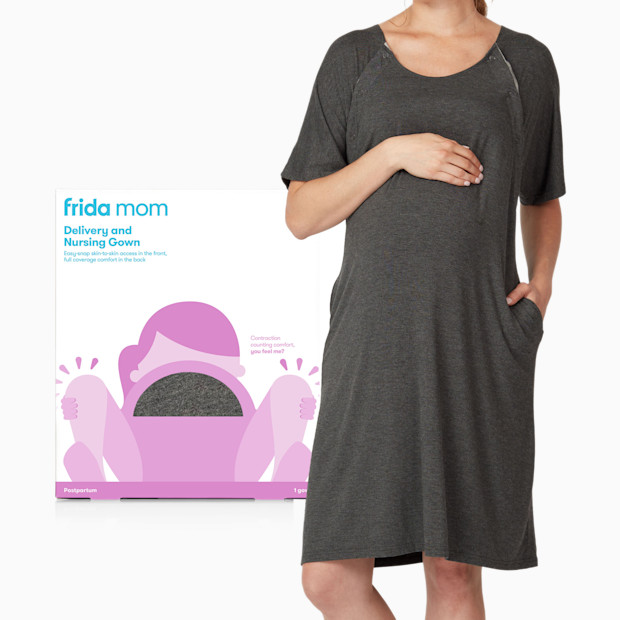
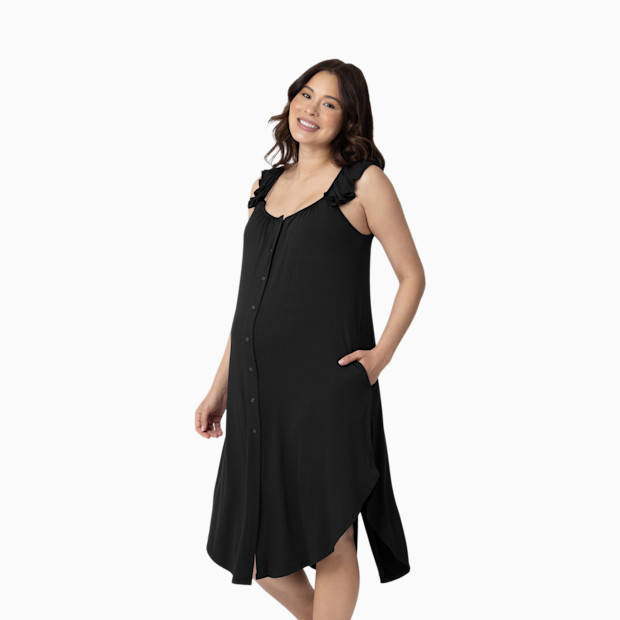
While you can wear the hospital gown post-birth, many Babylist parents said packing their own comfy PJs made them feel more like themselves.
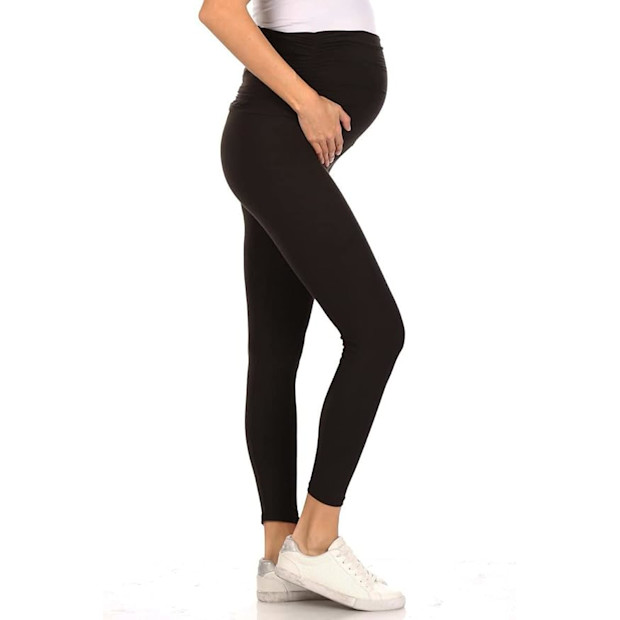
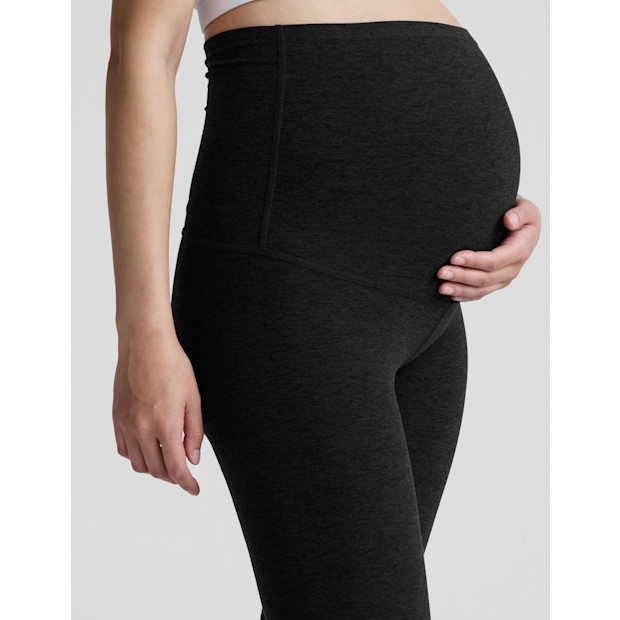
Maternity leggings can still be worn post-birth and will be comfortable on your tender abdomen. Pack your favorite pair. (If you prefer non-maternity, Lululemon's Aligns are a fan favorite.)
If you plan on laboring in water at any point, pack a dark-colored sports bra or a bathing suit top.
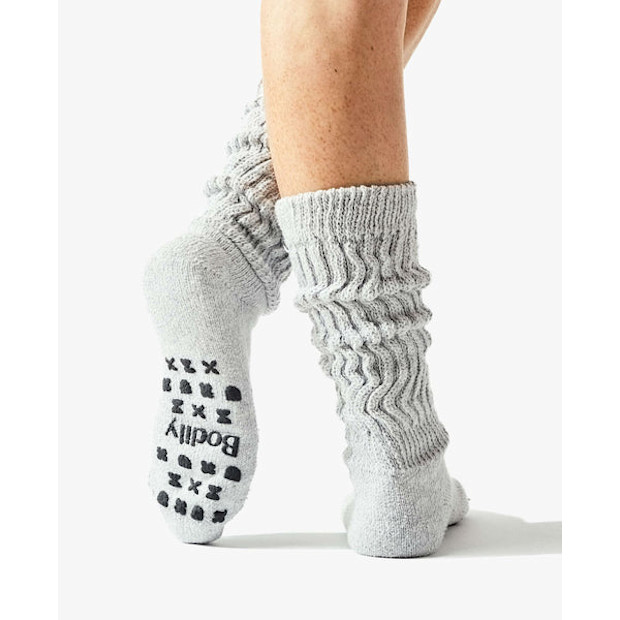
For footwear, grippy socks are great for keeping feet warm and cozy and for handling slippy hospital floors. Most hospitals will provide these for you, but some folks prefer to bring their own. Bring slip-on shoes like Birks, Crocs, Cloudies or flip-flops for going home (flip-flops are especially helpful for wearing in the shower). Your feet might be swollen from IV fluids, so you’ll be thankful for shoes you can easily slip on.
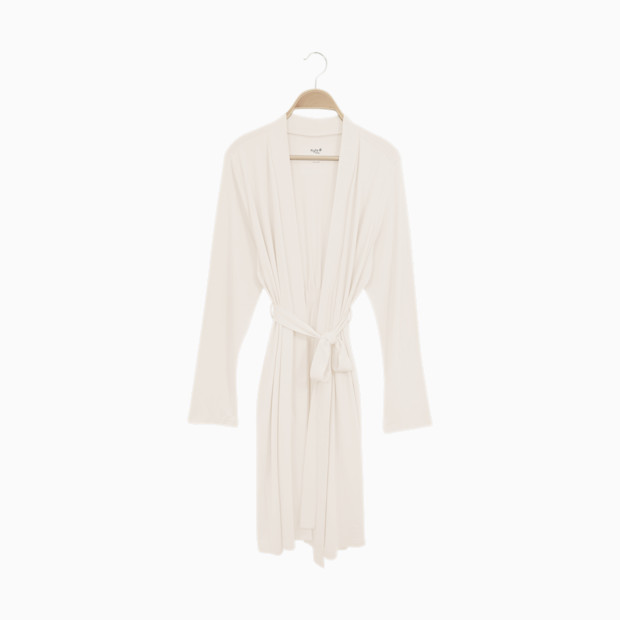
A comfortable robe is one of the best postpartum clothing items. It’s useful whether you have a vaginal delivery or a C-section and allows for skin-to-skin and nursing.
Toiletries
Don’t forget these! You’ll want your hairbrush, regular or dry shampoo, toothbrush and toothpaste, deodorant, lip balm, body lotion, extra hair ties and face wipes (Babylist parents recommend these in case you’re not up to showering right away). Remember extra contact lenses, contact solution if you need it and/or glasses, if you wear them.
Your birth plan
If you have a birth plan, print and bring a few copies: one for your chart, some for your labor nurses and maybe another to tape up in your hospital room. It’s a good idea to highlight some key points for quick reference.
What’s in a birth plan?
Hear experts cover what to include, what to skip and how to speak up when it matters—all on the Birth with Babylist podcastNursing essentials
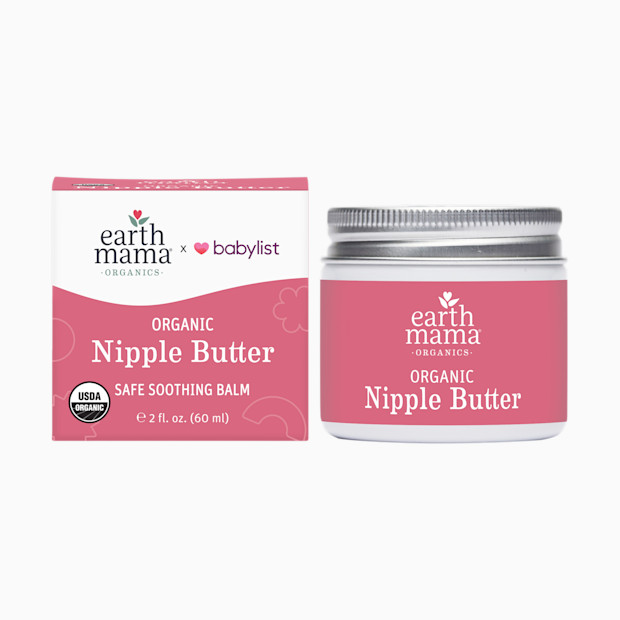
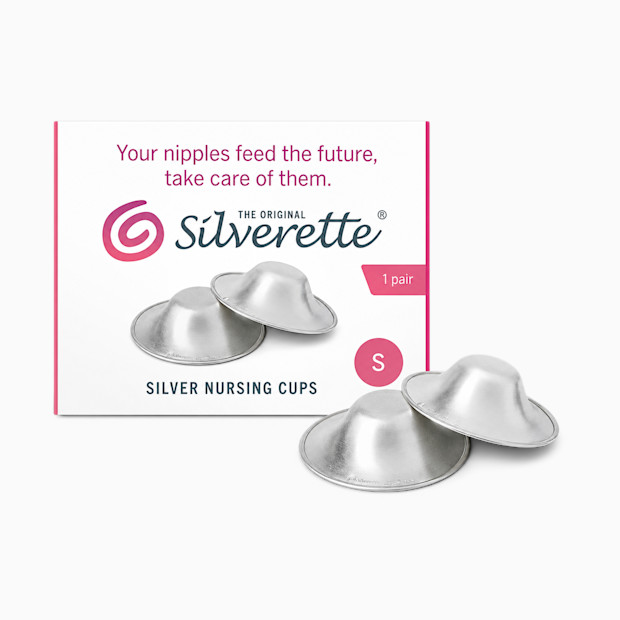
Nipple cream and silver nursing cups can be helpful during the early days of breastfeeding to ease discomfort, as you and baby get the hang of the process. Nipple cream is a tried-and-true choice that is applied like a lotion, while silver cups are mess-free and sit on top of your nipple (silver naturally helps heal cracked skin).
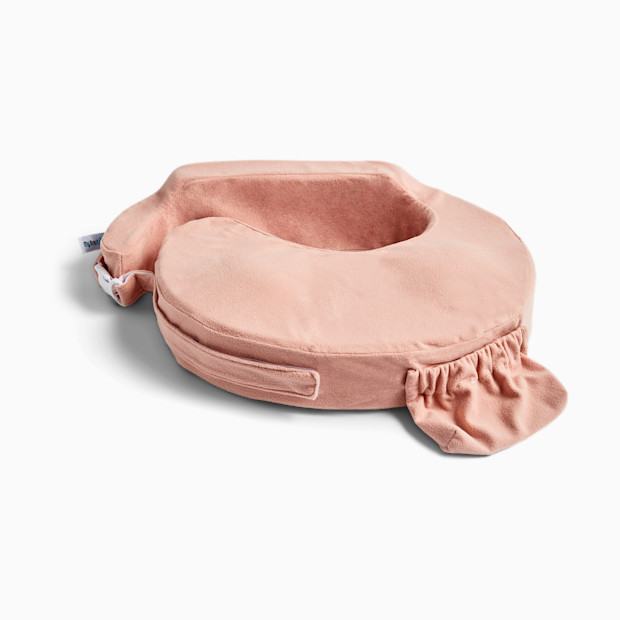
A nursing pillow can be helpful if you’re nursing, combo feeding or bottle feeding. For nursing, you can find a comfortable position for you and your baby to latch, and if you’re introducing a bottle, you’ll be thankful to have the extra arm support.
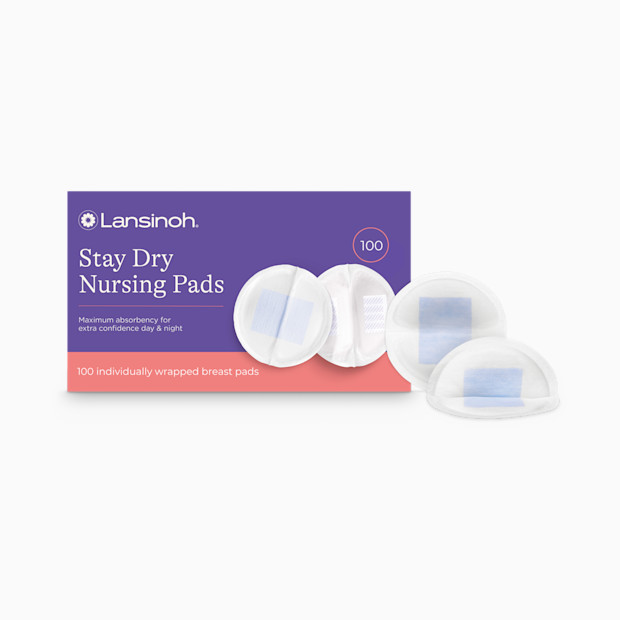
Your breast milk typically comes in around three to five days after delivery. If you’re at the hospital during that time frame, nursing pads can help with leaking as your milk quantity levels out, and breast ice packs can help ease the discomfort of that sudden fullness.
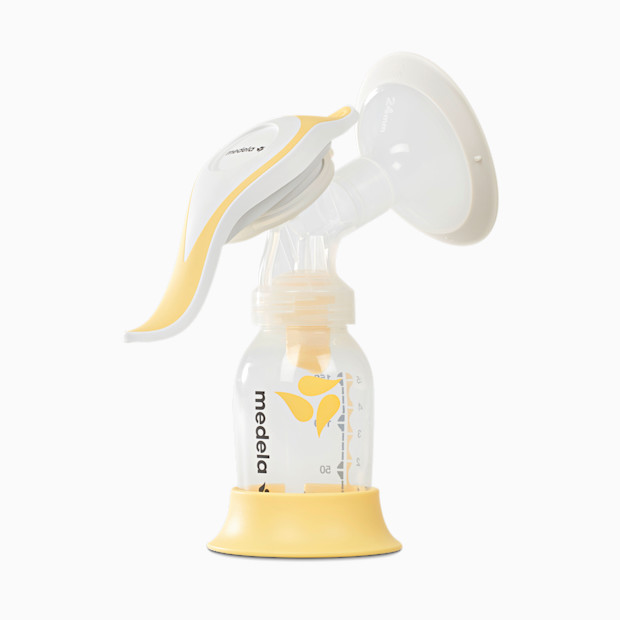
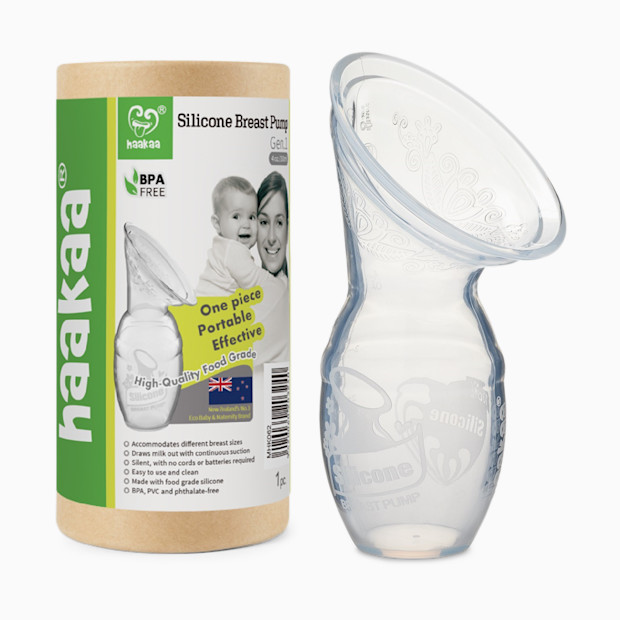
Some pumping and nursing Babylist parents said that having a manual pump or milk catcher was helpful to have on hand. And if you don’t have a pump yet, Babylist Health can help you get one through your insurance.

Postpartum care products
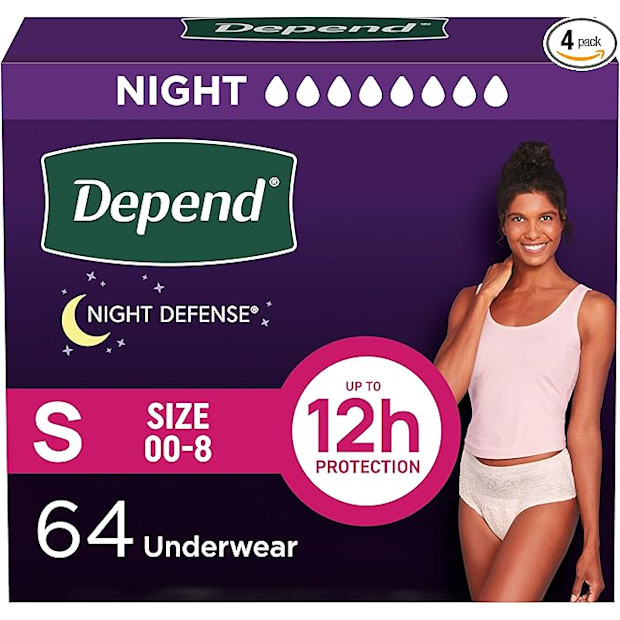
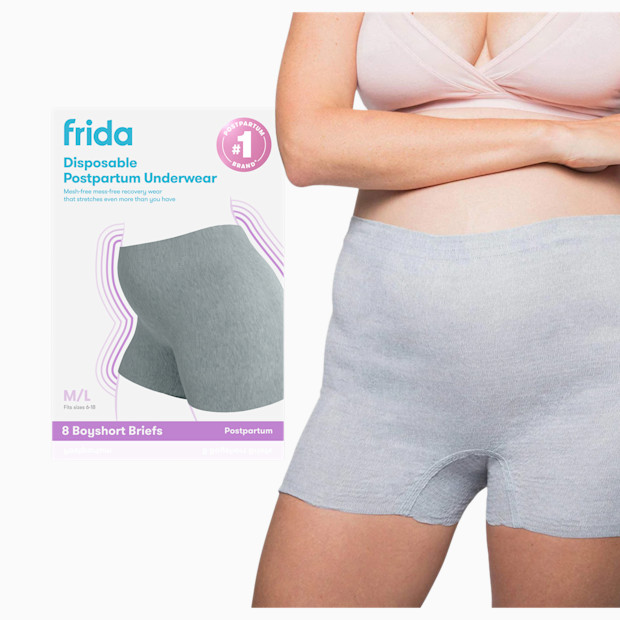
While the hospital will hook you up with pads and mesh undies if you don’t bring your own, Babylist parents shared that adult diapers, like Depends, were more comfortable and felt more secure.
Reusable postpartum absorbent underwear can also be a comfortable choice, as well as the brand of overnight pads you like the best.
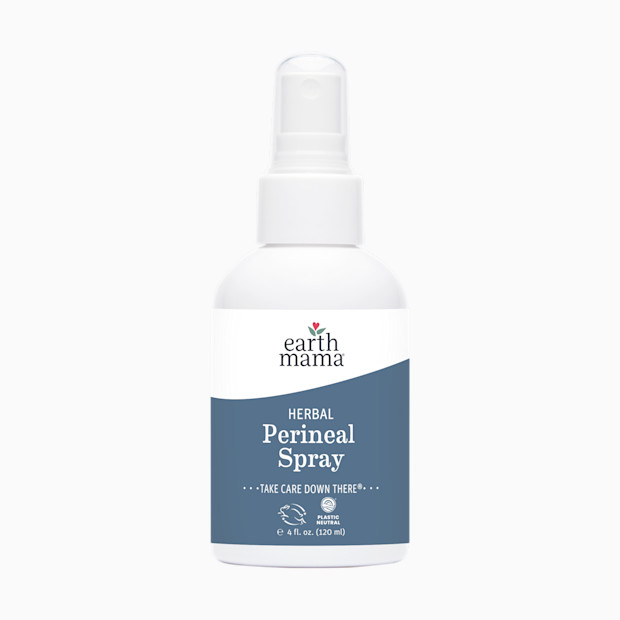
A perineal spray or Dermoplast is also a priceless addition to your postpartum arsenal (your bum will thank you). Also, postpartum hemorrhoids are common, so throw in a pack of Tucks pads (your hospital may have some to offer, too).
If you've found the best prenatal vitamins that work for you, toss those in your bag too. Many experts recommend continuing to take them after the baby arrives.




Nice-to-haves
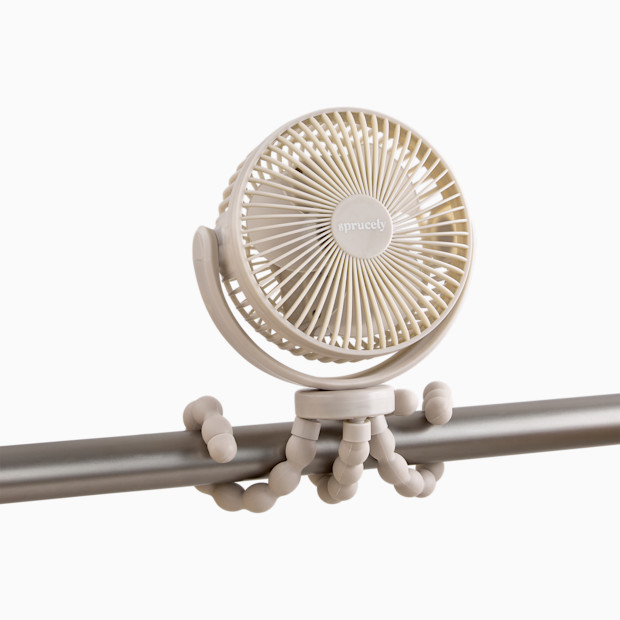
The most popular nice-to-have per Babylist: a fan. Pro tip: Go for a stroller fan so you can use it after birth with baby, too.
Babylist parents could not recommend an extra-long cell phone charger cord enough. Hospital beds are notoriously far away from an electrical outlet, and you’ll want a fully charged phone for all the pictures you're about to take of your new baby and for video chatting with excited friends and family.
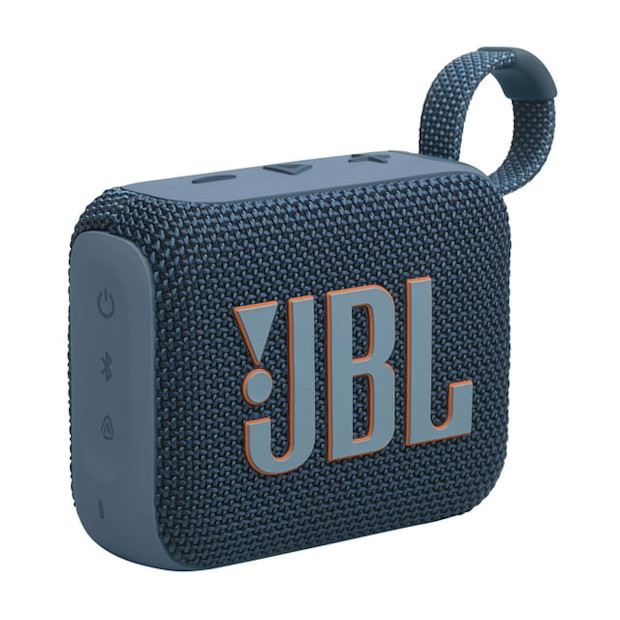
A portable Bluetooth speaker and Spotify playlist can help you set the vibe, as playing music during labor can be helpful. If you make a birth playlist, add a lot of songs to it—labor can last 24+ straight hours, and you don’t want to listen to the same 10 songs over and over.
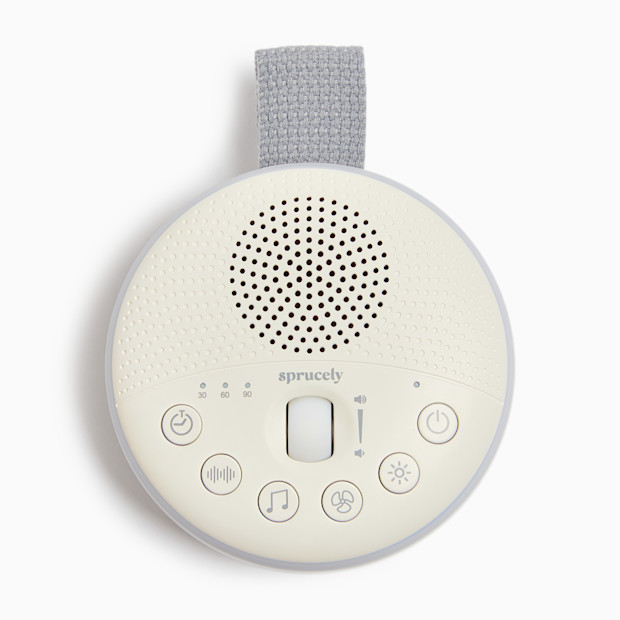
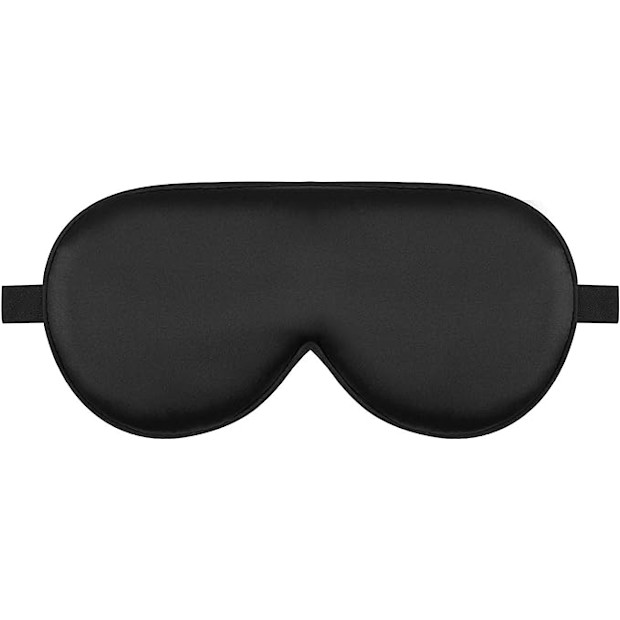
Hospitals are bright and busy, even at 2 a.m. Several parents suggested an eye mask for sleeping with bright hospital lights. They're also dry, and parents also appreciated packing lip balm.
Hospital towels are the exact opposite of luxurious hotel towels: thin, scratchy and entirely too small. You may find yourself happy that you brought a towel from home for your first post-delivery shower. Same with hospital pillows—many Babylist parents also recommend bringing your pillow from home.
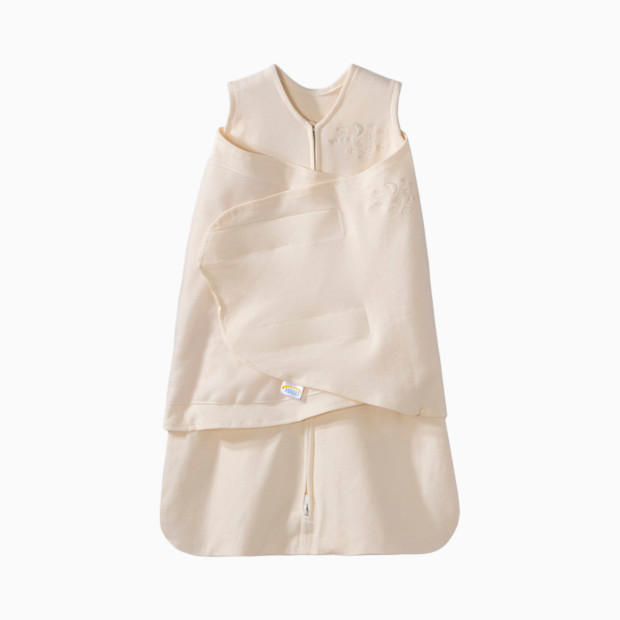
Postpartum nurses are swaddle pros, but they're not always stationed at your bedside (unfortunately). Several parents told us that an easy-to-use swaddle was a great addition to their hospital bag.
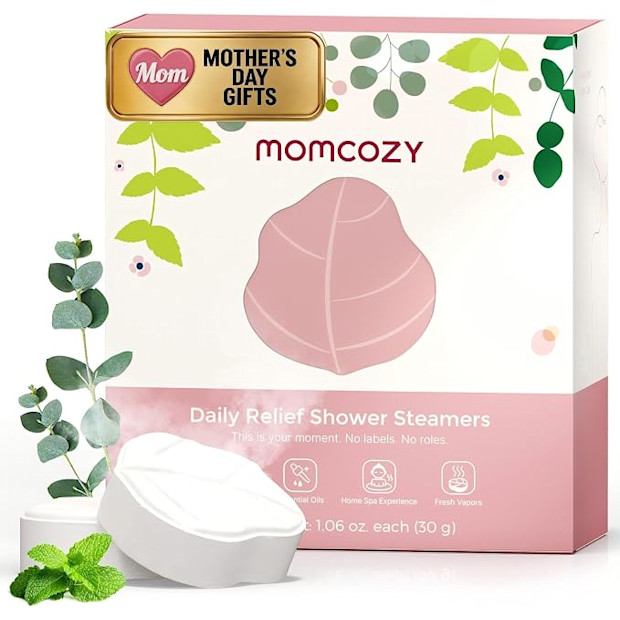
One Babylist parent said they brought a diffuser to the hospital and used it to make their room smell like a spa. Others recommended shower steamers for the first postpartum shower.
An extra tote bag—one Babylist parent suggested bringing an extra bag for all the freebies you'll bring home from the hospital.

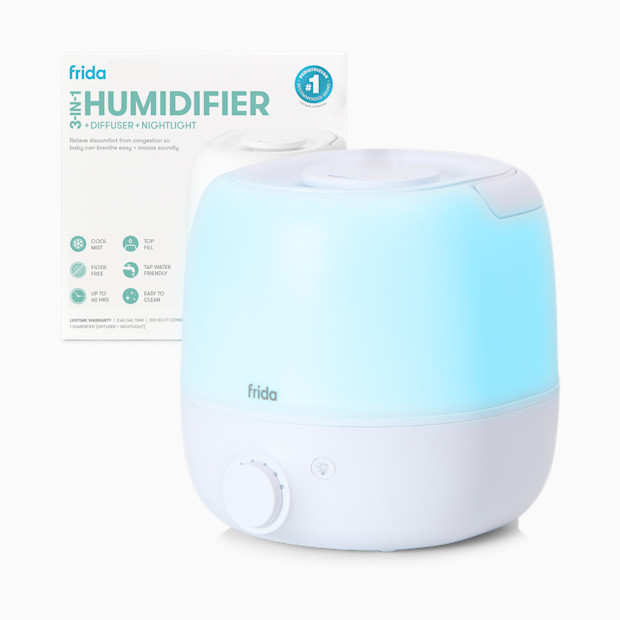
What Snacks to Pack in Your Hospital Bag
Yes, this gets its own category. Pack lots of snacks! Try to pack something from each of these categories: salty (like pretzels or Goldfish crackers), sweet (such as hard candies, M&M’s or gummy candy), protein (think beef jerky or protein bars) and healthy/fresh (granola bars, dried fruit or carrot sticks, for example). And bring a reusable water bottle, and an electrolyte drink like Gatorade or coconut water if you think you'll want one.
The laboring parent will appreciate these post-birth, too. Also, look into restaurants nearby that deliver for that first post-birth meal if you don't want to celebrate with hospital food. (Check with your hospital or birthing center for their specific guidelines.)
Note that these are snacks you'll be munching on after your baby is born; your doctor and nurses will be pretty strict about what you eat during your laboring process.


What to Pack in Your Hospital Bag for Baby
After you pack your hospital bag with comfort items for you, it's time to move on to the essential items for baby.
A car seat
If you're driving home, this is non-negotiable—in most states, the staff won’t let you take your baby home from the hospital without a car seat. If your infant seat has a base, install it in your car before delivery.
Your pediatrician’s contact information
The doctors and nurses will ask you for this information several times, so it’s good to have it handy. Include the email or fax number for the pediatrician’s office so they can easily forward your baby’s medical records.
Bottles
If you're bottle-feeding from the start, pack at least two bottles for the hospital if you're set on a certain brand. If you plan to formula feed, pack some of your preferred brand, as well, though the hospital will most likely have samples for you.
But don't bring diapers or wipes
The hospital has all the diapers and wipes you’ll need.
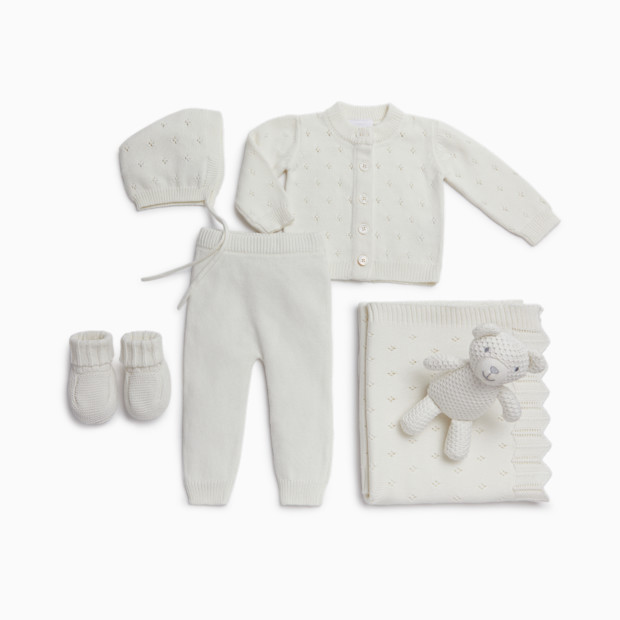
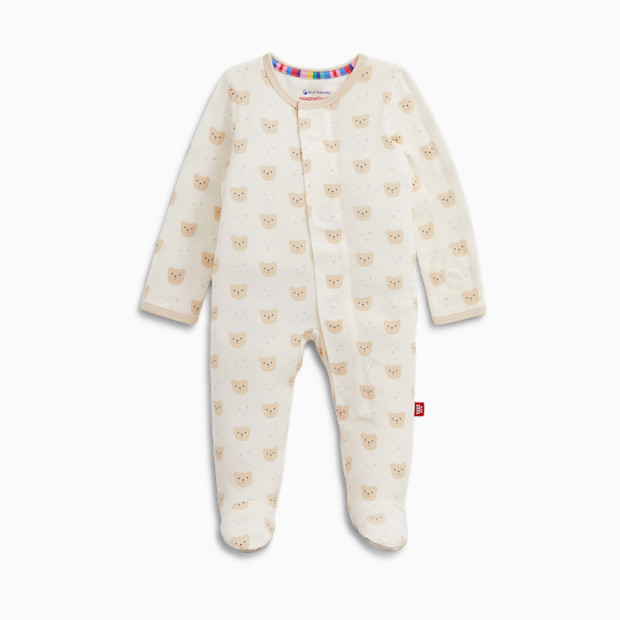
A coming-home outfit
Pack two different outfits in different sizes because you don’t know how big or small your baby will be! Aim for one outfit in newborn size and one 0-3 months. Don’t forget hats and/or socks, if weather-appropriate, to keep baby warm.

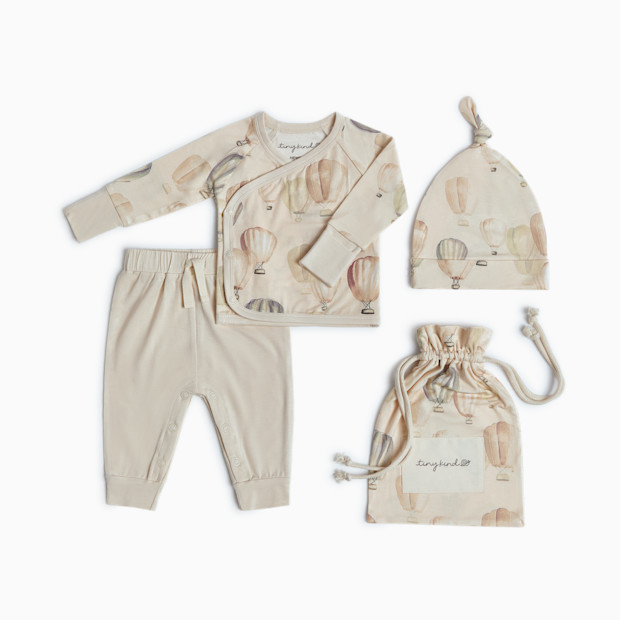

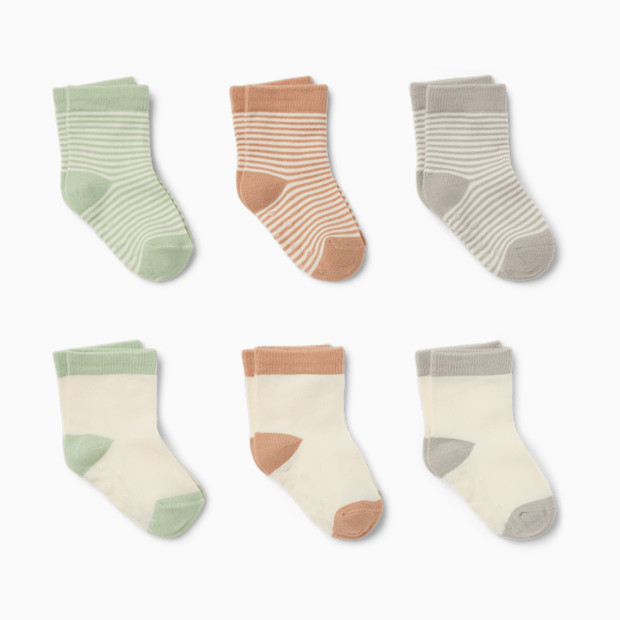
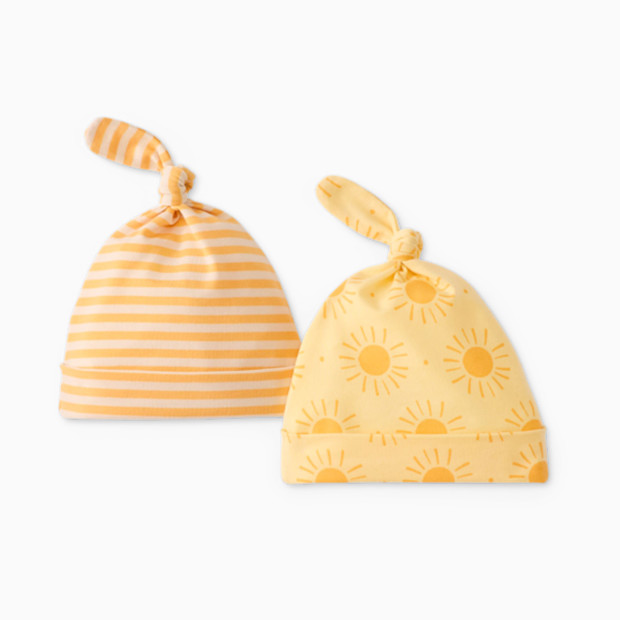
Hanna Andersson
Baby 2-pk HannaSoft Top Knot Hat
What Your Partner or Support Person Should Pack
If you have a birth partner or support person attending the birth and staying in the hospital or birth center with you, remind them to pack some things as well.
Book/iPad/laptop/headphones and general entertainment. Download a few new podcasts to listen to in case there is some downtime.
A lightweight sleeping bag and pillow. Hospital blankets, sheets and pillows can be scratchy and thin.
Overnight or extra clothes. You're likely to spend at least one night in the hospital with your partner or support person, so it'll be nice for them to freshen up with a clean set of clothes.
Toiletries. Pack a few basic necessities like a toothbrush, deodorant and whatever else they'd need to get through a hospital stay.
When to Pack Your Hospital Bag
You should have your hospital bag ready to go by 36 weeks or 37 weeks pregnant, just in case you go into labor before your due date. This is a general recommendation, but if you have a scheduled delivery, consider having your bag ready to go 2 weeks before that date.
It's fine to throw in a few items at the last minute, like your toothbrush, but you'll want your bag mostly packed and easily accessible by this point in your pregnancy.

;)
;)
;)
;)
;)
;)
;)
;)
;)
;)
;)
;)
;)
;)
;)
;)
;)
;)
;)
;)
;)
;)
;)
;)
;)
;)
;)
;)
;)
;)
;)
;)
;)
;)
 - High Prairie + Dandelion, 0-3 M","url":"https://www.babylist.com/gp/goumi-kids-stay-on-baby-mitts-2-pack-1761846368/16253/2720770","source":"hello_baby"});)
 - Sage/Terracotta/Gray, 0-6 M","url":"https://www.babylist.com/gp/small-story-crew-socks-6-pack-0a4222ca-c65b-42e3-99a7-48f58a6b4c81/80280/2852376","source":"hello_baby"});)
;)