
Sore Nipples? Here’s Why You Might Want to Give Silver Nursing Cups A Try
Your nipples go through a lot in the early days of breastfeeding; silver cups can help.

By
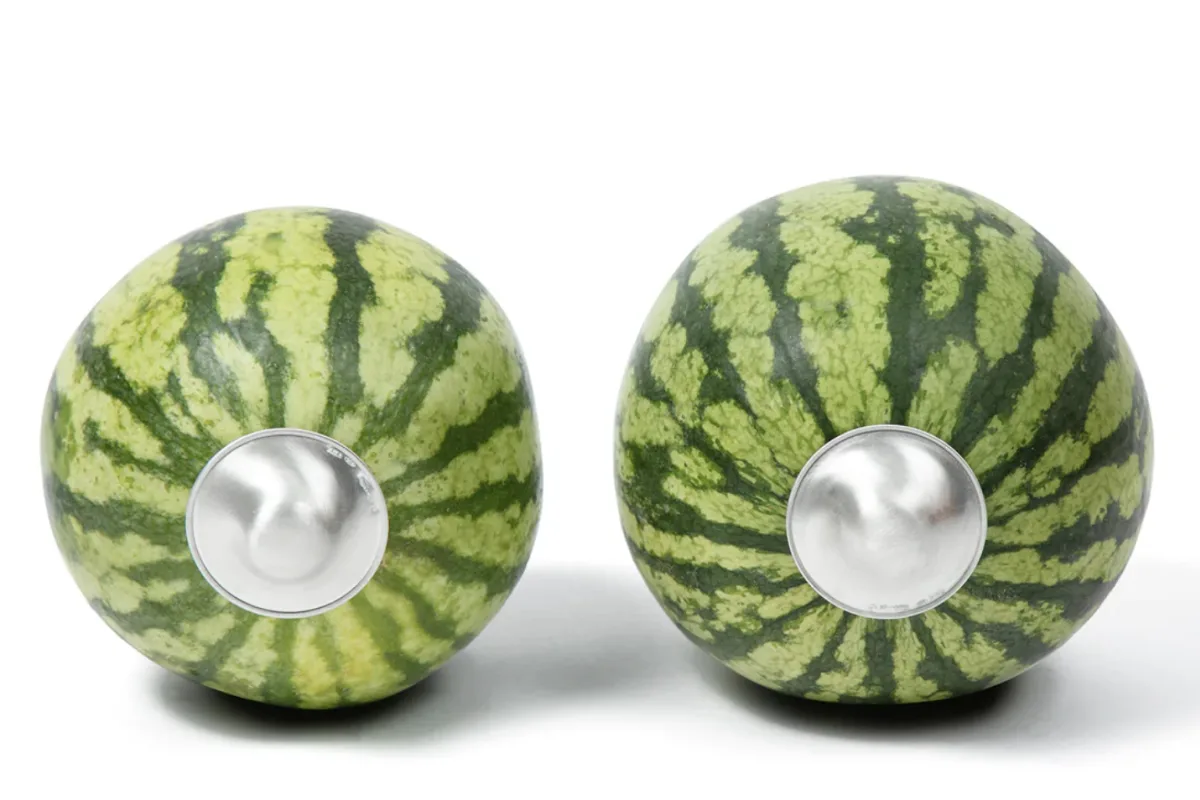
Whether you're breastfeeding or pumping, tender or sore nipples are a common challenge many new parents face. While some discomfort is normal as your body adjusts to feeding your baby, that doesn't mean you have to suffer through it. And though you can’t really prep your nipples ahead of time, silver nursing cups can help soothe them during the transition, healing them as they get used to their new job. In addition to nipple cream and a comfortable nursing bra, it’s a good idea to add some to your stash of breast care items. If you’re new to all of this, or this is the first time you’re hearing of silver nursing cups, I’m here to help you figure it all out.
I talked to Jessica Hopp, an international board certified lactation consultant (IBCLC) who supports parents in their feeding journeys at Infant Instincts in Northern California, to dig into everything from the science of silver’s healing properties to how silver nursing cups can help soothe sore nipples and encourage healing. In addition to being Babylist’s assistant editor, I’m also a certified lactation counselor (CLC) and mom of two who breastfed for a total of three years. I’ve nursed a toddler in the first trimester of my second pregnancy and navigated feeding a baby with a severe tongue tie, so it’s safe to say I’ve experienced my fair share of nipple troubles—and I wish I’d known more about silver nursing cups at the time.
We’re demystifying silver nursing cups, why you might want to try them and how to choose the best ones for you below.
What are silver nursing cups?
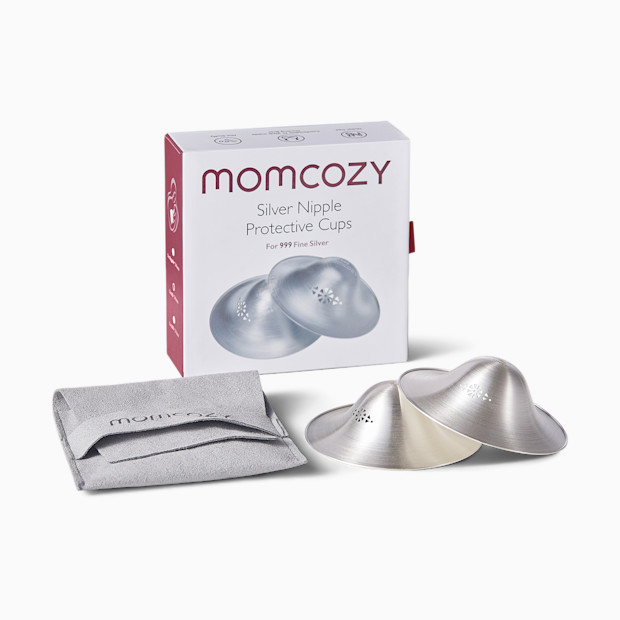
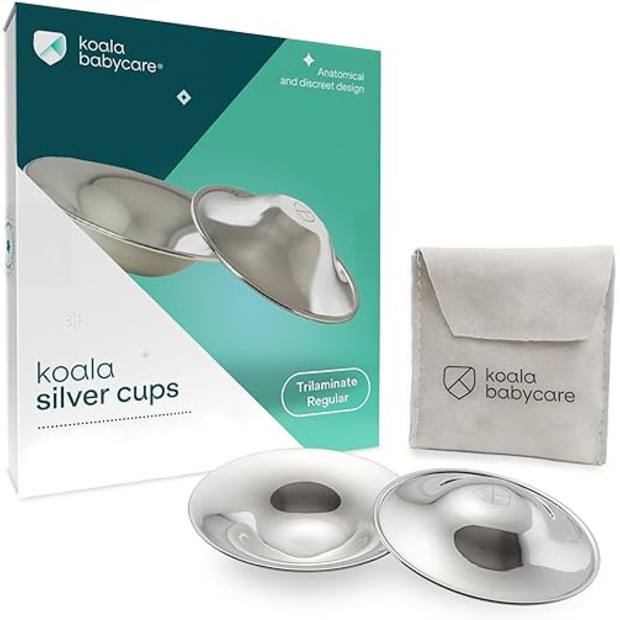
Silver nursing cups are essentially a little shield made out of either pure or sterling silver (part silver, part alloy metal, like copper) that are meant to be worn in your bra and cover your nipple and some of your areola. Many parents use them to soothe sore, cracked nipples in the early days of breastfeeding or pumping. The material is also totally safe for babies, so you don’t need to wash your nipples off before pumping or nursing. Not to be confused with nursing pads, these cups don’t have any absorbency and they’re not meant to help baby with latching, like nipple shields.
The Benefits of Silver Nursing Cups
While they don’t really do anything to prevent nipple damage (you want to make sure you have the proper latch for that) silver nursing cups mostly serve as a soothing barrier between your nipples and bra for sore, cracking or bleeding nipples. They also promote the healing of damaged nipples due to their anti-inflammatory and antimicrobial properties, according to Hopp.
Silver has been scientifically proven to have antibacterial and skin-soothing benefits, which makes them an ideal material for providing a healing environment. Without getting too in the weeds of the science, the silver ions in the nursing cups essentially denature proteins and enzymes in bacteria, giving them the antimicrobial property, which in turn can help prevent any infections from developing on damaged nipples.
How to Use Silver Nursing Cups
Silver nursing cups are a good tool to have in your kit, especially in the early days of nursing, but it’s important to understand how to use them. If you’re experiencing discomfort before or after breastfeeding or pumping sessions, you can use them in between to soothe and protect against friction (i.e. so your nipples don’t rub against your clothing). The little silver cups can sit in your bra on their own, or some people like to express a tiny drop of breast milk and spread it over their nipple first for even more relief. A few parents mention popping them in the freezer for a few minutes for extra cooling comfort.
There are a few things you’ll want to keep in mind if you choose to try out silver nursing cups. While there isn’t really a wrong way to use them, “prolonged use, such as wearing them 24/7 for weeks, can cause issues,” Hopp says. While they create a protective barrier that can aid in healing, she says she’s seen cases the where silver cups have actually exacerbated the problem by creating an environment that’s too moist, for too long; Hopp generally recommends wearing them for no longer than 12 hours a day. “It’s best to follow your IBCLC’s guidance,” she adds.
How to Clean Silver Nursing Cups
Keeping your silver nursing cups clean is also important, and the good news is that they’re pretty low maintenance. After each use, simply rinse with warm water and make sure to dry them well. Silver naturally tarnishes over time, though it won’t impact their effectiveness, but leaving them damp can speed up that process. A few brands, like Silverettes and Willow, recommend gently scrubbing them with a paste of baking soda and water, using your fingers to polish them up. Then rinse and pat dry.
What to Look For When Choosing Silver Nursing Cups
Though you may hear silver nursing cups referred to as “Silverettes,” that’s actually the name of one of the original silver nursing cups brands, and they aren’t the only option on the market (keep reading for our top recommendations). There are a few things to keep in mind when shopping for a set.
Quality
Make sure you stick to reputable brands when purchasing silver nursing cups. This will ensure they’re made with high-quality materials and free from things like BPA and nickel (which some people may be allergic to).
Purity
Silver nursing cups come in different purities—or combinations of silver and an alloy—like 925 and 950 sterling silver. So which is best? Hopp says that “Both pure silver and sterling silver have healing properties [but] sterling silver tends to offer a more consistent level of silver content, which may provide more reliable benefits.” One thing to note: the higher the purity, the less durable they may be, since silver is a naturally soft metal.
Size & Fit
Next, you’ll want to make sure you buy the right size for a proper fit. Hopp says they should feel comfortable and “cover the entire nipple without pressing into or pinching the areola.” They also shouldn’t dig in or compress your breast tissue.
Most brands offer a few different size options to choose from based on the diameter of the areola. “The regular size is intended for those with a C cup or smaller, while XL is for those with a C cup or larger,” Hopp says, “Since every breast and nipple is unique, I recommend consulting with an IBCLC to ensure you get the right size.” Each brand also has their own size chart you can reference.
Cost
This is another huge factor when choosing the right silver nursing cups for you. They come in a range of prices, costing anywhere from $35 to $60 or more. You typically won’t need them once breastfeeding or pumping is well established and comfortable, but they are super durable and long lasting. Many parents are able to use them for subsequent feeding journeys if they decide to grow their family again. So for many, they say the cost is worth it. Pro tip: you can use your HSA/FSA funds when buying.
Do I need silver nursing cups?
You don’t need silver nursing cups to have a successful breastfeeding experience—but they can be a helpful tool to have in your stash, ready if you need them. It really depends on your budget and experience in the early postpartum period. As always, be sure to reach out to a lactation consultant if you're experiencing any pain, discomfort or trouble with breastfeeding.
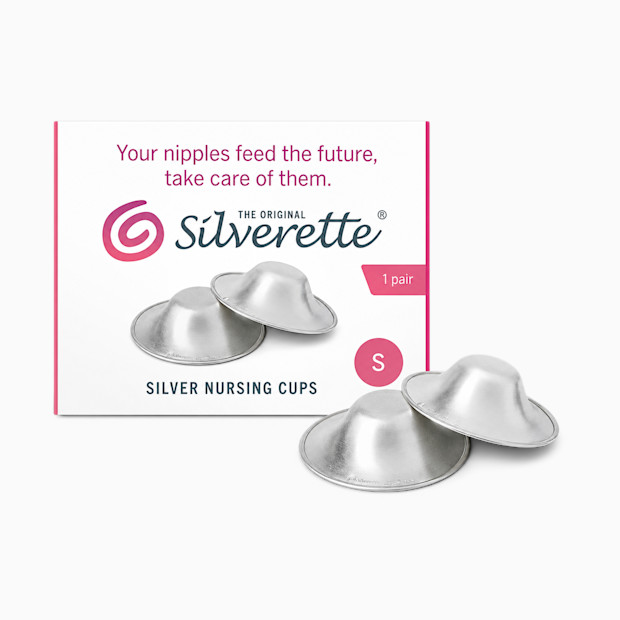
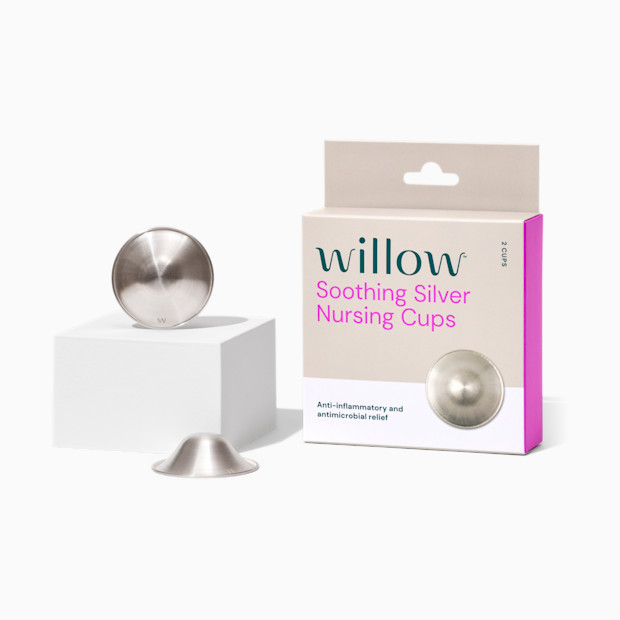
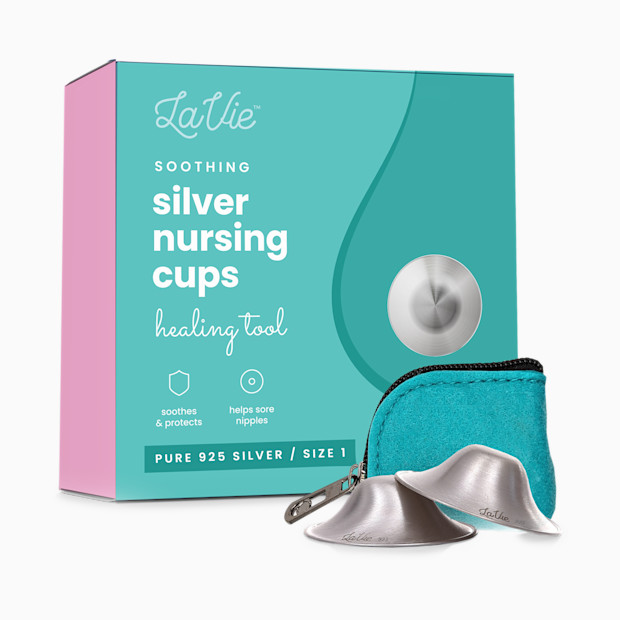
If you want to give silver nursing cups a try, here are a few we recommend:
Expert Sources
Babylist uses high-quality subject matter experts to provide accurate and reliable information to our users. Sources for this story include:
Jessica Hopp, an IBCLC, postpartum doula, infant care specialist and founder of Infant Instincts based in Northern California.

;)
","url":"https://www.babylist.com/gp/willow-soothing-silver-nursing-cups-2-pack/46334/1879700","source":"hello_baby"});)
;)
;)
;)