
Your 8-Week-Old Baby
Two months in! From vaccines to exclusive pumping to getting “me time,” here’s what to expect and try with your 8-week-old.

By

Welcome to week eight! You’ve officially got a two-month-old, and you may be feeling a mix of amazement and exhaustion, with never-ending questions about what’s next. When will baby have longer stretches of sleep? Should they be holding their head up already? When will baby roll over or be able to grasp their toys?
Hang tight, because all those things are coming soon—the next few weeks are full of small but meaningful milestones that all add up to big changes by the time baby reaches three months old.
This week, you’ll be heading to baby’s two-month checkup, which includes a round of vaccinations. Dr. Chris Klunk, a board-certified neonatologist at Pediatrix Medical Group, has tips on how to approach any negative reaction your baby might have to their first big round of shots. Now might also be a good time to think about incorporating babywearing if you haven’t yet, and establishing a slightly more structured nap schedule, which can help you get more time to yourself (we’ve got a list of easy ways to do that, btw).
We’ve also tapped mental health experts Traci Freeman and Dr. Linnea Passaler for advice on managing your mental load, which might be feeling hectic right around now, especially if you’re planning to return to work soon.
And speaking of returning to work: if you plan on pumping while at work, we created a sample schedule for exclusive pumping with the help of IBCLC Krystal Duhaney.
🚼 Baby’s Development
📅 2-Month Well Baby Visit
The two-month checkup is the final pediatrician visit of the newborn phase (the first three months). Just like at the previous couple of appointments, your baby’s doctor will look at developmental milestones and growth percentiles—the usuals: length, weight and head circumference.
This is also when baby receives their first round of routine immunizations, including DTaP, Hib, polio and pneumococcal, plus they'll be eligible for additional vaccines like rotavirus and hepatitis B (second round if they received the first while in the hospital) if you and your pediatrician decide to add them to baby's immunization schedule. Some vaccinations can cause mild reactions like a small fever or fussiness, which your doctor will go over with you to help you manage.
If you're nervous about how your baby might react (both physically and emotionally) to immunizations, Dr. Klunk says that the most important thing to keep in mind is that "we are doing this for their own good. Yes, needles hurt, and babies can sometimes be sleepy, fussy or even have a low fever, but vaccines provide way more benefit than harm. Otherwise, we wouldn’t give them."
To help things go smoothly, Dr. Klunk suggests dressing your baby in something that makes their thighs (where the shots are usually given) easily accessible, and feel free to snuggle your baby while they're getting their vaccines. "There is evidence that holding and even breastfeeding can help little ones during and after uncomfortable procedures, so go ahead and pour some love on them," he says. "If they have a pacifier, toy or something else that tends to calm them, then bring that along too."
This two-month appointment is a great time to bring up any questions about baby’s sleep—especially if you’re considering a structured nap routine—and how to manage baby’s schedule changes and childcare if you’ll be going back to work in the next month or two. Really, every pediatrician checkup is a good time to ask any questions you might have. Our pro tip: keep a running list of “things to ask baby’s doctor” in your notes app.
👶🏽 Head Control
By week eight, your baby is likely starting to hold their head up much more steadily during tummy time or when supported upright, though don’t be surprised if it’s only for a short amount each time. Their neck muscles are getting stronger little by little, especially if they’ve been doing regular tummy time every day.
If your baby still seems floppy or struggles with head control, it doesn’t necessarily mean something’s wrong, but you might still want to mention it at baby’s two-month appointment for reassurance.
Head control and neck muscle strength are super important for upcoming milestones. "It’s pretty hard to crawl if you don’t lift your face off the ground!" Dr. Klunk says. "Head control is also important for sitting, which is needed before eating solid foods, tracking objects with their eyes and eventually walking." So keep practicing short tummy time sessions a few times a day, even if your baby isn't quite holding their head up yet. They'll get there soon!
💡 Try This with Baby: Mirror Play
Looking to encourage baby’s visual and cognitive development and social-emotional skills? Try mirror play! It can be a fun addition to your regular tummy time routine, and even though baby won’t recognize themselves in the mirror just yet, that doesn’t mean they won’t be captivated by what they see.
Using a baby-safe, non-breakable play mirror, set the mirror up in front of baby during tummy time so that their face or yours is reflected back, and see if you can get baby to coo or smile at the reflection.
Baby’s vision is still a little blurry at this stage, but doing mirror play regularly over the next few months can help encourage eye tracking and facial recognition (which we’ll talk about more next week), as well as their interest in other babies (which can start as early as three to six months old).
💗 You, 8 Weeks After Baby
✅ Little List: Getting "Me Time"
You’ve had two whole months of parenting a newborn, so even a few minutes to yourself can feel like a luxury right now—but small breaks are really important for your mental and physical health, and they can help you stay grounded and present during the marathon of the newborn weeks.
If you’re able to get help from another caregiver, that’s great—you’ll be able to take care of things outside the house if you want. If you’re riding solo, take advantage of baby’s nap time to spend how you wish (as long as you’re still within earshot of baby’s sleep space or their monitor). Skipping chores during one naptime a day won’t hurt.
To help you make the most of any tiny window of opportunity—anywhere from five to 30 minutes—here’s a quick go-to list of “me time” ideas. Pro tip: save this list to your phone or put it on your fridge so you don’t waste a single second wondering what to do.
-
Write in a journal or jot down one moment you’d like to remember from the day (5 minutes)
-
Do a quick breathing exercise or meditation (5 minutes)
-
Step outside just to feel fresh air and daylight, even if it’s just the front porch (5 minutes)
-
Do a gentle yoga flow (5–10 minutes)
-
Call or text a friend (5–10 minutes…or longer, if you have the time)
-
Zone out with a hobby you can’t do while holding a baby, like coloring, crocheting or crosswords (5–15 minutes)
-
Go for a walk around the block (10 minutes, if you have another caregiver)
-
Make your favorite snack or drink, then actually sit down to enjoy it without multitasking (10 minutes)
-
Lay down and do nothing—seriously, just close your eyes and rest your body without the pressure to sleep (10 minutes)
-
Read a chapter or even just a few pages of a book or listen to an audiobook (10–20 minutes)
-
Take a long shower with music or a podcast (15–20 minutes)
-
Watch one episode of a show you love (30–60 minutes)
-
Run an errand (30–60 minutes, if you have another caregiver)
💭 Your Mental Load
By now, you might be discovering that parenting isn’t just about the physical tasks—changing diapers, feeding, bathing, playing, putting baby to sleep—but also about the thinking, remembering and planning that never seem to stop. Welcome to the mental load: the part of parenting that’s often both overwhelming and invisible.
Even when you’re supposed to be resting, the mental load is that to-do list that sticks in your brain. In general, the mental load refers to "the cognitive and emotional impact, physical time, expectations, ideas of what parenting 'should' be like—and then reality,” says Traci Freeman, a marriage and family therapist and founder of Whole Health Counseling Center in San Francisco. “It's all of the mental gymnastics it takes to parent.”
For new parents, that can look like constantly doing the mental math for when the next feeding or nap should be, keeping track of when it’s time to buy more diapers and other daily necessities, tracking how much tummy time baby got in a day, maintaining a perpetual to-do list of washing bottles, pump parts and baby clothes—the list goes on.
The mental load can become even more intense if one parent becomes the “default” parent—the person automatically relied upon to manage all things related to baby—and it can cause parental burnout. "When one parent, particularly in the early stages after welcoming a new baby, carries most of the mental load, it can lead to chronic cognitive overload," says Dr. Linnea Passaler, a physical and mental health professional and expert in nervous system dysregulation.
The keys to preventing that overload: keep an eye on your own mental load, and communicate when it gets to be too much. Freeman encourages you to be direct with other caregivers, and address the issues head-on instead of hoping they just “get it.” In short: just ask for help.
If you're parenting with a partner, try to regularly check in about how responsibilities are being shared—not just the hands-on work, but the emotional labor of keeping everything afloat. If you're parenting solo, be kind to yourself and consider which tasks can be outsourced or deprioritized, even temporarily.
And if you’re trying to keep the mental load all in your brain, consider using apps that help you more easily track things, especially feedings and diaper changes. Apps like Huckleberry, Baby Tracker and Nara let you track everything related to baby’s daily schedule, plus growth and milestones. And for everything else on your mind, there are household cleaning and management apps like Sweepy and Coexist that can even be shared with partners, so you can delegate and share the mental load more easily.
🧑🍼 Feeding Baby
🍼 Week 8 Feeding Guidelines
Whether breastfeeding or formula feeding, most babies will drink three to four fluid ounces per meal. Baby’s mealtimes are likely still about every three to four hours, but be sure to keep watching for those hunger cues to prevent overfeeding. If you’re able to measure baby’s intake (like if you’re bottle feeding), you’re aiming for a total of 24–30 fluid ounces per day.
⏰ Exclusive Pumper’s Schedule
Whether you’ve been doing it for a while now or you’re switching up baby’s feeding method to accommodate a change in your routine, exclusive pumping works best when you have a set schedule to keep things consistent.
Your breast milk supply should be pretty well established by week eight, so to help you exclusively pump from here on out, we asked Krystal Duhaney, an International Board Certified Lactation Consultant (IBCLC), registered nurse and founder of Milky Mama, what daily schedule she recommends.
With an established supply, Duhaney says you should plan to pump every three hours during the day. This is true if pumping is part of your return-to-work plan, too. “A typical work day looks like pumping before you leave, two to three times during work and once when you get home,” she says. “And try to keep weekends similar, because your breasts don't care that it's Saturday.”
Here’s what that might look like in an example schedule, but of course feel free to change the times for what works best with your own routine.
|
Time |
Pumping Session |
|---|---|
|
6:30 AM |
First pump of the day (before baby wakes or before work) |
|
9:30 AM |
Mid-morning pump |
|
12:30 PM |
Lunchtime pump |
|
3:30 PM |
Afternoon pump |
|
6:30 PM |
Early evening pump (when you get home from work, if applicable) |
|
9:30 PM |
Evening wind-down pump |
😴 Sleep
🛏️ Total Sleep: 12–16 Hours
-
Naps: Two to three naps per day for two to three hours each
-
Night Sleep: Baby may be sleeping for longer stretches at night (yay!) but will likely still wake for one to two nighttime feeds.
While you may be relieved to have finally reached the structured nap stage, baby’s sleep patterns aren’t always predictable, especially when sleep regressions, growth spurts or illnesses can throw things off. Still, continue to help baby distinguish between day and night like we’ve talked about in previous weeks, and don’t hesitate to keep baby’s sleep schedule a little flexible to help make things easier on you both when the unexpected happens.
🕙 Introducing a Structured Nap Routine
Although you’re still a few months away from being able to do any official sleep training (that usually starts between four and six months old), your baby’s sleep stretches might be spacing out just enough for you to start considering a more structured nap schedule.
You don’t need anything rigid just yet—you can just gently guide baby toward more predictable sleep times, starting with tracking when they tend to show those sleep cues we talked about a couple weeks ago, then scheduling two to three naps a day based on baby’s natural rhythm.
And if you haven’t established a predictable nap time ritual yet (dim lights, sound machine, gentle rocking, lullabies), this is the time to make that consistent, too. Think of this stage as “nap practice.” Setting a nap rhythm now can help smooth the path for longer sleep stretches over the next couple of months.
❓ Weekly How-To: Babywear
Babywearing can be a lifesaver for hands-free convenience, and it’s really great for bonding between you and baby—but it takes practice. Babywearing experts have a few pieces of advice for making things go a little smoother.
-
Remember TICKS: For safety, ensure that while baby is in the carrier, they’re Tight, In view at all times, Close enough to kiss, can Keep their chin off their chest and have a Supported back.
-
Keep baby’s legs in the M position: To help prevent hip dysplasia in your baby, make sure their legs are spread around your torso, with their knees bent so that they’re slightly higher than baby’s bottom. Their legs and bottom should form an M shape that’s being supported by the carrier.
-
Take breaks: While it won’t do your baby any harm to keep them in the carrier for a couple of hours straight, make sure you take breaks every so often to let them stretch out, get some tummy time and eat. Taking breaks is also great for your own back and shoulders, especially as baby gets heavier.
These tips go for any style of carrier, and whether you’re using a wrap, a ring sling or a structured carrier, it’ll be able to last you through the rest of baby’s first year.
If you’re starting babywearing for the first time now that your little one is two months old, keep in mind that it’ll take some getting used to, especially for your baby. If they’re fussy during the first few tries, don’t give up—sometimes just walking or bouncing gently while wearing them can help settle them in.
👀 Looking Ahead
-
Baby’s eye tracking: In the next couple weeks, baby’s vision will improve enough to follow slow-moving objects and track you across the room.
-
Baby recognizes more faces: Your baby will soon be able to recognize more familiar faces, and might even light up with smiles when they see you or a favorite toy.
🛍️ Panic Order
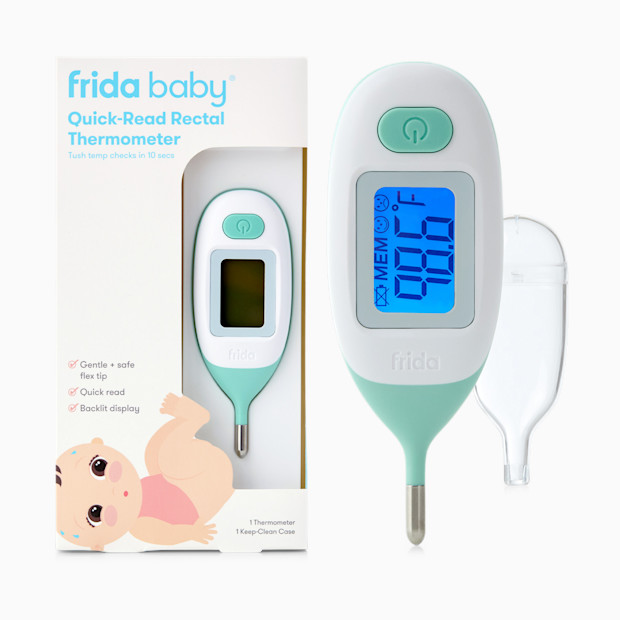
Frida Baby
Quick Read Rectal Thermometer
;)
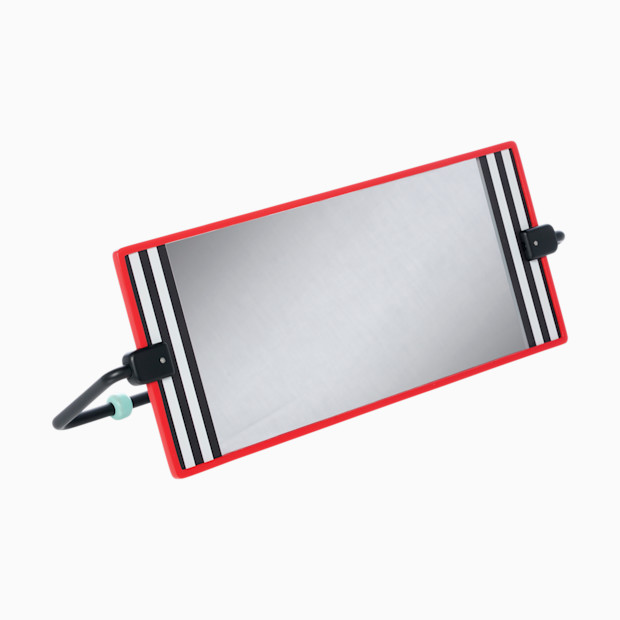
Manhattan Toy
Wimmer-Ferguson Double-Feature Tummy Time Mirror
;)

Pearhead
Chevron Memory Baby Book
;)

Stress Relief: Easy Coloring Book for Adults
;)

JBL
Go 3 - Portable Waterproof Mini Bluetooth Speaker
;)
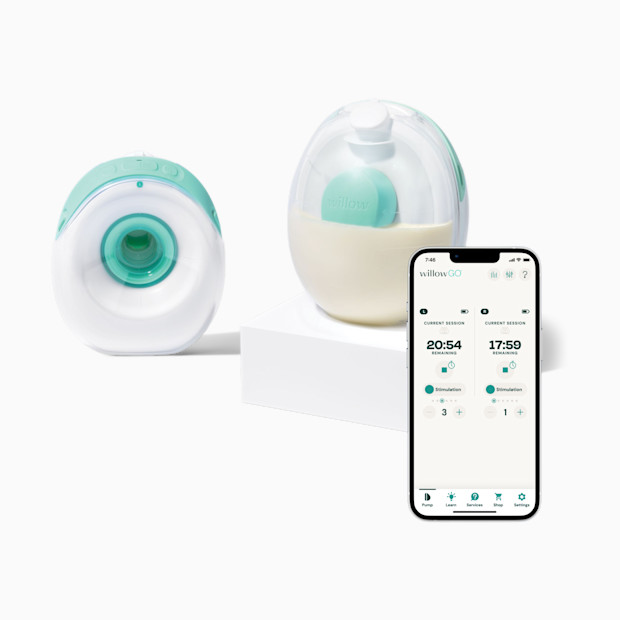
Willow
Go Wearable Breast Pump
;)
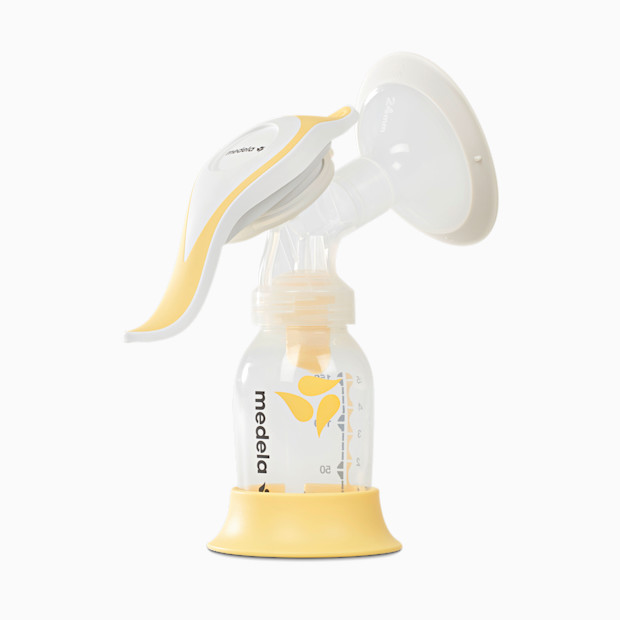
Medela
Harmony Manual Breast Pump With Personalfit Flex
;)

Boba
Wrap Carrier
;)

WildBird
Linen Ring Sling
;)
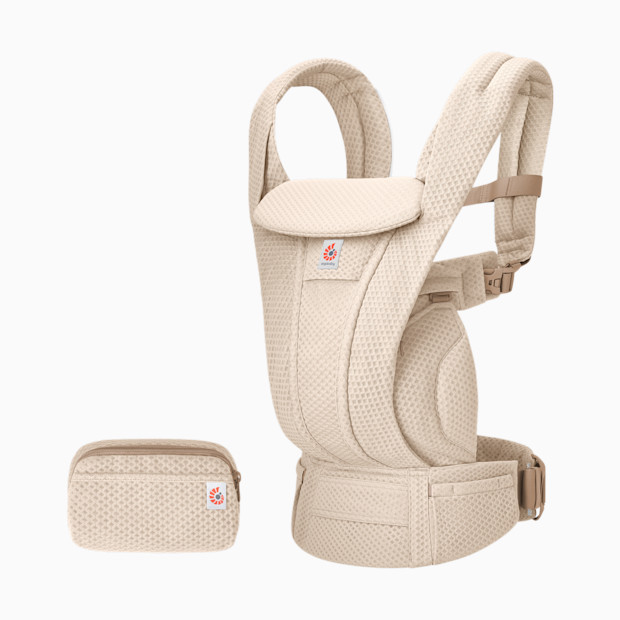
Ergobaby
Omni Deluxe Carrier
;)
Expert Sources
Babylist content uses high-quality subject matter experts to provide accurate and reliable information to our users. Sources for this story include:
-
Dr. Chris Klunk, board-certified neonatologist at Pediatrix Medical Group
-
Traci Freeman, LMFT and founder of Whole Health Counseling Center
-
Dr. Linnea Passaler, physical and mental health professional and expert in nervous system dysregulation
-
Krystal Duhaney, IBCLC, registered nurse and founder of Milky Mama