
5 Moms Share How They Navigated Postpartum Hair Thinning and Shedding
Plus expert tips on reducing hair shedding and improving growth.

By
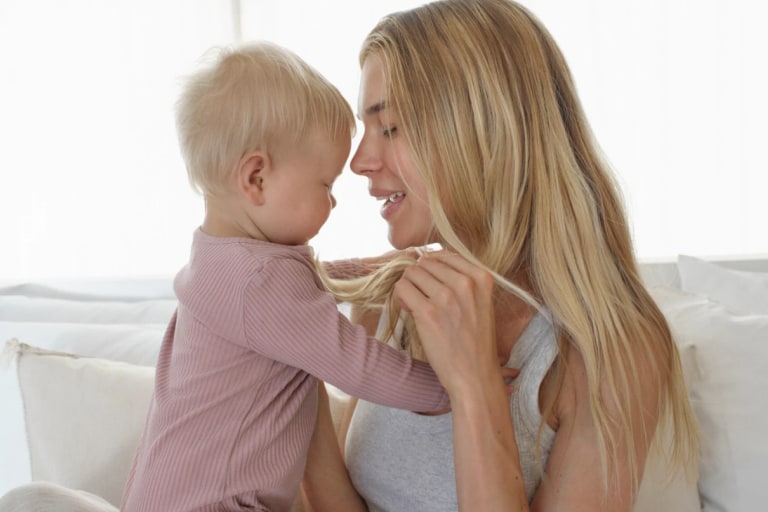
Navigating life postpartum can feel like an emotional and physical roller coaster in many ways—including dealing with hair changes like frequent shedding. As hormone levels shift in your fourth trimester, the elevated estrogen levels you experienced during pregnancy start dropping and can lead to more hair than usual on the shower floor or a shift in your hair texture—changes described as “alarming” by several Babylist moms. “It’s wild how pregnancy hair tricks you by giving you the best hair,” said Carol, mom of two. “Then the shedding that happens when you’re postpartum just takes away that confidence.”
Most parents experience shedding or thinning around three to four months after giving birth. And while it’s totally normal and to be expected, “It can still feel distressing, especially if it doesn’t seem to come back as quickly or fully as you would like,” said Anne Kennard, DO, FACOG, FACLM, ABOIM, Clinical Herbalist. In addition to hormonal shifts, she said physiologic factors like physical stress (a difficult birth, lack of sleep), emotional stress (adjusting to life with a newborn), and nutrient gaps can contribute to increased shedding.
The good news? This phase does pass. We partnered with Nutrafol and asked five Babylist moms to share what their hair changes really looked and felt like when they were in the thick (err, thin) of it. From fresh hairstyles to expert-backed recommendations, here’s how they managed and embraced their postpartum hair changes with confidence.
Postpartum hair change: Thinning hair around the temples

“When I was newly postpartum, I noticed my naturally curly hair started to thin out with a lot of shedding in the shower. But it wasn’t until I took Easter photos with my baby when he was about two-and-a-half months old that I noticed just how much my hair had thinned around my temples,” said Briana, mom of two.
How it made Briana feel: “My hair is my crown; it's always been one of my favorite features and something I've always received compliments on. So, in addition to just not feeling like myself, the postpartum hair thinning definitely impacted my mental health in the fourth trimester.”
How Briana handled it: “I did a big chop after each of my kids was born. It helped my hair and curls look fuller, was easier to manage and made me feel a bit more confident and refreshed.”
Postpartum hair change: Significant shedding around the hairline

“Between the significant shedding around my hairline and my inability to get into the salon to cover grays (new moms are busy!) I was feeling totally washed out and not like myself,“ said Christie, mom of three.
How it made Christie feel: “As a new mom, you want people to see you again for the first time postpartum and think, ‘Wow, she has it all together,’ but instead, I felt I looked like a shadow of my former self.”
How Christie handled it: “There was so much hair shedding when my twins were born (more hormones with two!) that I panicked, and I bleached my naturally brunette hair. This ultimately caused more damage and breakage, and I'm sure it made me look like I had lost my mind (perhaps I had?!). My hairdresser suggested I use Nutrafol Postpartum to reduce the hair shedding and improve growth. It looked thicker and fuller within months, which helped me regain my confidence.”
Postpartum hair change: Once-thick hair became dull and tangled

“My once thick hair became dull and was shedding way more than usual. It also tangled so much more easily, which I think resulted from becoming finer,” said Kendall, mom of one.
How it made Kendall feel: “My body was already going through so many changes that the added stress of hair thinning took things to another level. It made me hate washing my hair.”
How Kendall handled it: “I felt like my new postpartum texture wasn't lending itself as well to my natural brunette color anymore, so I highlighted my hair around 8 months postpartum. I just needed a change and wanted to do something dramatic. It wasn’t until I stopped breastfeeding when my daughter was around 18 months that my pre-baby texture really returned.”
Postpartum hair change: Developed a greasy texture

“I noticed my hair was getting oilier faster, and I started noticing it was shedding right around three months postpartum. I started washing it more, which I hated doing bc who has the time for that as a new mom,” said Sara, mom of one (with another on the way!)
How it made Sara feel: “Watching my hair shed daily made me panic a lot, and I just did not feel myself at all.”
How Sara handled it: “I usually wear my hair down and curled, but I decided to wear it up way more often just not to have to deal with it. I started taking Nutrafol Postpartum and noticed some improved hair growth around three months after taking the pills. And after a full year, I felt like my hair was as thick as it was pre-baby.”
Postpartum hair change: I buzzed my head before anything happened

“My hair never looked better than it did immediately after giving birth. (Even in the hospital, I was like, dang!) So it was definitely a shock when it started shedding a few months later,” said Maddie, mom of two.
How it made Maddie feel: “The *process* was really jarring, especially having so much hair shed in the shower…I found it unsettling at best and a total nuisance most days.“
How Maddie handled it: “I rode out the hair changes with my first baby, but when my second was born, I really didn’t want to go through the shedding process again. So around the four-month mark (when my hair started thinning last time), I took the opportunity to give myself the drastic haircut I'd always wanted and shaved my head down to a buzzcut and dyed it blond. It was a relief to circumvent the thinning experience and take control of my hair journey. Outside of touch-ups, I didn't have to think about my hair at all in the first year of my baby's life—showering and styling it was a breeze, and it turns out a blond buzzcut is my favorite hairstyle yet.”
Navigating your return to healthy hair
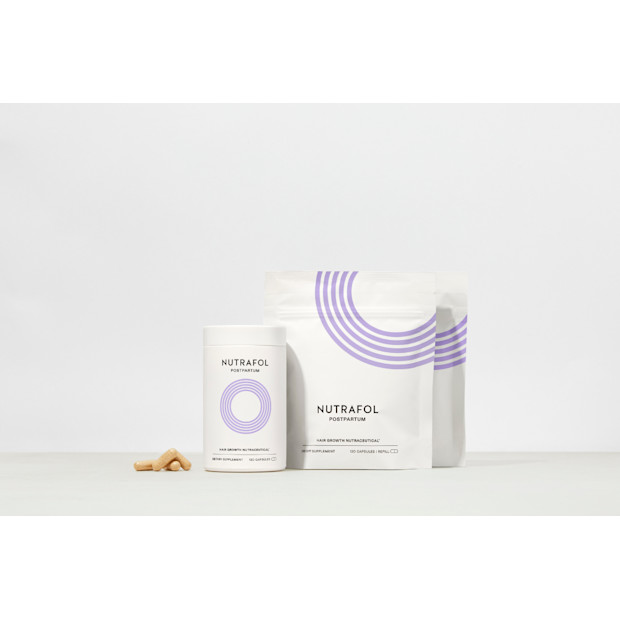
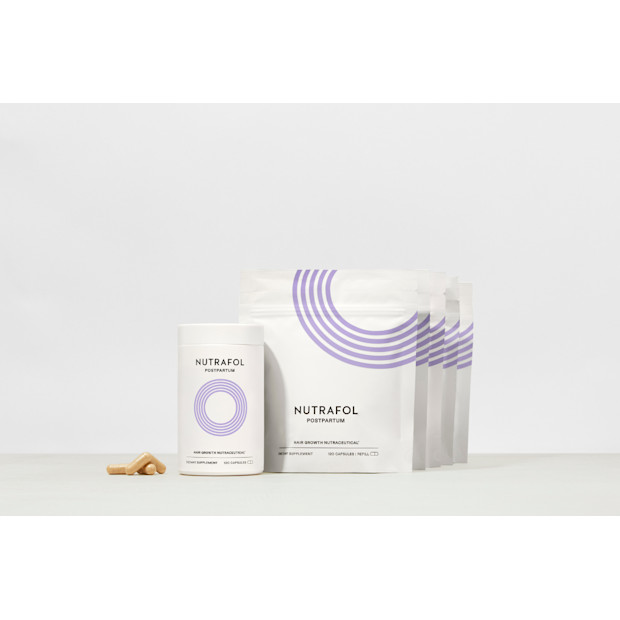
Although hair thinning can be one of the issues you experience postpartum, like everything else, it can be helpful to remember it’s temporary. “Hair thinning is one of the most common and frustrating issues people experience in the postpartum stage of life,” said Dr. Kennard. She often recommends Nutrafol Postpartum supplements to patients “to support hair health and help target root causes of hair thinning from within, including bridging nutrient gaps and improving stress.”
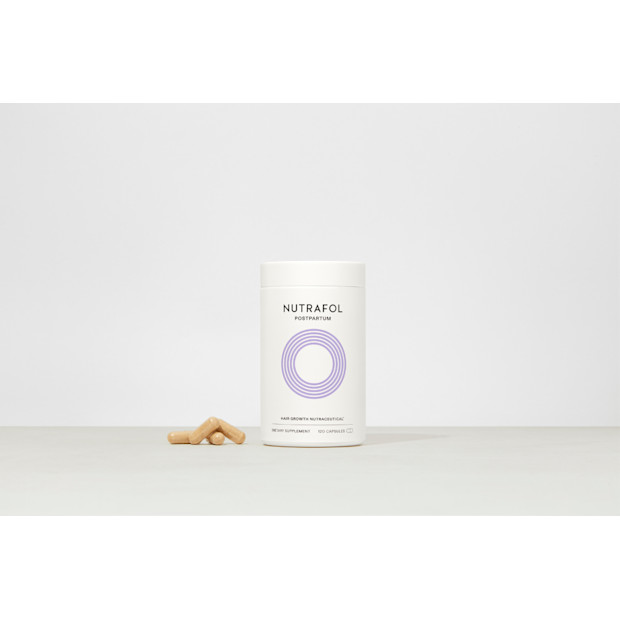
While most people experience some form of shedding, it can be tricky to know what’s “normal.” Dr. Kennard said if it occurs much past three to four months postpartum or does not slow down about six weeks after starting, it could be worth discussing with your doctor or midwife to see if other reasons are at play. As your hormone shifts begin to level out, “by about six months, you should be seeing little baby hairs come in,” she said. While this growing hairline could be a bit of a challenge to style, you’ll hopefully find yourself laughing about this “baby bangs” phase with your new parent friends in no time.
Expert Source: Anne Kennard is triple board-certified in obstetrics and gynecology, integrative medicine and lifestyle medicine. She helped develop the Nutrafol Postpartum formula, completed a fellowship in Integrative Medicine at the University of Arizona Andrew Weil Center for Integrative Medicine and is a fellow of the American College of Lifestyle Medicine. She is a Clinical Herbalist, registered yoga teacher and holds a B.S. in Nutrition Science. She is passionate about comprehensive and holistic care for women.
This article is sponsored by Nutrafol. Babylist’s free site, apps and emails are made possible by our sponsors. We limit our sponsored content to relevant partners that offer products and services we believe in and use ourselves.

;)
;)
;)