
Your 26-Week-Old Baby
Another sleep regression? Maybe—or maybe not. Here’s what’s actually normal for your 6-month-old’s sleep right now.

By

If you’ve got a good sleeper on your hands, congratulations! Enjoy the extra rest or time to yourself. But at this age, not all babies are sleeping in long stretches yet, and many parents might be wondering if they’ll ever get better sleep—just in time for the next sleep regression to hit.
That’s why we turned to Amanda DeLuca, pediatric sleep consultant and founder of the parenting app Riley, and Dr. Gabriella Dauer, pediatrician and author of Beyond the Basics: A Pediatrician's Newborn Guide, to weigh in on the realities of another sleep regression and what “sleeping through the night” actually looks like right now.
🚼 Baby’s Development
Sleep Regression #2
If you’re bracing for another round of disrupted nights, you’re not alone. You might hear about a “six-month sleep regression” and assume it’s inevitable, but there’s some good news at least. According to Dr. Dauer, “not all babies will have [sleep] difficulties after the four-month hump,” she says. In other words, your baby may breeze through this stage without much sleep drama at all (though Dr. Dauer does say that another regression might show up around eight to 10 months, so you may not be totally out of the woods yet).
Still, plenty of babies this age do experience a sudden shift in their previously predictable patterns. “Around six months, many babies who were previously sleeping well may suddenly start waking more frequently at night, taking shorter naps and fighting bedtime,” DeLuca says.
“It can feel like sleep completely unravels,” DeLuca says. But as hard as yet another sleep routine disruption can be, it’s all for a good reason: your baby is preparing for their next stage of development. “What looks like a ‘regression’ is actually the result of major developmental progress. Your baby is mastering motor skills like rolling and sitting, becoming more aware when you leave the room and transitioning toward more adult-like sleep cycles.”
And if you think this second sleep regression feels different from the first one a couple months ago, you might be right—and those major developmental milestones might be the reason why. “While the earlier regression is mostly about sleep cycles maturing, the six-month regression tends to be driven by a combination of physical, cognitive and emotional leaps,” DeLuca says. “The underlying causes are more complex this time.”
Just like with the last sleep regression, the best way to get through it is to stick with your usual routine as consistently as possible. And according to DeLuca, sleep does return once this set of developmental leaps settles. Most phases last no more than two weeks, Dr. Dauer says, and she recommends reaching out to your pediatrician if sleep hasn’t improved after that point.
Sleeping Through the Night
One of the hardest parts about parenting is powering through the sheer exhaustion. Months of frequent nighttime wake-ups can make it feel like you’ll never escape the zombie phase of parenting. And while some babies can sleep longer stretches at six months, Dr. Dauer cautions against expecting an adult-sized full night just yet.
“Most babies do not sleep through the night at this age and actually continue to feed multiple times overnight,” she says. In fact, with her own patients, Dr. Dauer says she doesn’t even start talking about sleeping through the night until a baby’s first birthday, when they’re more likely to get enough daytime calories to comfortably skip nighttime feeds. Babies who snooze straight through the night before they reach 12 months old? “Those are just babies who naturally like to sleep,” she says.
Some babies wake because they’re hungry, others because they hit a light sleep cycle and need help settling down again. Every baby’s sleep pattern is unique, and there’s no one “right” approach for encouraging longer nighttime stretches. Some families use sleep training to help shift baby’s habits, while others find that their baby naturally extends nighttime sleep with minimal intervention.
No matter your approach, consistency is the key (just like with sleep regressions). Try to offer naps and bedtime at the same times each day, maintain a calming routine and respond to nighttime wake-ups in a steady, soothing way.
And remember to put baby’s sleep in perspective: a “full night” for babies is considered to be five to six hours straight, not eight or more like adults can get. “Many babies are capable of longer nighttime stretches at this age,” DeLuca says. “But ‘sleeping through the night’ can vary from baby to baby depending on temperament, feeding needs and their sleep foundation. The good news: with consistent routines and independent sleep skills, nights often lengthen again.”
👀 Looking Ahead
Sitting up: Your baby is building the strength and balance needed to sit independently, thanks to their developing core muscles. Being able to sit up means a whole new way of exploring (including in a regular stroller seat and an activity center!).
🛍️ Panic Order

Nanit
Sound Machine and Night Light

Frida Baby
Frida Baby x Babylist 3-in-1 Humidifier, Diffuser & Night...

SlumberPod
SlumberPod
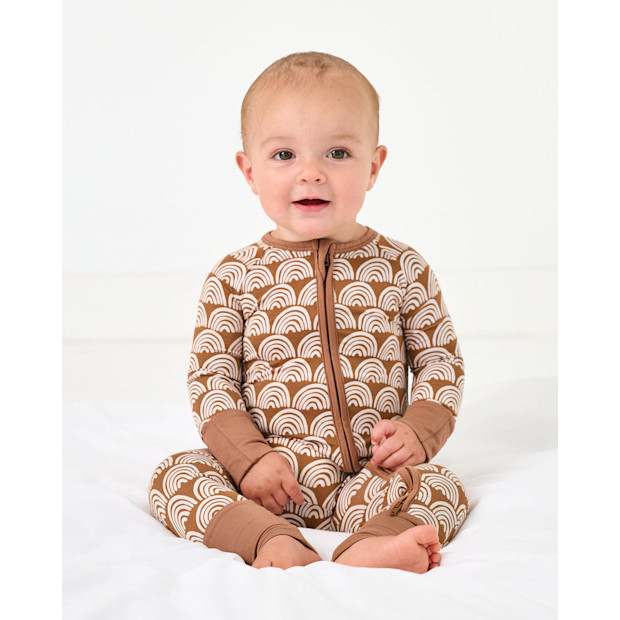
Little Sleepies
Rust Rainbows Zippy

Dr Teal's
Kids 3-in-1 Sleep Bath: Bubble Bath, Body Wash & Shampoo ...
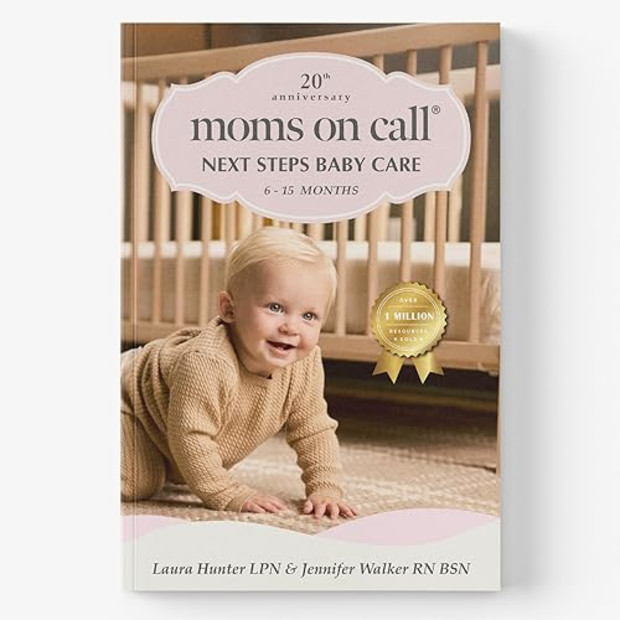
Moms on Call: Next Steps Baby Care 6-15 Months
Expert Sources
Babylist content uses high-quality subject matter experts to provide accurate and reliable information to our users. Sources for this story include:
Amanda DeLuca, pediatric sleep consultant and founder of Riley
Dr. Gabriella Dauer, pediatrician and author of Beyond the Basics: A Pediatrician's Newborn Guide

;)
;)
;)
;)
;)
;)