
Your 30-Week-Old Baby
Baby’s first words are months away, so you might consider using baby sign language to help them communicate.

By
Your baby has been communicating with you in their own way since their first cry, but as they get older, you might notice them getting more frustrated with their limited communication skills. Baby’s first (spoken) words are likely still a few months away, but that doesn’t mean they don’t have a lot to say already.
That’s why this is a great time to introduce another form of early communication: baby sign language. This week, Dr. Chris Klunk, a board-certified neonatologist with Pediatrix Medical Group, explains how sign language can support baby’s language development (and reduce frustration for everyone involved).
🚼 Baby’s Development
Baby Sign Language
You might’ve heard about babies using sign language in theory, but experts say it really can help bridge the gap between what they want to say and what they’re physically capable of saying. “I still vividly remember watching the frustration build on our first daughter’s face as she realized she wanted something but didn’t have a way to express it,” Dr. Klunk says of his own personal experience with teaching baby sign language. “And the enthusiasm that she tackled using her signs with when she realized it could get her what she wanted.”
Right now can be a great time to start, especially since your baby is sitting up independently and working hard on their hand-eye coordination. But it’s also fine if you’ve already started, or if you want to wait a little longer. “Teaching can start anytime,” Dr. Klunk says, “but know that even if starting at six or seven months of age you may not see your baby communicate with those signs until closer to eight or nine months old.” In other words, patience (both on your end and baby’s) is important, and progress might take a little time.
Rather than turning it into a formal lesson, Dr. Klunk recommends keeping sign language practice simple and natural. “Don’t stress and don’t give up,” he says. “Just perform the sign as you are doing the thing you would be doing anyway.” For example, sign “milk” while offering a bottle, “eat” during mealtime or “more” if you give your baby a second helping. That’s the kind of daily repetition that can help baby make the connection without putting pressure on them to learn quickly.
And keep in mind that some signs tend to be more immediately useful than others. Dr. Klunk suggests starting with signs that meet basic needs or reduce daily frustration, including:
Milk
Eat
More
All done
Sleep/tired
Diaper
Mama
Dada
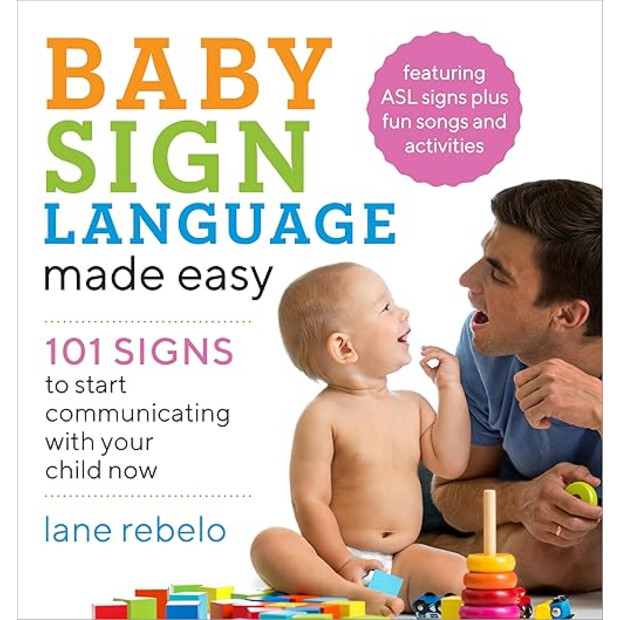
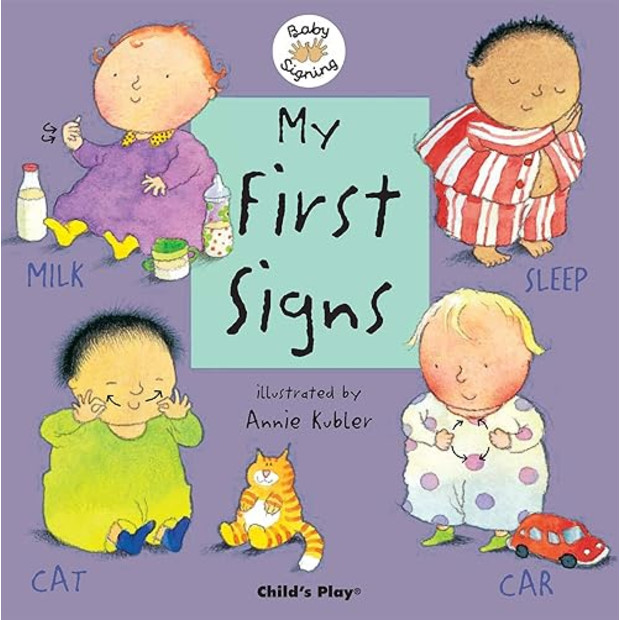
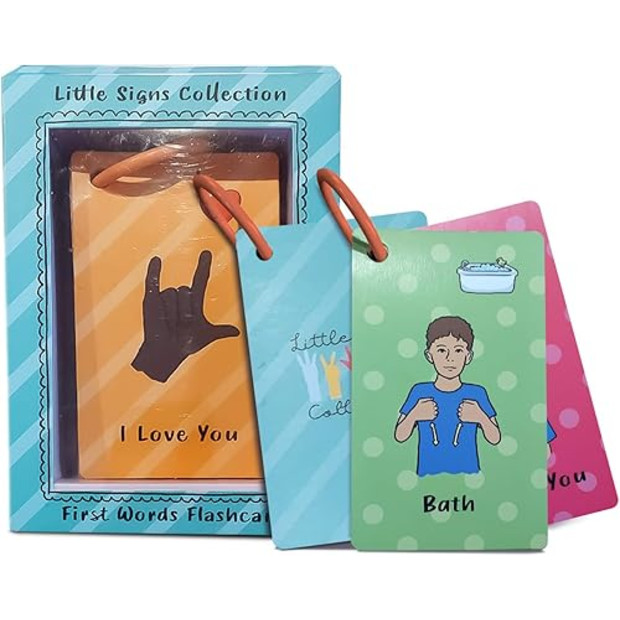
Looking for a place to learn signs? Babysignlanguage.com is a great free resource with signing diagrams, videos, printable charts and even a full dictionary of all the signs babies and toddlers need to help them communicate.
👀 Looking Ahead
Separation anxiety: A little preparation can help your baby get used to new routines and caregivers, making the transition smooth and stress-free (and give you a little time back to yourself).
🛍️ Panic Order



Expert Sources
Babylist content uses high-quality subject matter experts to provide accurate and reliable information to our users. Sources for this story include:
Dr. Chris Klunk, board-certified neonatologist at Pediatrix Medical Group

;)
;)
;)
;)
;)
;)