
Your 31-Week-Old Baby
Clingy baby? Dramatic goodbyes? Separation anxiety is real—for both baby and you.

By
By week 31, you might notice that your baby has gotten much more opinionated about where you are at all times. If they’ve had a sudden spike in clinginess, tears or protests when you step away (even just into another room), you’re not imagining it: separation anxiety often ramps up right around this stage.
To help you understand what’s normal, what’s temporary and when it’s worth a closer look, we spoke with Laura Todd, a licensed therapist specializing in infant, early childhood and perinatal mental health and the founder of Early Bonds Therapy, about what’s happening in your baby’s brain—and how to support both baby and yourself through it.
🚼 Baby’s Development
Separation Anxiety
If your little social butterfly suddenly acts like you’ve committed the ultimate betrayal by leaving their line of sight, welcome to separation anxiety: potentially one of the most emotionally stressful milestones of the first year. (But don’t worry, it doesn’t last forever.)
Separation anxiety can start as early as six or seven months, and it often peaks right around baby’s first birthday. But it may show up earlier or later depending on your baby’s unique temperament and the timing of major disruptions to their routine, like a parent going back to work or a new caregiver coming into the picture.
Why does it happen in the first place? Separation anxiety is tied to a major cognitive leap, according to Todd. “At this stage, infants are just beginning to learn object permanence, the ability to understand that an object still exists even when it is out of sight, including mom and dad," Todd says. In other words: baby can now fully register that you’ve left, and more importantly, that you’ve left them behind—and they have big feelings about that.
And as stressful as it can be to know that your baby is upset, it can help to know that it’s completely normal and even expected at this age. Todd says it’s typical to see increased clinginess, intense crying or screaming when parents leave and a general aversion to unfamiliar people. You might see these behaviors most often when you leave for work, drop baby off with a caregiver, hand them to a well-meaning relative or put them down at bedtime. Even a quick bathroom break can be met with dramatic protest. Again, totally normal.
But there are some signs that your baby may be struggling more than expected. Todd says that parents should keep an eye out for these concerning behaviors:
Extreme crying or screaming that can’t be calmed
Refusing to interact with even familiar people
Impacts to baby’s health caused by extreme sleep disruptions or feeding disruptions
These patterns don’t automatically mean something is wrong, but they’re worth bringing up with your pediatrician, especially if they don’t get better within a couple weeks or interfere with the family’s daily functioning.
The good news is that separation anxiety is actually a sign of healthy attachment. It means your baby’s developing the cognitive skills to know that you’re their safe space and that you continue to exist even when you’re not right in front of them. While this phase can be exhausting, keep in mind that it’s also temporary, and there are ways to make goodbyes easier:
Practice “warm-up time” with new caregivers. Let baby get comfortable while you’re still in the room before you step out. Some daycares even offer “trial periods” of only one or two hours a couple days per week to let baby get acclimated before they start attending full-time.
Make goodbyes quick. Your mood influences baby’s mood, so long, drawn-out goodbyes or sneaking away have the potential to increase anxiety. Instead, a quick, upbeat exit helps baby learn that leaving isn’t something to be upset over.
Keep a consistent routine. Predictability helps baby feel safe, even when you’re not around. Don’t cancel a new caregiver or stop taking baby to daycare just because the first few introductions are rough. Sticking to it will help baby learn that this is a new normal in their daily life. And when you are around, keep the rest of their routine consistent, too.
Build tolerance with small separations. As long as your baby is in a safe space, it’s fine to walk into another room for a few minutes and then return. That gives baby repeated proof that you will, in fact, come back.
💗 You, 8 Months After Baby
Separation anxiety isn’t just hard on baby—it can be hard on you, too. It’s normal to feel guilty or frustrated when your baby cries the second you step away. But Todd emphasizes that this reaction isn’t about you doing something wrong, it’s about your baby’s development and their natural sense of attachment.
“When handling separation anxiety, it’s important to have a consistent and quick routine and ritual around saying goodbye,” Todd says. That could look like a hug, a kiss and a simple goodbye (or goodnight at bedtime). “Staying calm is also key,” she says. “Your baby will feed off of your own emotional state.”
A drawn-out goodbye might help you feel better in the moment, but appearing regretful, apologetic or anxious about the situation only teaches your baby that they should be anxious too. It’s certainly okay to feel those things—just try to hold it together until you’ve left, that way baby stays confident that everything is normal.
This stage can also coincide with something parents deeply need: time to themselves. Separation anxiety can make things like trying a new gym class or even taking a solo walk feel more complicated. If you notice yourself avoiding hobbies, socializing or brief breaks because baby’s clinginess feels unbearable, you’re not alone. It’s common for separation anxiety to have a bigger impact on parents’ overall emotional health than babies’, but Todd recommends keeping it in perspective. “If you struggle with anxiety or guilt over your baby's response, remind yourself that this is a temporary developmental period,” she says. “If bigger separations are hard for you, try practicing smaller or shorter separations to help make it easier for both you and your baby."
Another helpful reminder: your baby can be upset and still be okay. Learning to tolerate brief separation and small moments of negative feelings is all part of building baby’s resilience, and taking care of yourself is part of taking care of your family. You deserve breaks, support and moments that are just yours. And yes, your baby will still love you after you leave the room.
👀 Looking Ahead
Eye color: Still trying to figure out baby’s real eye color? You might’ve noticed some changes in shade recently, but permanent color is still a little ways off.
🛍️ Panic Order
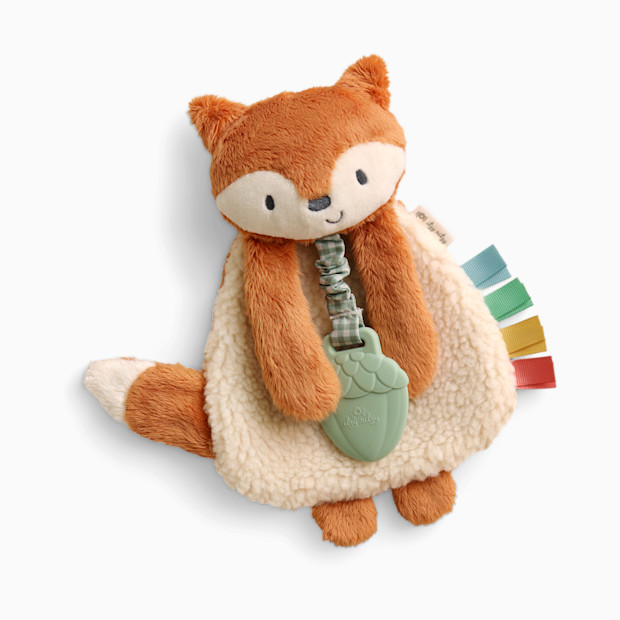
Itzy Ritzy
Lovey
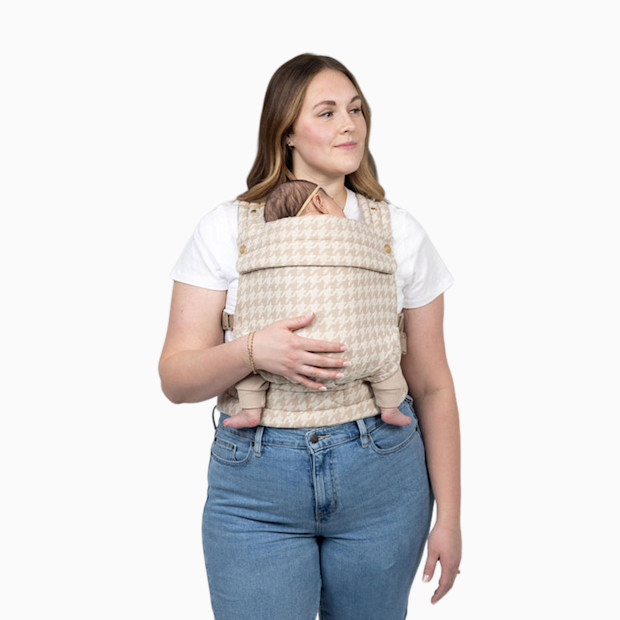
MABĒ
The Monarch Baby Buckle Carrier
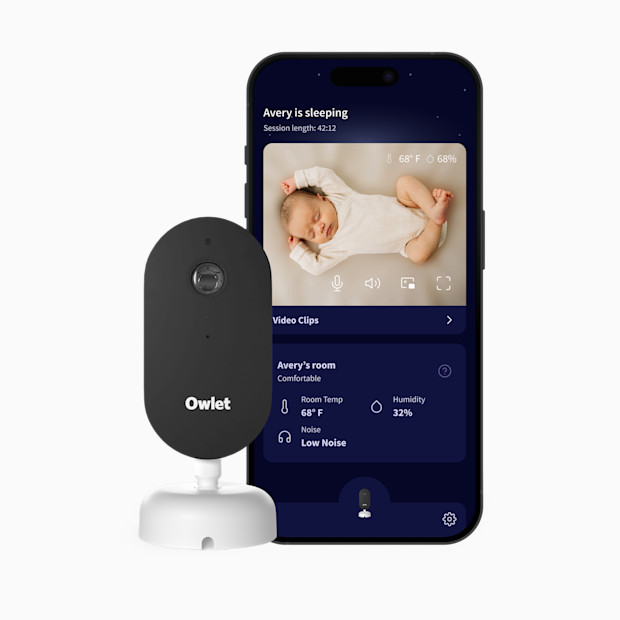
Owlet
Dream Sight (Gen 3) Smart 2K HD Video Baby Monitor
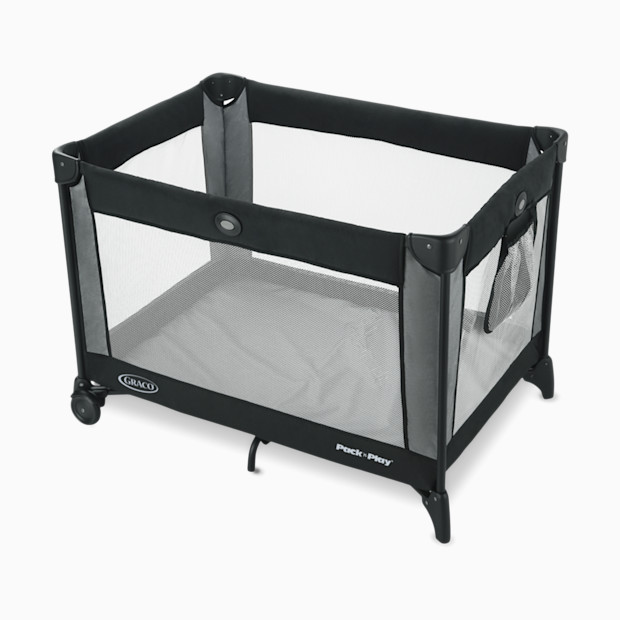
Graco
Pack 'n Play Portable Playard
Expert Sources
Babylist content uses high-quality subject matter experts to provide accurate and reliable information to our users. Sources for this story include:
Laura Todd, Licensed Professional Clinical Counselor (LPCC), Infant and Early Childhood Mental Health Specialist (IECMHS), Perinatal Mental Health Certified (PMH-C), founder of Early Bonds Therapy

;)
;)
 Smart 2K HD Video Baby Monitor","url":"https://www.babylist.com/gp/owlet-dream-sight-gen-3-smart-2k-hd-video-baby-monitor/75593/2602724","source":"hello_baby"});)
;)