
Your 21-Week-Old Baby
Peek-a-boo! Your baby’s brain is growing fast, so get ready for new visual skills, sharper focus and the first signs of memory.

By
Got a baby who’s suddenly much more interested in the world around them? Around five months, babies begin to see their world in a whole new way—literally. As your little one’s vision continues to develop, so does their depth perception, meaning they can see things farther away and even reach out for objects with better accuracy.
But it’s not just their eyesight that’s sharpening. Baby’s cognitive development is (finally) reaching the point where they understand object permanence: that things still exist even when they’re out of sight. Which means this is a prime time for getting obsessed with playing peek-a-boo.
We talked with pediatrician Dr. Gabriella Dauer, author of Beyond the Basics: A Pediatrician’s Newborn Guide, and Dr. Chris Klunk, a board-certified neonatologist with Pediatrix Medical Group, about how these exciting milestones shape your baby’s growing mind and what you can do to support their development. From high-contrast toys to peek-a-boo play, here’s how to nurture your baby’s blossoming perception and curiosity this week.
🚼 Baby’s Development
Depth perception
Your baby’s vision has been developing steadily since before they were born, and now it’s time for the next milestone. Around this age, one of the biggest leaps is their ability to see in three dimensions and judge how far away things are. You might notice them reaching and grabbing more accurately for toys or focusing intently on faces and objects across the room.
To help encourage your baby’s improving eyesight, Dr. Dauer suggests bringing those high-contrast toys and images back that you used in the early newborn weeks. “A variety of black and white toys can really interest a baby developing depth perception,” she says.
Even if you’ve since moved on to color images, black and white (especially with interesting patterns) can still capture baby’s attention. “Try having them reach for toys at different distances from their body or simply smile and wave from across the room,” Dr. Klunk says. “It gives them a chance to focus on something interesting far away.” See how far they can maintain focus on those objects to help their eyes work together to gauge distance.
Object permanence
Around now, your baby is also beginning to understand an exciting new concept: object permanence. This is the idea that things (and people) still exist even when baby can’t see them. Between four and seven months, babies start to realize that when you hide a toy or leave the room, you haven’t disappeared forever (phew!).
Not sure if your baby understands this concept yet? “A good game of hide and seek with a toy or playing peek-a-boo can uncover this new skill,” Dr. Dauer says. Dr. Klunk agrees; he suggests simple games like “drop a toy on the ground and see if they try to find it. Play peek-a-boo and notice if they look around your hands to find your face. Hide a toy behind your back or under something and see if they look where it went or try to indicate they want it back.” All of these easy activities will help boost baby’s cognitive development and emotional security. Not to mention they’re a lot of fun for both of you!
And remember that every baby develops at their own pace, so don’t stress if your little one is still working on this skill. “It’s never wrong to ask your pediatrician if you’re worried,” Dr. Klunk says. Friends and family can unintentionally create anxiety, especially if they’re comparing your baby’s development with someone else’s, he says, so “try not to lose sleep until you’ve spoken to a professional.”
If you ever have concerns about how your baby is progressing, support is available, including from pediatric occupational therapists, physical therapists and even visual therapists, Dr. Dauer says. “The moment you feel your kiddo is behind, it’s time for an evaluation and therapy.”
Another thing to keep in mind: If your baby loves peek-a-boo games but still cries when you leave the room, that could be separation anxiety rather than underdeveloped object permanence. Separation anxiety usually starts to develop between six and eight months (we’ll talk about it more in a few weeks), but it’s not unheard of for a five-month-old to experience the earliest stages.
💡 Try This with Baby: Games for Object Permanence
Peek-a-boo: This classic never fails! Cover your face with your hands or a burp cloth, then pop out with a big smile. Eventually, your baby will start to anticipate the “reveal,” showing they’re connecting the dots between what’s visible and what’s not.
Hide-and-seek with toys: Place a toy under a blanket or towel. At first, leave a bit peeking out to give your baby a clue. As they get the hang of it, hide it completely and encourage them to lift the cover themselves. This game also works with hiding a toy behind your back; show the toy to baby first, then quickly place it behind you and show baby your empty hands. See if baby tries to look behind you to find the toy.
Drop and discover: Gently drop a soft toy beside your baby during playtime and see if they look for it. This helps with both object permanence and visual tracking skills, too.
Games aren’t just for bonding and encouraging baby’s development, Dr. Klunk says. “[They] also allow you track their development and see if they can do what your pediatrician has said they should be doing.” So play games, but also take notes. That way you’re prepared for baby’s next checkup.
❓ Weekly How-To: Encourage Independent Play
As your baby gets a little bigger and becomes more aware of their surroundings, try short bursts of independent play. Set up a safe space (this is where a playard or corral really come in handy) with a few toys like soft blocks, rattles, stuffies or books, and let them explore while you stay nearby (without hovering). It helps baby build their confidence and curiosity, both essential for near future and lifelong development.
👀 Looking Ahead
Babyproofing: Crawling may be a couple months away still, but your baby’s improved motor skills and curiosity mean that now is a good time to start scanning your home from their perspective.
🛍️ Panic Order
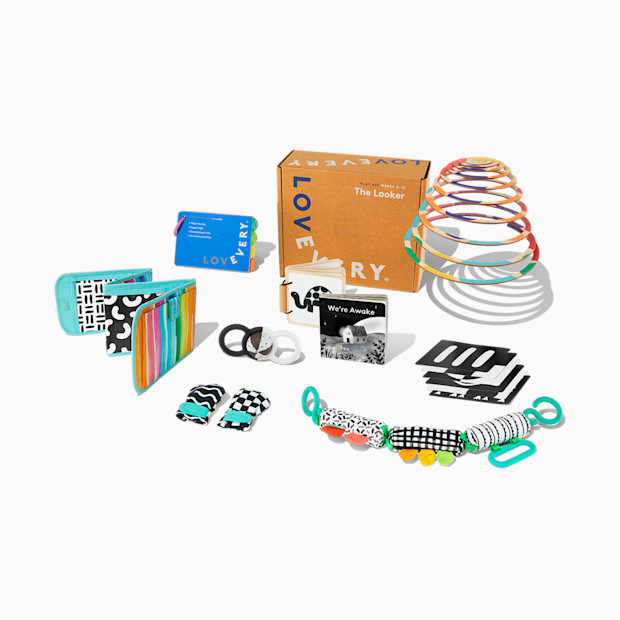
Lovevery
The Looker Play Kit with Bonus Book 'We're Awake'
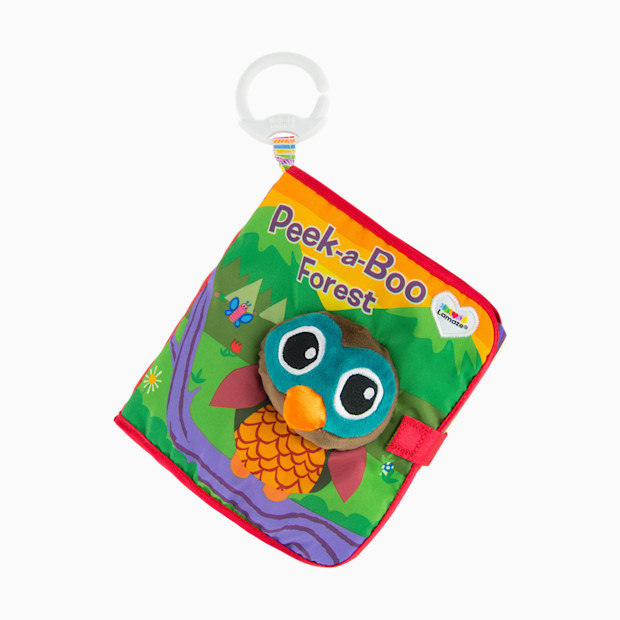
Lamaze
Peek-a-Boo Forest Cloth Book
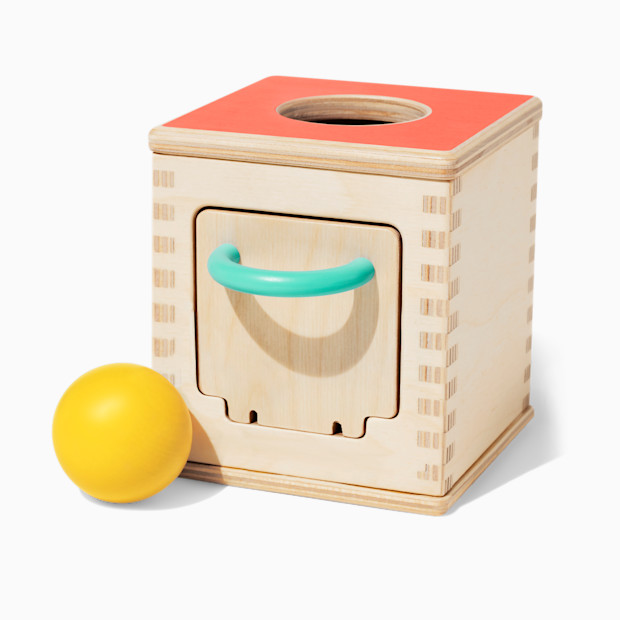
Lovevery
Hide & Find Drop Box, Baby Toy
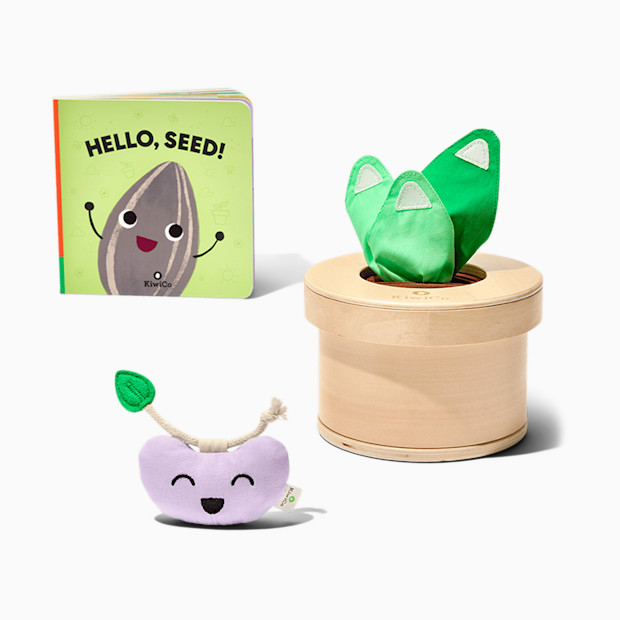
KiwiCo
Growing Seeds Tissue Box Toy
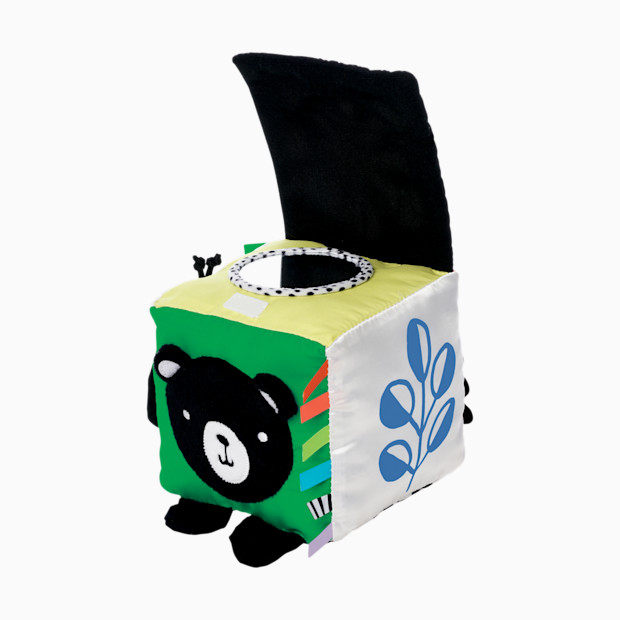
Manhattan Toy
Wimmer-Ferguson Learning Activity Cube

Battat
Pop-Up Pals
Expert Sources
Babylist content uses high-quality subject matter experts to provide accurate and reliable information to our users. Sources for this story include:
Dr. Gabriella Dauer, pediatrician and author of Beyond the Basics: A Pediatrician's Newborn Guide
Dr. Chris Klunk, board-certified neonatologist at Pediatrix Medical Group

;)
;)
;)
;)
;)