
Ready, Set, Eat! How to Start Solids with Your Baby
The transition from bottles to broccoli doesn’t have to be scary—this guide helps.

By
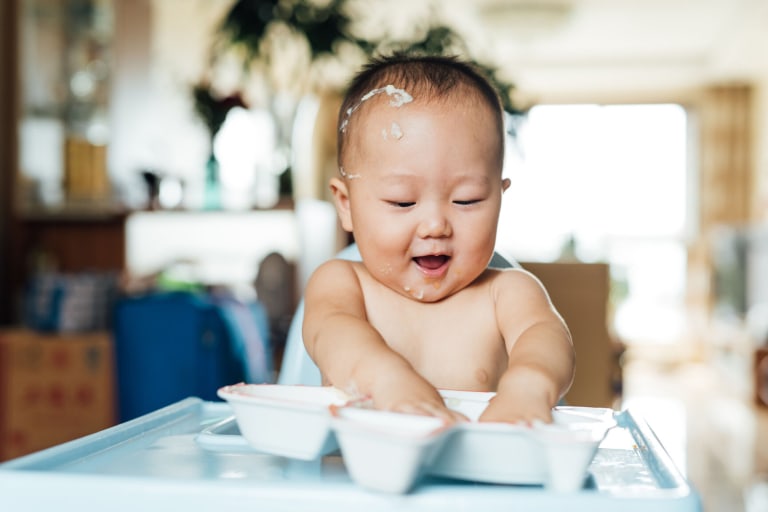
Starting solids with your baby is going to happen faster than you may think. While it’s probably one of the most fun milestones over baby’s first year, it’s also one of the messiest! There’s quite a bit to consider before starting.
From knowing when babies can start eating solids to figuring out the best first foods, high chair, spoon and more, it’s easy to get overloaded with information and decisions. We talked to Jenny Best, founder of Solid Starts, to answer some of the most common questions when it comes to starting solids with your baby and help you figure out the best gear to get to make the transition safely and as easy as possible.
When to Start Solids
There are two main things to consider before you introduce your baby to solids: age and signs of readiness.
Age. Most babies are ready to begin eating food, other than formula or breast milk, around six months. While experts previously recommended starting as early as four months, the guidance has shifted to six months over the last several years.
Signs of readiness. In addition to baby’s age, there are also a few signs to look out for that can give you a clue your baby is ready for their first food meal:
Can sit up with minimal support
Able to hold their head up strong and steady
Reaching out and grabbing objects (and also putting them in their mouths)
Trying to sample your food (aka showing interest in eating)
According to the American Academy of Pediatrics (AAP), breast milk or formula should be the sole source of nutrition for your baby for the first six months, and once you introduce solids, it should remain the primary source of nutrition until they turn one. With that in mind, one of the most helpful things to remember as you begin this journey is that introducing solids before your baby turns one should be low-pressure and focused more on exploring new tastes and textures than on actual eating.
It’s also a good idea to check in with your pediatrician prior to starting solids to get the go-ahead and talk through any questions or concerns you may have.
Purees vs Baby-Led Weaning
Before you decide what to give baby, you’ll want to consider whether you want to start with purees or whole foods prepared in age-appropriate ways—also known as baby-led weaning.
Purees are a popular choice among parents for baby’s first foray into eating “real” food. They’re easy to make or buy premade, and many parents feel more comfortable starting with them.
Another method is baby-led weaning, where you give your baby whole foods that are cooked and prepared with age—and safety—in mind. A great example of this is steamed broccoli florets.
There’s no right or wrong way to start solids, and a lot of parents find doing a combination of both works for their families, too. (And be sure to check out our guide on baby-led weaning if that sounds like a method you’d be interested in for more info and tips!)
What foods should baby start with?
Baby cereals have traditionally been the first food parents introduce to their babies. And while there’s nothing wrong with this, (it’s a great source of iron, especially for breastfed babies who are at a greater risk of iron deficiency), many parents choose to skip baby cereal for several reasons, including nutritional and developmental reasons, and also simply personal preference.
When choosing what to introduce to your new eater, Best recommends focusing on foods that are nutrient-dense and offer iron, protein and fat.
Here are a few great first foods that are nutrient-dense and easy to prepare:
Avocado: packed with healthy fats for brain development.
Sweet potato: high in vitamin A and fiber.
Banana: good source of potassium.
Full-fat plain yogurt: contains calcium, healthy fats and probiotics.
Lentils: packed with plant-based iron and protein.
Cooked carrots: contain beta carotene for vision and immune support.
There are also some foods to avoid. Babies under 12 months of age should never have honey (whether raw or cooked) due to the risk of infant botulism. They also shouldn’t drink cow’s milk on its own—although it’s fine to offer other dairy-based foods such as full-fat yogurt or cottage cheese. Steer clear of anything that’s not pasteurized, like raw milk and certain soft cheeses.
You also want to be mindful of choking hazards. Avoid foods that are hard or shaped in a way that could block baby’s airway. Things like whole grapes, raw carrots and apples, hot dogs and whole nuts and popcorn. It can feel a bit scary to offer your baby food for the first time, but familiarizing yourself with common choking hazards for babies and toddlers and taking a CPR class to be prepared just in case, can go a long way in boosting your confidence.
Lastly, limit the amount of added salt and sugar, although a bit of seasoning is ok! (It actually helps introduce them to different flavors—plus no one likes bland food).
A Note on Allergens
The AAP recommends introducing one food at a time (and doing so gradually over a few days) to give you a chance to notice any potential allergic reactions.
“Generally, unless your child is at a high risk for food allergies or your pediatric allergist or medical professional has advised otherwise, you can go ahead and introduce new foods at a pace that feels good to you,” Best says. The most common allergens include dairy, eggs, tree nuts, peanuts, soy, shellfish, fish and wheat.
As far as how to introduce them, here’s what the AAP and feeding experts like Best recommend:
Introduce one potential allergen at a time.
Start with small amounts and watch for reactions like hives, vomiting, swelling or breathing changes.
Consult your pediatrician if your baby is at high risk (i.e. they have severe eczema or a known egg allergy).
While you want to be mindful of introducing foods that are common allergens, you shouldn’t put it off. The guidance is to do so before baby turns one. “There's a growing body of evidence that the early (and often) exposure to common allergens like eggs and peanuts can actually help prevent those food allergies from developing altogether, especially if the child is at risk for food allergies,” says Best.
How to Introduce Your Baby to Solid Food
Now that you know when to start and what to feed them, here’s a simple, stress-free approach for how to actually feed your baby solid food.
Pick a good time of day. You’ll want to choose a time when your baby is in a good mood, well-rested and not too hungry. Many parents find that morning or lunchtime are a sweet spot.
Start with just one meal a day. We’re using the term “meal” very loosely here. Basically, you don’t need to jump straight into offering your baby breakfast, lunch and dinner. You can start with just a few spoonfuls or bites—it’s more about exposure than calories at this point. You can gradually increase as your baby becomes more comfortable eating—take cues from them.
Offer the food. If you’re doing purees, you can spoon-feed your baby or offer them a preloaded spoon (where you scoop a small bite and hand them the spoon). If you’re doing baby-led weaning, you can give them appropriately prepared food right on their high chair tray or in a bowl or plate.
Let them explore. Yes, it’ll be messy—but that’s the whole point! It’s all a part of learning, working their fine motor skills and getting used to different textures.
Once you’ve served your baby, watch out for cues that they’re finished or not interested. This can look like turning their head, keeping their mouth closed and also pushing the food away.
You want to keep mealtimes positive, which means following baby’s lead. Remember, this is just the start. Don’t expect them to eat much at first—though it’s totally okay if they do! And keep in mind you should continue giving them milk or formula as their primary food source at least until their first birthday.
What's the difference between choking and gagging?
One of the biggest fears parents have when starting solids is the risk of choking. But here’s some good news: gagging is common, normal and even protective. Most importantly, it’s not the same as choking.
Gagging is a normal part of learning to eat “real” food. And it actually helps prevent choking as a built-in protective reflex. Babies have a natural gag reflex that’s triggered closer to the front of the mouth early on, that moves farther back as they grow (which is why a tongue thrust is a sign they may not be ready for solids).
Gagging definitely looks dramatic, but it’s actually an innate safety measure as they learn how to manage food in their mouths. You can tell the baby is gagging—not choking—if they’re sputtering, coughing or making a gagging sound. It’s usually noisy and you may notice their faces turn red. As hard as it sounds, you’ll want to stay calm and let your baby figure it out. And you should never stick your fingers in their mouth to try and retrieve the food, as this can actually cause them to choke.
Choking on the other hand, is much more serious since this is when a piece of food is blocking the airway, making it harder or impossible to breathe. This is rare, especially when foods are prepared safely and baby is supervised, but it’s important to know the signs. The biggest difference is that it’s quiet, there’s no coughing or sounds and baby is silent. Their faces may turn gray or their lips may look blue. If you ever notice these signs, you’ll want to call 911 and start CPR immediately.
The best ways to prevent choking are:
Always supervise your baby while they’re eating.
Make sure food is appropriately and safely prepared for their age.
Avoid common choking hazards (mentioned above).
Make sure baby is secured in their high chair and sitting straight up.
The Best Products for Starting Solid Foods with Your Baby
Here’s the gear that you’ll need before you start your solid food journey.
A Safe High Chair
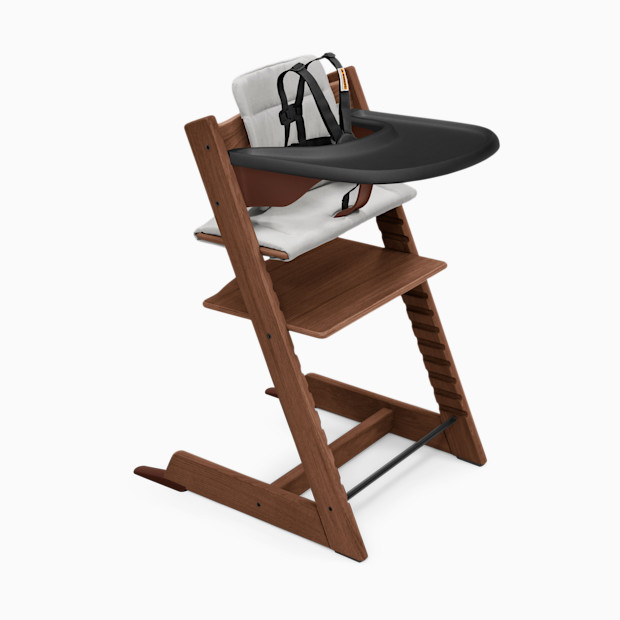
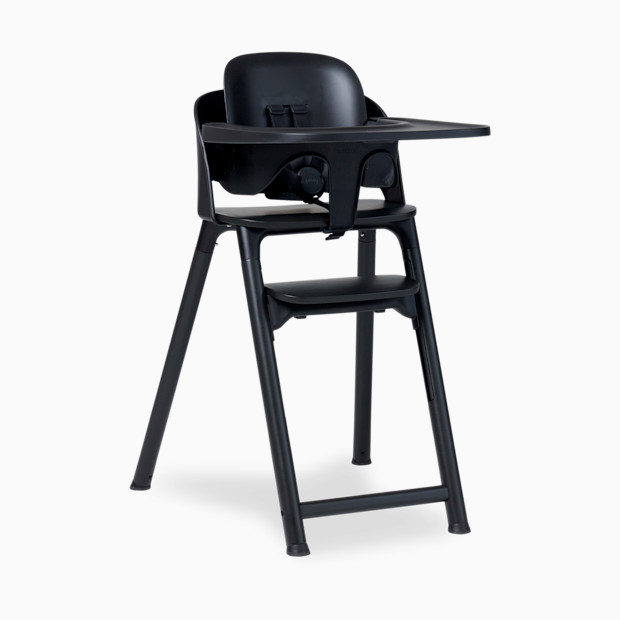
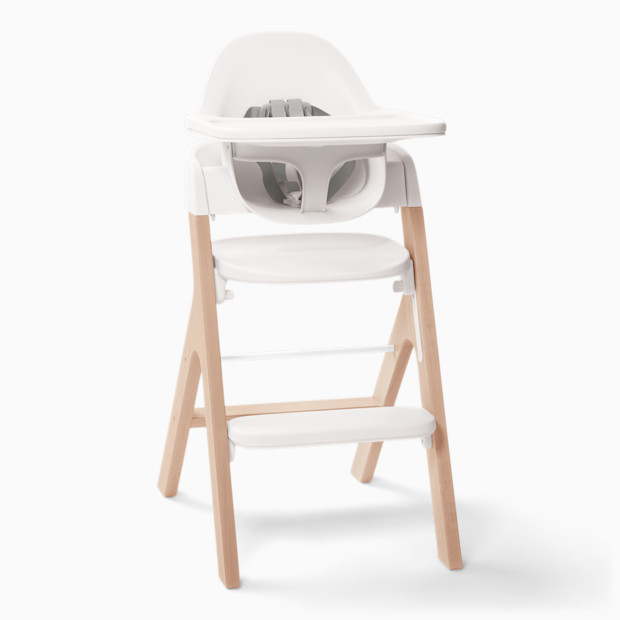
A safe spot for baby to sit during mealtime is a must-have. There are high chairs in what feels like countless sizes and styles to choose from, so you’ll need to do a little research first to figure out what works best for your space.
Speaking of which, if you’re short on space we also included some options that can easily fold up for stashing away, or take up no floor space at all! (Pro tip: the latter are also great for travel and trips to the grandparents’ house.)

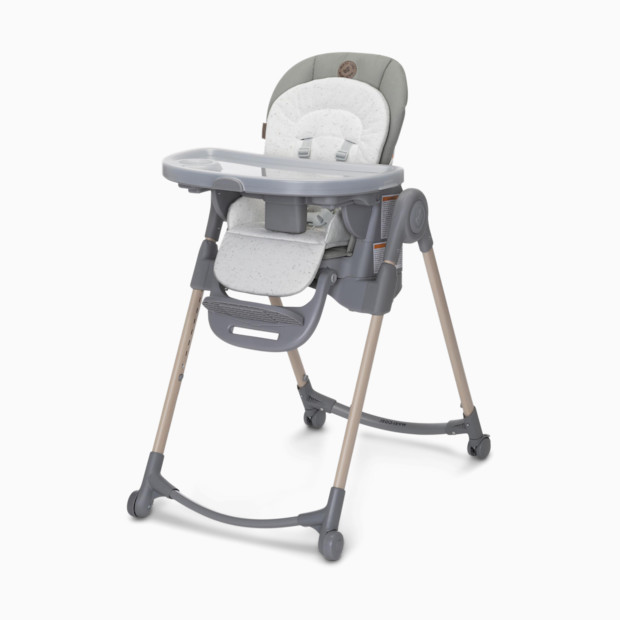
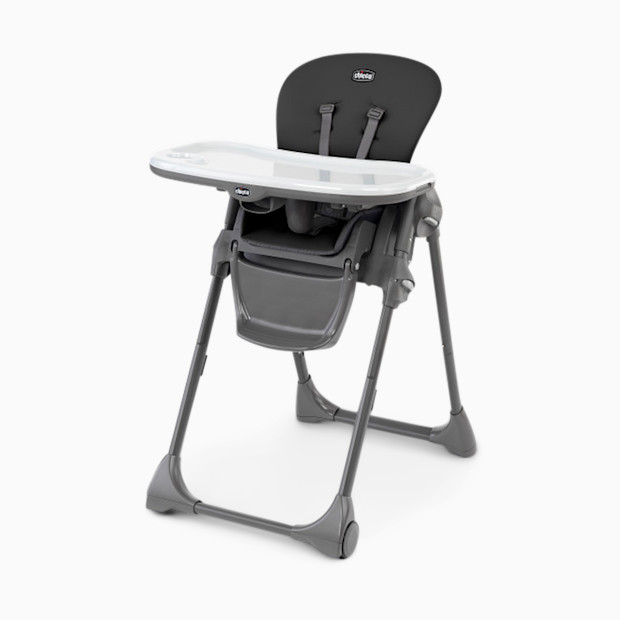
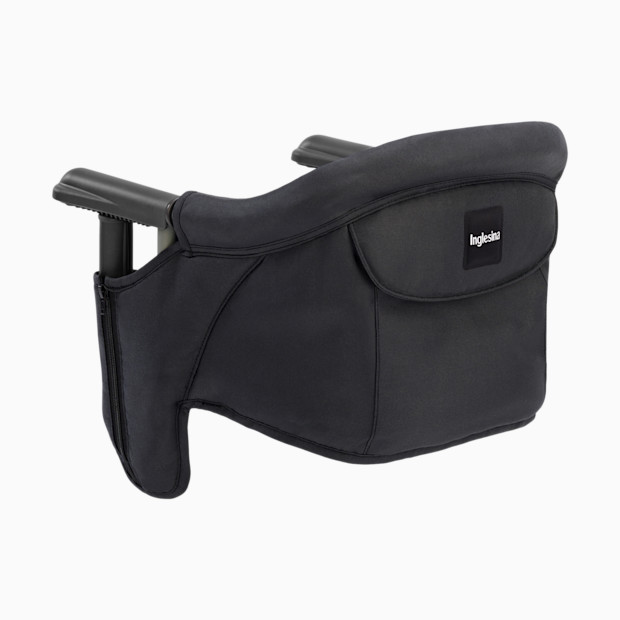
Bibs (aka “Food Catchers”)
Starting solids is a lot of things, but neat isn’t one of them. There are several items worth adding to your list that can help tame the mess. We recommend stocking up on a couple of wipeable, spill-proof bibs (like the silicone ones below).
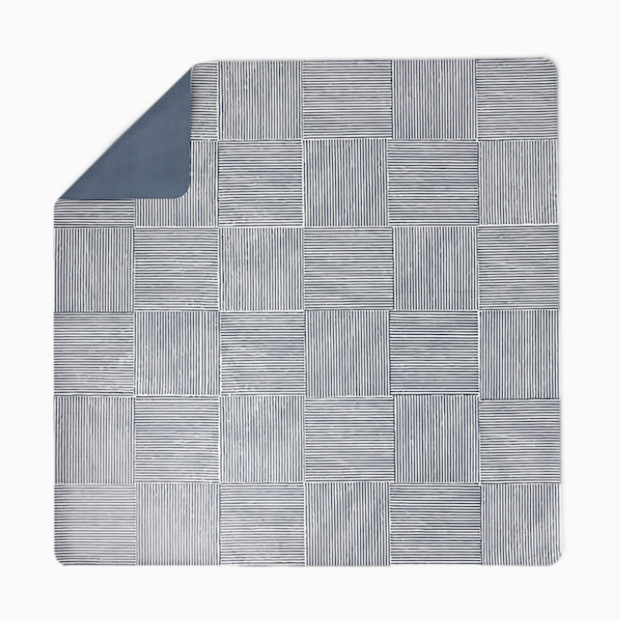
And although it’s not a must-have, many parents like the convenience of a mat for protecting the floor under their little one’s eating space.

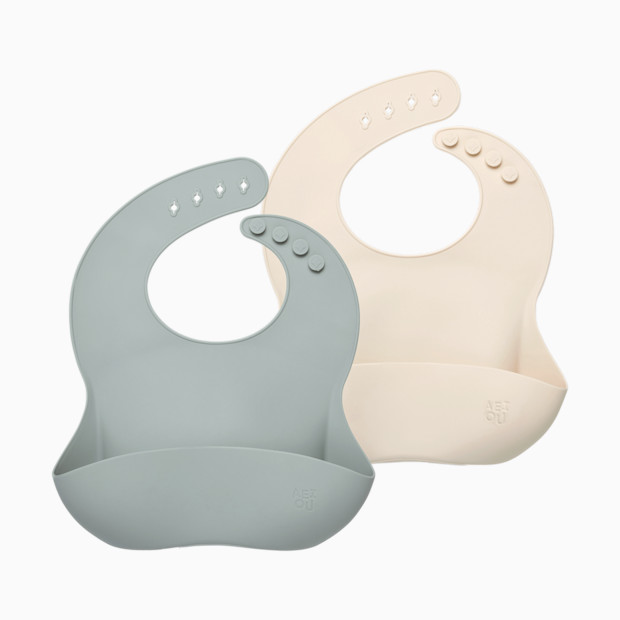


Utensils, Tableware and Cups
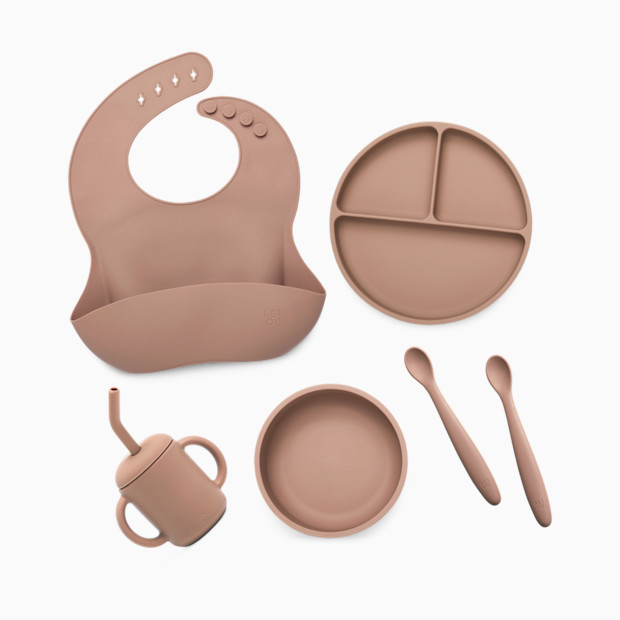
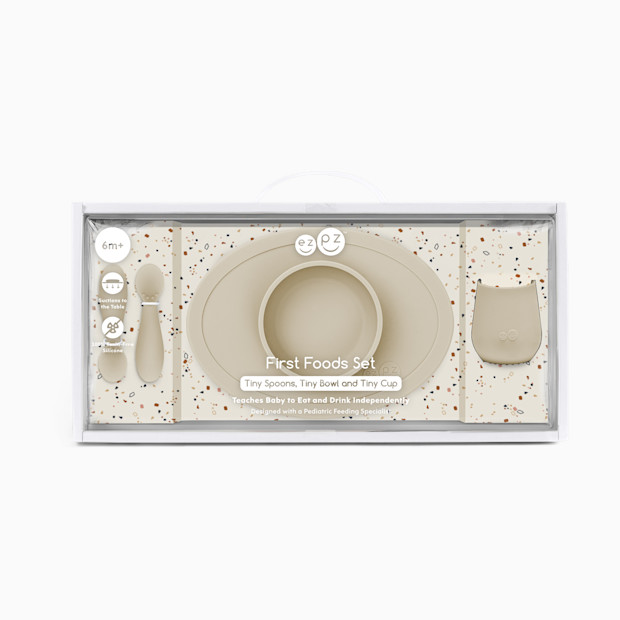
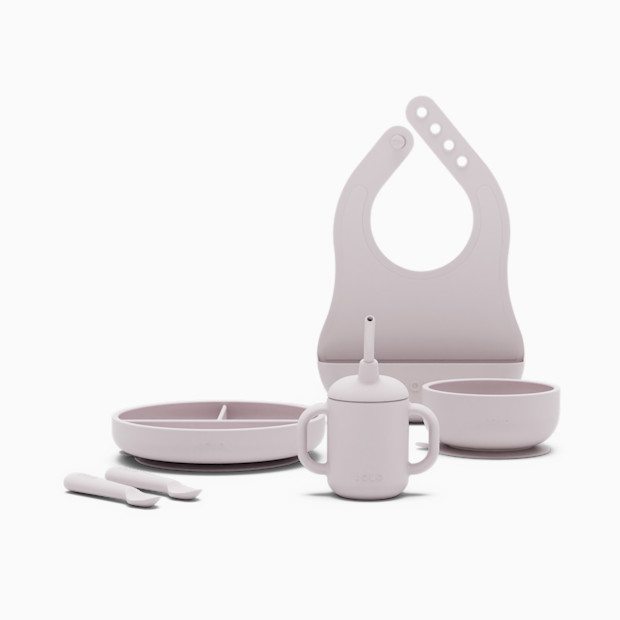
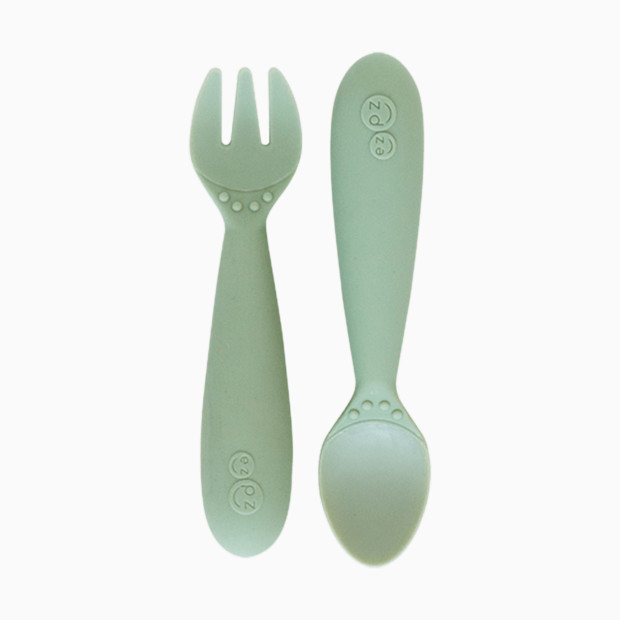
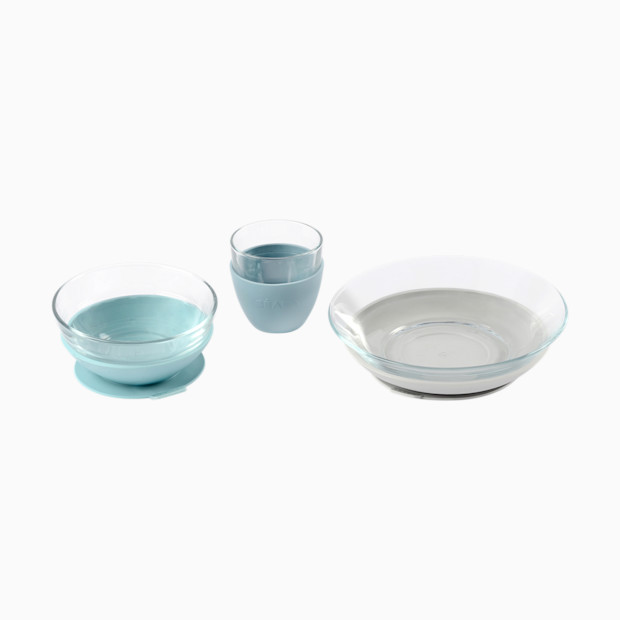
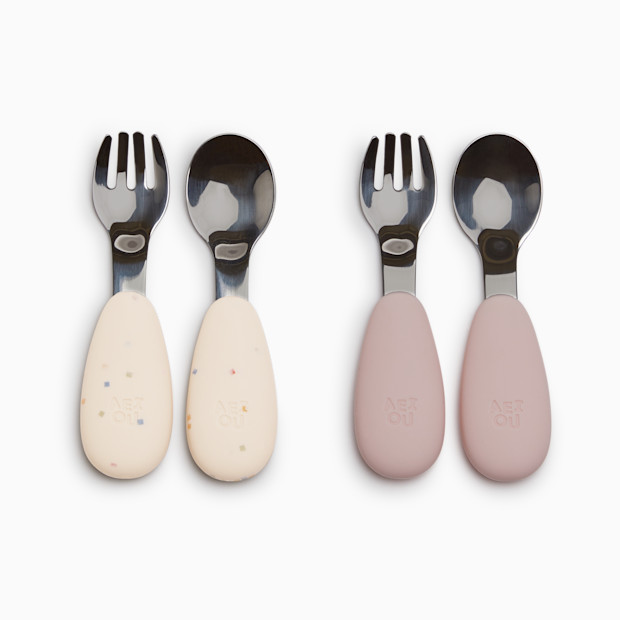
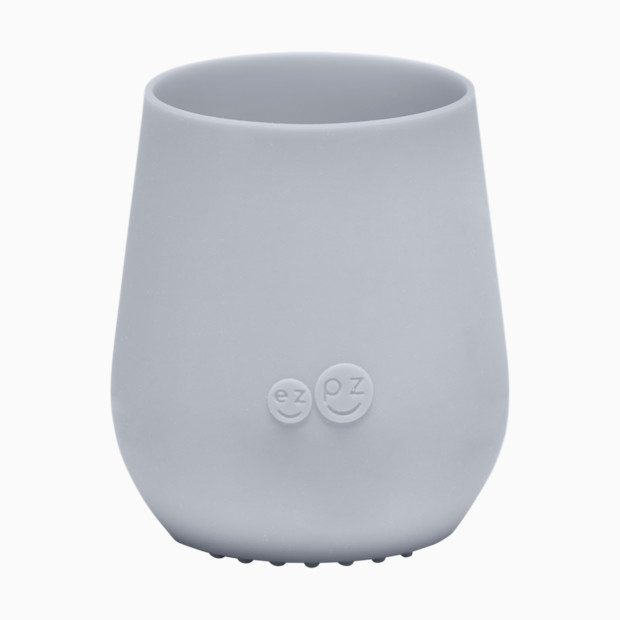
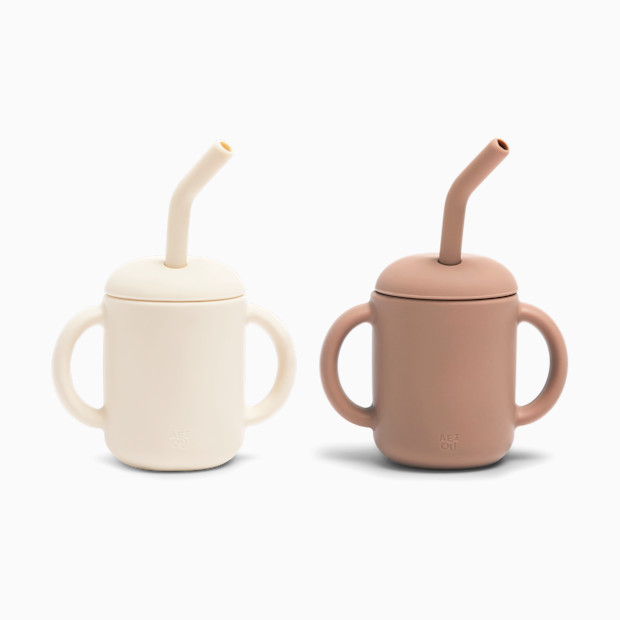
Most babies love to eat with their hands right off of a high chair tray, which is completely normal—and even encouraged, as it’s a great sensory activity. But don’t be afraid to also introduce feeding tools like utensils, tableware and a cup to help your little one become familiar with them and practice different self-feeding skills.
Purchasing an intro set with everything you need can be a cost-effective way to start, but there’s lots of options out there. Here are some of our favorite picks.

Food Prep Gadgets
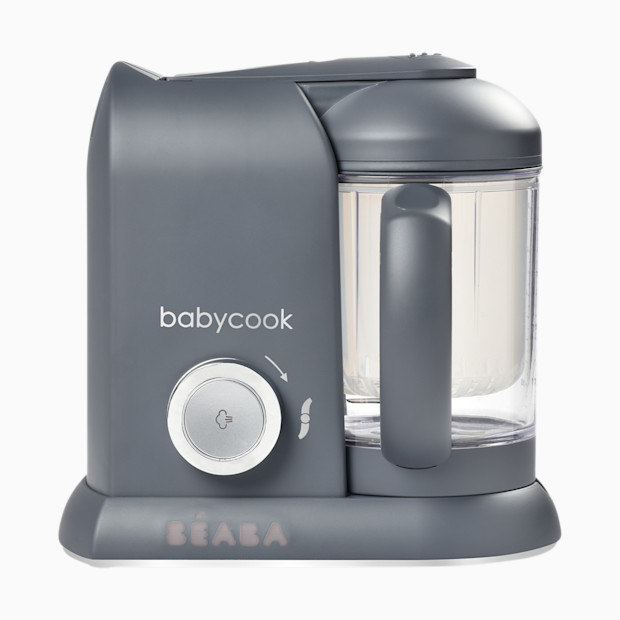
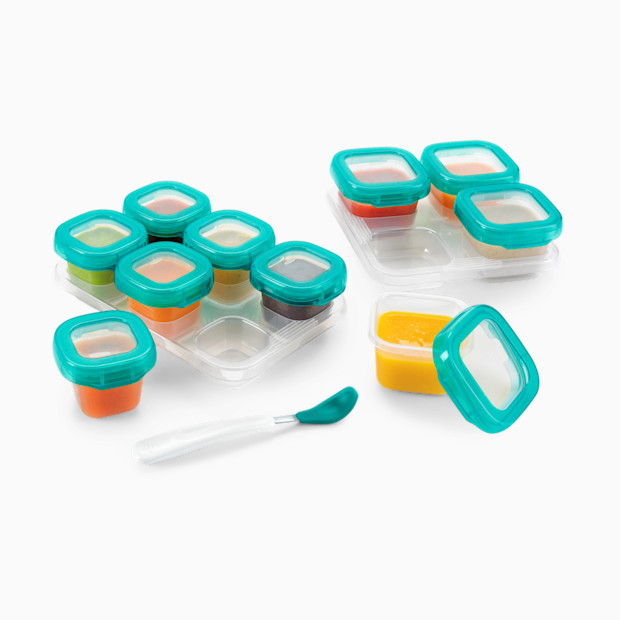
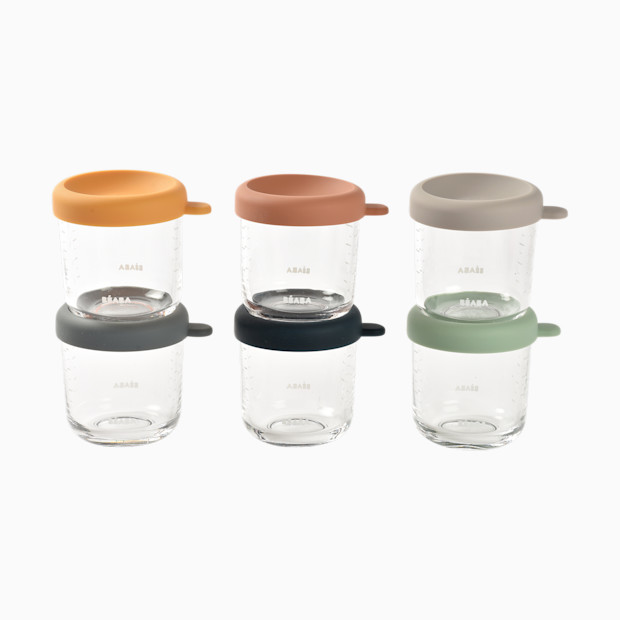
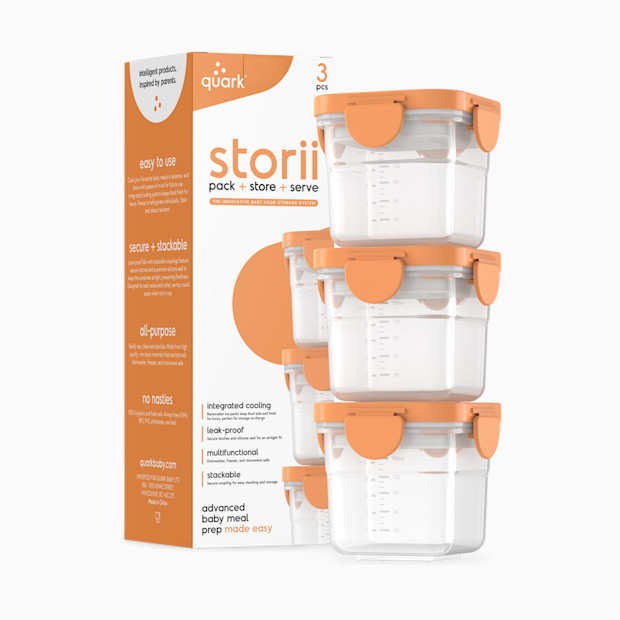
And now for the fun part—the food! If you’re planning on whipping up your own creations a baby food maker can be really helpful to have and save you some time and cleanup. Most of them are able to cook, steam and blend food. You’ll also want a few supplies to store all of that baby food—things like freezer trays and small airtight containers can keep things fresh.
The most important thing to remember is that food before one is mostly for fun—focus on exploration and learning. And embrace the mess!
Commonly Asked Questions About Starting Solids
Should I offer solids before or after milk or formula?
When your baby is first starting, milk should come first. You can try offering solids 30 to 60 minutes after a feeding, when baby is content (not too hungry or full). Your routine will shift as food becomes a bigger part of their diet.
How often should my baby eat solids?
Start with one “meal” a day, then slowly work up to two or three meals by around nine to 10 months. Let your baby’s interest and appetite guide you. They may want more some days and less on others.
Do I need to give water with meals?
Once you start solids, offering a few sips of water in an open cup or straw cup at mealtime can help baby practice drinking. And a bit of water is especially helpful if baby is eating more solids and fiber-rich foods like oatmeal or lentils.
What do I do if my baby refuses to eat?
Babies are naturally cautious with new experiences. If your baby doesn’t seem interested, keep mealtime positive and try again another day. Repeated exposure (sometimes 10–15 times) is key to helping them get used to new flavors and textures.
Expert Sources
Babylist uses high-quality subject matter experts to provide accurate and reliable information to our users. Sources for this story include:
Jenny Best, founder of Solid Starts, an educational platform (a team of feeding experts) that helps parents safely introduce solid foods to their babies through baby-led weaning.

;)
;)
;)
;)
;)
;)
;)
;)
 - Sage/Oat Milk","url":"https://www.babylist.com/gp/aeiou-bib-2-pack/25950/1225055","source":"hello_baby"});)
;)
;)
;)
;)
;)
;)
;)
;)
;)
 - Petal/Oat Speckle","url":"https://www.babylist.com/gp/aeiou-stainless-steel-utensils-4-pack/44322/1677190","source":"hello_baby"});)
;)
;)
;)
;)
;)
;)