
Baby & Toddler Toys That Encourage Solo Play (and Buy You a Few Minutes)
Need toys that keep little ones happily occupied while you do literally anything else? These parent-tested picks can help.

By
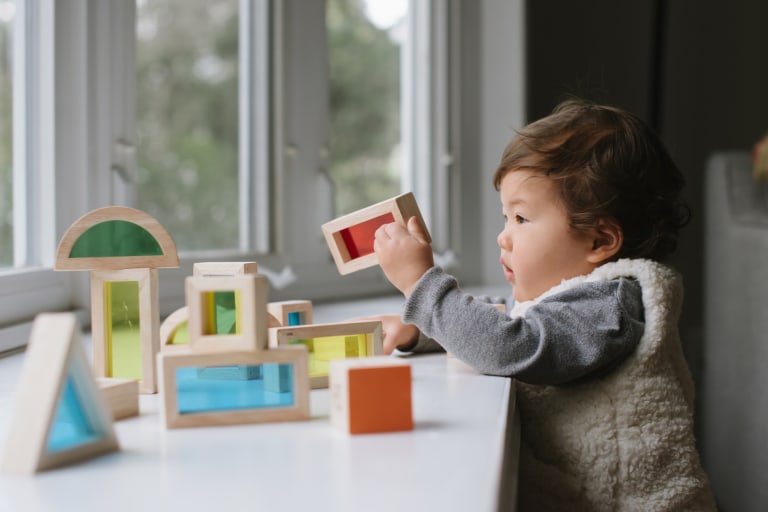
Let’s be real—babies love to be close and interact with their parents and caregivers. But sometimes, you just need a minute to take care of yourself or check something off your to-do list. That’s where toys that encourage solo play can really help.
We polled Babylist parents in our weekly newsletter to find out which toys keep their little ones busy for a few minutes of independent play, and got so many great suggestions—like anything sparkly, shiny, or that makes noise. Additionally, I was a preschool teacher in a past life, hold a degree in early childhood development, and am a mom of two. Both roles taught me a ton about how valuable the right toys can be for keeping your little one occupied. And one important thing to note: independent play isn’t the same as unsupervised play. While these toys may keep your little one busy, you'll still want to be close by.
These are some of our favorite toys to help support independent play for babies and toddlers.
For Babies
👀3-6 Months
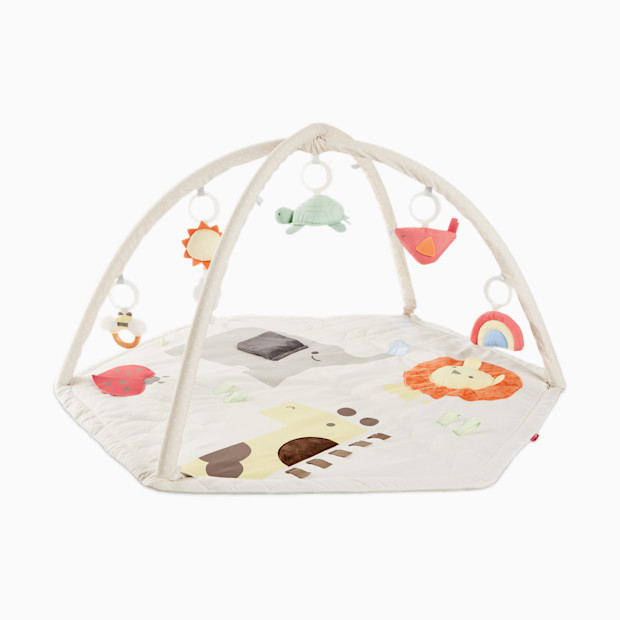
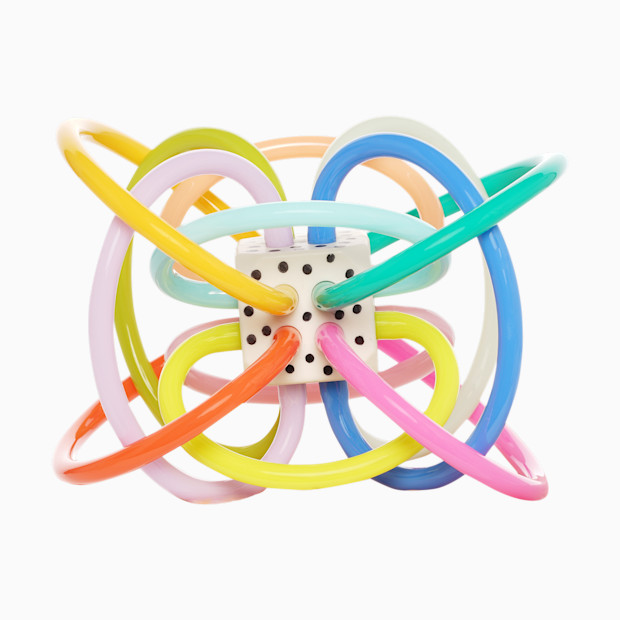
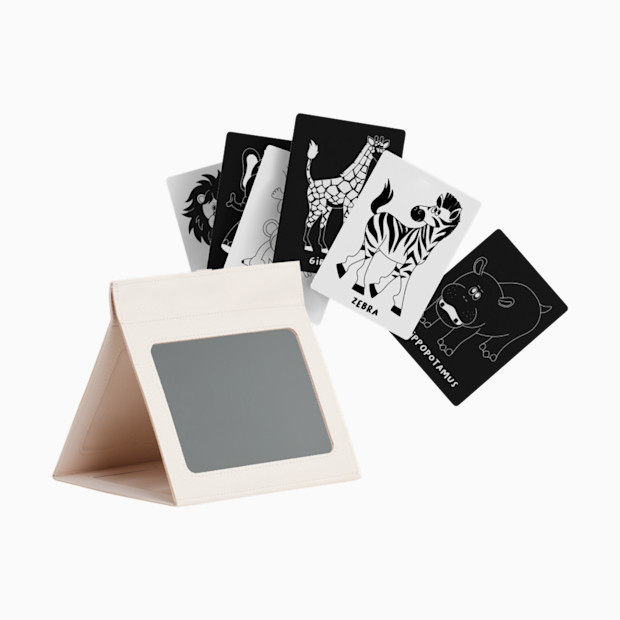
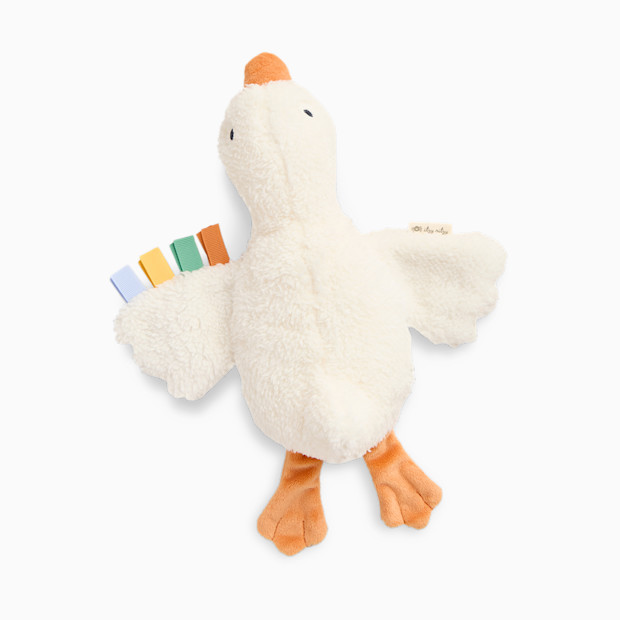
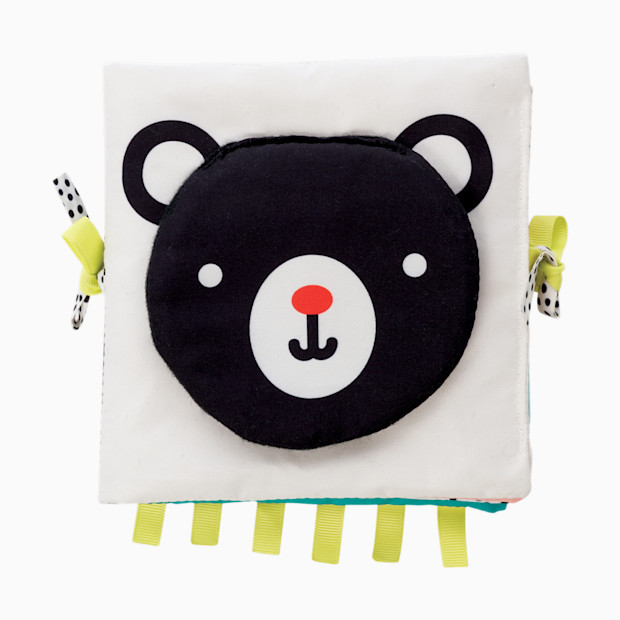
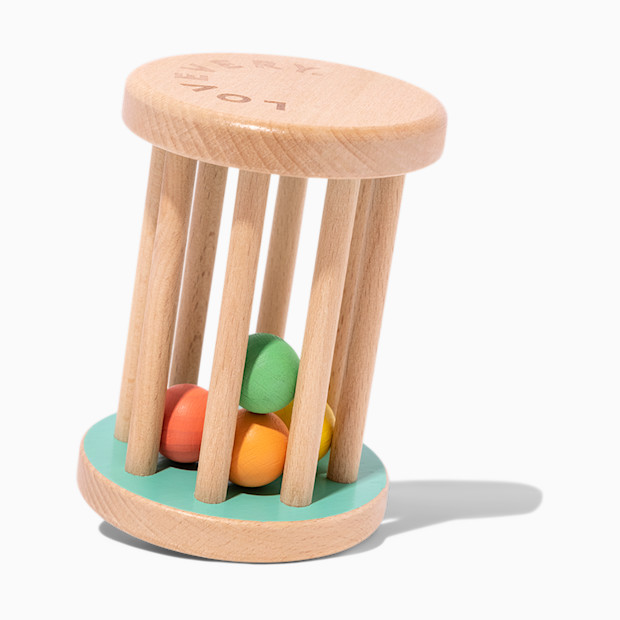
Independent play isn’t really happening yet, but early exploration starts here. Babies this age aren’t truly playing on their own, but they’re beginning to focus on objects, reach out and interact with their environment in small but exciting ways. Think high-contrast toys, play gyms and anything they can swat at or mouth while lying on their back or during tummy time.
What to look for:
-
High-contrast toys for visual engagement
-
Play gyms or floor mats for swatting, kicking and reaching
-
Soft toys or rattles that are safe to mouth and grab

🤹 6-9 Months
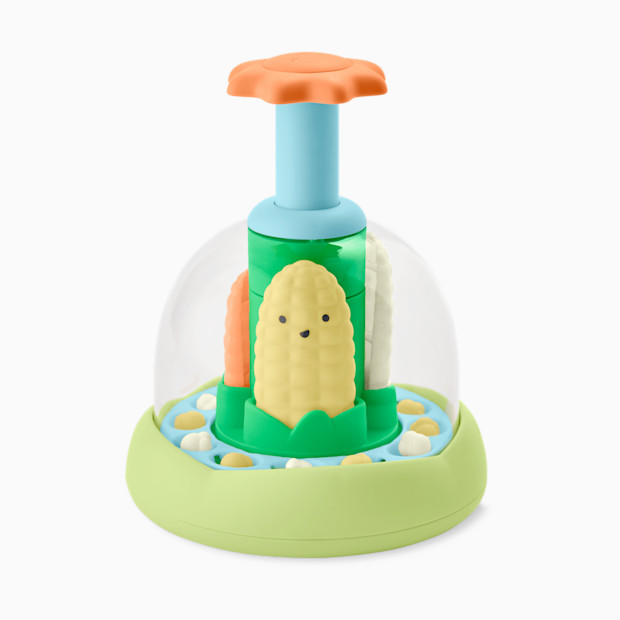
Now we’re getting somewhere. Around this age, babies may sit up with support (or on their own) and start getting curious about how things work. Toys that crinkle, spin, light up or respond to touch can encourage short bursts of solo-ish play—with you still nearby, of course.
What to look for:
-
Toys with lights, music or crinkly textures
-
Stackable or graspable toys for fine motor practice
-
Activity centers or sit-and-play toys that allow upright interaction
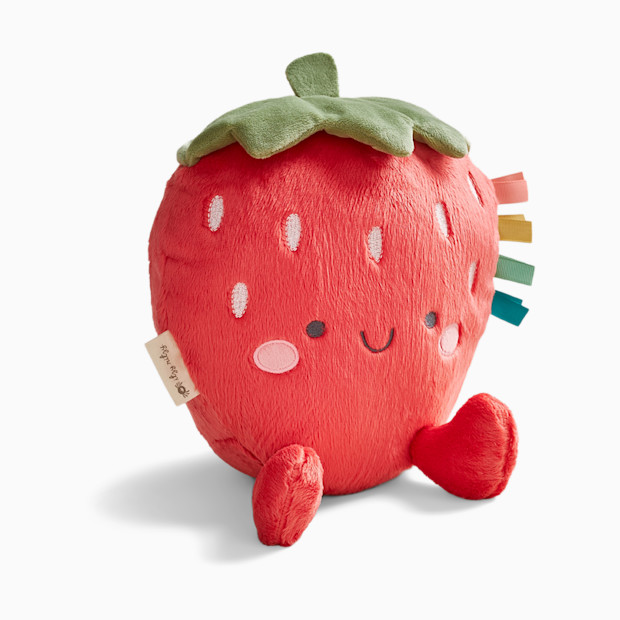
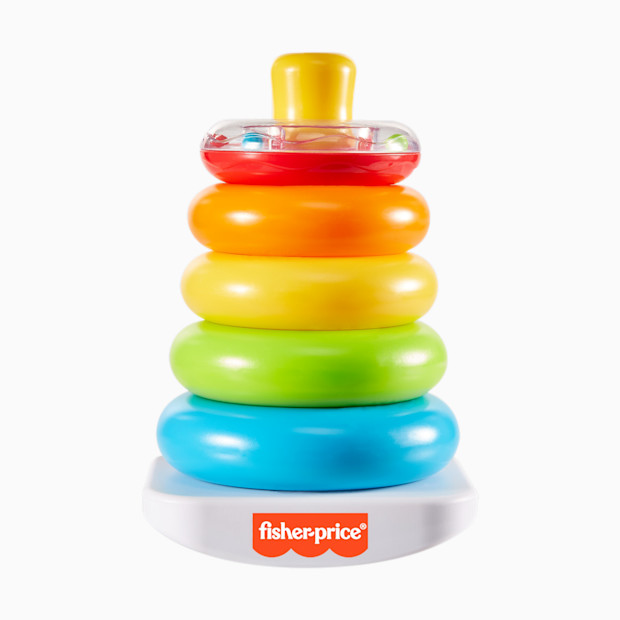
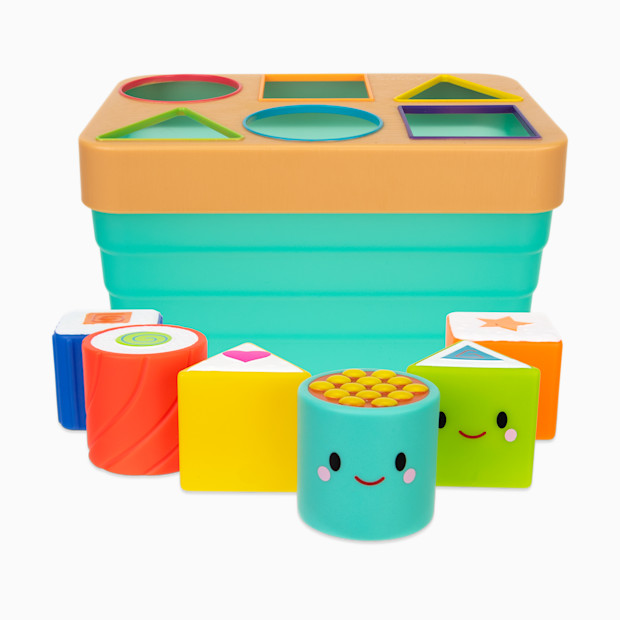
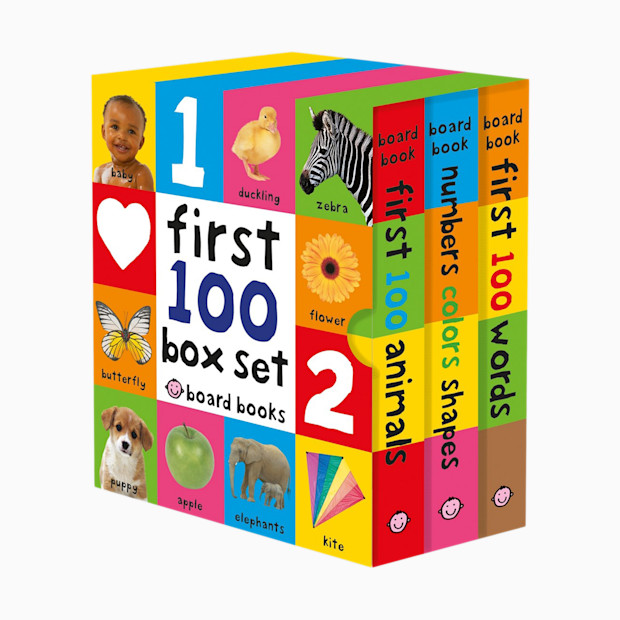
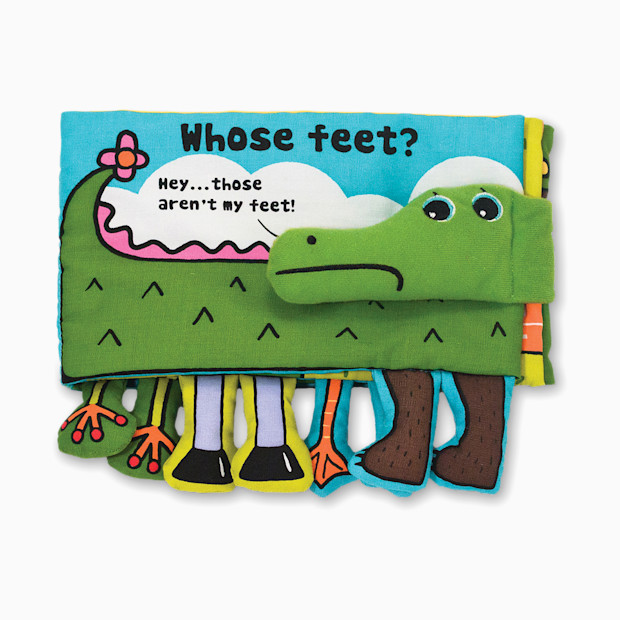
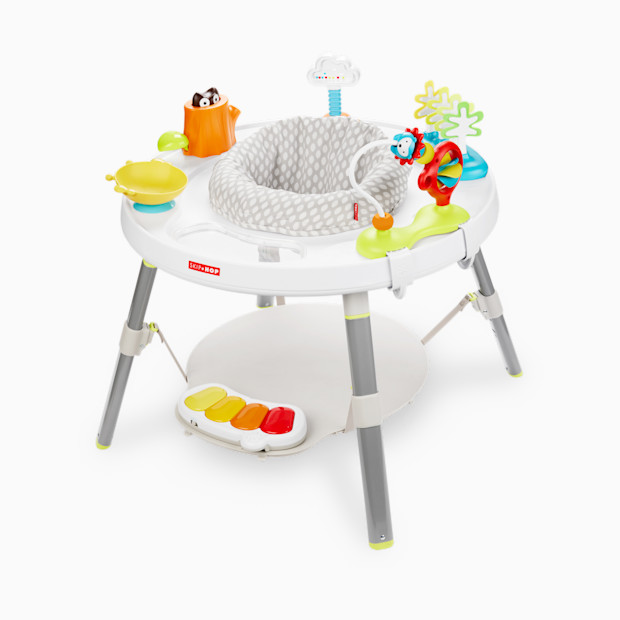
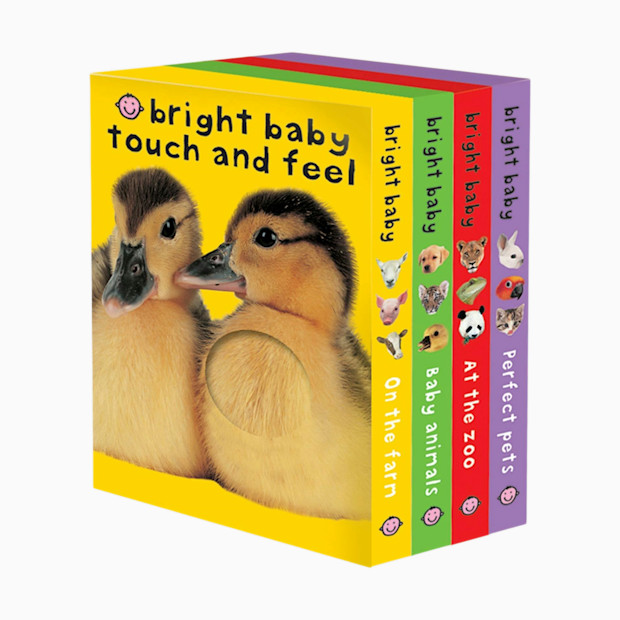
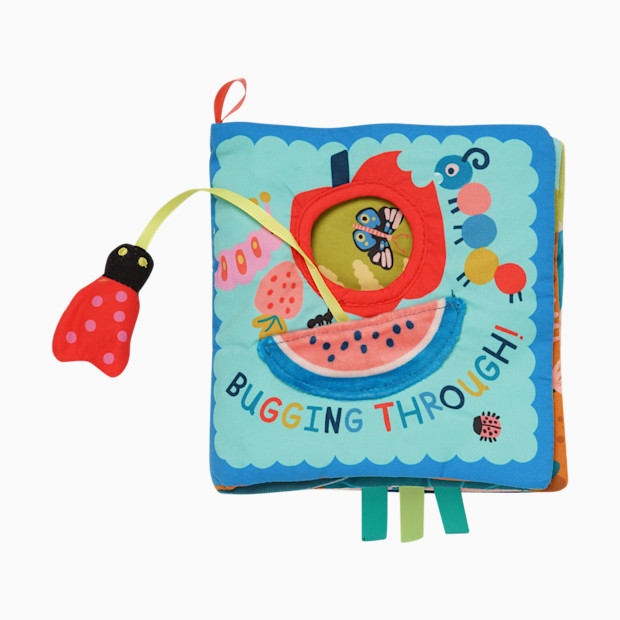
🧠 9-12 Months
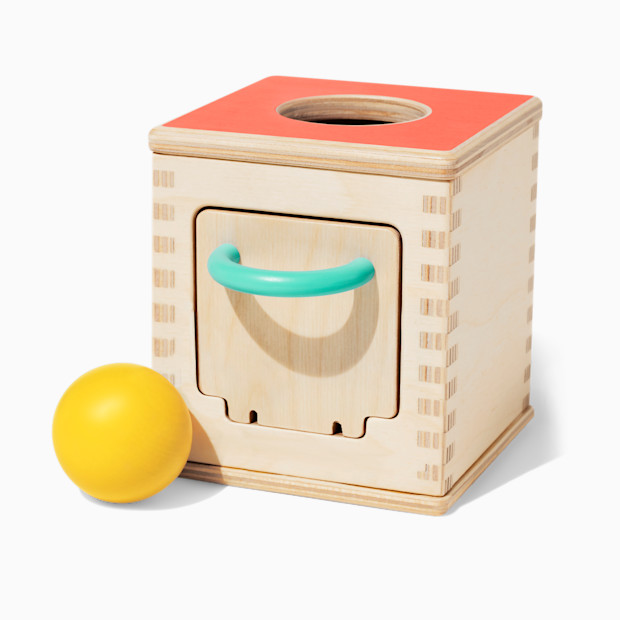
This stage is all about figuring out how the world works—by dropping, stacking, banging and repeating.
Babies may start crawling or pulling up around this time, which means more movement—and more chances to explore. Toys that encourage problem-solving or repetition can help keep them engaged a little longer.
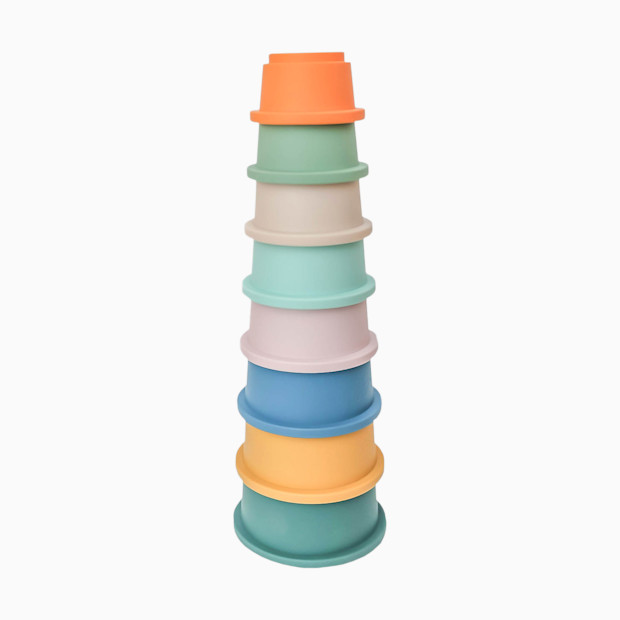
One Babylist parent put it best: “Stacking cups! Sometimes it's the simplest things that become essential to playtime.”
What to look for:
-
Toys that open, spin, or pop up (hello, peekaboo!)
-
Activity centers or crawl-friendly toys with moving parts

For Toddlers
🪀 12-18 Months
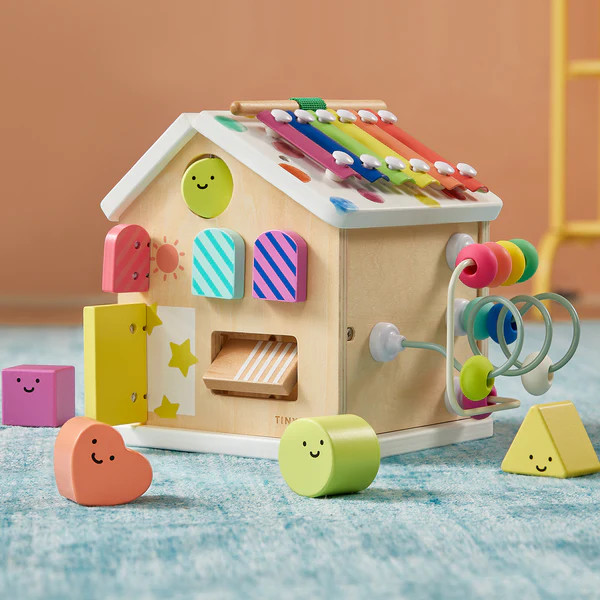
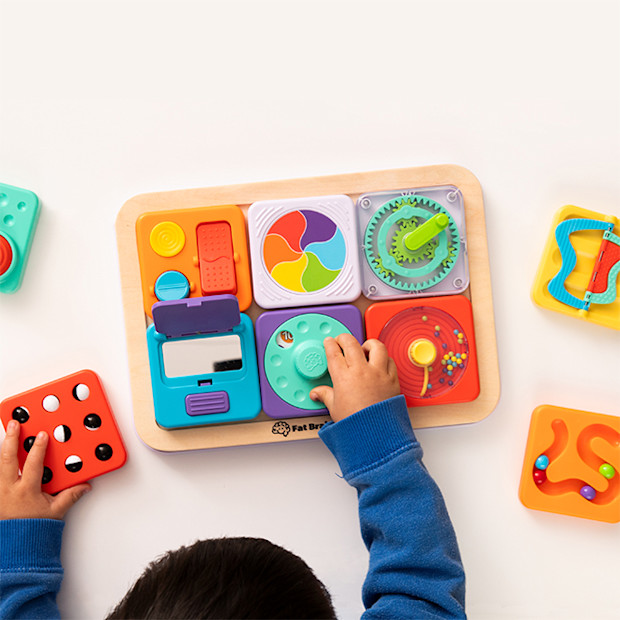
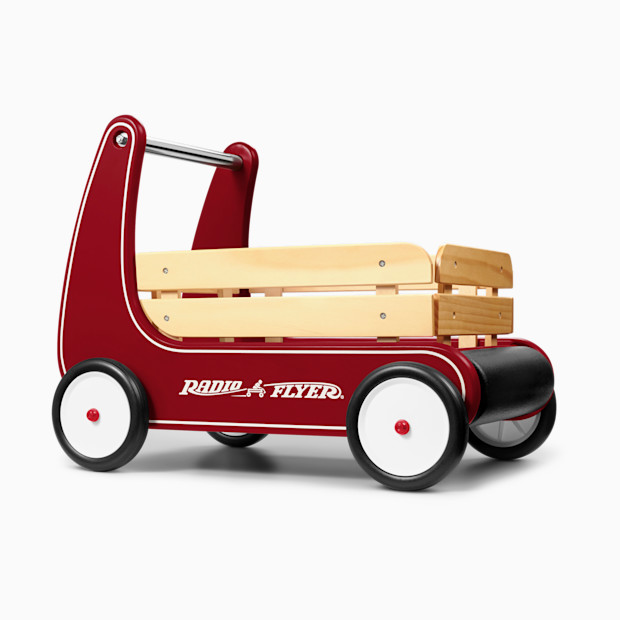
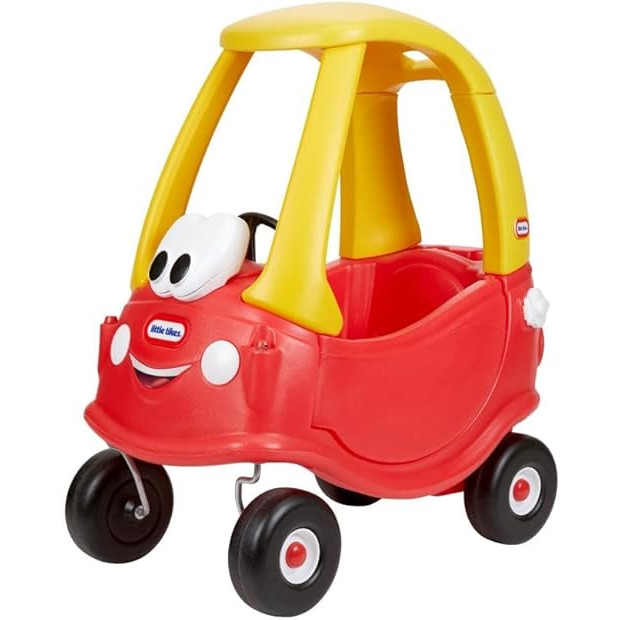
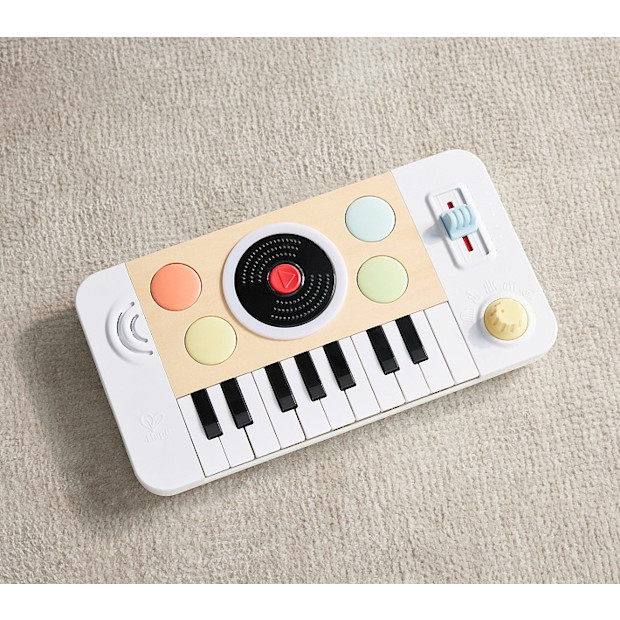
At this age, your toddler is likely on the move—crawling, cruising or walking—and starting to show strong opinions about what they like (and what they definitely don’t). Independent play is still short and usually needs your encouragement, but toys that match their growing independence, like push toys, musical instruments or shape sorters, can help them start exploring on their own.
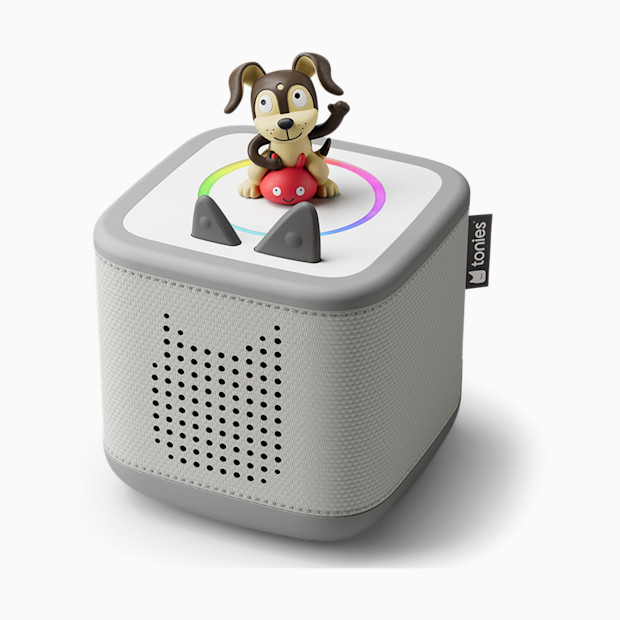
Now that your little one’s officially a toddler, this can also be a great time to introduce something like the Toniebox 2—an audiobook player that lets them listen to their favorite stories (on repeat, of course).
What to look for:
-
Toys that encourage movement (like push-and-pull toys or ride-ons)
-
Repetition-friendly toys with simple actions (like cause-and-effect toys or busy boards)
-
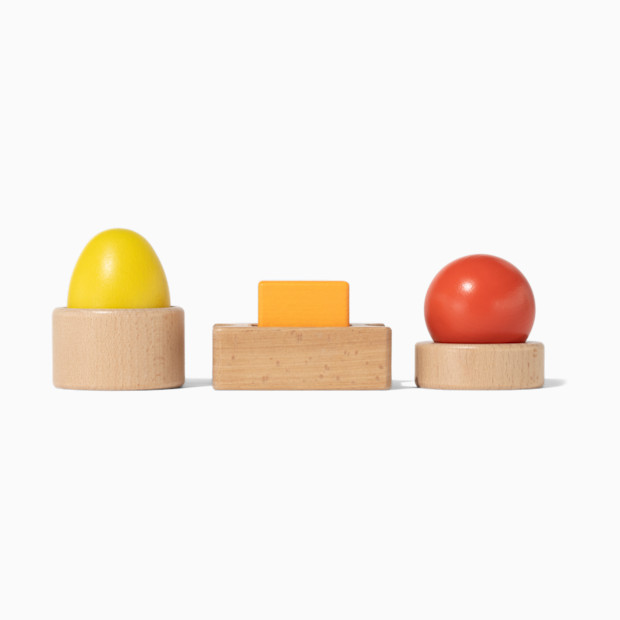
Basic problem-solving toys (like shape sorters or pop-up toys)



🧩 18-24 Months
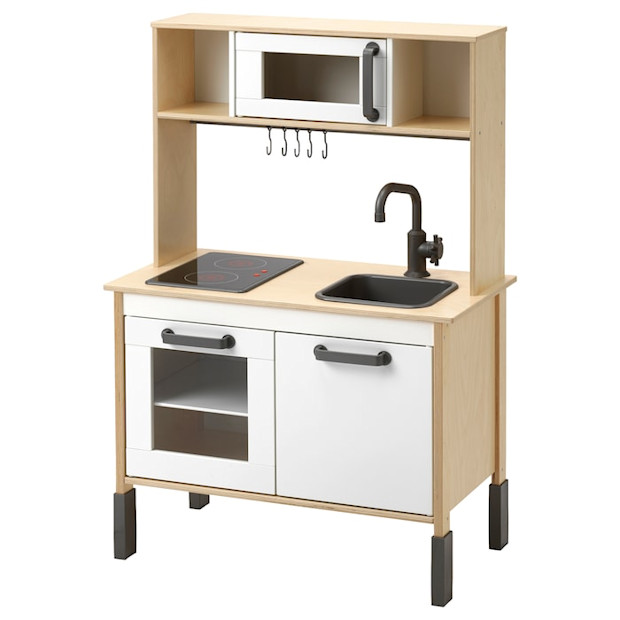
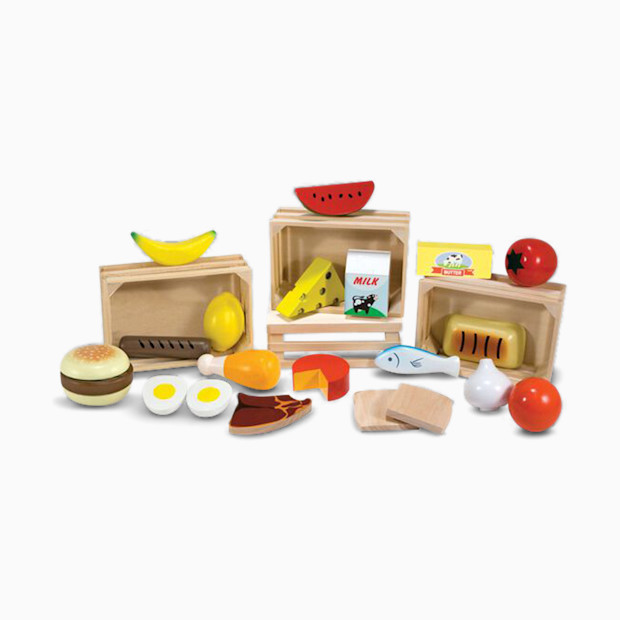
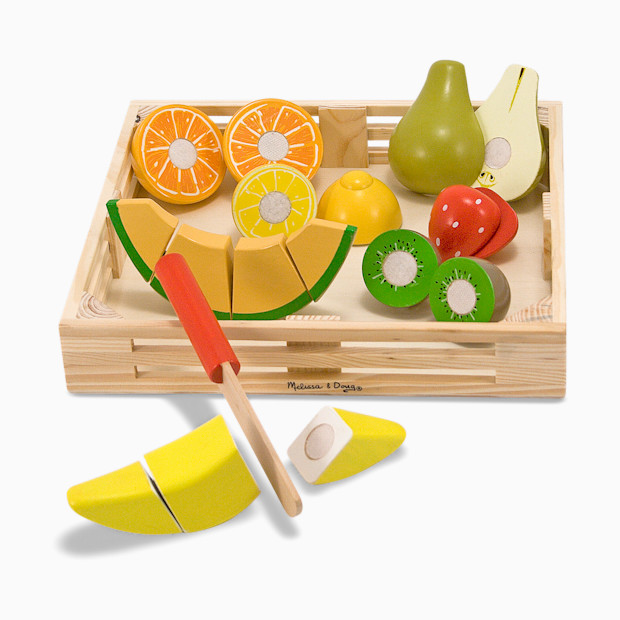
This stage brings (relatively) longer attention spans and the start of real pretend play. You might notice your toddler mimicking everyday routines—like cooking, cleaning or tucking a toy into bed. Open-ended toys like play kitchens, soft dolls and simple puzzles can keep them engaged and build the foundation for longer solo play.
What to look for:
-
Early pretend play toys (like play kitchens, soft dolls or toy phones)
-
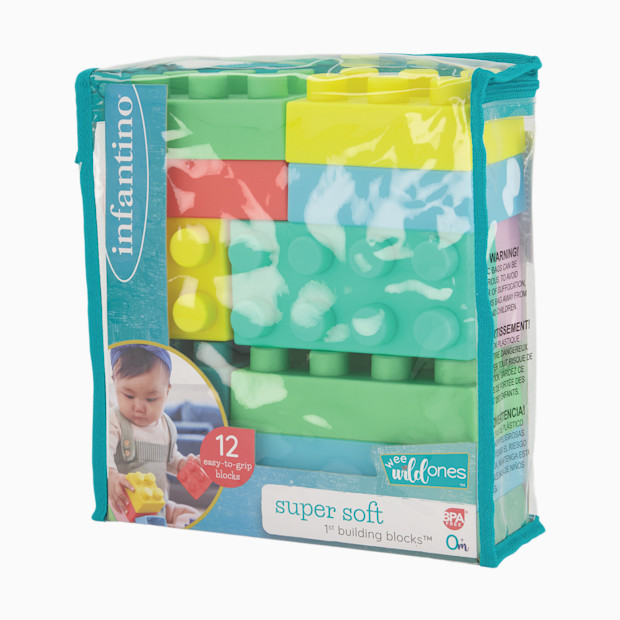
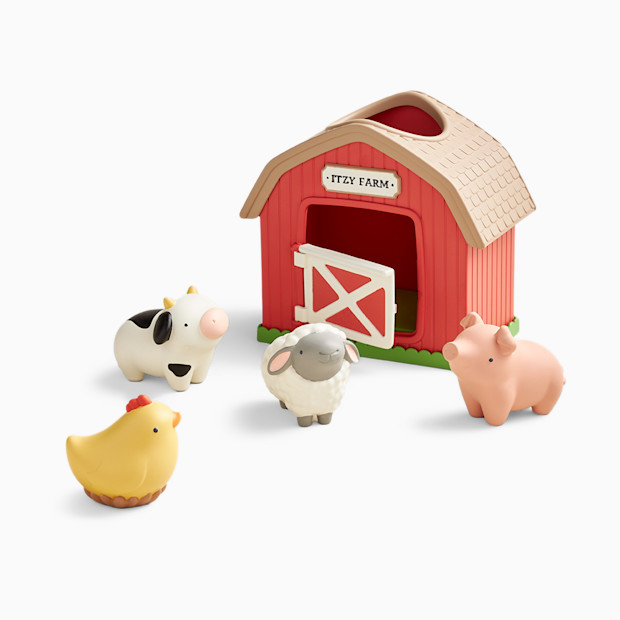
Open-ended toys (like stacking cups, animal figurines or blocks)
-
Toys that build fine motor skills (like beginner puzzles or lacing beads)
;)
;)
;)
;)
;)
;)
;)
;)
;)
;)
;)
","url":"https://www.babylist.com/gp/macmillan-first-100-board-book-box-set-3-books/26078/1235733","source":"hello_baby"});)
;)
;)
;)
;)
;)
;)
;)
;)
;)
;)
;)
;)
;)
;)
;)
;)

;)
;)
💭Babylist parents also had some ideas for some non-toy things you may have around your house for baby to explore—because sometimes they really do like the box more than what’s in it!
-
“Red solo cup. Makes a fun sound when thrown; bonus if you put a toy in it.”
-
“Empty water bottle.”
-
“Anything shiny or shimmery!”
-
“Anything she can fill up with toys—tote bags, baskets, other little containers.”
-
“Sitting outside on our vegetable farm playing with dirt, leaves, sticks, cabbages, radishes, irrigation lines, etc.”
-
“Anything water play!”
-
“Honestly, she’s just into pulling all the diapers out of the diaper caddy right now. Could be worse!”
-
“Cracks us up but his favorite toy is his burp cloth!”
Looking for more ways to play? Check out our other toy guides for babies and toddlers: