
Best Montessori Toys for Toddlers
These toys are Montessori-friendly *and* toddler-approved.

By

Toddlerhood is full of curiosity, exploration and big developmental leaps—all things the Montessori method encourages. Founded by Italian educator Maria Montessori, this child-led approach to learning emphasizes independence, real-world skills and hands-on discovery.
If you’re drawn to this philosophy, Montessori-inspired toys can be a great way to support your toddler’s development through something they do best—play.
As a former preschool teacher in a play-based program—and now a parent of two—I’ve seen firsthand how simple, intentional toys can help toddlers learn, grow and build confidence. To bring expert insight to this guide, I also spoke with Simone Davies of The Montessori Notebook and author of my favorite books on my shelf—The Montessori Toddler. You’ll see her advice woven in to help you better understand how these toys can support your toddler’s learning and independence.
Before we dive in, let’s touch on what makes a toy “Montessori”. Generally speaking, they:
-
Are made from natural, non-toxic materials (like wood or metal)
-
Focus on just one skill at a time
-
Are purpose-driven and realistic (not fantasy-based)
-
Skip the flashy stuff—no batteries or blinking lights here
Though the focus is preferably on one thing at a time, most Montessori toys often support multiple types of development—think motor skills, practical life skills, early language, problem-solving and more. We’ve grouped these picks by the primary developmental focus, but don’t be surprised if your toddler finds new ways to play with each one!
🪜 Practical Life Toys: Building Independence Through Everyday Skills
If your toddler insists on doing everything themselves, you’re not alone. From pouring water to wiping spills, toddlers love real-world tasks. Montessori calls this “practical life work,” and it’s a core part of how kids learn to care for themselves and their environment.
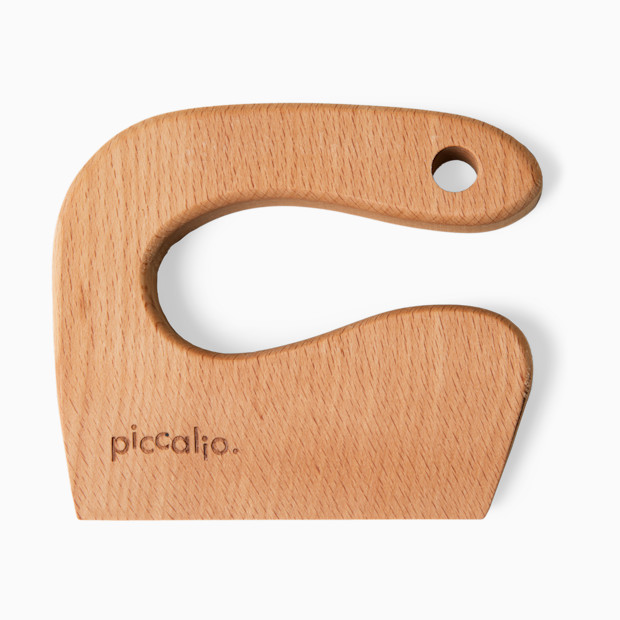
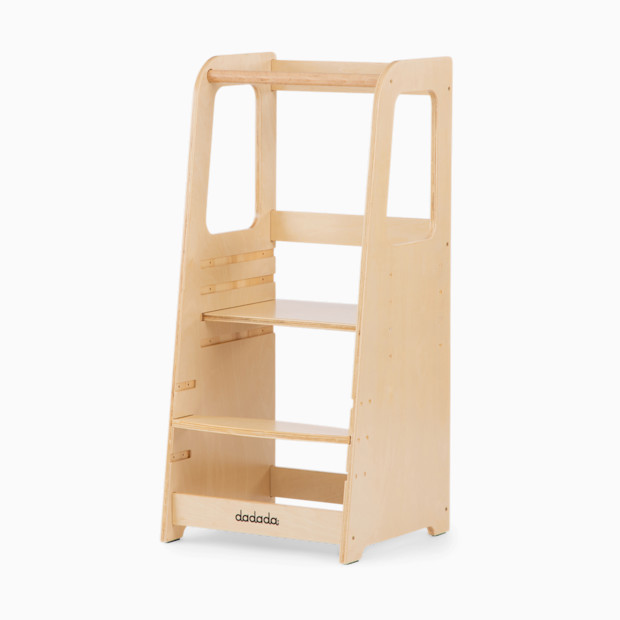
Toys that encourage this kind of purposeful play—like a mini broom, a toddler kitchen tower or kid-safe kitchen tools—can support their independence while letting them feel included. (Bonus: they’re probably already trying to “help” you do these things anyway.)
“[Toddlers] take pride in their contribution to the home,” Davies says. “We can start by doing tasks together, then slowly step back as toddlers take on more themselves.”
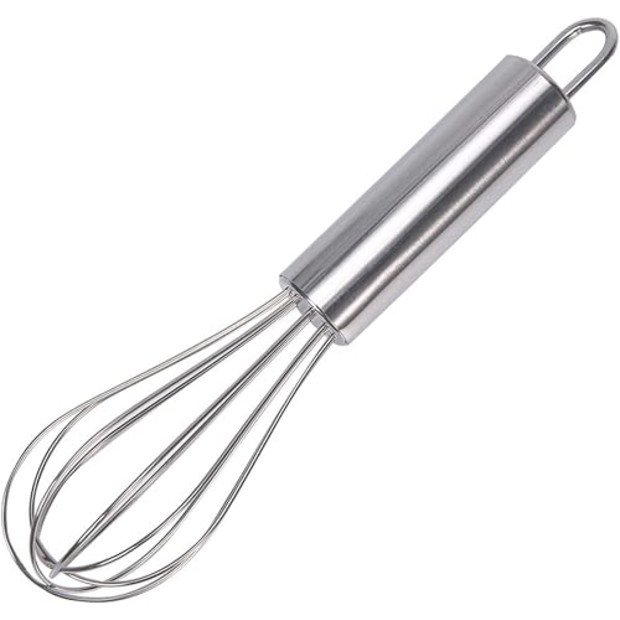
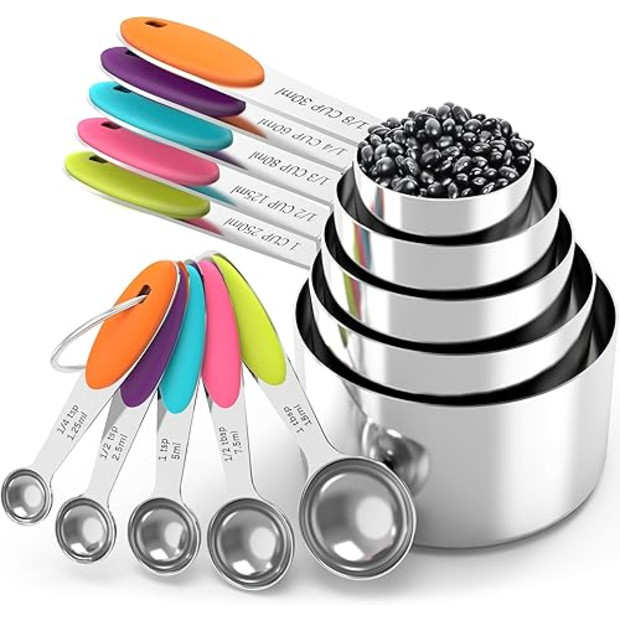
And you don’t need to buy much to do this at home. Everyday tools, like a small whisk or measuring cups, make great sensory bin additions. One of my favorite hacks? I take out a pole segment from our Swiffer sweeper to make it toddler-sized—my kids will often fight over who gets to help. One year, my daughter dressed as a witch for Halloween, and her little wooden broom is still in heavy rotation whenever someone wants to sweep.
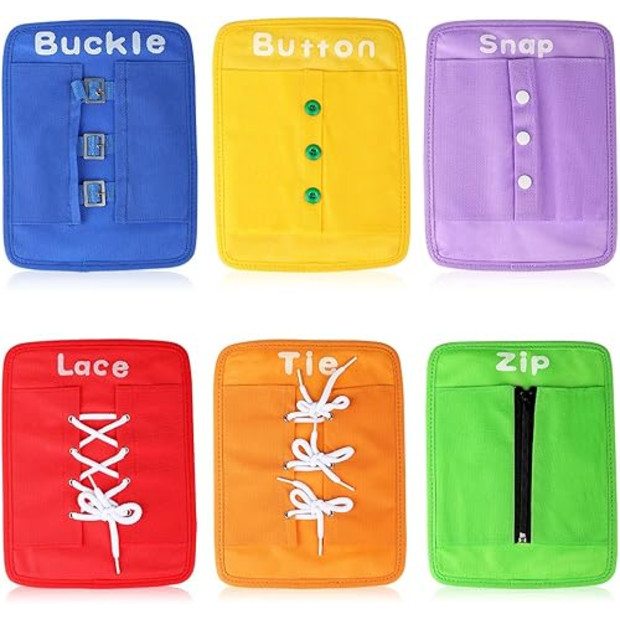
Here are a few favorites to try:

🌈 Sensory Toys: Exploring the World Through the Senses
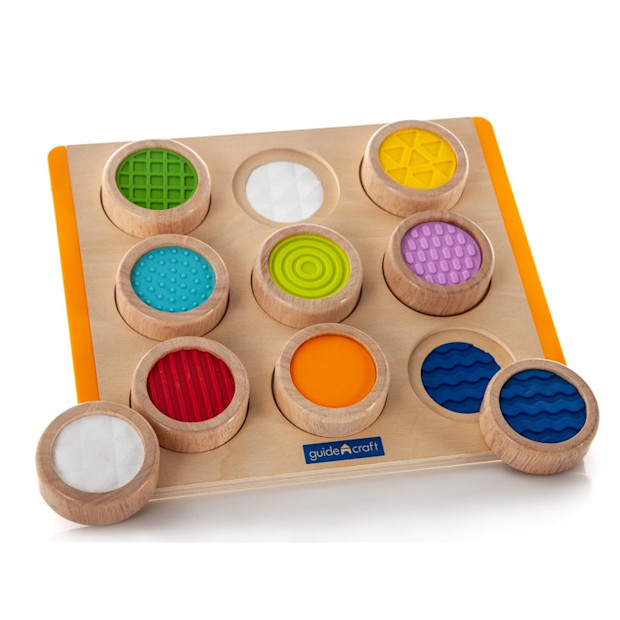
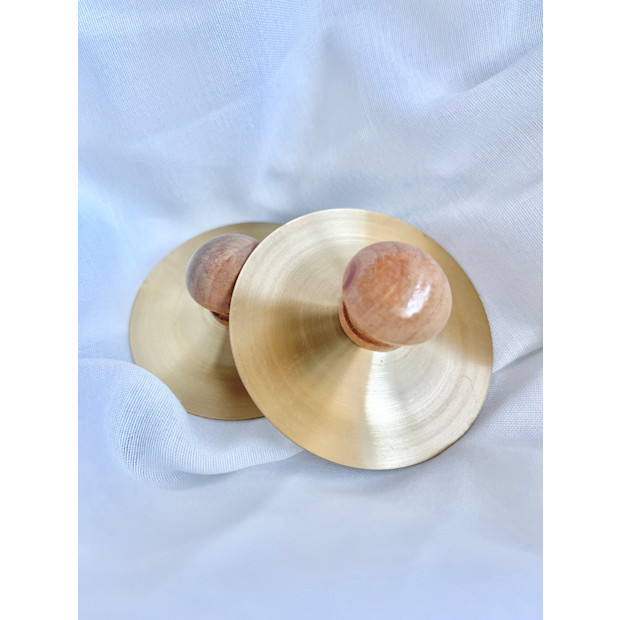
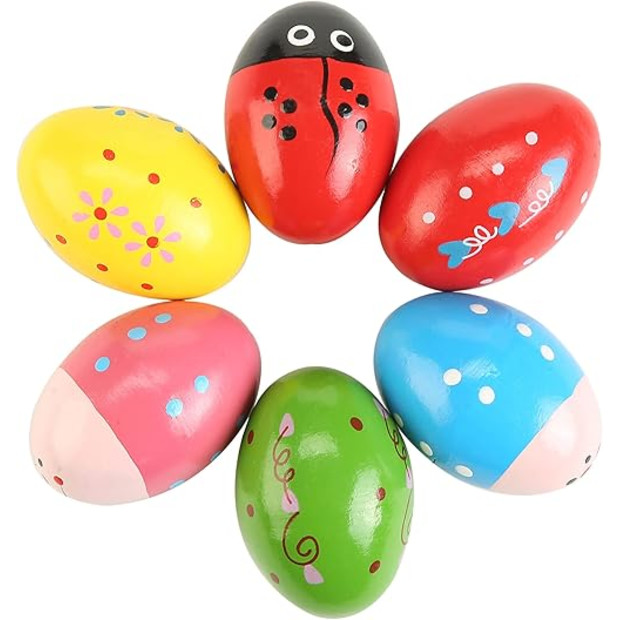
Montessori learning isn’t just about what toddlers see—it’s about what they touch, hear, and feel, too. Sensory toys help toddlers process the world around them, which supports early language, motor skills and cognitive development.
In fact, Davies notes that toddlers are “sensorial learners”—which means they absorb the world through touch, sound, smell, taste and sight. Toys made from natural materials like wood, silk and metal offer sensory richness that supports deeper learning.
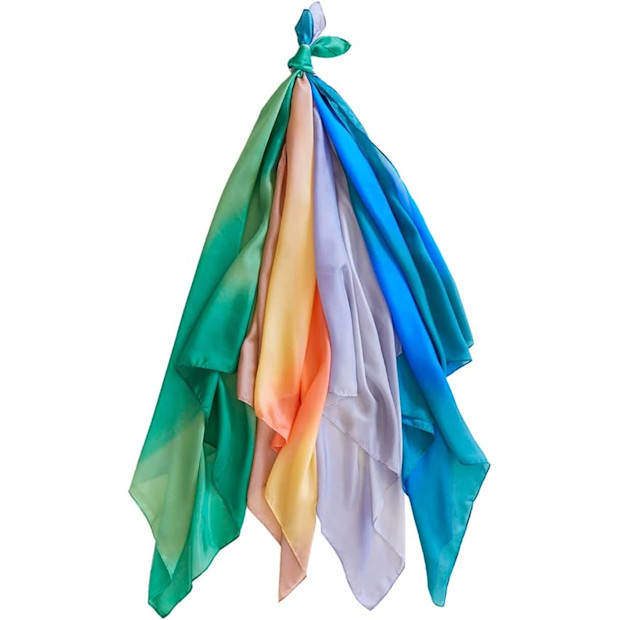
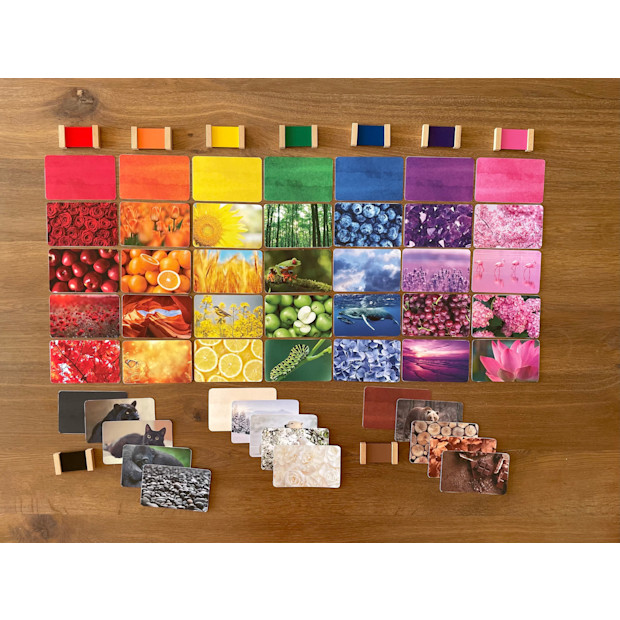
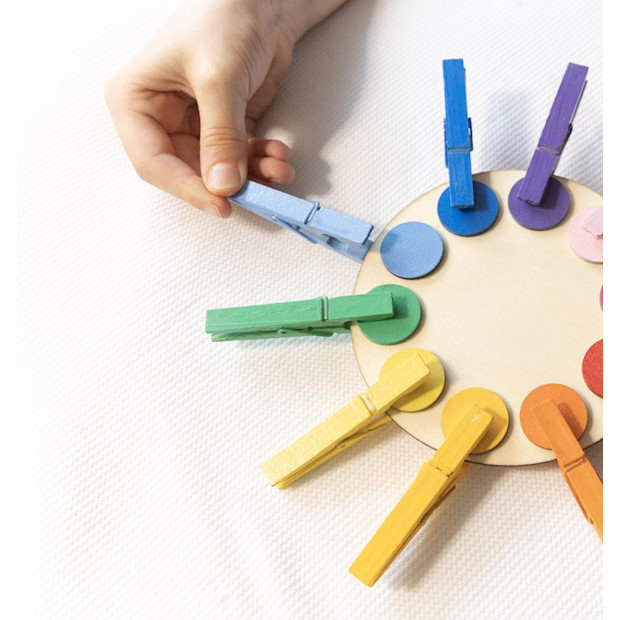
Think color matching games, texture exploration, sounds, smells—even a silk scarf floating through the air. These types of toys can also help toddlers learn to describe what they’re experiencing—soft, smooth, loud, squishy—which also supports early language development.

🔡 Language & Pretend Play: Making Sense of the World
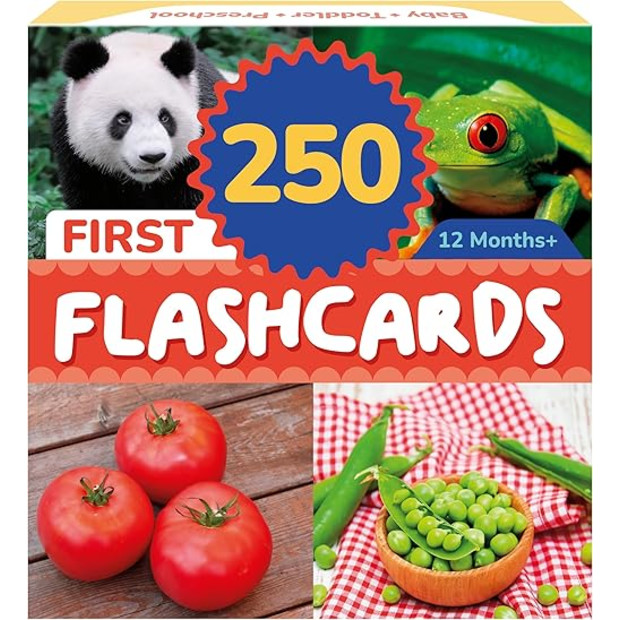
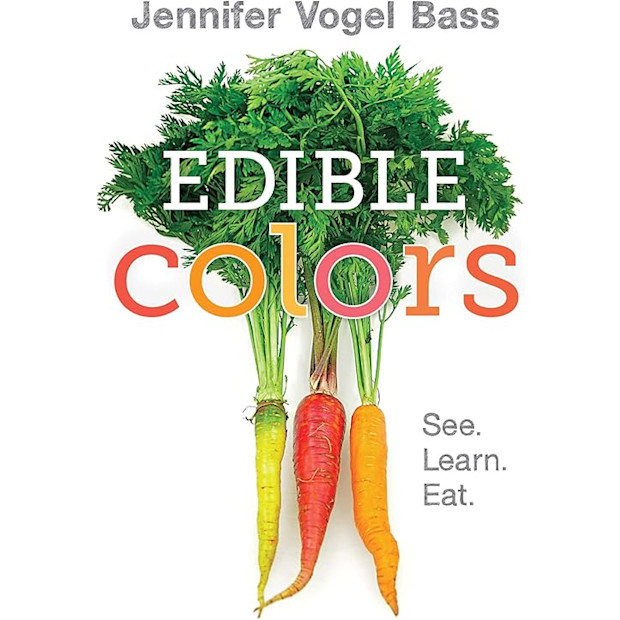
Montessori play also focuses on helping toddlers make sense of their world through real experiences—think matching images to words, learning names for food or practicing how to take turns.
Language development starts long before your toddler can string together full sentences. Talking, naming, sorting, pretending—it’s all part of the process. Montessori toys and books that feature real objects and everyday routines can help build vocabulary, memory and expressive language.
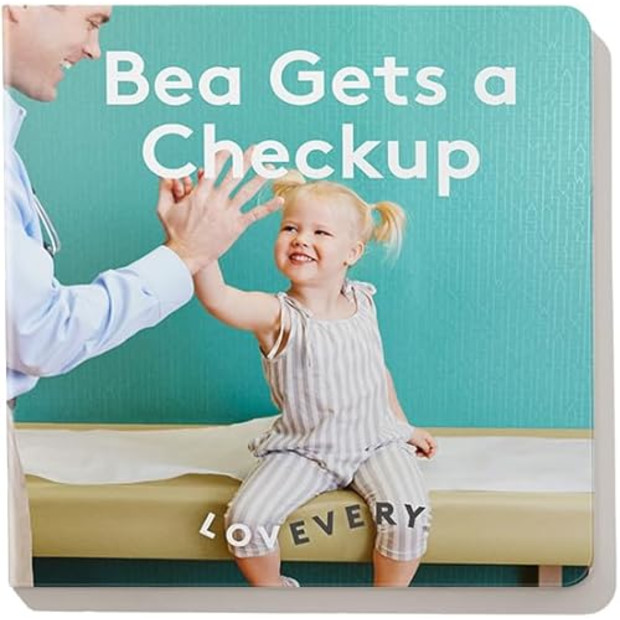
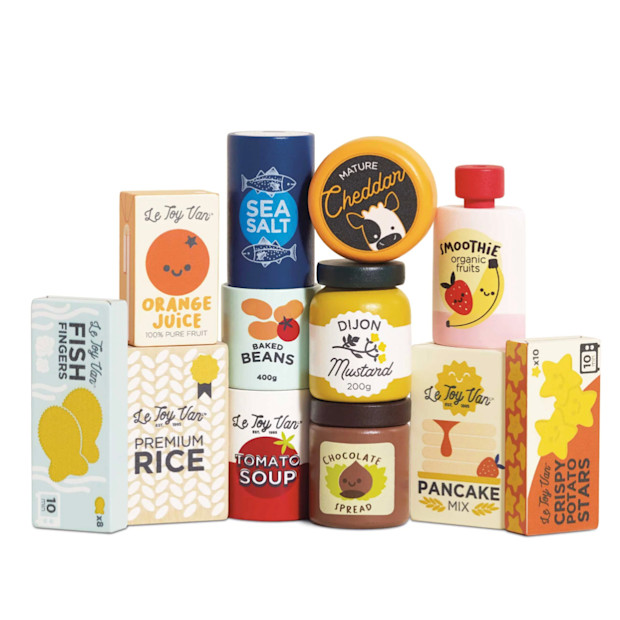
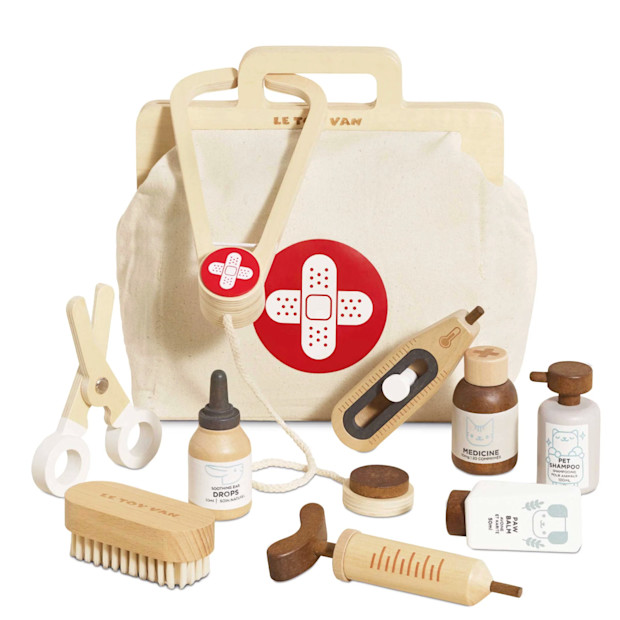
Pretend play can be Montessori-aligned, too—as long as it’s rooted in real-life scenarios. Feeding a doll, taking stuffed animals to the doctor or talking about what they see at the grocery store all count.


🧠 Motor Development Toys: Coordination Through Movement & Manipulation
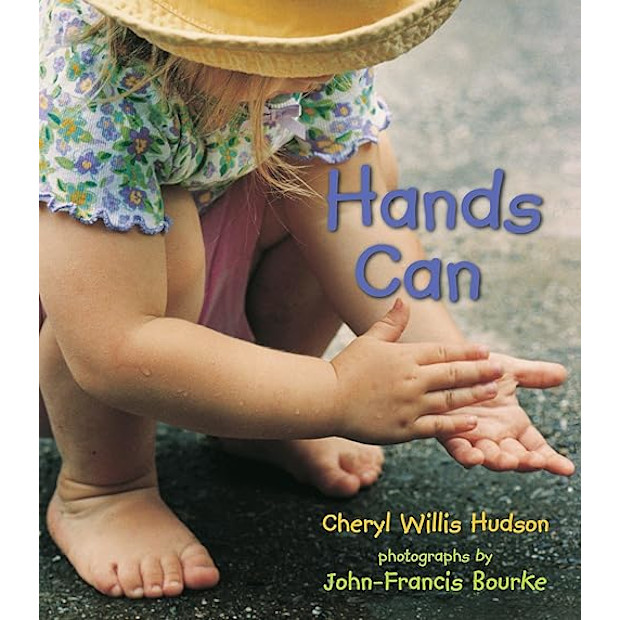
Whether it’s stacking blocks, lacing beads or climbing over a Pikler triangle, toddlers are constantly working on building strength and coordination. Montessori toys that support motor development give them the chance to move their bodies with purpose—and at their own pace.
Davies explains that movement isn’t just physical for toddlers—it’s how they build skills like balance, body awareness and fine motor coordination.
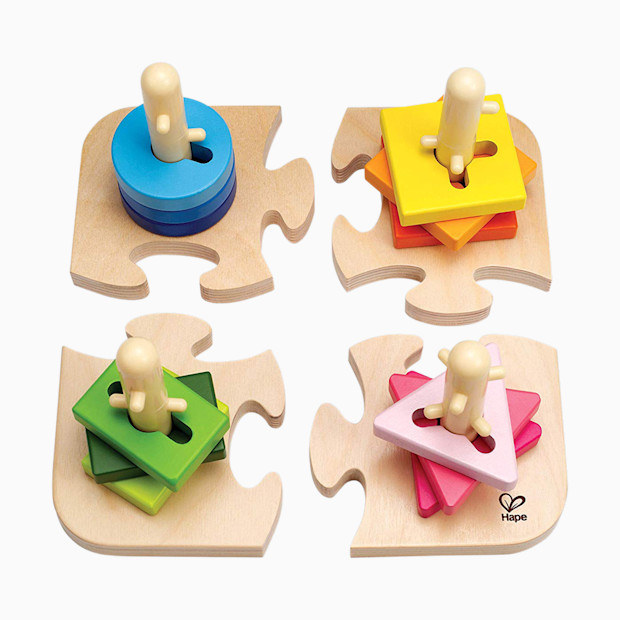
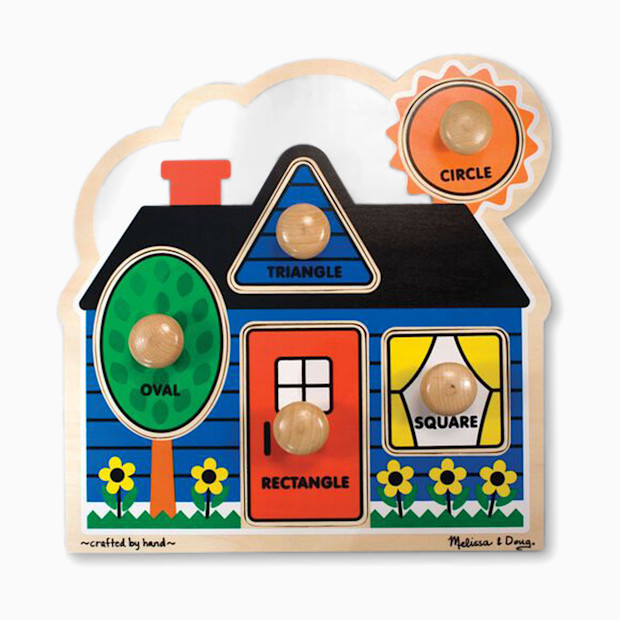
With that in mind, this category includes toys for both fine motor skills (like grasping, turning and threading) and gross motor skills (like balancing, climbing and pushing). Both are essential as toddlers grow their confidence and independence.
For stacking, sorting + fine motor work:



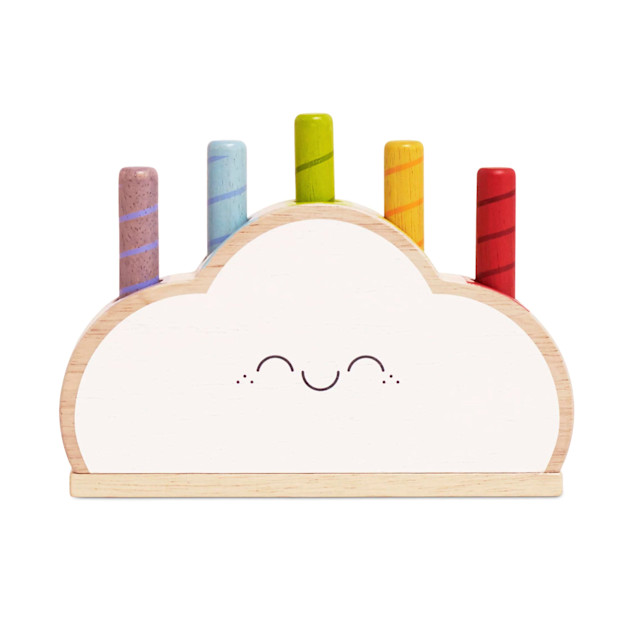
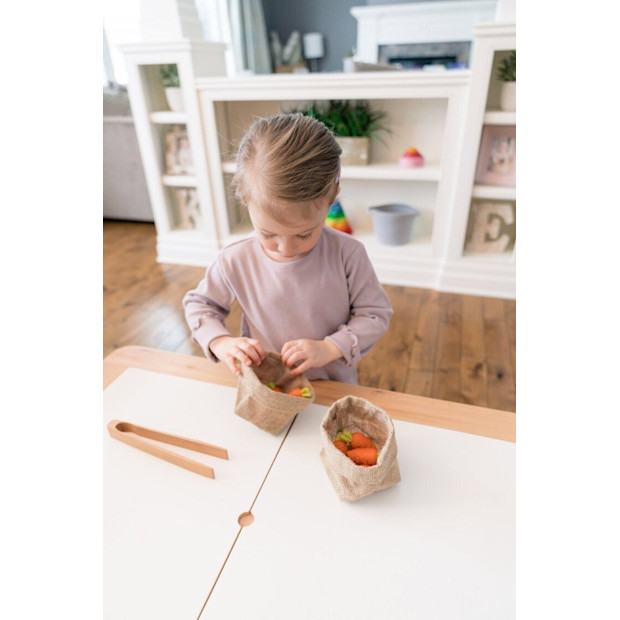
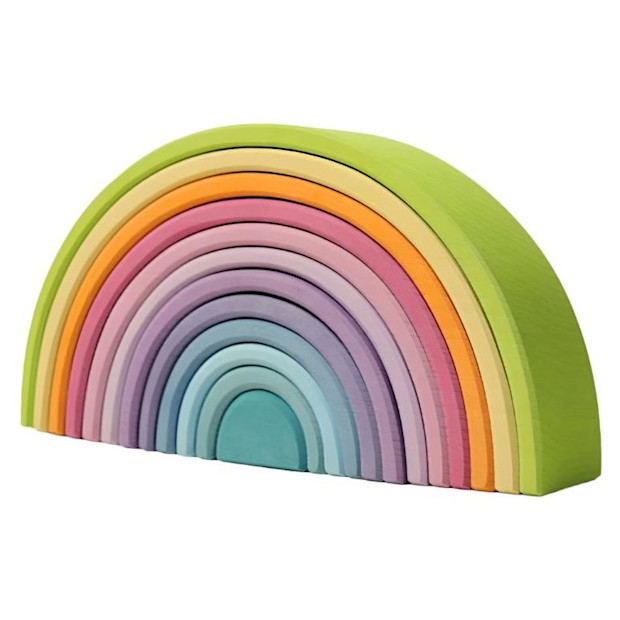
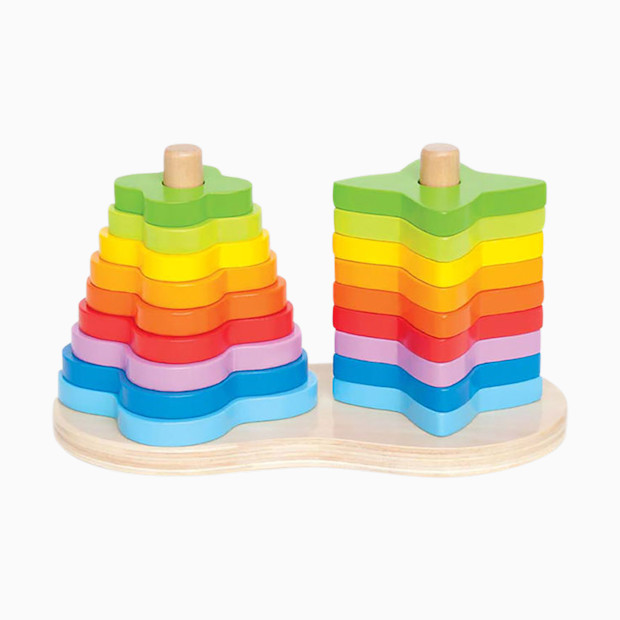
For movement, balance + full-body play:
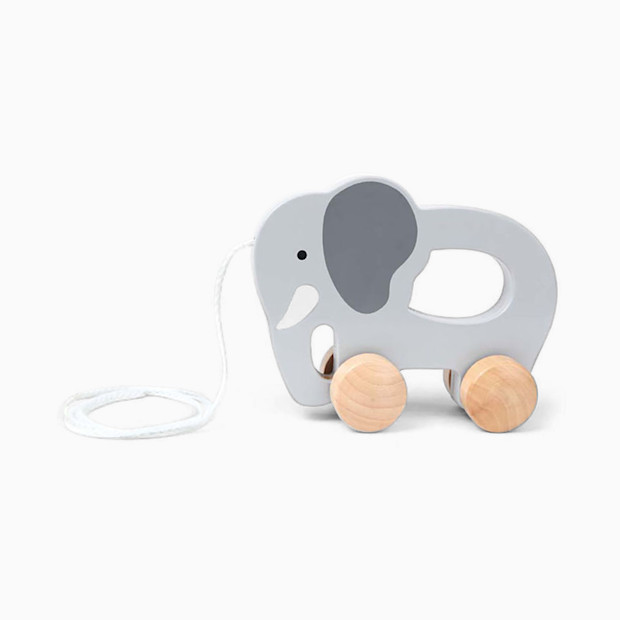
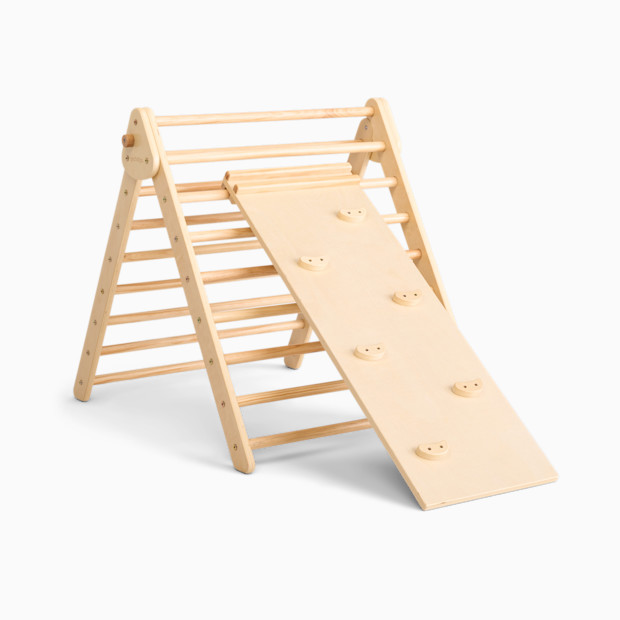
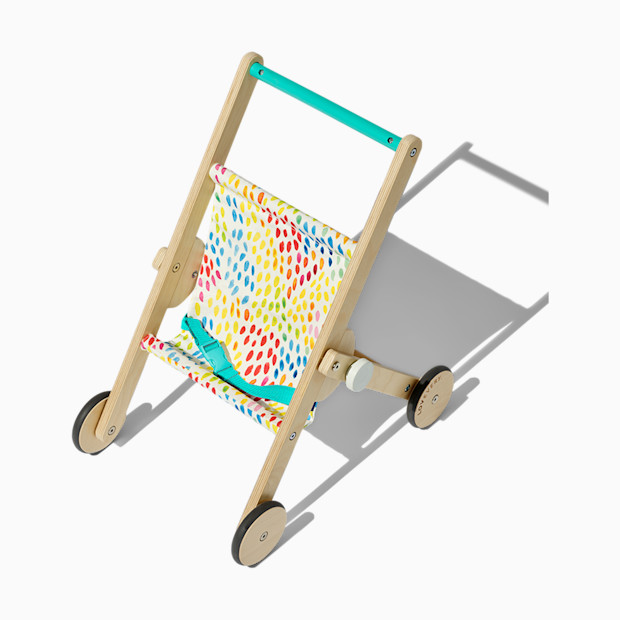
Montessori Toy Storage
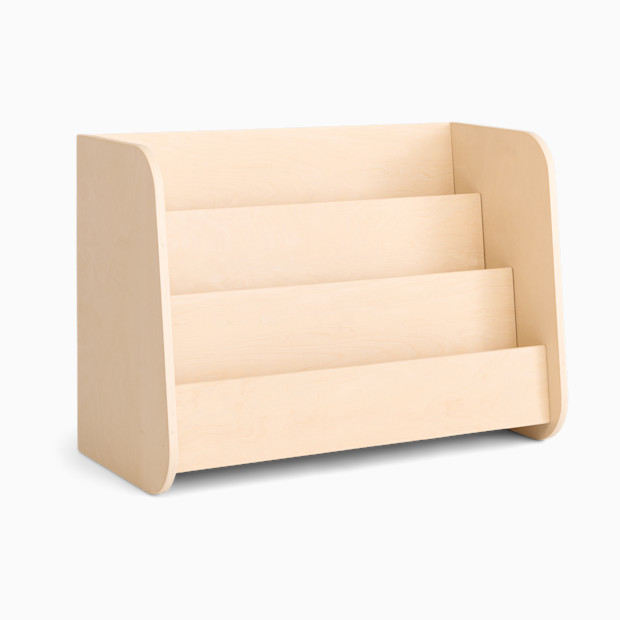
Toy storage might not sound like part of the Montessori philosophy—but it actually plays a big role in how toddlers engage and learn during play. “Toddlers have a strong need for order. In Montessori we have a place for everything and everything in its place. This provides predictability for our young children and allows them to be able to make sense of the world while their brains are rapidly developing,” Davies explains.
Having a clear place for each toy helps them know what to expect, what’s available and (bonus for you) how to clean up when they’re done.
Open shelves, low baskets or simple bins work well—as long as toys are easy to see, reach and put away independently. Fewer toys on display (with others rotated in later) can also help reduce overwhelm and encourage deeper play.


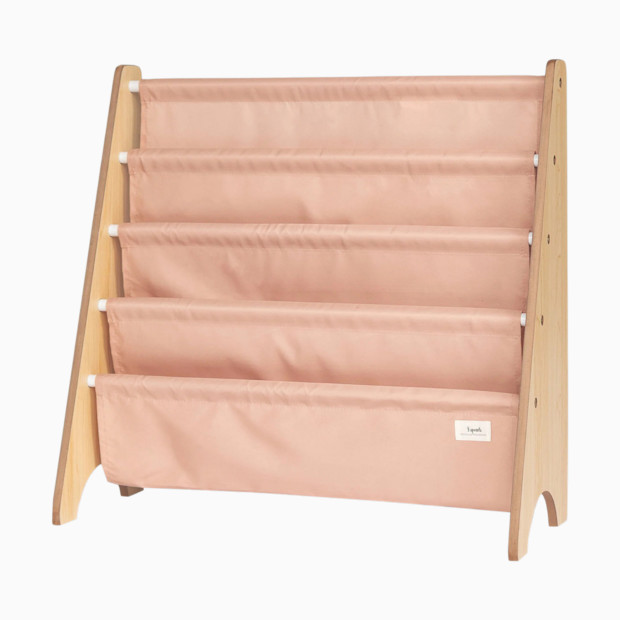
;)
;)
;)
;)
;)
;)
;)
;)
;)
;)
;)
;)
;)
;)
;)
;)
;)
;)
;)
;)
;)
;)
;)
;)
;)
;)
;)
;)
;)
;)
;)
;)
;)
;)
;)
;)
;)
What Makes a Toy “Montessori”
Montessori isn’t about fancy toys or perfectly organized shelves—it’s about supporting how kids naturally learn: through movement, independence and real-life experiences. This sometimes gets confused with the perfect, all-wooden, aesthetically pleasing playroom, but Montessori is more about purpose than perfection.
Montessori toys typically share a few key qualities:
-
Natural materials like wood, metal or fabric, which offer rich sensory input.
-
Simple designs that focus on just one skill at a time.
-
Real-world relevance, like food, tools or household tasks—rather than fantasy characters or make-believe.
-
Hands-on and child-powered—or as Davies says, “passive toys, active children.”
She also adds that they’re designed with a specific purpose: most have a beginning, middle and end that encourage toddlers to repeat the task, build mastery, and say: “I did it myself.”
Davies explains that the goal is to observe what your toddler is drawn to—like dropping objects or pouring water—and build on those interests with activities they can repeat independently. (She has a free pdf with a ton of activities—broken down into age and stage—if you need some ideas!)
How to Implement Montessori at Home
Incorporating Montessori in the home doesn’t have to be a whole thing. You can start with small, intentional changes. Davies says there’s a key shift parents can make: “We move from being adult-led to being led by our child and their unique needs.” It’s more about slowing down, watching your toddler play and offering toys that meet them where they are developmentally.
Davies recommends curating just a few activities that match your toddler’s current interests—and maybe one that stretches them a little bit (something called scaffolding in child development). You don’t want an activity to be so challenging that they get frustrated and walk away to find something else to do. Ensuring this balance helps reduce overwhelm and increases focus.
When you consider which toys and materials to offer, consider the tips above but also know that choosing toys that align with Montessori doesn’t have to come from a specialty brand or cost a ton.
Montessori toys aren’t about following strict rules or curating the perfect playroom. As Davies reminds us, “Montessori is about connection rather than perfection.” It’s about slowing down, observing your toddler, and offering tools that support where they are right now.
Whether it’s a wooden puzzle, a mini broom or a basket of scarves, the best toys are the ones your toddler comes back to again and again—because they’re meaningful, engaging and just the right amount of challenge.
Expert Sources
Babylist uses high-quality subject matter experts to provide accurate and reliable information to our users. Sources for this story include:
-
Simone Davies, founder of The Montessori Notebook and author of The Montessori Baby, The Montessori Toddler and The Montessori Child.