
The Best Toddler Ride-On Toys
The best toddler ride-on toys for building balance, coordination and confidence.

By
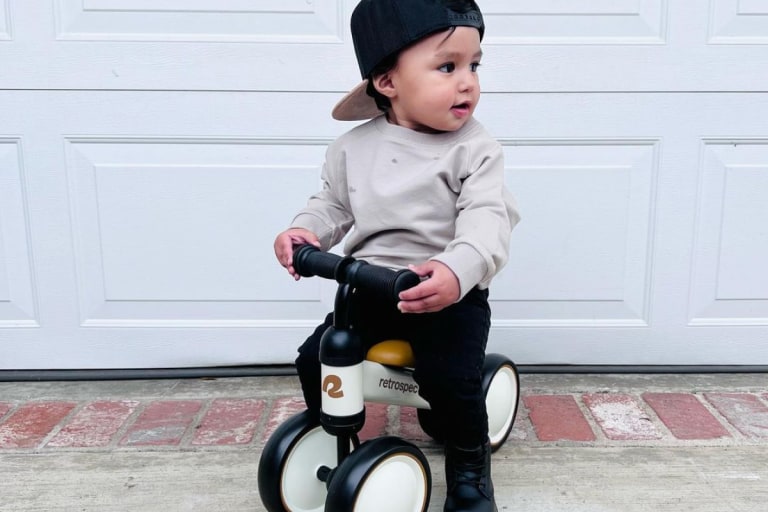
Whether they’re pushing, pedaling or scooting, ride-on toys are one of the best investments you can make for your toddler. They give busy, curious kids a fun way to explore their world while building motor skills, coordination and confidence. They’re also great for encouraging independent play.
Ride-ons can be surprisingly tricky to shop for. There are a lot of options, and the right pick depends on your child’s age, size and developmental stage. This guide is organized by type to help you find the best ride-on for right now—or one your toddler can grow into over time.



How We Judged the Best Toddler Ride-On Toys
🚗 Best Push-Cars and Ride-On Toys
When most folks think of a ride-on toy, this is what they envision: a car (or truck, or coupe!) that your child sits in and moves with their feet, or that you push from behind. Push-cars and classic ride-ons are the perfect first set of wheels for most toddlers. There’s no learning curve and no balance required—just sit down and go.
A note for new walkers: If your little one is just starting to walk or still a bit wobbly, look for a push car with a parent handle. It’s a better fit than a classic ride-on for most young toddlers.
Best Ride-On Toy
There's a reason the Cozy Coupe has been around since 1979 and shows no signs of going anywhere. Kids love pushing, steering and cruising around in this iconic car. It’s one of those rare toys that both holds up through multiple kids and gets played with regularly. My own boys loved it, and I've never met a toddler who didn’t immediately try to climb in.
Best Push-Car
This push car is a better pick for younger toddlers (around 12–18 months) who aren't pushing themselves yet. But don’t underestimate its longevity; even older toddlers will still love to hitch a ride. It’s a fun alternative to a stroller for short walks and spins around the driveway, and features a horn, moveable steering wheel, cup holders and under-seat storage.
Other Ride-Ons and Push-Cars to Consider

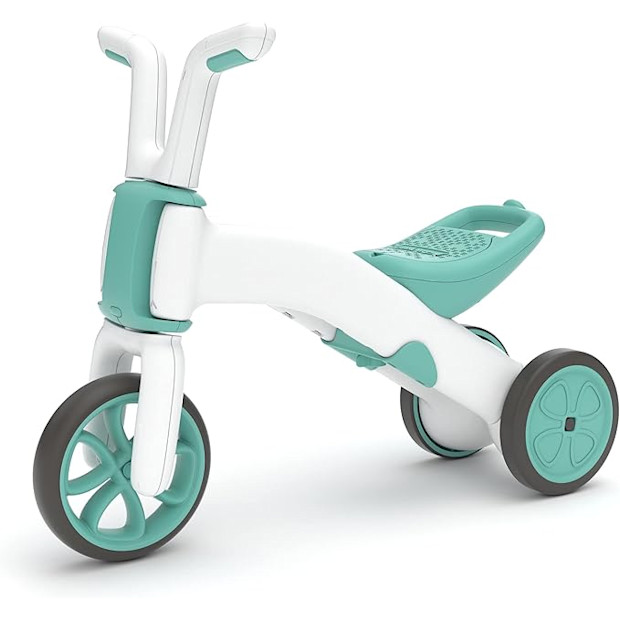


🪵 Best Wooden Ride-On Toys
Wooden toys continue to rise in popularity, and wooden ride-ons are following suit. They have a different feel than their plastic counterparts, and they tend to be more durable. Most skew toward the younger end of the toddler set and work best indoors, although some can handle outdoor surfaces without a problem.
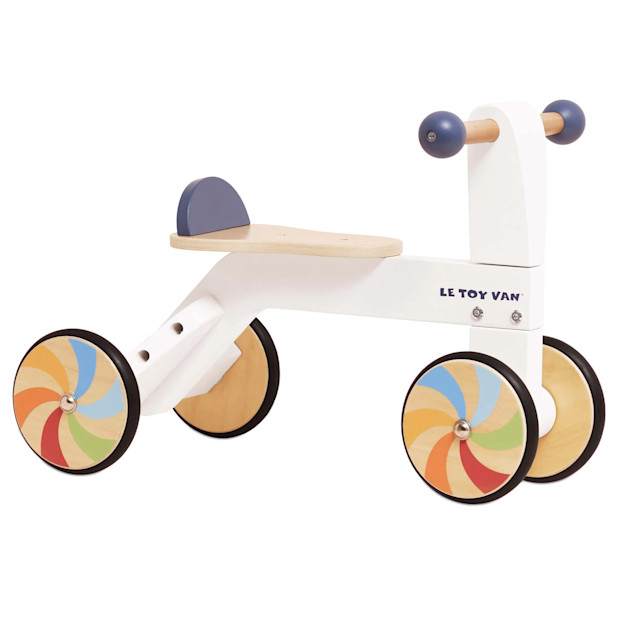
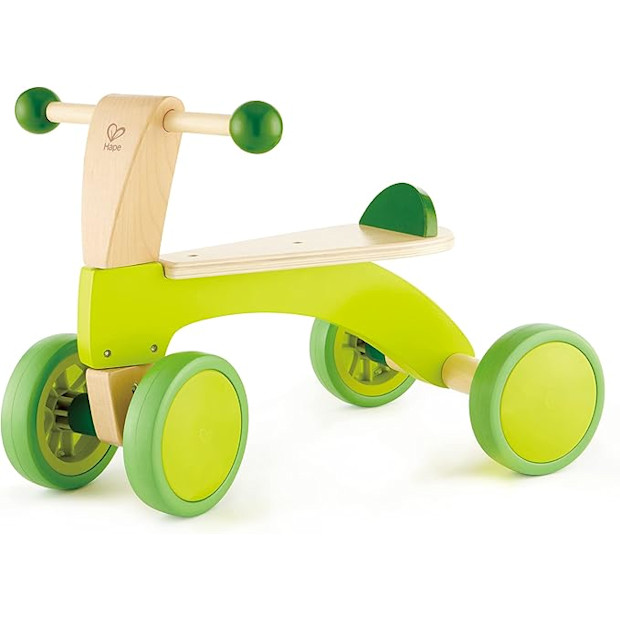
Best Wooden Ride-On Toy
Made from natural wood with a cushioned seat and 360° rotating wheels, this toddler ride-on toy has a Montessori feel and is a solid alternative to the usual plastic options. It’s ready to ride right out of the box and does best on smooth surfaces and flatter carpets.
Other Wooden Ride-On Toys to Consider
🛴 Best Scooters
Most kids are ready for a scooter right around age two. In addition to their gross motor benefits, scooters foster independence and are a great save for tired little legs, especially for zooming around cities or when you know you’ll be out walking for a bit. A good scooter can last you for years; my almost-five-year-old is still whizzing around on his and shows no signs of getting bored of it anytime soon.
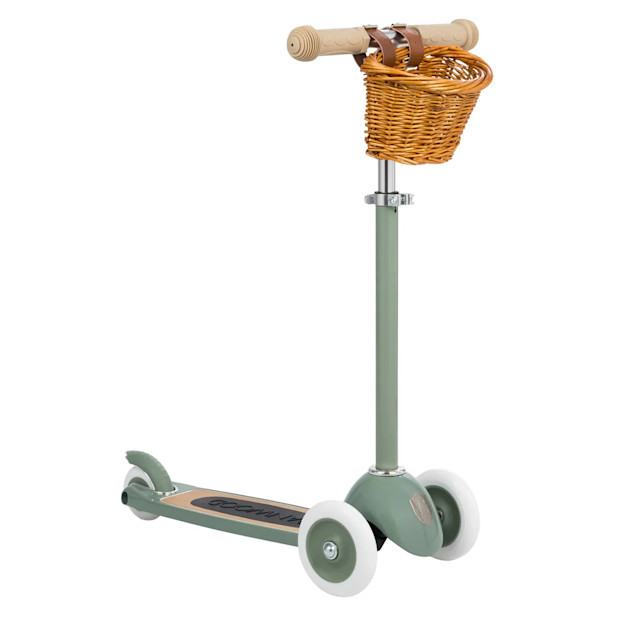
For toddlers, start with a three-wheel, kickboard-style scooter. Three-wheel scooters stay upright on their own and are easier to balance, and the lean-to-steer design (you lean to turn rather than turning the handlebars) is much more intuitive for smaller kids to master.
Best Toddler Scooter
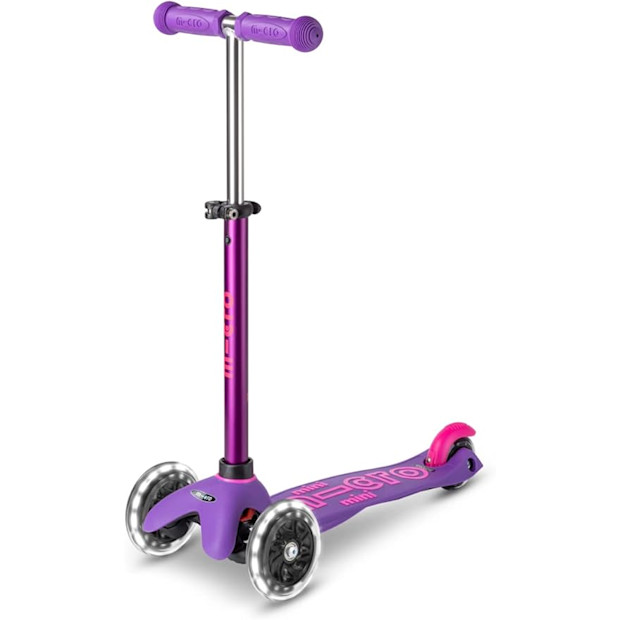
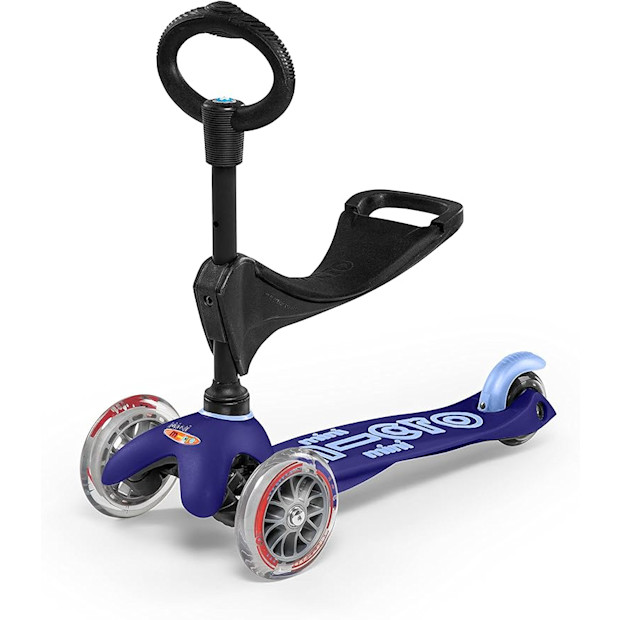
The Micro Mini is by far the best toddler scooter. Every parent who's had one raves about it; every tester who's reviewed it puts it at the top. Both of my kids have had (and loved) several iterations of this scooter, and my younger son’s is still his transportation mode of choice.
What makes it worthwhile is the build quality and the ride. It’s super sturdy (ours are still going strong after years of everyday use), the ride is smooth and quiet and the learn-to-steer is responsive and easy for little ones to master. The adjustable handlebar grows with your child from about age two all the way through five. This LED wheel version adds a little extra fun.
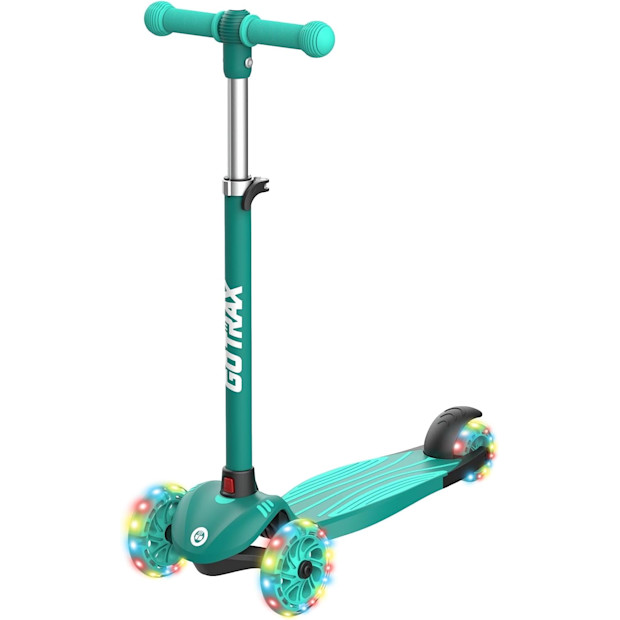
Other Toddler Scooters to Consider


🚴 Best Balance Bikes
A balance bike is a two-wheeled bike with no pedals and no chain. Kids learn to walk with it between their legs, then scoot, then glide, building the balance and coordination they'll need to transition to a pedal bike later. Many kids who start on a balance bike skip training wheels entirely and go straight to a real bike, often around age four or five.
A note on balance bikes: They’re great, but they’re also a category where kids vary a lot. Some toddlers take to a balance bike at 18 months; others want nothing to do with it until age three (or, never). I recommend starting with a solid but affordable option before going premium.
Best First Balance Bike
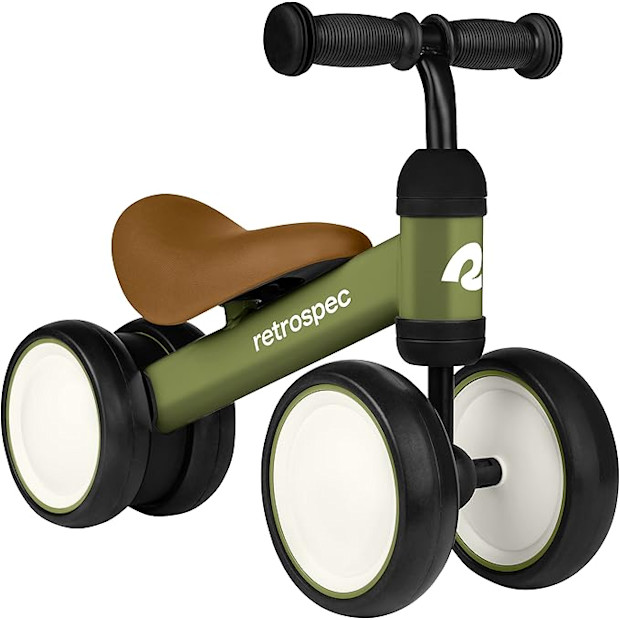
The Retrospec is an early toddler take on the balance bike, with four wheels instead of two for added stability for the youngest riders. It’s both indoor- and outdoor-friendly and has a limited steering range to prevent your toddler from tipping over.
Best Balance Bike for Toddlers
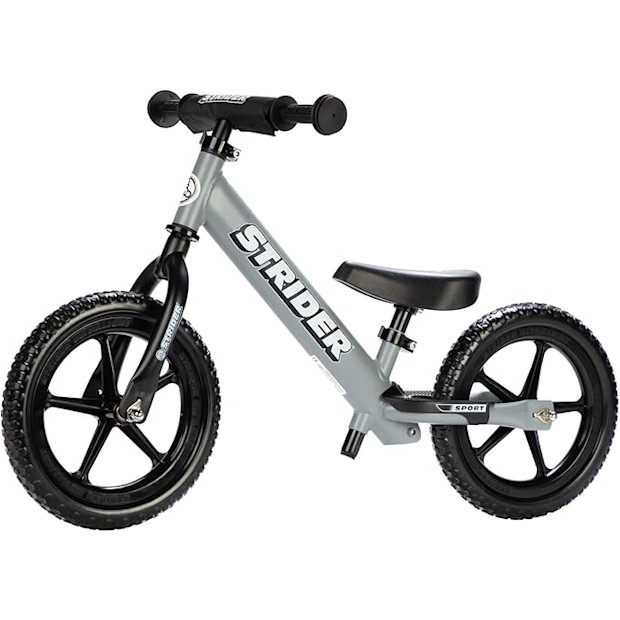
For a slightly older toddler, this balance bike from Strider is lightweight (under seven pounds), and fits kids from about 18 months through five years with an adjustable seat and handlebar. It doesn’t have a hand brake (kids learn to drag their feet to stop), which some parents find frustrating as kids get faster, but at less than half the price of some premium options, it’s an excellent first balance bike.
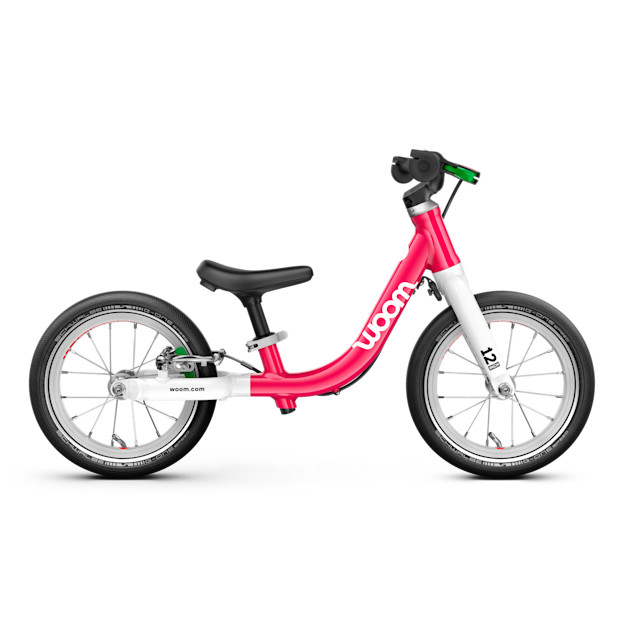
If your child turns out to love their balance bike and you know they’ll use it for years, consider upgrading to the Woom GO 1. It's lighter, has a hand brake built in and the geometry is designed to put small riders in a more natural, confident position.
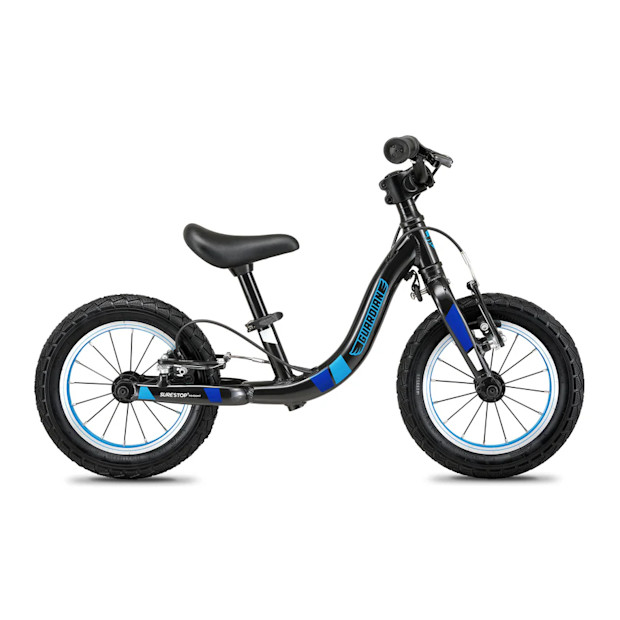
Other Balance Bikes to Consider
;)
;)
;)
;)
;)
;)
;)
;)
🦄 Just for Fun
Some ride-ons don't fit neatly into a category—they're just genuinely great toys that toddlers love. A few favorites worth knowing about:
No pedals, no batteries, no pushing: your toddler just sits down, turns the steering wheel back and forth, and the car glides forward. Pro tip: the Wiggle Car works best if you pick a surface and stick to it. Using it outside scuffs up the wheels, which will then mark up wood floors when you bring it inside. It’s best kept as an indoor toy or an outdoor toy, not both.
Technically not a ride-on toy in the traditional sense, but this childhood classic deserves a mention. Kids push the coaster car to the top of the ten-foot track and ride it down again (and again, and again). It’s ideal for toddlers two and up and works indoors and outdoors.
Parents of construction-obsessed toddlers (🙋🏻♀️), listen up. This ride-on has a working excavator arm that scoops and dumps, plus lights, sounds and under-seat storage. It works best when used in a sandbox or outdoor space where they can actually dig.
Is this the most unique (and somewhat ridiculous) ride-on on the list? Yes. Might it make your horse-loving toddler lose their mind with excitement? Also yes. Powered entirely by up-and-down bouncing motion, the PonyCycle moves like a real horse (legs and head included) with no batteries or electricity required. It steers left and right, has a hand brake and makes neighing sounds when you press a button 🐴. This smallest size is the best toddler pick, but your little one will still need to be around age three before they can start using it.
Best Choice Products 12V Kids Electric Vehicle Toy Ride On Car
From $179.99What started as a “Does our toddler really need this?” debate in our house quickly became one of our most-used toys. Battery-powered ride-ons are their own category (and are best for older kids, starting around age three), but they’re a classic for a reason. This one has good battery life and real-life features my kiddo loves like LED headlights, lockable doors and a seatbelt. The best part: parents can use Bluetooth to connect their own music so they can jam out while their kids joyride.
Types of Ride-On Toys
Ride-ons fall into a few main categories:
-
Push ride-ons. These are foot-powered: toddlers use their feet to scoot along. This includes everything from classic cars and push-assisted models to balance bikes and scooters.
-
Pedal ride-ons. These have pedals that kids use to propel themselves forward, like a tricycle. These are better suited for preschoolers than most toddlers, who typically aren't ready to coordinate pedaling until around age three or four.
-
Electric ride-ons. These are battery-powered with a small motor, so kids can ride without using their feet at all. They’re best for older toddlers (ages three and up) and bigger budgets, but genuinely a lot of fun when the timing is right.
What to Look for in a Toddler Ride-On Toy
You don't need to overthink this, but a few things are worth keeping in mind.
-
Age and size appropriateness. Most ride-ons have a recommended age range and weight limit, and they actually matter. A ride-on that's too big can be frustrating and unsafe; one your toddler has outgrown won't hold their interest for long.
-
Safety features. For younger toddlers especially, look for a seatbelt or harness, a sturdy built and, for push cars, a parent handle.
-
Adjustability. An adjustable seat or handlebar extends the life of the toy significantly as your child grows.
-
Durability. A well-made ride-on will survive siblings, outdoor use and the general chaos of toddlerhood.
-
Fun factor. This sounds obvious, but: does your kid actually want to ride it? Lights, sounds, or a favorite color or character can be the difference between a toy that gets used every day and one that sits in the garage.
Benefits of Ride-On Toys for Toddlers
Ride-on toys are fun, but they're also good for your toddler's development.
-
Help improve gross motor skills—the big movements using large muscle groups like walking, running and pedaling—and coordination as toddlers learn to push, steer and navigate. Ride-ons also offer a safe way for toddlers to practice balance and develop skills like spatial awareness.
-
Encourage physical activity and exercise, keeping toddlers active and healthy.
-
Boost imagination and creativity as toddlers engage in pretend play scenarios, such as driving a car or being a firefighter.
-
Build confidence and independence as toddlers gain a sense of control and achievement while riding their own toy.