
The Best Musical Baby Toys for Your Tiny Rock Star
These musical toys help your baby get their groove on—and support their cognitive and motor skill development, too.

By
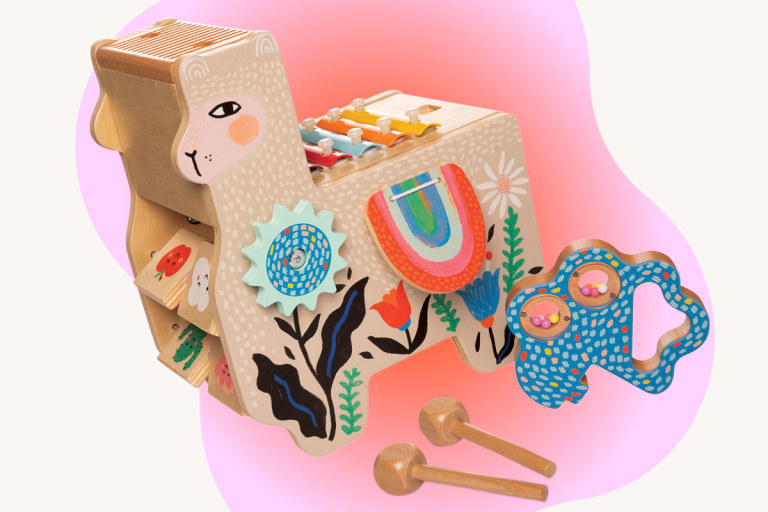
Have you noticed your baby’s eyes light up when you turn on music? Does your toddler like to rock out when they hear their favorite song? It’s no coincidence.
Most babies and toddlers love listening to music, and for good reason. Hearing is one of the first senses to fully develop, and, just like us, little ones love listening to songs, rhythms and beats.
As early as when they’re still in the womb, babies can reap the benefits of listening to music. Music can help your baby with everything from creativity and language development to motor skills, memory and emotional intelligence. Music can help soothe a crying baby or lift the mood of a cranky toddler. Some studies even suggest that music should be part of therapy for premature babies, because it can aid in cognitive development and overall comfort level.
To help you incorporate music into your everyday routine, we’ve rounded up our favorite musical toys by age range. So have fun and rock on!
The Best Musical Toys for 0–6 Months
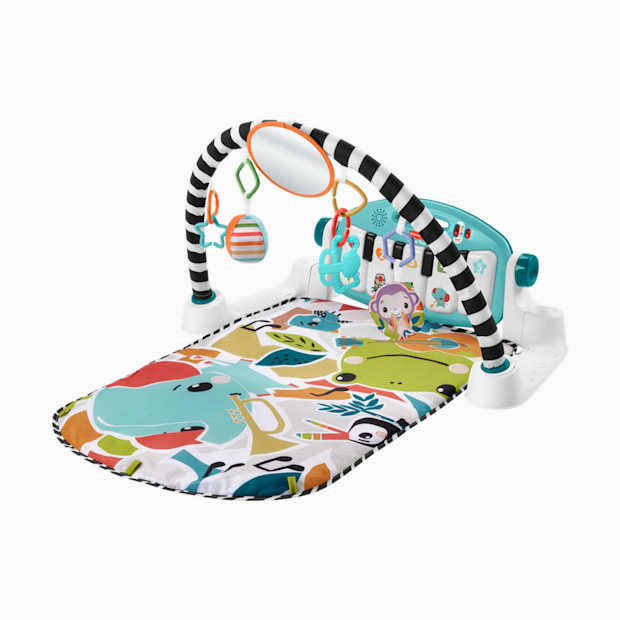
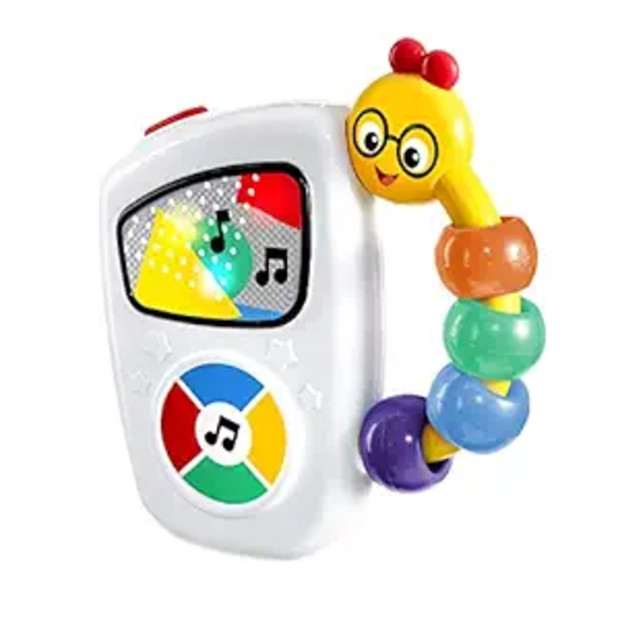
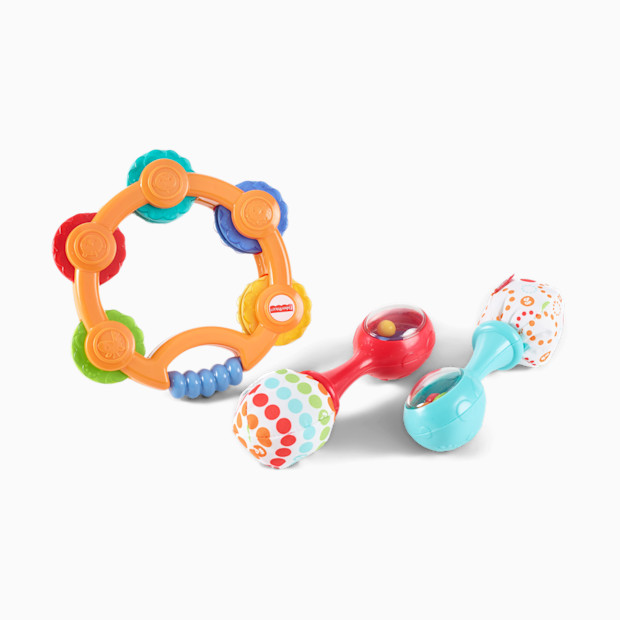
The Best Musical Toys for 6–12 Months

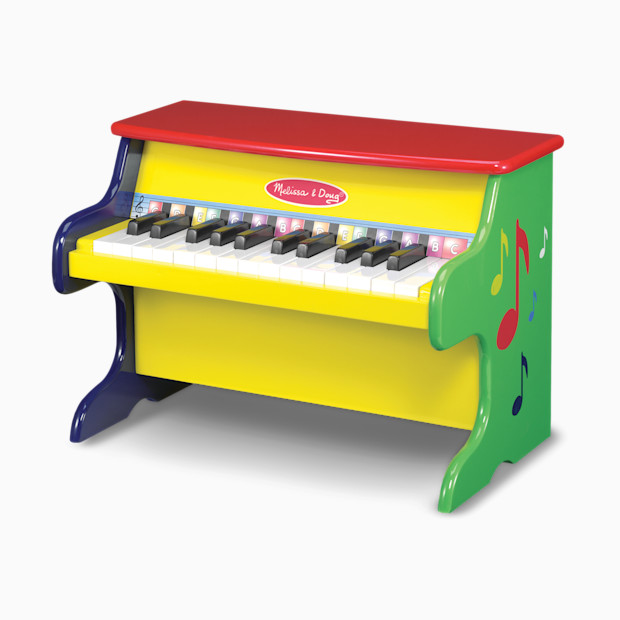
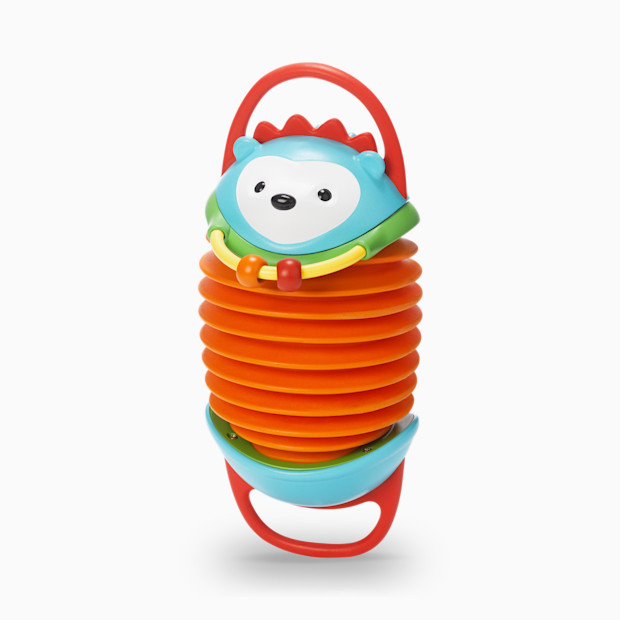

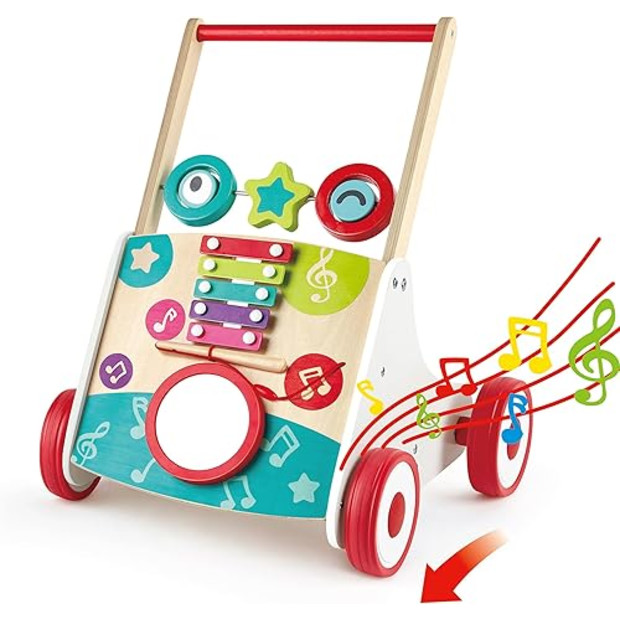
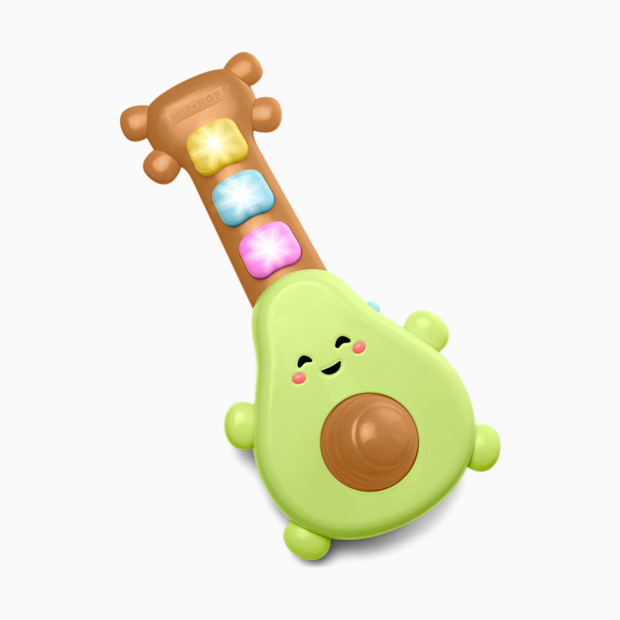

The Best Musical Toys for 1 Year and Up

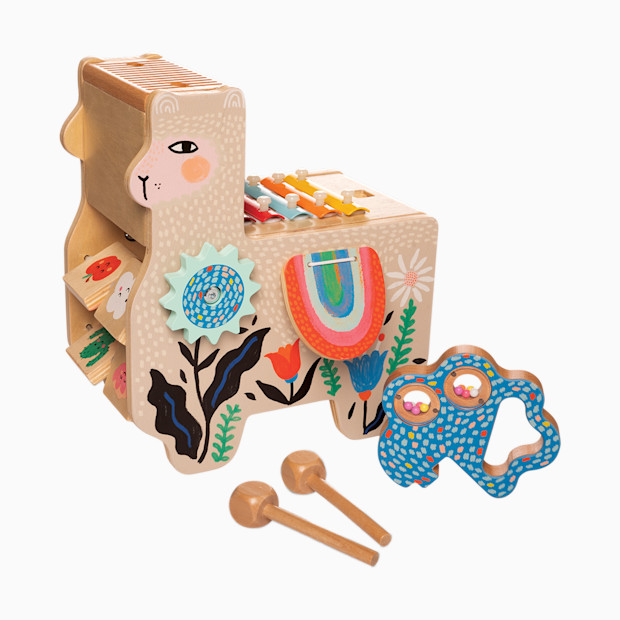
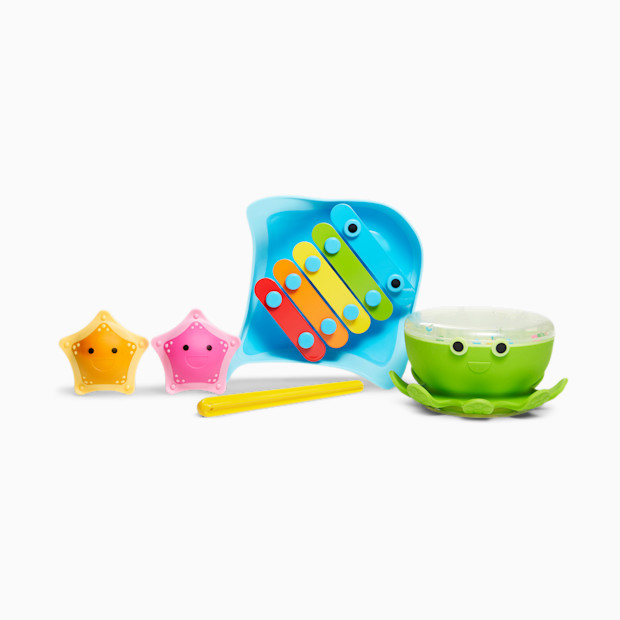
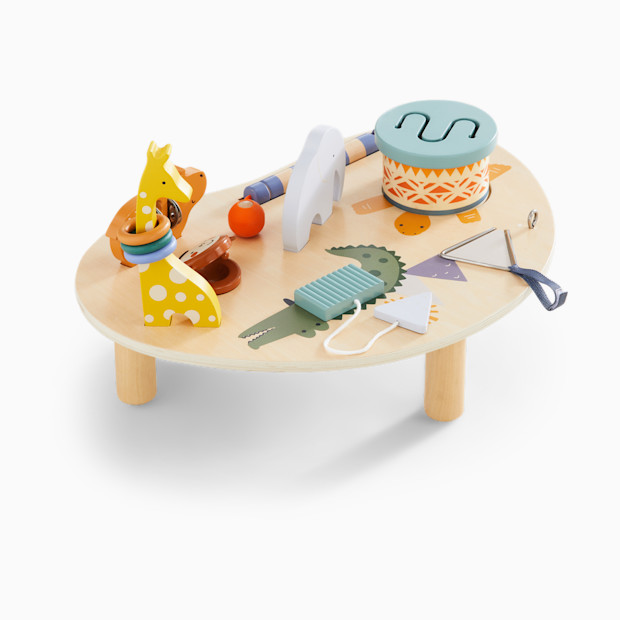
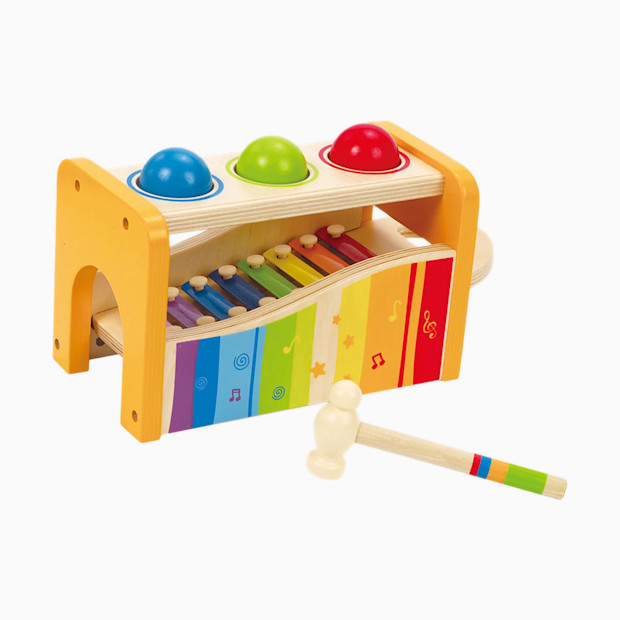


;)
;)
;)
;)
;)
;)
;)
;)
;)
;)
;)
;)
;)
;)
;)
;)
;)
;)
;)
;)
How to enjoy music with your baby
There are lots of ways to incorporate music into daily life with your little one. Something as simple as playing soft music during your baby’s bedtime routine or spending a few minutes each day rocking out (literally and figuratively) to your favorite tunes can help with soothing and comforting. And as you reach the toddler years, music can become a much more interactive experience. Toddlers love learning through musical play by singing, dancing, exploring rhythms and making their own music.
Can Deaf babies use musical toys?
If your little one is Deaf or hard of hearing, music can be just as beneficial to their development. Deaf babies are often able to sense rhythm, and may be able to sense certain tones of sound.
You can find lots of suggestions for how you can help Deaf children learn from music at Babyhearing.org—an organization run by audiologists, speech-language pathologists and other professionals at the Boys Town National Research Hospital in Nebraska.
Our best advice: look for toys that allow your baby to manually produce sounds themselves (by shaking objects or banging on them) rather than toys with electronic, button-triggered sound output. Toys with manually produced sounds allow baby to have a more full experience of feeling the rhythm or vibration by making the sounds on their own.