
Your 6-Week-Old Baby
It’s time for your baby’s first smile, the “witching hour” and what to expect at your 6-week postpartum checkup.

By
Six weeks in, many babies are starting to become more alert and social, offering up those first real smiles, which can make it easier (and more fun) to actually play with your baby. But that alertness comes with a price—all that cognitive development can also mean extra fussiness. Dr. Chris Klunk, a board-certified neonatologist at Pediatrix Medical Group, has advice on how to help your extra fussy baby, plus how to handle feeding and sleep changes.
At the same time, your six-week postpartum checkup is a chance to check in on your own healing, both physically and mentally. Ob-gyn Dr. Faith Ohuoba covers what to expect at that appointment, including how to raise mental health concerns with your provider.
And if you’re considering introducing formula to a breastfed baby or switching between formulas, Krystal Duhaney, an IBCLC and founder of Milky Mama, talks about why week six might be a good time to do that, and how to do it gently for baby’s sensitive digestive system.
🚼 Baby’s Development
😃 Baby's First Smile
You might’ve thought you saw a few smiles here and there over the past six weeks, and maybe even joyfully declared an early milestone to friends and family—but there’s a pretty good chance that those were reflexive smiles (caused by sleep and gassiness, of all things).
But now, right around week six or so, those smiles become intentional. Known as social smiles, they're one of the earliest and biggest milestones in your baby’s social-emotional development, Dr. Klunk says. These smiles "mark a clear positive response to faces, talking, eye contact or whatever other stimulation parents are offering up."
How do you know if baby's smile is reflexive or social? "Because one happens with sleep and one in response to something fun, it shouldn’t be hard for parents to tell them apart," Dr. Klunk says.
The best ways to encourage more of those baby grins: make eye contact, smile, talk, sing and just generally make some noises. Remember that baby is watching you to learn how to socialize and communicate (which we’ll talk about more next week), so make all the funny sounds you want, and you’ll be rewarded with real smiles.
🕔 The “Witching Hour”
As babies approach developmental milestones (like learning to smile), they tend to also get fussier—their brain is processing a lot with each new cognitive leap, so it makes sense that they’d be a little more sensitive. Weeks six through eight can be a peak time for fussiness as your baby starts to “wake up” and generally be more alert for longer stretches during the day.
You may notice that your baby is extra fussy and harder to soothe in the late afternoon or early evening—a point in the day known as the “witching hour,” though it can sometimes last several hours at a time. If your baby seems inconsolable at the same time every day, know that it likely won’t last longer than a couple weeks, and it’s a signal that your baby’s brain is preparing to learn something new and exciting.
The witching hour can make it harder for baby to calm down, and Dr. Klunk acknowledges that "it’s easy to forget the basics when your loved one is upset. The best advice I can give is to focus on the basics. Are they clean, fed, safe and being loved on?" Once you've covered those, try your best to stick to whatever soothing routine you’ve already established, whether that’s holding baby skin-to-skin, wearing them in a carrier, dimming the lights or singing gentle lullabies.
💡 Try This with Baby: Playing Games
We don’t think it’s too harsh to say that your baby’s newfound alertness also means they’re becoming less…boring. Though there’s still a lot your baby can’t do yet, but learning to smile means they can react to you when you play with them.
This is the perfect time for simple, gentle games that support both development and bonding, especially if your baby has gotten more tolerant of tummy time and can spend longer stretches on their playmat. Try incorporating high-contrast, black-and-white toys and pictures, holding them about 10 inches in front of baby, since that’s how far they can see at six weeks old.
If baby is laying on their back, you can do classic baby games like peek-a-boo and tickles—and you might even get baby’s first laugh out of it by the second or third month.
Don’t worry if your baby only engages in playtime for a minute or two at a time. Short and sweet is the name of the game at this stage, especially if they’re prone to getting extra fussy (you don’t want to overstimulate them).
💗 You, 6 Weeks After Baby
🧑⚕️ Your Physical Health
Shortly after delivering your baby, your ob-gyn should’ve recommended that you schedule your follow-up appointment for around week six. But this check-up is more than just a physical exam—it’s a chance to talk to your doctor about anything related to your recovery and your journey as a new parent.
According to Dr. Faith, this six-week appointment is when your ob-gyn will address “the five Bs”:
Breastfeeding goals
Bleeding issues
Birth control options
Baby's well being
Baby blues/postpartum depression
If you had any complications during your pregnancy or delivery, your ob-gyn will also use this appointment to check up on those conditions. For instance, if you had preeclampsia, your doctor will check your blood pressure; or if you had gestational diabetes, they’ll check your postpartum glucose levels.
Six weeks postpartum is also the point when your doctor might clear you for regular exercise and sex, though it depends on how well your body is healing and if you’re ready for it. If you’re not ready for either just yet, that’s totally fine—no need to push yourself.
And you probably noticed that birth control is on the agenda. If you're in a heterosexual relationship or otherwise are capable of getting pregnant again, then contraception of some sort is recommended at this point, even if you're breastfeeding. It can be dangerous to your physical health to get pregnant again so soon after giving birth, so your doctor will talk through all the options to find a birth control that works for your needs.
🧠 Your Mental Health
You probably noticed that one of the “five Bs” includes addressing any “baby blues” or emotional downs you’ve been feeling since baby was born. Your ob-gyn should have you fill out a postpartum mental health survey (likely the Edinburgh Postnatal Depression Scale, or EDPS), which will help them determine your risk of postpartum depression or anxiety.
But even with the help of a survey, it’s okay if talking to your doctor about your mental health feels a little uncomfortable or awkward. Dr. Faith recommends starting with something simple: “I believe simply saying ‘I don't feel good since having the baby’ is red-flag enough for an astute physician to pick up on.”
No matter how you say it, the most important thing is that you just start the conversation. “I believe in the policy of complete transparency in the postpartum period,” Dr. Faith says. “Your provider is trained and willing to help, but can’t if they don't know what’s going on with you.”
She recommends leaning on the EDPS your doctor gives you to fill out. “Feelings of awkwardness aren’t uncommon, [and] the routine screening at this time should hopefully take away some of the nervousness about discussing postpartum mental health. Once your EDPS screen is scored, it does allow for deeper conversations and steps to manage your well being.” And remember that getting support is a sign of strength, not failure.
🧑🍼 Feeding Baby
🍼 Week 6 Feeding Guidelines
Breastfed babies: Feed on demand, usually around 6–10 feedings per day.
Formula-fed babies: 3–4 fluid ounces per bottle every 3–4 hours, aiming for about 32 fluid ounces of formula per day.
🔀 Introducing Formula or Switching Formula Brands
As your baby grows, so does their need for more food. If you're thinking you might need to supplement your baby’s daily breast milk intake or transition fully to formula, you're not alone—many families reassess feeding around this time, especially as needs and routines shift.
“Many families find that giving formula at night works well since that's when your milk supply naturally dips anyway,” says Duhaney. And she wants breastfeeding and pumping parents to feel encouraged and reassured in their supplementing journey. “You're feeding your baby in whatever way works for your family, and you're doing an amazing job.”
Before you introduce formula to your breastfed baby, be sure to talk with your pediatrician and your lactation consultant so they can help you figure out how much to supplement and how best to fit it into baby’s feeding schedule. And when your baby does start having formula, “don't be surprised if your baby's poop looks different,” Duhaney says. “Formula might make it thicker, which is normal.”
If your baby already drinks formula, week six might also be a good time to evaluate whether your baby’s current formula brand or type is the best fit for their needs. Especially if your baby seems extra gassy, constipated or is spitting up more than usual, talk with your pediatrician before switching so they can help guide you toward appropriate options.
😴 Sleep
🛏️ Total Sleep: 14–18 Hours
🥱 Understanding Sleep Cues
Getting your baby down to sleep isn’t always a walk in the park, especially during the witching hour we talked about earlier, but understanding your baby’s sleep cues can help you get ahead of overtiredness and fussiness. Sleep cues can be subtle, though—Dr. Klunk says to look out for:
Yawning
Stretching
Slowing down
Eyes closing
Shying away from stimulation or turning away from you
Dr. Klunk says to remember that the goal is to put baby down before they hit full fusspot mode. It might take some trial and error, but getting in sync with their cues can make a big difference in making naptime and bedtime go faster and easier.
❓ Weekly How-To: Move Up a Diaper Size
Seeing a lot of diaper leaks lately? If they’re happening fairly often, like every day or two, it may be more than just bad luck—it might be time to size up.
By week six, many babies have grown out of their newborn size diapers, even though you might still consider them to be a newborn, age-wise. And if your baby was born on the larger size or has stayed on the higher end of the weight percentile, they might even be close to outgrowing their size one diapers.
You’ll know it’s time to size up when you start to see these signs:
Diaper getting fuller at a faster rate and/or sagging
More frequent leaks and blowouts
Red marks on baby’s legs and belly where the diaper’s elastic sits
Diaper tabs are fastening at the outermost edges; some diaper brands have lines printed right on the diaper’s edges for this, so be sure to look for those.
👀 Looking Ahead
Baby’s communication skills: You might hear your baby start to “talk” to you with coos, gurgles and a whole list of other adorable noises. These early sounds are the building blocks of speech—and a great excuse to talk to your baby, even if they can’t answer back yet.
Replacing breast pump parts: If you pump consistently, it may be about time to replace your pump parts. It’s a regular part of breast pump maintenance, and it can help ensure you’re getting the most out of your pump.
🛍️ Panic Order

Lalo
Art Cards

Sassy
Smart Stages Soft Book Set
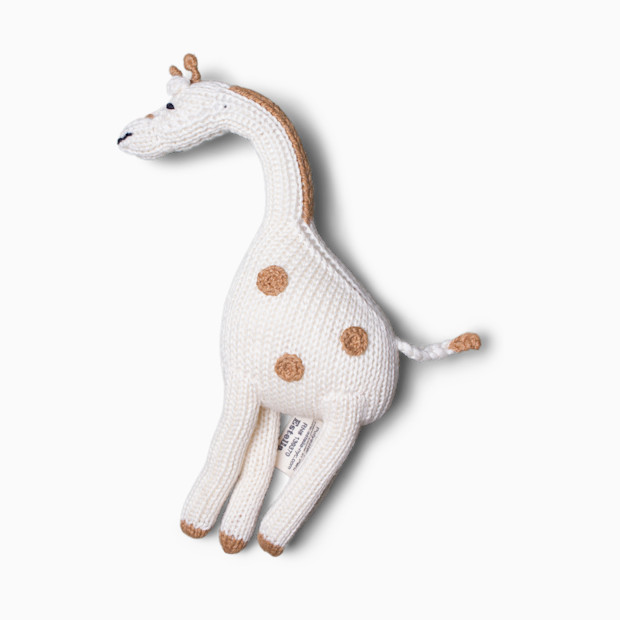
Estella
Organic Cotton Handmade Baby Rattle
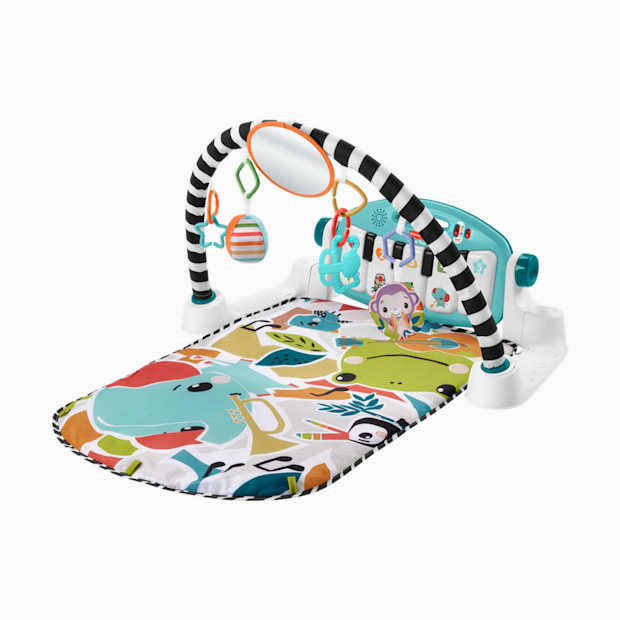
Fisher-Price
Fisher Price Glow and Grow Kick & Play Gym
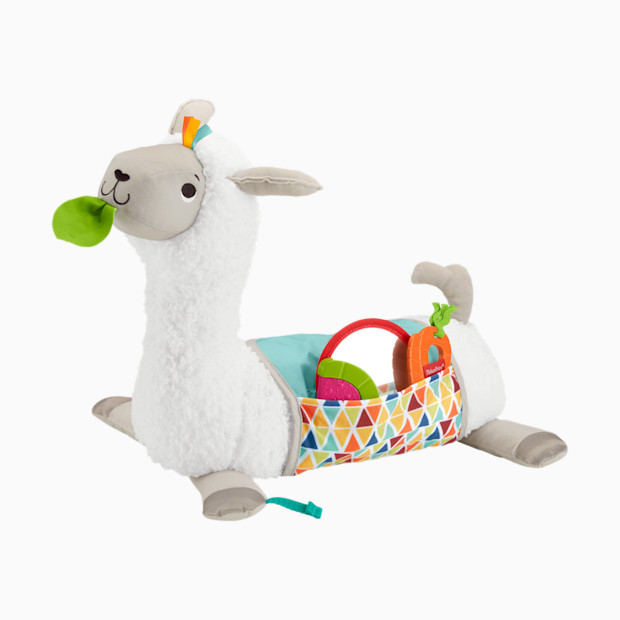
Fisher-Price
Grow-With-Me Tummy Time Wedge
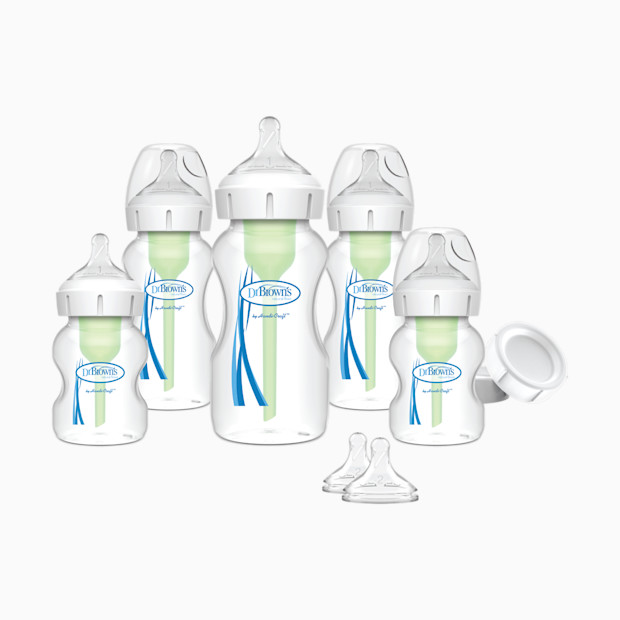
Dr. Brown's
Anti-colic Options+ Wide-Neck Baby Bottle Newborn Feeding...
Pampers
Pampers Swaddlers
Pampers
Pampers Swaddlers
Expert Sources
Babylist content uses high-quality subject matter experts to provide accurate and reliable information to our users. Sources for this story include:
Dr. Chris Klunk, board-certified neonatologist at Pediatrix Medical Group
Dr. Faith Ohuoba, Houston-based ob-gyn
Krystal Duhaney, IBCLC, registered nurse and founder of Milky Mama

;)
;)
;)
;)
;)
;)
","url":"https://www.babylist.com/gp/pampers-pampers-swaddlers/44136/1656719","source":"hello_baby"});)
","url":"https://www.babylist.com/gp/pampers-pampers-swaddlers/44136/2505053","source":"hello_baby"});)
;)