
9 Surprising Reasons You Might Want a Non-WiFi Baby Monitor
Why some parents are choosing simpler, more reliable monitoring—and what to know before you decide.

By

Baby monitors have come a long way. What used to be a simple audio device now includes everything from WiFi cameras to app-connected systems with sleep tracking. With so many options, it can feel like a lot, and it’s not always clear what you actually need versus what might just add extra complexity.
At the same time, there’s a growing shift toward simpler, more intentional technology. Many parents are rethinking how much they want to rely on apps, the internet and constant connectivity, especially during the early months at home. It’s not a total rejection of connected devices, but a simple way to prioritize ease, reliability and peace of mind. And that’s where non-WiFi monitors come in.
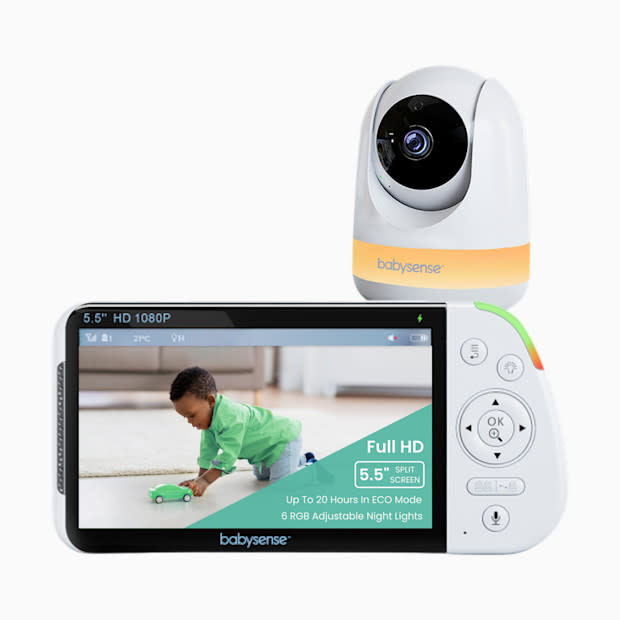
The Babysense Pro 1080p Full HD Split-Screen Baby Monitor is a strong example of how this category has evolved. It offers a large 5.5’’, high-definition display, clear video quality and practical features—without requiring an internet connection or app. For families looking for a more straightforward plug-and-play setup, it’s a compelling alternative. If you’ve been assuming WiFi is the default, here are some reasons a non-WiFi monitor might be worth considering.
1. It gives you a more focused, less distracting experience
First thing to know: non-WiFi monitors use a dedicated parent unit instead of a phone app. That means no push notifications, no background alerts and no need to open your phone to check in. For many parents, having a single-purpose device helps create a more focused experience—especially during overnight checks or downtime at home.

2. A closed-loop signal for maximum security
With WiFi monitors (and the possibility of WiFi hacking) privacy has become an increasingly important factor when choosing baby monitors. The Babysense Pro uses a secure 2.4GHz FHSS connection, a closed, relatively short-range wireless signal that sends video directly between the camera and the monitor. Because it doesn’t connect to the internet or store data in the cloud, it eliminates concerns about external access or data sharing. It also means there’s no cloud-based recording or remote viewing from outside the home, which some families may or may not need depending on how they plan to use their monitor.
3. It’s not dependent on your home internet
WiFi monitors rely on your home network, which can occasionally be affected by outages or signal interruptions. A non-WiFi monitor operates independently of your router, providing a direct and consistent connection. This can make a difference when you want reliable, real-time video without delays or disruptions, especially overnight or during quick check-ins.
4. Setup is simple and immediate
Ease of use matters, especially in the early days with a newborn. Non-WiFi monitors are typically ready to use right out of the box. There’s no app to download or account to set up—the camera and monitor are already paired. This also makes it easier for other caregivers—like grandparents, a nanny or any other helper—to step in without needing instructions or access to your phone.
5. Screen quality has significantly improved
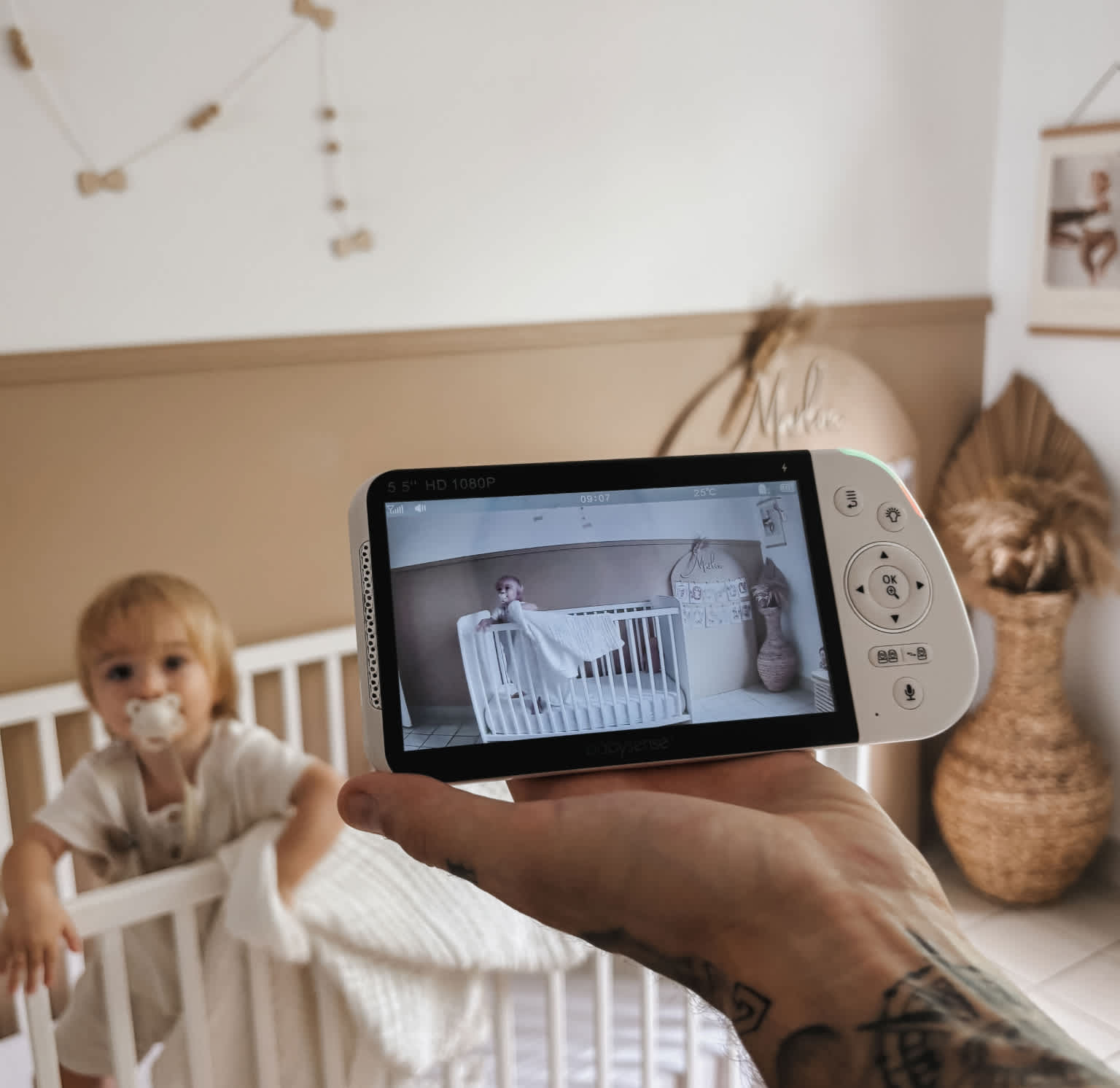
Today’s non-WiFi monitors offer much higher video quality than earlier versions. The Babysense Pro features a 5.5” Full HD display with 1080p resolution, delivering clear, detailed video day and night. The larger screen also supports split-screen viewing, making it easier to monitor multiple children at once.Plus: It's compatible with up to four different cameras with a scan mode feature that allows automatic rotation between the cameras—making it a good option for families with multiple kids.
6. It includes the features most parents actually use
Non-WiFi doesn’t mean limited. The Babysense Pro includes two-way audio, built-in lullabies and white noise (so you can skip buying a separate sound machine to save money), and customizable night lights with multiple color and brightness settings. All of this helps support everyday routines without adding unnecessary complexity.
7. It works easily beyond your home
Because it doesn’t rely on WiFi, a non-WiFi monitor is straightforward to use while traveling. There’s no need to connect to a new network or troubleshoot compatibility issues. Whether you’re visiting family or staying somewhere new, the setup remains the same.
8. It offers strong battery life and portability
A dedicated parent unit also means you’re not relying on your phone battery throughout the day and night. The Babysense Pro includes a long-lasting battery (up to 20 hours), so you can move around your home without needing to stay plugged in. That portability—combined with a long-range connection that covers up to 1000 feet—makes it easier to keep an eye on your baby from different rooms without interruption.

9. It reflects a shift toward simpler tech
Lots of parents today are looking for ways to reduce screen time and simplify their routines, especially in the early stages of parenting. Non-WiFi monitors align with this mindset by offering a more contained, purpose-built experience that focuses on reliability and ease of use.
For families who value simplicity, privacy and consistency, a non-WiFi monitor can be a thoughtful choice. The Babysense Pro shows that opting out of WiFi doesn’t mean giving up performance—it means choosing a setup that’s designed to work quietly and reliably in the background. At the same time, the right choice ultimately depends on what matters most to you—whether that’s remote access and app-based features, or a more streamlined, always-on connection at home.
This article is sponsored by Babysense. Babylist’s free site, apps and emails are made possible by our sponsors. We limit our sponsored content to relevant partners that offer products and services we believe in and use ourselves.

;)