
What Helped Me Through the Early Days of Breastfeeding
From nipple shields to nursing pads, these Medela essentials made my first few months of breastfeeding a little easier.

By

When I was pregnant with my first baby, I spent hours researching the stroller, the crib & the breast pump. I gave much less thought to the smaller things I’d need for breastfeeding—until I was figuring out a latch, managing nipple soreness & dealing with leaks.
Now that I’m breastfeeding my third baby, I know some of the most useful products aren’t necessarily the biggest or most expensive. They’re the small, practical things that help me get through a feeding, feel more physically comfortable or leave the house without worrying about where I’ll store my liquid gold.
Watch our video above to see Jessie, Mom of a new baby boy, talk about her early breastfeeding experience, and read below for some helpful ideas from Medela to add to your registry, from me, a Mom of three.
Before Baby: Preparing Without Knowing Exactly What You'll Need
Like how your baby arrives on earth, one thing I learned about breastfeeding is that you can never predict exactly how it'll go. Breastfeeding with my first baby was a totally different experience than with my third, but having a few basics at the ready can make those early days less overwhelming.
Colostrum collectors: Before your mature milk comes in, your body produces colostrum, a concentrated early milk packed with nutrients and antibodies. Some parents choose to collect it during late pregnancy so they have a little extra available after delivery. I did collect colostrum before the birth of my son, and it gave me a lot of peace of mind that he was getting something to eat while waiting for my milk to come in. The nurses helped me warm it up and give it to him in the hospital, and that little bit of extra time gave me just a little more rest. Medela's Harmony with Colostrum Collection Kit offers a way to collect and store those small amounts with collectors that connect to the manual pump, syringes if you want to easily suction up droplets and labels to help you prep it for hospital or at home. See it at 0:14 in our video.

A quick note: Antenatal colostrum expression isn't recommended for every pregnancy, so check with your healthcare provider before trying it, particularly if you have any risk factors for preterm labor.
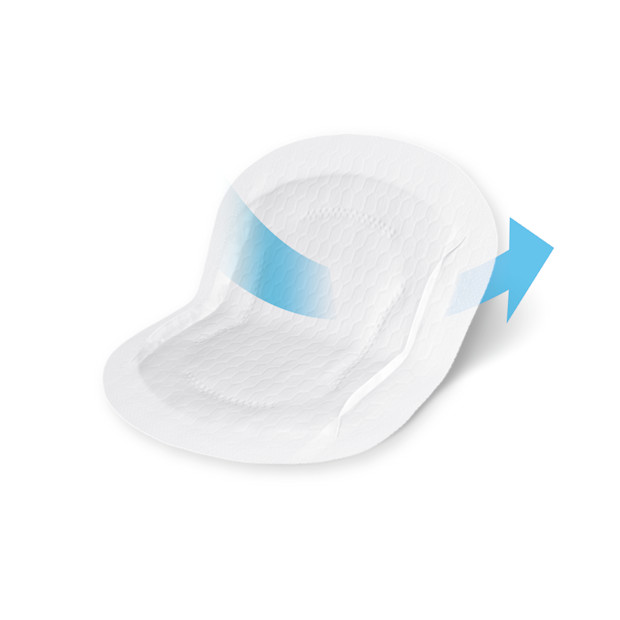
Nursing pads: Here's something I hadn't fully considered: Breast milk doesn't always wait to show up until your baby is hungry. When I was eight months pregnant I was surprised in a store to hear a baby crying and look down and see a wet spot on my shirt. Once milk production gets going, leaking between feeds can be an unexpected part of the experience. Medela's nursing pads slip inside your bra to absorb leaks, which means one less reason to change your shirt before noon. Each pad has an adhesive strip to help it stay in place inside your bra, so you don’t have to keep adjusting it. And, they’re individually wrapped, so if you throw a few into your purse or diaper bag, they’ll keep clean until you need to use them.
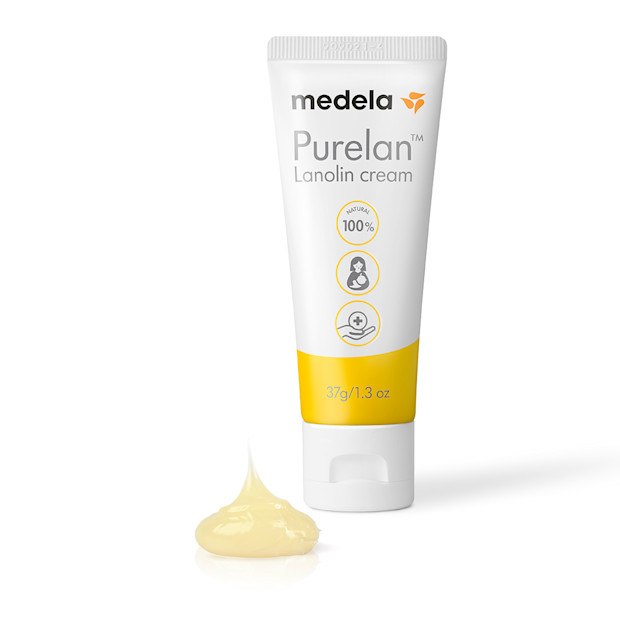
Purelan lanolin cream: Even with a good latch, nipples can feel tender as you adjust to breastfeeding… And if latching is a work in progress, blistering can happen (if you know, you know.) Medela's Purelan is a lanolin-based cream that helps moisturize and protect dry, sensitive nipples. It's also safe for your baby when used as directed, so you don't need to wash it off before nursing. Persistent pain, blisters, cracks or bleeding are worth discussing with a lactation consultant—not something you should just push through.
The First Days: Learning to Breastfeed Is a Two-Person Job
I'd heard and seen that breastfeeding was beautiful, but what I hadn't fully appreciated was that both my baby and I would be learning how to do it, and that one of us might be crying about it more than the other!
Some feeds went smoothly. Others involved repositioning, trying again, obsessively worrying about whether my baby was getting enough milk, weighted feeds, and many meet ups with my wonderful lactation counselor. Here are a few items that helped me feel better about breastfeeding in those really early stages:
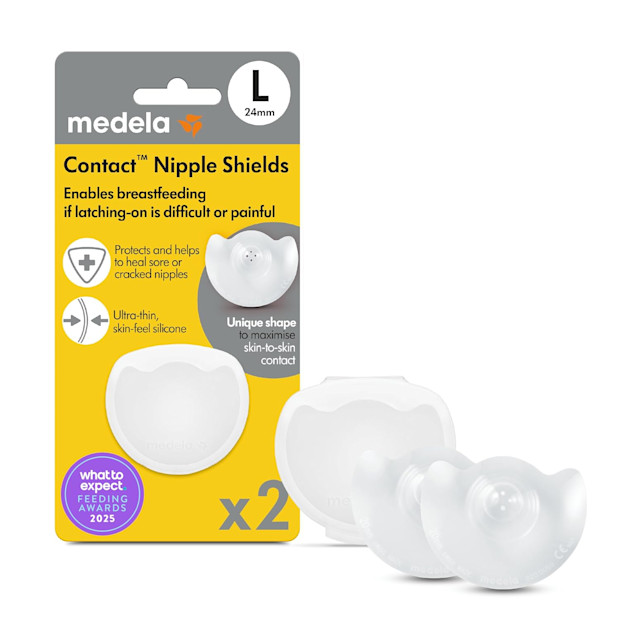
Nipple shields: I hear shield and automatically think of a weapon, and these were a secret weapon for me—and one I didn’t know existed before I gave birth. A nipple shield is a thin silicone piece that fits over your nipple during feeding. It can help some babies latch, particularly when they're struggling to maintain a latch or when nipple shape makes feeding more challenging. They’re also a solid addition when your nipples have been through it and could use some more protection after blistering and cracking.
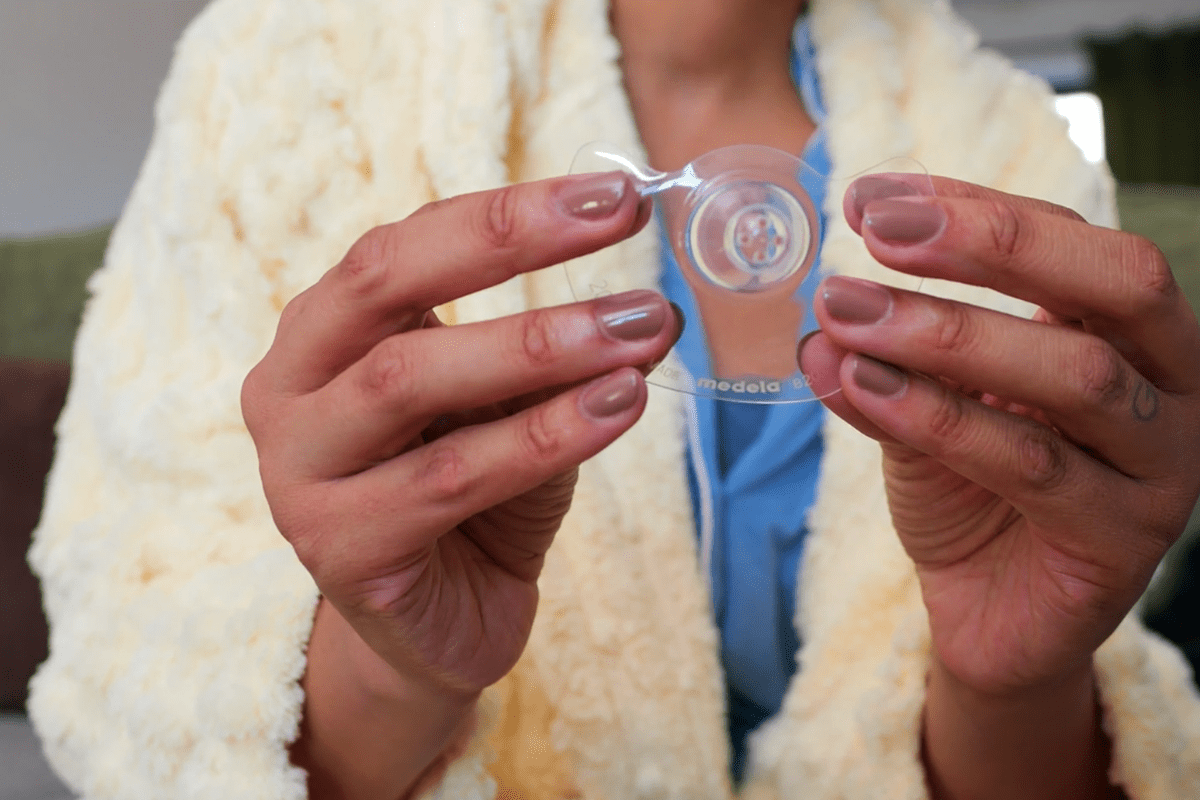
They're not necessary for everyone, and because they can affect milk transfer, it's best to use them with guidance from a lactation consultant who can help make sure your baby is feeding effectively. But for the right situation, a nipple shield can be a useful (and more comfortable) bridge while you're both learning.
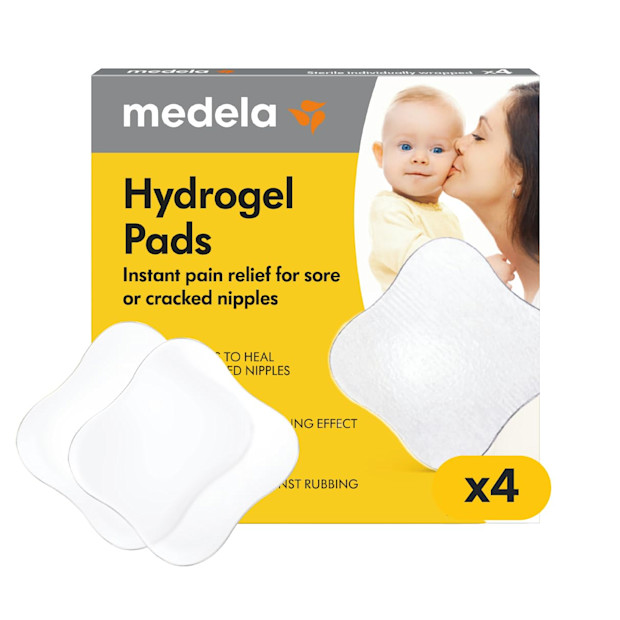
Hydrogel pads: Medela's hydrogel pads are like a soothing face mask for your nipples, especially if you are experiencing cracking, blistering, soreness or bleeding. They provide a cooling layer for sore skin between sessions. Sometimes a little physical relief is exactly what you need before the next feeding. One box comes with four individually wrapped pads– get them before delivery so they’re on-hand if you need them.
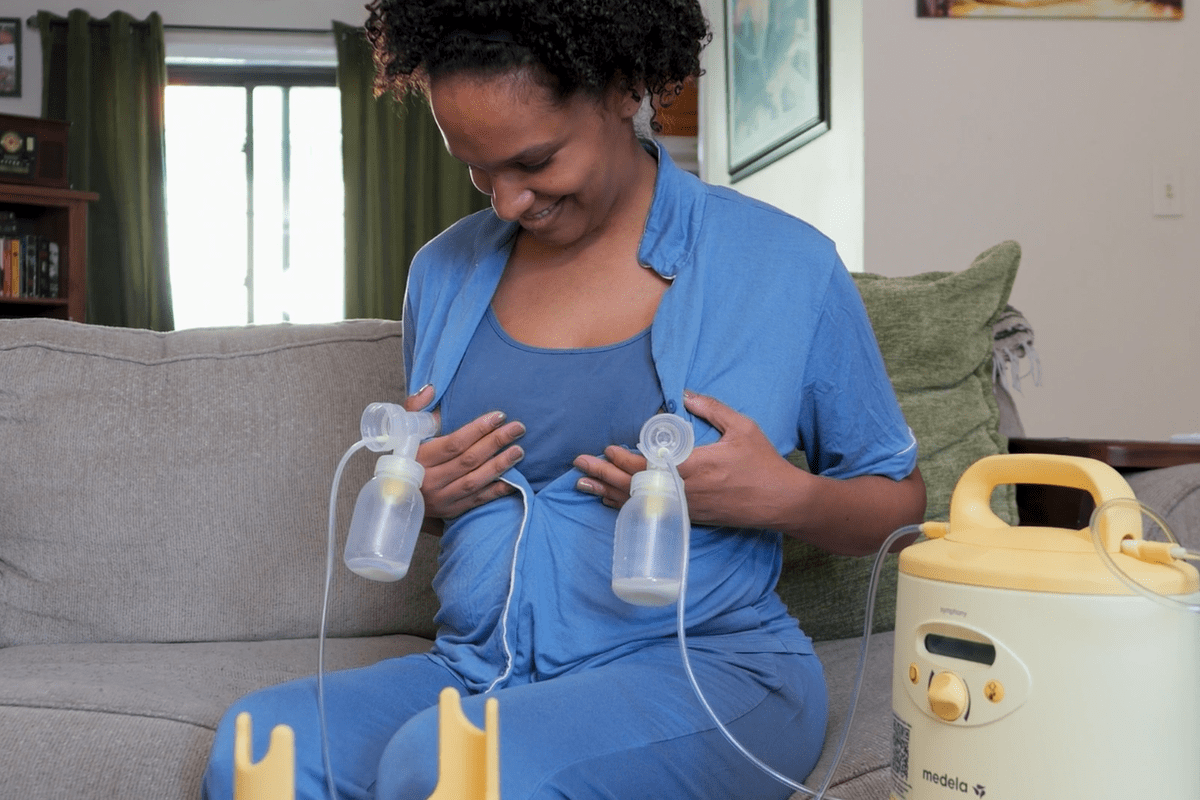
A hospital-grade pump: When my baby was sleeping through feeds and wasn't nursing as often as I needed, pumping helped me keep up with milk removal. Medela's Symphony hospital-grade pump is one option for parents who need frequent pumping support while establishing supply. What exactly does that mean? If breastfeeding is off to a tricky start (like it was for me with all three of my babies), this pump is powerful enough to help you get started in those early days while waiting for your milk supply to fully come in (but it will keep you going through your whole breastfeeding journey, too!) I consider this the Cadillac of breast pumps, and it definitely helped me boost my output in those early few months. I also found it the most comfortable in terms of a strong suction without tugging. See it in use in our video at 0:46.
Note: If your insurance policy doesn’t cover the Medela Symphony, most hospitals offer a monthly rental for a small fee. Ask your lactation department about this as an option.
A Few Weeks In: Finding a Rhythm (And Washing a Lot of Parts)
Eventually, feeding started to feel a little less like a mystery. Not necessarily predictable, but familiar. For me, that meant nursing, pumping when needed, storing milk and figuring out how to make the whole routine a little less time-consuming. Here are a few reliable standbys I had at the ready during months one and two.
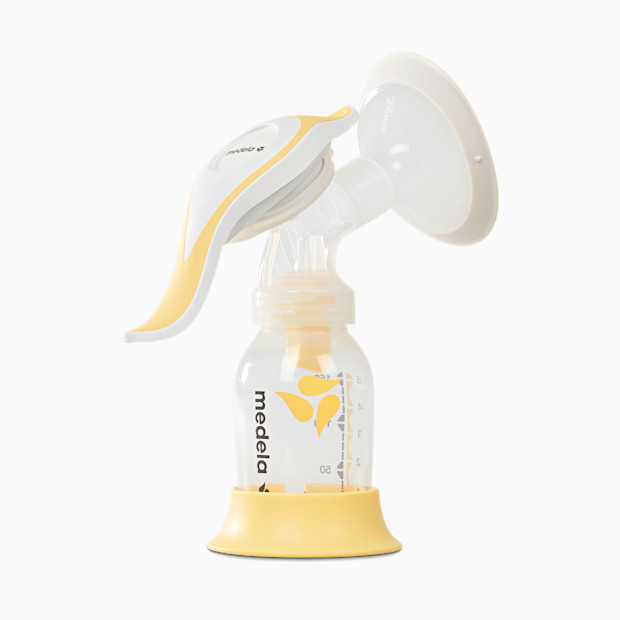
A manual breast pump: Medela's Harmony manual pump is a useful option when you don't want to set up an electric pump for a short session. It's compact, doesn't need charging and can be handy for occasional pumping or expressing milk when you're away from your usual setup. It isn't meant to replace a double electric pump for someone who pumps frequently, but that's part of its appeal: It's a simple tool for the times when simple is enough. I’d stash this in my diaper bag when I was running errands that had the potential to go longer than expected (like my daughter’s soccer games). This pump shines when you use it as a quick relief for engorgement, or if you’re feeling like you might be getting a clog, it can help you pump in a different way with more targeted pumping pressure.
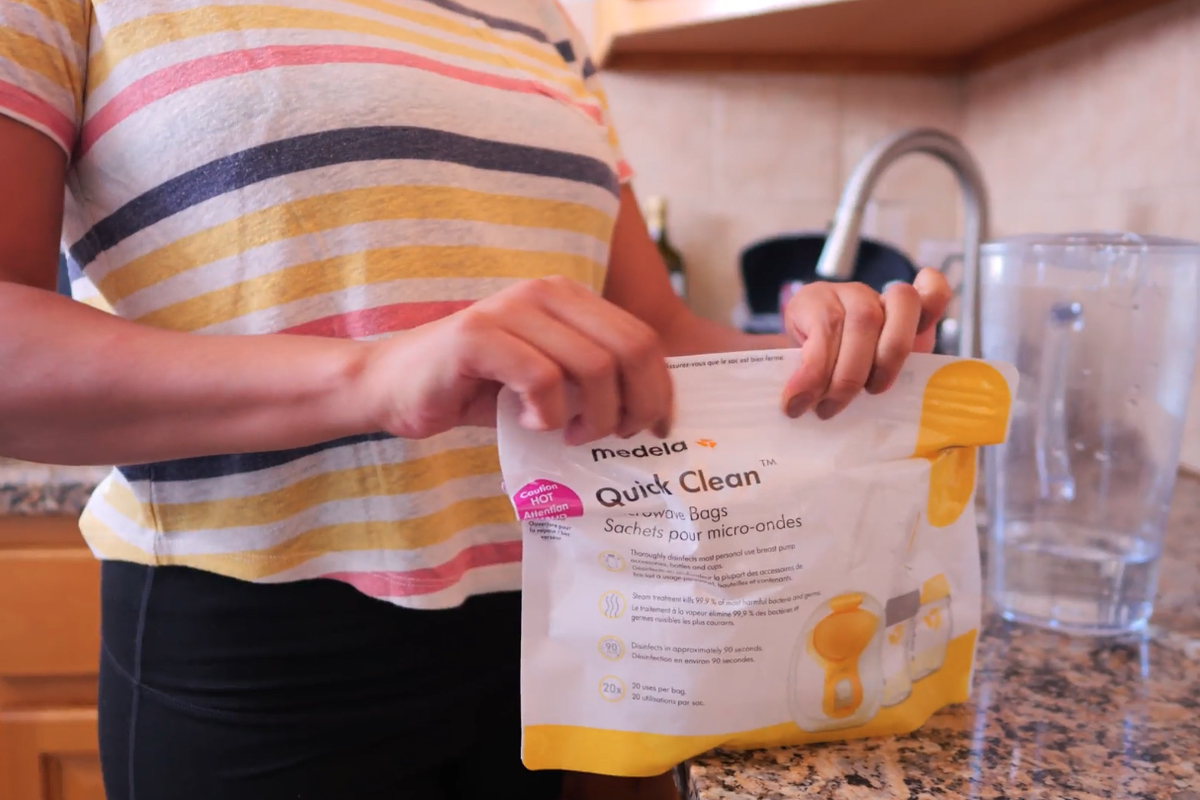
Microwave steam bags: If I could give a product an MVP trophy, it would be these. When you're pumping regularly, the parts and the cleaning (of all the parts) builds up fast. Medela's Quick Clean Micro-Steam Bags are a convenient way to sanitize compatible pump parts and accessories after they've been washed, using water and a microwave. Just remember that sanitizing doesn't replace washing, and it's important to follow the instructions for each item. One packet comes with five steam bags, but here’s the most important thing: each bag can be used up to TWENTY times. One box = 100 pump part cleanings.

Pump In Style Pro Breast Pump: This pump is petite but powerful; with sixteen levels and stimulation and expression modes. It has a clinically proven breast shield technology that delivers more milk (11.8% more) in less time. Plus, you can probably get it free– Babylist Health works with most major insurance companies to help you get a free pump. Check your eligibility here.
Milk storage bags: Once I started building a small supply of expressed milk (it took me a few months to have enough to actually store), storage became part of the daily routine. Medela's breast milk storage bags make it easy to portion, label and freeze milk for later—and when you are pouring the milk out into a bottle, there’s a spout to help avoid spills. Adding the date and amount to each bag also saves you from playing the guessing game when you're digging through the freezer. These are durable, don’t absorb any funky fridge or freezer smells, and a box comes with 100 bags.

And one thing worth noting for the people in back: The amount you pump isn't a report card on your milk supply. Output varies depending on when you last nursed, the time of day and how your body responds to pumping. Add in additional factors like hormones and wellness, and it’s important to remind yourself: you’re doing great.
Getting Out of the House: Making Feeding Fit Into Real Life
At some point, I realized I wanted to do something besides sit on the couch feeding, pumping and watching every tv show made in the past five years. Even a quick walk or trip to the store with the baby started to feel like a sanity saver.
That's where a few more practical products came in.
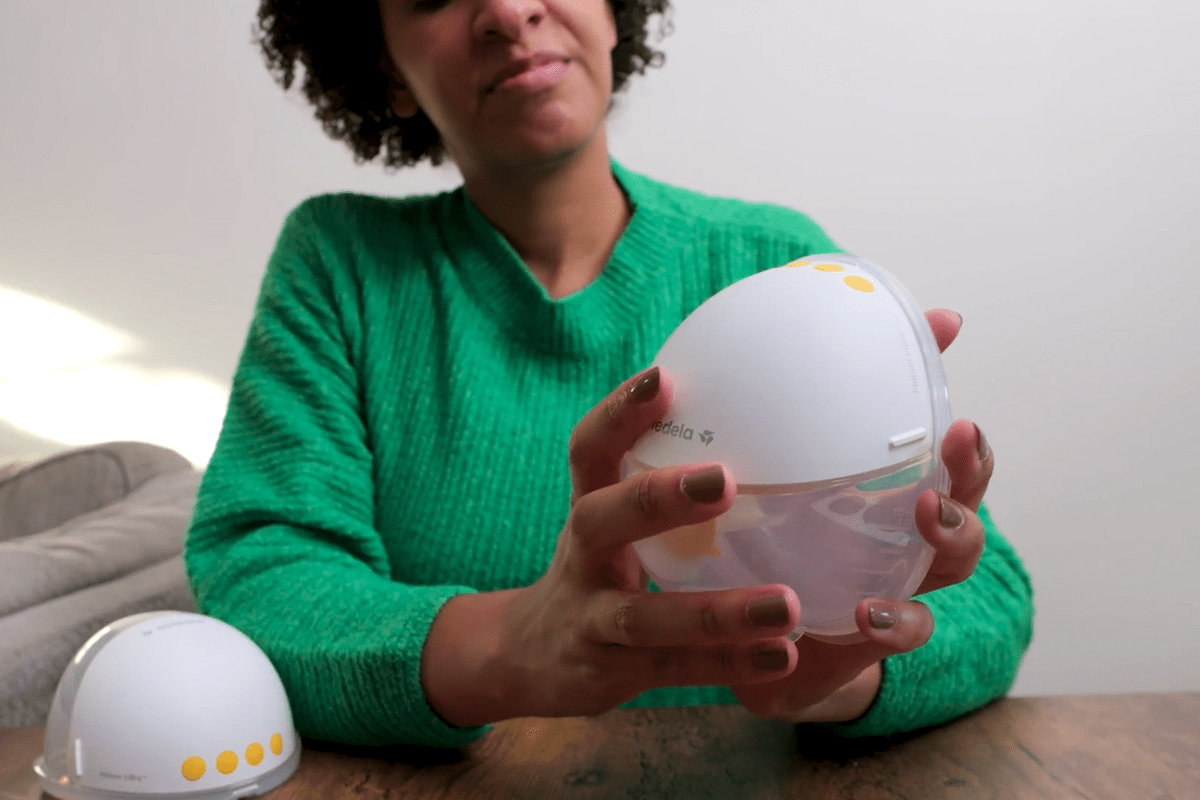
A wearable breast pump: Medela's Motion wearable pump fits inside a nursing bra, making it possible to pump without sitting next to an outlet or dealing with external tubing. It's helpful when you want more freedom to move around the house or get a few things done while multi-tasking. Wearable pumps aren't necessarily the best fit for every pumping session, especially if you're working to establish or maintain supply, but the flexibility can be useful. For a more in-depth guide to the Motion InBra, check out our guide.
A breast milk cooler bag: Medela's breast milk cooler bag gives you an insulated place to store your milk with ice packs, whether you're heading home from an appointment or spending a few hours away from your baby. The curved ice pack specifically hugs Medela bottles (which you can pump right into), reducing worries of spills. It's a small piece of gear that makes leaving the house feel a lot less intense, and it’s subtle in a basic black. PS: If baby is going to daycare, there’s a pouch on the outside to hold a name label, so you can pack breast milk to go for your little.

Looking Back? The Little Things Added Up
Like most of parenthood, after a few months of breastfeeding, I realized that the things that make the biggest difference aren't the ones I expected.
Sometimes, it's a wearable pump that helps me stick to a schedule, which is hard when two other kiddos also need my attention. Other times it's a nipple shield that helps me conquer a shallow latch, or a nursing pad that saves my favorite shirt. I'm still figuring things out, and I know that will continue for as long as I’m a mother. Having a few useful tools on hand has made the learning curve feel a little more manageable—and in this moment, and all the ones coming after it? That helps a lot.
This article is sponsored by Medela. Babylist's free site, apps and emails are made possible by our sponsors. We limit our sponsored content to relevant partners that offer products and services we believe in and use ourselves.

;)
;)
;)
;)
;)
;)
;)
;)
;)