
Yes, Pregnancy Hemorrhoids Are a Thing—Here’s How to Feel Better
Here's what you need to know if you have this uncomfortable yet common pregnancy symptom.

By

Pregnancy often comes with all sorts of surprises. Some surprises, like feeling your baby kick for the first time, can be joyful. Others, like discovering that 50% of pregnant women will develop hemorrhoids at some point before their baby arrives, are decidedly less pleasant.
If you’ve developed hemorrhoids during pregancy, you may have all sorts of questions about what causes them, how long they’ll last and what you can do to feel better. We talked to Dr. Stephanie LaFave, a Virginia-based doctor specializing in colon health, and Carrie Murphy, a full-spectrum doula, about what you need to know when dealing with pregnancy hemorrhoids.
What are hemorrhoids?
Hemorrhoids are swollen veins around your anus, and they can appear on the inside, outside or both. They look like lumps protruding from your anal wall, and they can be red, purple or the same color as the rest of your skin.
Internal hemorrhoids are on the inside of your body, so they’re not typically visible unless they prolapse onto the outside of your body. Usually, internal hemorrhoids that stay inside don’t cause pain, though they may cause some bleeding and discomfort when you have a bowel movement. If internal hemorrhoids do prolapse and begin to protrude from your anus, they’re more likely to cause some pain and discomfort.
External hemorrhoids exist under the skin immediately adjacent to your anus. These sorts of hemorrhoids tend to be painful, itchy and swollen if they get irritated.
While hemorrhoids can cause discomfort and mild disruption to your daily life, they’re not dangerous and won’t impact you or your baby’s long-term health.
How can I tell if I have hemorrhoids?
If you’re feeling some backdoor discomfort during pregnancy, hemorrhoids are a likely culprit. Most of the time, if you develop hemorrhoids, you’ll notice them—they feel distinctly different from other pregnancy symptoms. “Hemorrhoids most commonly cause symptoms such as pain or fullness around the anus, pain with bowel movements or the feeling of needing to have a bowel movement,” Dr. LaFave says. Other symptoms to look out for include:
-
Bleeding with bowel movements
-
A raised area near or seemingly protruding from the anus
-
Itching
-
Burning
-
Pain with movement and sensitivity to touch
If you see blood when you wipe after having a bowel movement, it's a good idea to touch base with your care provider to rule out any other issues. You can also grab a hand-mirror and take a peek down below yourself to see if you can spot the source of your discomfort.
What causes hemorrhoids?
While hemorrhoids can occur at any time, they’re more common during pregnancy due to the physiological changes in your body as it grows and prepares for childbirth.
During pregnancy, your blood volume expands by around 45%. This extra blood helps carry oxygen and nutrients to your growing baby and helps your body prepare for the inevitable blood loss that occurs after giving birth. It's also the reason your veins enlarge, which makes them more prone to uncomfortable swelling and hemorrhoids.
Your growing uterus (and the baby inside of it) also puts pressure on your entire pelvic floor, including your rectum. As the uterus becomes heavier, the veins around your anus become more susceptible to strain.
Many people find that they remain hemorrhoid-free during their first and second trimesters, only to see them show up during the final weeks of pregnancy when the uterus puts maximum pressure on their pelvic floor. But if you’ve had hemorrhoids in the past, you may notice them occurring as early as the first trimester.
Constipation can also be a contributing factor. Constipation is a fairly common pregnancy symptom, since slowed digestion means your body has more time to absorb the nutrients you and baby need, and it can lead to hemorrhoids in the earlier months of pregnancy. When you’re constipated, you’re more likely to strain during a bowel movement, which can stress the already enlarged veins in and around your anus.
Can you prevent hemorrhoids?
While you may not be able to totally prevent hemorrhoids, there are things you can do to reduce your risk or reduce their severity if they do occur. Prevention methods mostly focus on limiting the risk of constipation and the associated straining, including:
-
Choosing high-fiber foods
-
Drinking plenty of water
-
Going when you feel the urge and avoiding lingering in the bathroom (sitting for too long on the toilet can increase the pressure on your anal region)
-
Avoiding straining when you have a bowel movement
How can you relieve hemorrhoid discomfort?
If hemorrhoids have you squirming in your seat (or even struggling to sit down), you probably want relief as quickly as possible. While you may not be able to get rid of them instantly, you can do a lot to reduce the associated discomfort.
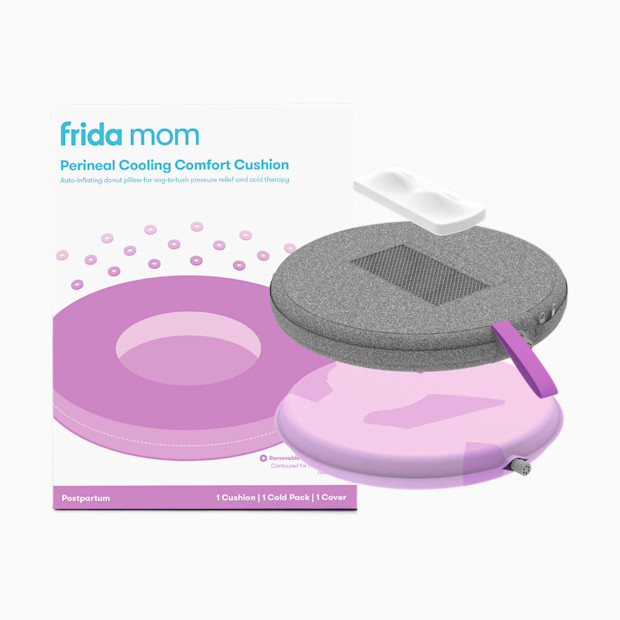
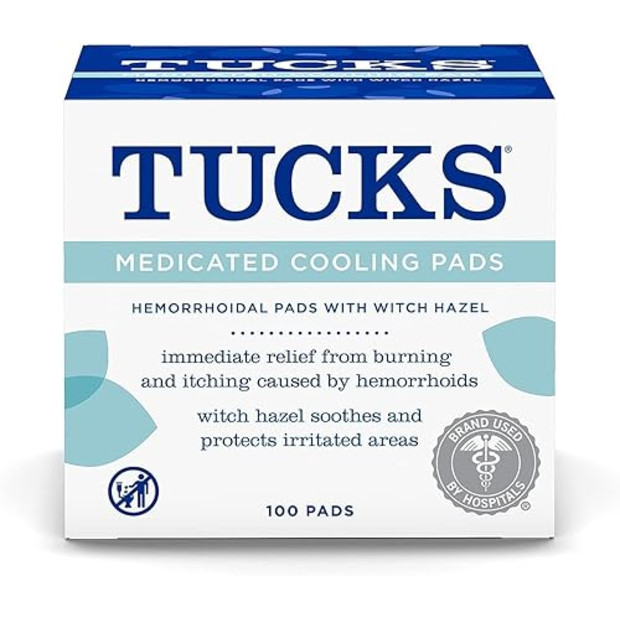
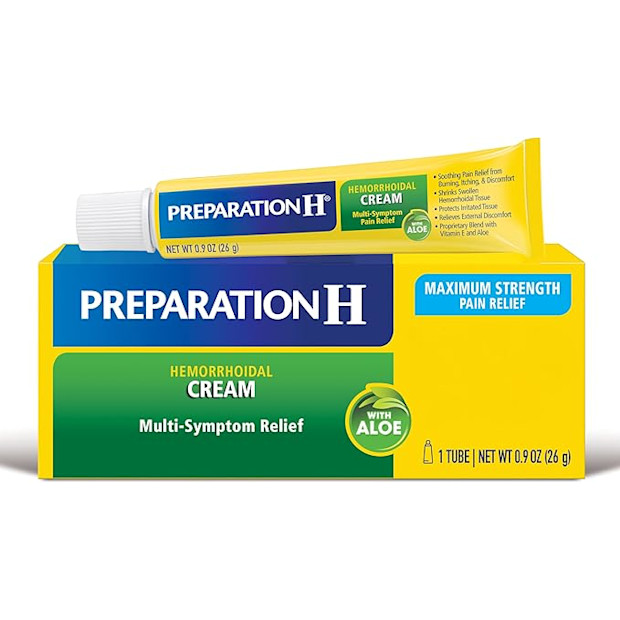
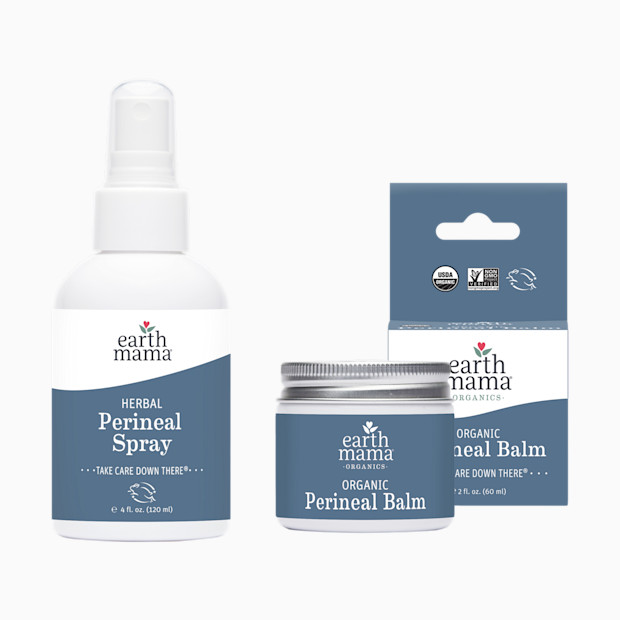
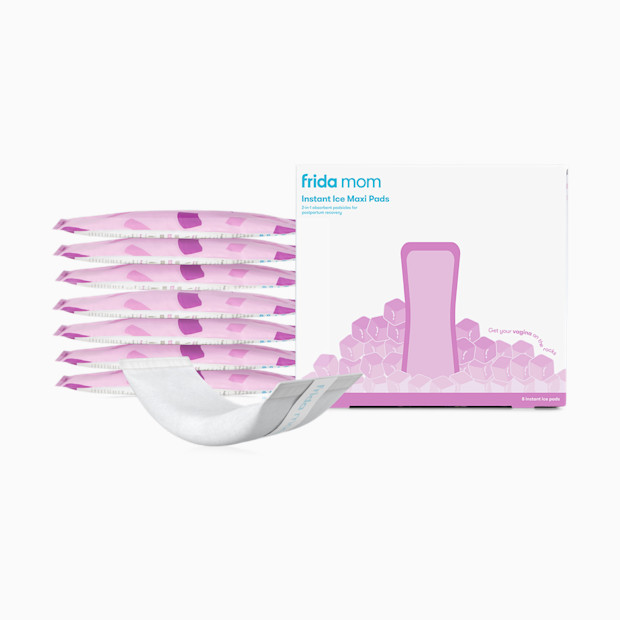
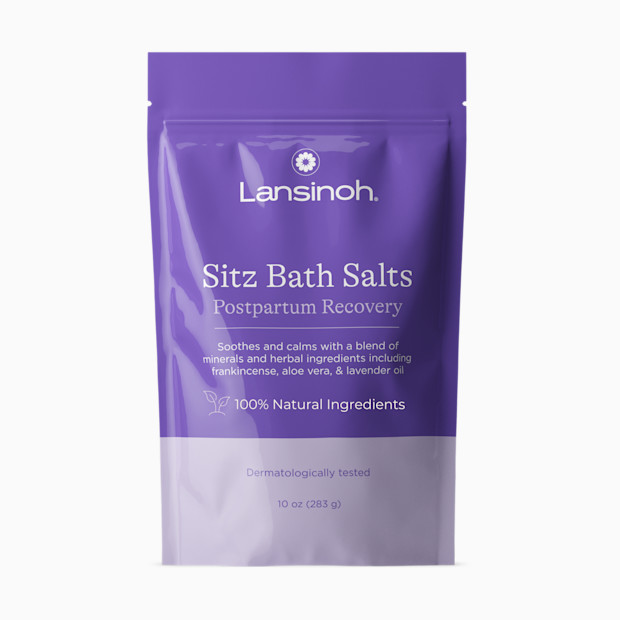
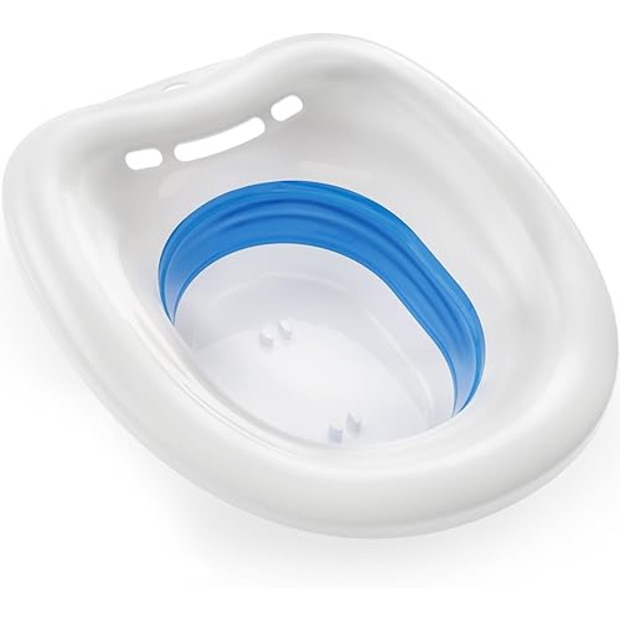
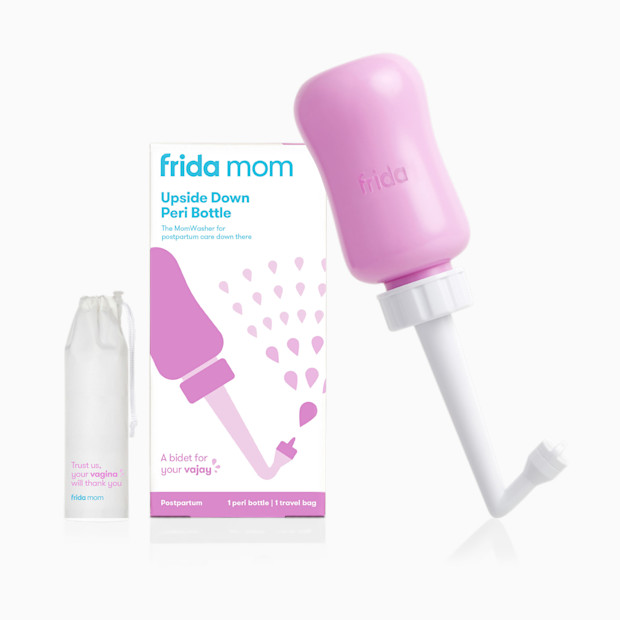
“There are lots of simple over-the-counter things people can do to get relief, like herbal sitz baths, witch hazel pads or applying a baking soda paste to quell itching,” says Carrie Murphy, a full-spectrum doula based in Austin, Texas. Using cooling pads and donut cushions can also provide temporary relief until your hemorrhoids are less irritated. When you have a bowel movement, be sure to use a peri bottle to rinse yourself or cooling wipes instead of regular toilet paper to avoid as much additional irritation as possible.
;)
;)
;)
;)
;)
;)
;)
;)
It’s also important to note that not all hemorrhoids need treatment. “If they aren’t giving you discomfort, you don’t have to do anything to treat them,” Murphy says.
Will hemorrhoids go away?
Depending on the size and severity of your hemorrhoids, you might see them shrink and partially or totally go away after a few days, or you might find they’re a longer-term problem. Small hemorrhoids often shrink on their own as the initial swelling and irritation decrease. Larger hemorrhoids will generally become less painful within a few days but may take longer to naturally go away or, in some cases, may require treatment from a doctor.
If you have hemorrhoids during pregnancy that shrink substantially or do seem to disappear, don’t be surprised if they reoccur later on or while you’re giving birth. Hemorrhoids are an ongoing issue for many people during the third trimester, so don’t be shy about adding hemorrhoid relief products to your cart.
Post-delivery, most people notice their hemorrhoids shrink within several days. If you’re still experiencing discomfort, pain or a noticeable protrusion several weeks after delivery, your ob-gyn may refer you to a colorectal doctor who can share options for persistent hemorrhoids. It's not common, but some severe or prolonged hemorrhoids do require surgical treatment.
Whether you experience hemorrhoids just once or repeatedly throughout your pregnancy, hopefully it helps to know that most hemorrhoid-related discomfort passes within a few days. Do what you can to prevent straining and undue pressure on your nether regions, and take it easy on your body if they do show up.
Expert Sources
Babylist content uses high-quality subject matter experts to provide accurate and reliable information to our users. Sources for this story include:
-
Dr. Stephanie LaFave, family medicine physician
-
Carrie Murphy, doula