
Weird Pregnancy Symptoms No One Warns You About
From the irritating to the downright gross, these bizarre-yet-common pregnancy symptoms can catch you off guard.

By
Maybe even before you see that positive pregnancy test, you might be noticing some signs that you could be pregnant. There are all the well-known ones, like a missed period, morning sickness, food cravings and a strong sense of smell, but there are plenty of other pregnancy symptoms that likely no one will warn you about—so we’re telling you now.
It’s not a guarantee what your body will feel like during pregnancy, but if you experience any of the (honestly pretty weird) symptoms below, rest assured that things are probably normal, though it’s never a bad idea to talk with your healthcare provider about anything that feels especially strange while pregnant.
We polled pregnant Babylist parents about the weirdest symptoms they’ve had during their pregnancies, then talked with medical experts about why they happen. Here are the top strange-yet-common pregnancy symptoms to look out for, plus products that can help relieve aches and soothe any annoyances.
Random Cramps and Nerve Pain
Pregnancy comes with a lot of aches and pains, many of which you probably understand the source of (that lower back pain in the third trimester is no mystery when you’re carrying around a watermelon-sized belly), but some pains can be unexpected.
One pregnant Babylist parent wrote in to our poll to tell us that the skin of her upper abdominal area, just below her bra line, “has felt like I have the most aggressive sunburn ever. No rash, no redness, nothing. Just searing pain.” Another parent said she’s also been feeling abdominal pain, but only on the left side and only in certain positions. And don’t get us started on hand and wrist pain, which we’ll talk about more in a second.
But they aren’t without cause. “Random cramping or nerve pains in the hands, upper abdominal area or pelvic area can be associated with pressure from the expanding uterus, postural changes or even mineral imbalances,” says ob-gyn Dr. Denis Sánchez.
The trouble with these aches and pains, though, is that they truly are random sometimes. “The pains don’t always have a pattern and can occur and recur during the course of the pregnancy,” Dr. Sánchez says. If the pain feels sharp or severe, or if you have any concerns, talk to your doctor about it. They can also guide you toward appropriate pain relief options.
Carpal Tunnel Syndrome
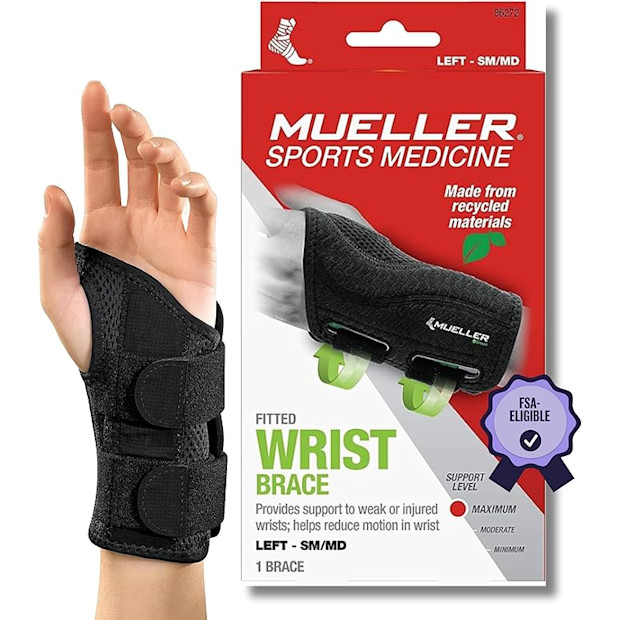
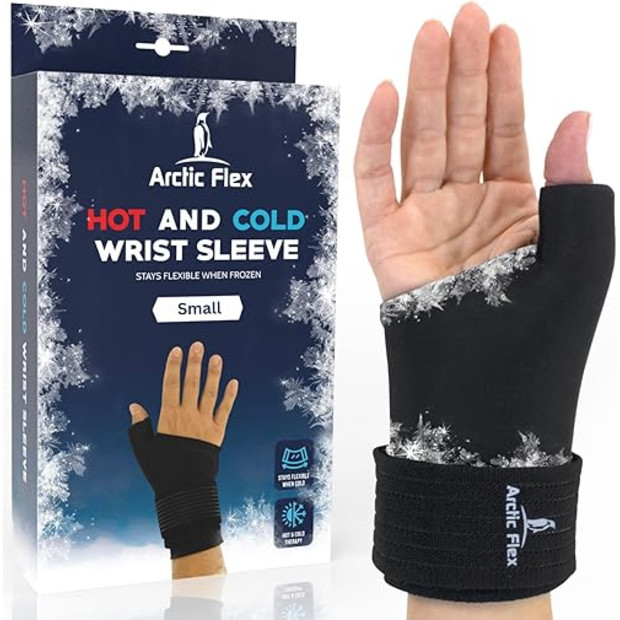
We said we’d talk about wrist pain, and oh boy—this was the most common weird pregnancy symptom that Babylist parents told us about. Carpal tunnel syndrome happens more frequently during pregnancy than you might think. Tingling, numbness or even shooting pains in your wrists and fingers often show up in the second or third trimester, Dr. Sánchez says, and it’s especially common at night.
Carpal tunnel pain can lead to your whole hand feeling stiff, which can be really annoying. One Babylist parent said that her hands “are like Lego hands,” while another said “I cannot bend my fingers in the morning, and while it gradually gets better throughout the day, it doesn’t go away.”
“It’s usually caused by swelling that puts pressure on the nerves in the wrist,” says Dr. Sánchez. Even though no one may have told you that carpal tunnel pain can happen during pregnancy, you’re probably pretty familiar with how common general swelling is. The amount of blood in your body doubles to support your growing baby, and that raises the pressure in your blood vessels, leading to swelling. Feet and ankles are common swelling spots during pregnancy, but surprise, it can happen in your wrists and hands, too.
Pregnancy-related carpal tunnel syndrome is thankfully usually short and temporary, and you can use a splint and wrist wrap to keep your wrist and hand stabilized or talk to your provider about seeking occupational therapy.
Lightning Crotch
Pregnancy-related pain also includes “lightning crotch,” a not-so-delightfully nicknamed symptom that feels like sudden, sharp internal pain in your pelvic area, often described as feeling like an electrical zap. You might feel it anywhere in your pelvic area, but specifically your vagina or rectum.
There are a few potential causes, including round ligament pain and fetal movement that causes baby to press on specific nerves, and it’s most likely to occur in the later weeks of pregnancy as womb space gets especially tight. (And keep in mind that lightning crotch isn’t caused by varicose veins—another common pregnancy symptom that we’ll talk about below.)
Nosebleeds
Even if you’ve never had a nosebleed before in your life, you may suddenly find a few red drips on your tissue or pillowcase at some point in your pregnancy. (One parent said in her poll response that she suddenly started getting nosebleeds three whole weeks before she even knew she was pregnant.) But try not to be alarmed—pregnancy-related nosebleeds are normal and totally harmless, though your nasal cavity may feel a bit sore.
What causes pregnancy nosebleeds? Thanks to all the extra blood in your veins, sensitive blood vessels are more prone to rupture (like the ones in your nose).
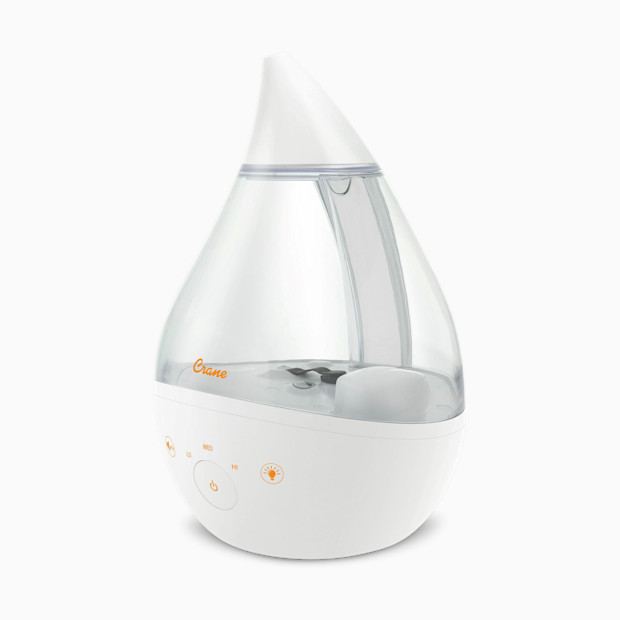
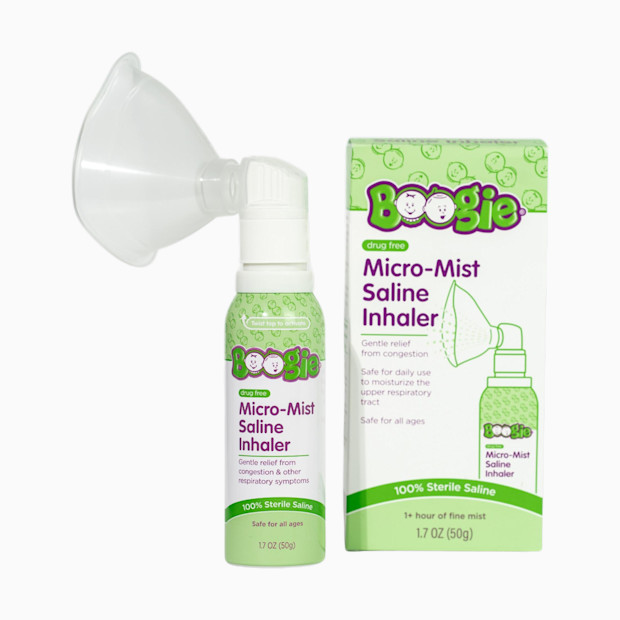
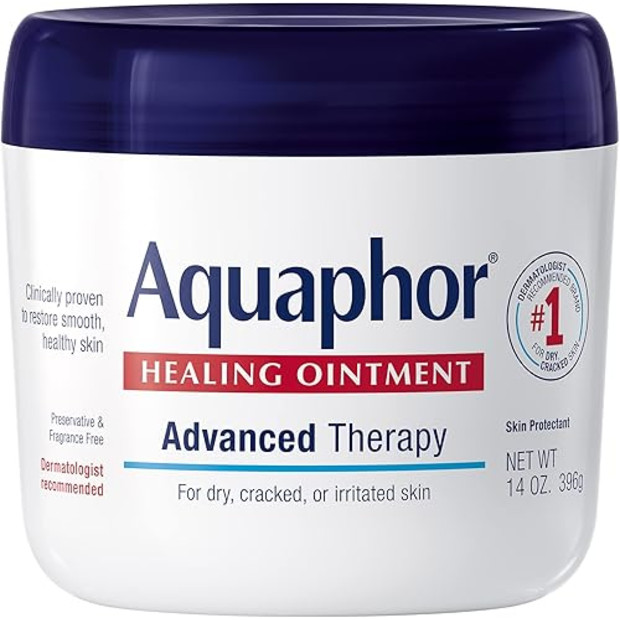
If you’ve got a cold or allergies and are blowing your nose a lot more than usual, or if the air around you is drier than you’re used to, that creates the perfect conditions for overly sensitive pressurized nasal passages to rupture. It’s a good idea to use a humidifier to keep the air around you mildly humid, and keep your nostrils nice and moist using a gentle saline spray and a soothing ointment like Aquaphor or Vaseline.
Skin Tags
These small, soft skin growths are extremely common during pregnancy, and they were the third most common symptom that people mentioned in our poll. Skin tags typically appear on your body in places of high friction or where your skin folds, Dr. Sánchez says, like armpits, neck, inner thighs and under breasts.
Dr. Sánchez also says that skin tags are usually the result of normal pregnancy hormonal changes, and they’re totally harmless. But they can be pretty annoying, especially if they rub against your clothing. There are a variety of quick, easy treatment options to get rid of them, but it’s best to wait until after you give birth before trying to remove them—besides, they might go away on their own.
Dry Skin
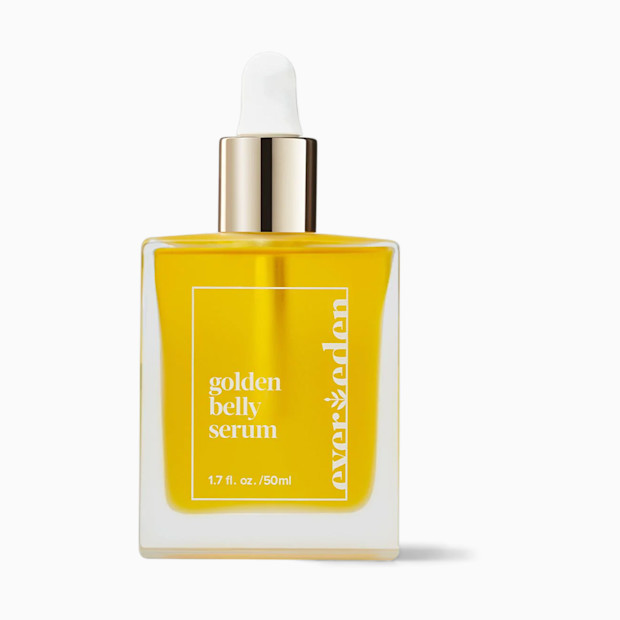
If your skin feels uncomfortably dry, tight or itchy, especially on your belly as it stretches, you’re not alone—lots of people wrote in to tell us that their skin got noticeably more dry during pregnancy. Dr. Sánchez says it’s common, and that pregnancy hormones are to blame once again. “Hormonal changes can decrease the natural oil secretion [of your skin], and as the belly stretches, most women feel itchy or uncomfortable.”
Slather on moisturizer regularly and try to avoid long, hot showers, which can dry out your skin even more. Many people also swear by belly oils, which can keep itchiness at bay and may even reduce the appearance of stretch marks.
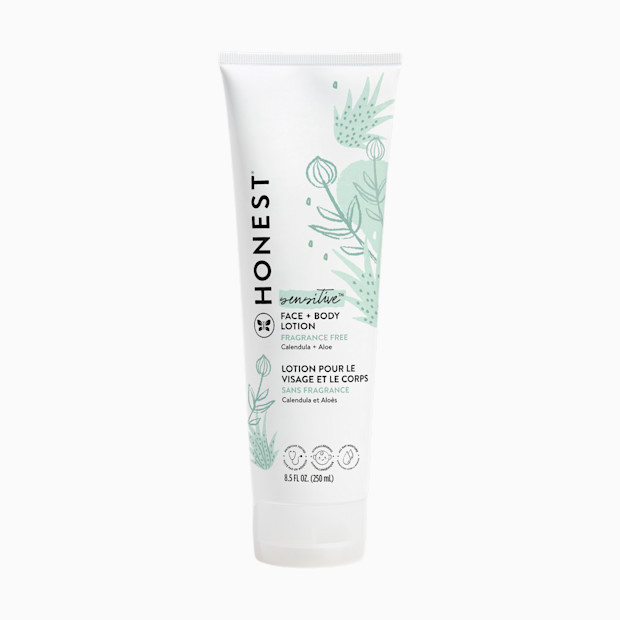
The Honest Company
Face & Body Lotion
Vulvar Varicosities
Varicose veins are a fairly well known and pretty common symptom of pregnancy, but did you know they don’t just happen in your legs? Vulvar varicosities are enlarged veins that occur around your vulva. They’re caused by the increased blood volume and pressure of growing a baby, and they can feel like burning, stinging, itching or a combination of those sensations (ugh).
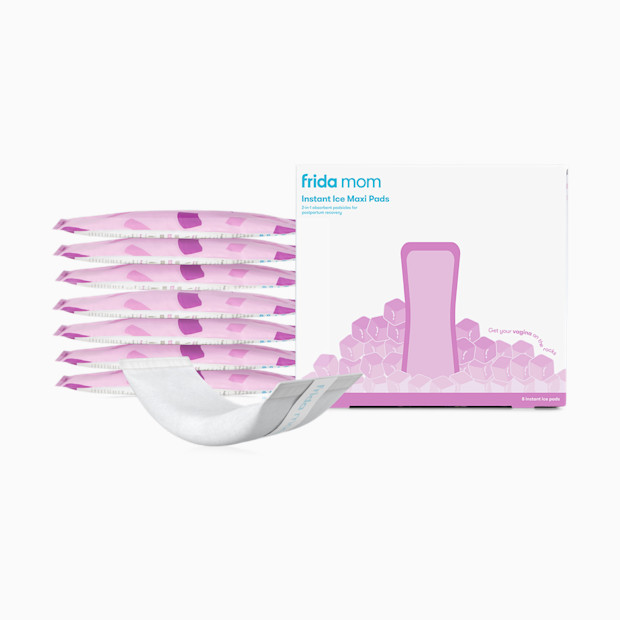
Varicose veins in your pelvic area, including hemorrhoids, can be hard to deal with, especially since they can make it difficult to sit down, but luckily, there’s a relief option that’s pretty cool (literally): padsicles. Just pop a pad-shaped ice pack into your underwear and let the cold soothe away the itching and burning. And as a nice bonus, padsicles also work wonders for postpartum pain relief.

Excess Vaginal Discharge
We’re pretty sure Cardi B wasn’t referring to symptoms of pregnancy, but excess vaginal wetness is a real thing that happens to a lot of people—you may be surprised at how many people wrote in to tell us about it. As weird as it is, this symptom can be pretty annoying too, especially going through several pairs of underwear or panty liners per day.
But rest assured that a sudden increase in vaginal discharge is totally normal and may not be a sign of any kind of infection (though you should definitely talk to your healthcare provider if you notice any accompanying itching, strong smell or a change in consistency). All that extra discharge is your body’s way of keeping infections away, particularly as your cervix softens toward the end of your pregnancy.
You may even notice some discharge that's tinged pink or brown. That's likely a sign of spotting, which is totally normal in pregnancy, but if your discharge comes with any cramping or bright red color, you should check in with your doctor.
Excess Saliva
Blood and discharge aren’t the only bodily fluids seeing an uptick in pregnancy. (Kinda gross, we know—as wonderful as pregnancy can be, it also comes with some bodily functions that are less than appealing.) If you notice your mouth watering a lot more than usual, Dr. Sánchez says he’s seen this weird symptom in plenty of his own pregnant patients, most often during the first trimester.
Also known as ptyalism gravidarum, excess saliva can lead to some (honestly obnoxious) side effects like drooling, tonsil stones and maybe a few instances of embarrassingly choking on your own saliva mid-sentence. Dr. Sánchez says it can be blamed on your body’s response to nausea (extremely common in the first trimester) or changes in your digestive system (which slows down during pregnancy).
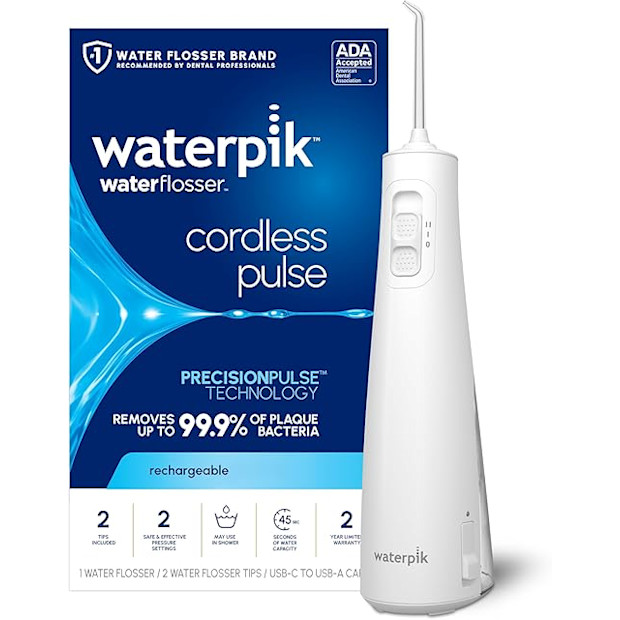
So to help keep the saliva to a manageable level, try treating your nausea and heartburn, since it could be the root cause. Ginger, certain fruit flavors and Tums are popular remedies, too. If excess saliva is giving you tonsil stones, don’t try to dig them out with cotton swabs or your fingers—a water flosser is your best friend, in this case.



Chronic Stuffy or Runny Nose
Is it a cold? Is it the sudden onset of new allergies? If you’re pregnant, it might be pregnancy rhinitis—a runny or stuffy nose that’s literally caused by the fact that you’re pregnant, as if growing a baby takes over all your bodily functions. One Babylist parent said she had “nasal congestion like crazy” during her pregnancy. Weird, right?
It’s yet another symptom that can be blamed on hormones and excess blood volume. “Chronic nasal congestion is another frequent complaint,” Dr. Sánchez says. “Increased estrogen and blood volume can cause the lining of the nose to swell, leading to that constant stuffy feeling that’s sometimes mistaken for a cold.”
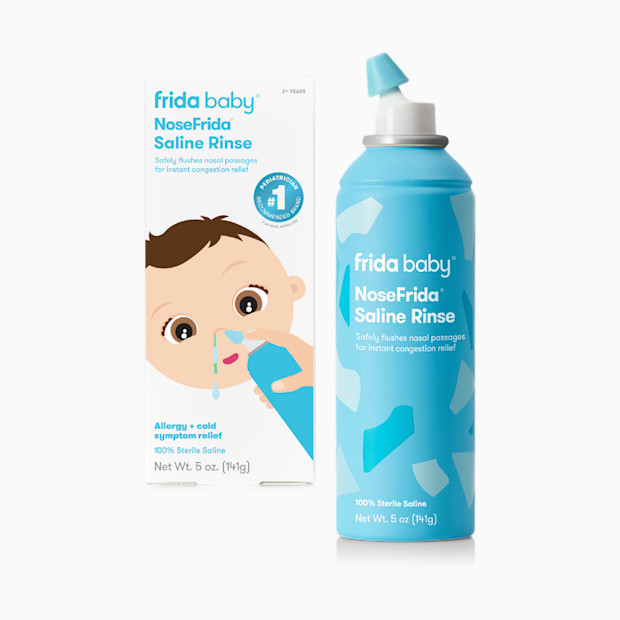
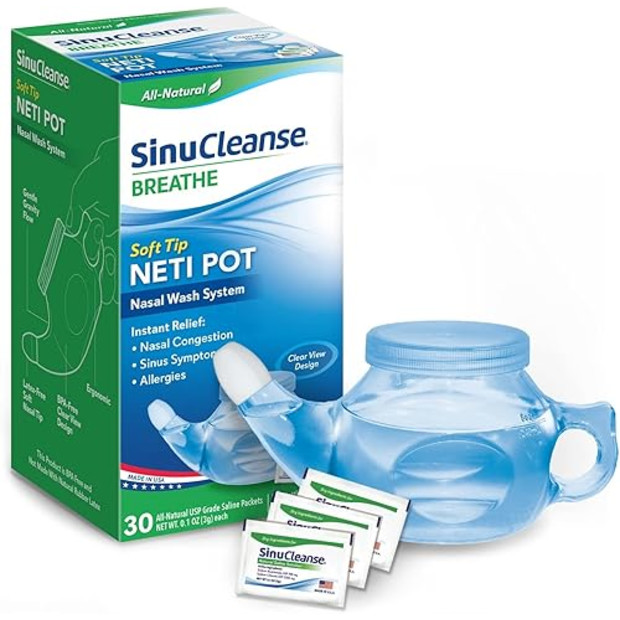
Just like with regular sinus congestion, a saline rinse can help unblock your nasal passages. You might use a pressurized spray, but if you’re prone to nosebleeds, a neti pot is much gentler on sensitive sinuses.
;)
;)
;)
;)
;)
, 8.5 Fl Oz","url":"https://www.babylist.com/gp/the-honest-company-face-body-lotion-1743186867/22255/5346","source":"hello_baby"});)
;)
;)
;)
;)
;)
;)
;)
;)
;)
Bleeding Gums
If you notice pink in the sink after brushing or flossing, don’t panic. “Bleeding gums can also catch people unawares,” Dr. Sánchez says. “Higher gum sensitivity during pregnancy occurs as a result of hormonal changes that render the tissue more susceptible to inflammation, even upon mild brushing or flossing.” Turns out, mild cases of gingivitis are fairly common in pregnancy—those hormones just won’t give your body a break.
And just like with any pregnancy symptom, gum sensitivity can change from pregnancy to pregnancy, as one Babylist parent experienced. “I didn’t have this with my first, so it totally freaked me out when it first happened," she wrote. "Went to the dentist and was told it’s totally normal pregnancy gingivitis.”
While it may be “normal,” if you’re concerned about how much your gums are bleeding or if you experience persistent pain around your gums, it’s a good idea to talk to your dentist, since untreated gingivitis can lead to other more serious dental problems.
Change in Shoe Size
Sorry to be the bearer of bad news, but your favorite pair of shoes might not fit after pregnancy. The hormone relaxin helps loosen your joints during pregnancy to help your body prepare for giving birth, and while that helps a lot with relaxing your pelvic area, it unfortunately affects other parts of your body too...like your feet.
Between relaxed joints and the excess weight you’re carrying, the ligaments in your feet have ample opportunity to stretch out. This means your feet might lengthen and your arches might fall, and you could end your pregnancy with feet that are a half size to a whole size larger than what you started with. The good news? Postpartum shoe shopping!
Blurry Vision
No, it’s not your imagination. If you’ve noticed your vision seeming a little fuzzier than normal, it could be related to pregnancy. All those fluids you’re retaining can actually have an effect on the shape of your corneas, which can cause your eyesight to blur slightly.
And it can happen regardless of your pre-pregnancy eyesight, so even if you’ve never needed glasses or contact lenses before, you might find yourself wondering if you need them all of a sudden. But don’t run to the optometrist to update your prescription just yet—your vision will likely go back to normal during postpartum recovery.