
Postpartum Life Hacks to Help You Recover
Here are our favorite tips to help your recovery go as smoothly as possible.

By

Giving birth comes with a lot of side effects, both physical and emotional. Your body has done some pretty amazing things, it’s been through a lot and will need time to heal. That healing often comes with soreness, vaginal bleeding, night sweats, mood fluctuations, engorged breasts and, yes, your first postpartum bowel movement.
There’s a lot to deal with when recovering from childbirth, but these tried-and-tested postpartum recovery hacks can help ease the process. (Pro tip: If you haven't given birth yet, add these products to your registry so you know what to have when the time comes—you can even set a registry section to "private" in case you don't want your friends and family to buy them for you.)
Postpartum Recovery Hacks
Embrace the adult diapers
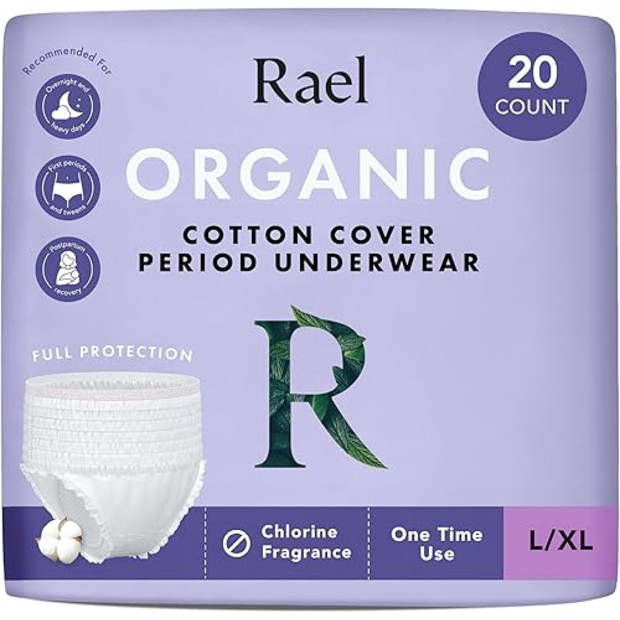
They may feel embarrassing to wear, but when it comes to managing your postpartum bleeding, we swear by disposable adult diapers. Most brands don’t look or feel like the kind of diaper you might imagine, especially not baby diapers. Some even have cute designs to make them feel more like underwear. They’re super comfortable and, most importantly, can hold a lot of liquid for heavy postpartum bleeding. Keep in mind: These are different from the mesh underwear you get in the hospital or typically see in postpartum recovery kits—those ones don't come with absorbent pads sewn in, whereas these do.

Witch hazel for "down there" (and make padsicles)
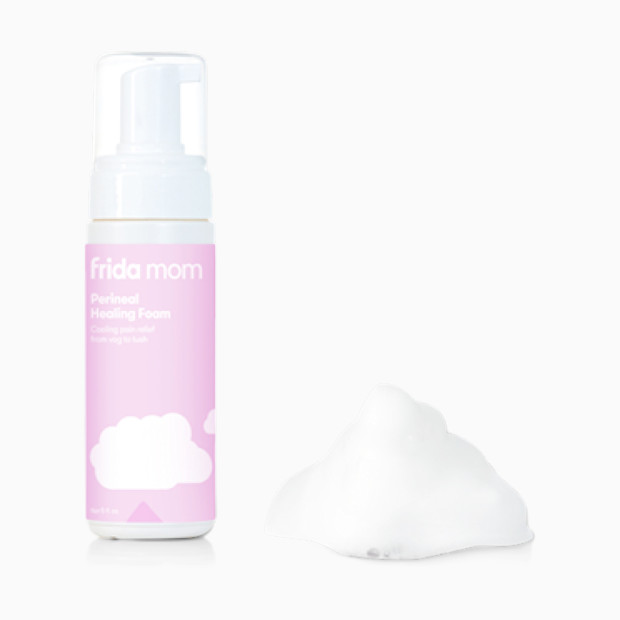
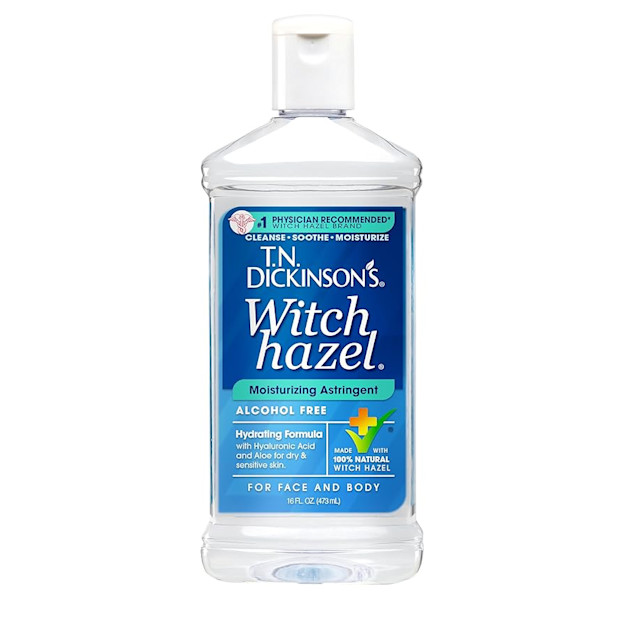
You might already use witch hazel as part of your skincare, since it's great for natural inflammation relief, but it's also really soothing for sore nether regions. Spray some on a pad or use a witch hazel spritz or foam directly on your perineum if it's tender from vaginal birth, or you can use it for hemorrhoids, too (which might still be hanging around from your third trimester). Note: If you have extremely sensitive skin, using witch hazel isn’t recommended.
You can even use witch hazel to make frozen padsicles:
Unwrap regular sanitary pads (we recommend using larger ones to cover more surface area)
Spread 100% aloe vera gel generously over each of the pads
Spray or sprinkle the witch hazel over each of the pads
Add one or two drops of any other essential oils you might want to help with soothing and scent (witch hazel doesn’t always smell good). Lavender is by far the most popular.
Wrap the pads back up individually into their wrappers, plus a layer of foil or plastic wrap on the outside, and stick them in the freezer. They’ll be icy cold and ready to wear in about an hour!
Try stool softeners
That first bowel movement after being in labor can seem more than a little scary. You’re sore, you’re tired, you might have stitches and you likely haven’t had a bowel movement in several days—so having one now is no easy task. Don’t be surprised if your nurse, midwife or doula offers you some stool softeners. And if they don’t, ask your doctor if you should pick some up for yourself so that, when the time comes, the process goes more smoothly. Ob-gyns commonly recommend Colace, but be sure to talk to your doctor before taking anything. (Note: These are different from laxatives, which can also be used to relieve postpartum constipation. But talk to your doctor first before considering a laxative.)

Set up postpartum recovery “stations”
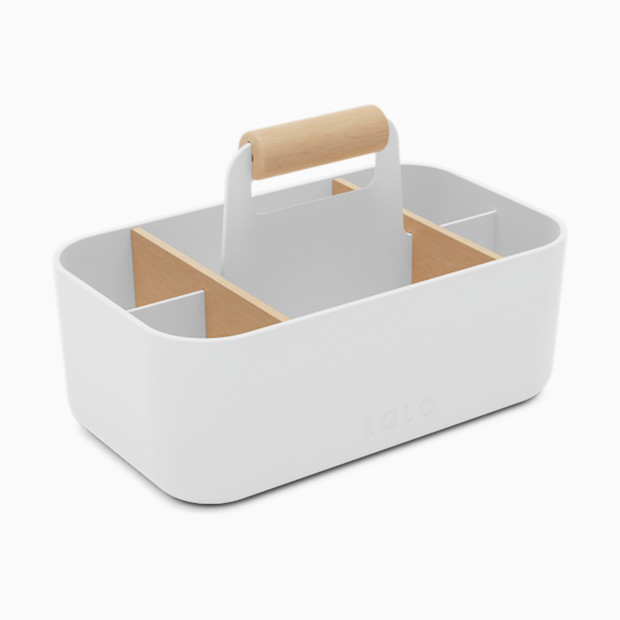
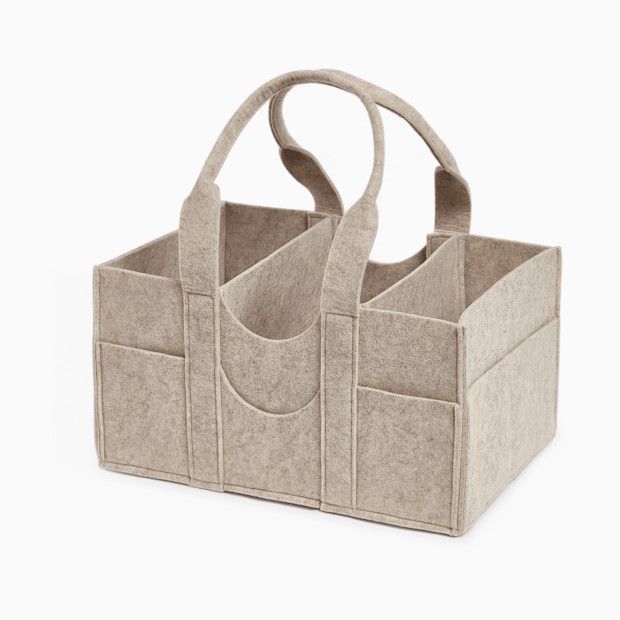
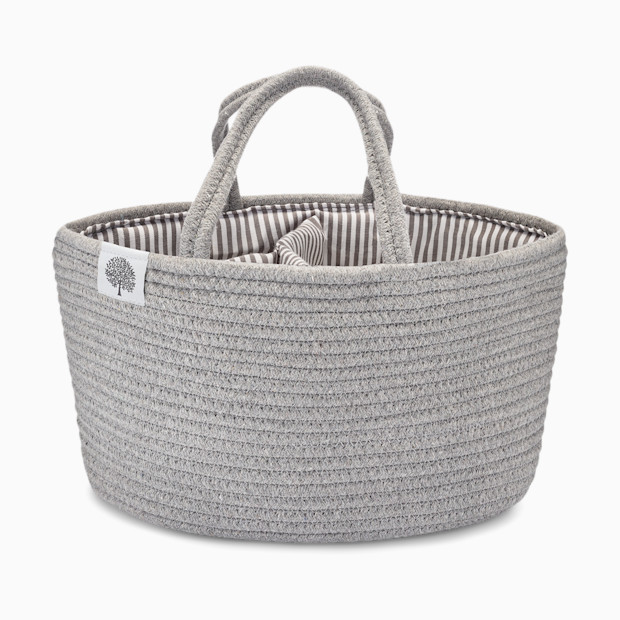
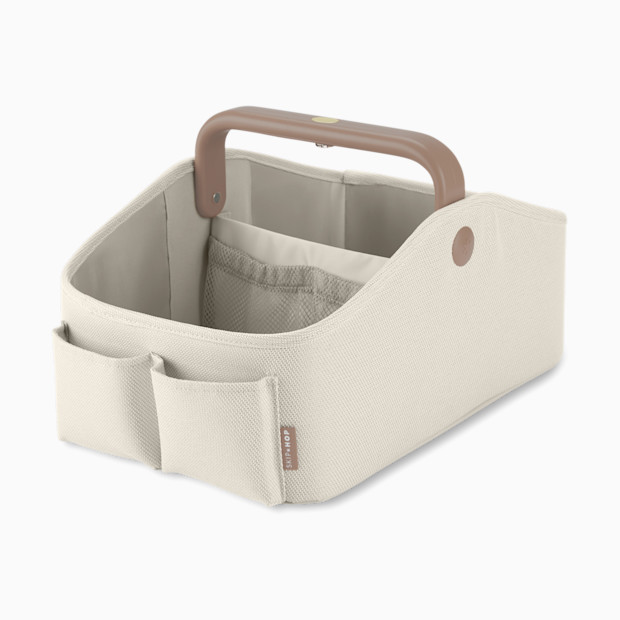
Gather your supplies together and put them in a basket so they’re ready for you right there in your bathroom. A regular diaper caddy can do the trick, or you can pick something that matches your bathroom decor a little better.
Sleep when baby sleeps
You’re going to hear this bit of advice a lot, and we have to agree that it’s a solid tip. In those early days when your new little one sleeps 15 or more hours a day, you’ll be tempted to steal every moment you can to get things done. But we’re going to politely tell you to put that laundry basket down and stop washing the dishes. All of that can wait and if you have someone who is wondering how they can help out, pass these tasks off to them. What helps is rest.
Vaginal Delivery Recovery Hacks
Keep a squirt bottle of warm water near the toilet
Whether or not you end up needing stitches due to perineal tearing, if you have a vaginal delivery, you’re going to be sore. That amount of stretching leads to burning at the very least and tearing and stitches in many cases, and the thing that burns the most? Peeing. It’ll be one of the first things your nurse will have you do after you give birth, and it. will. burn.
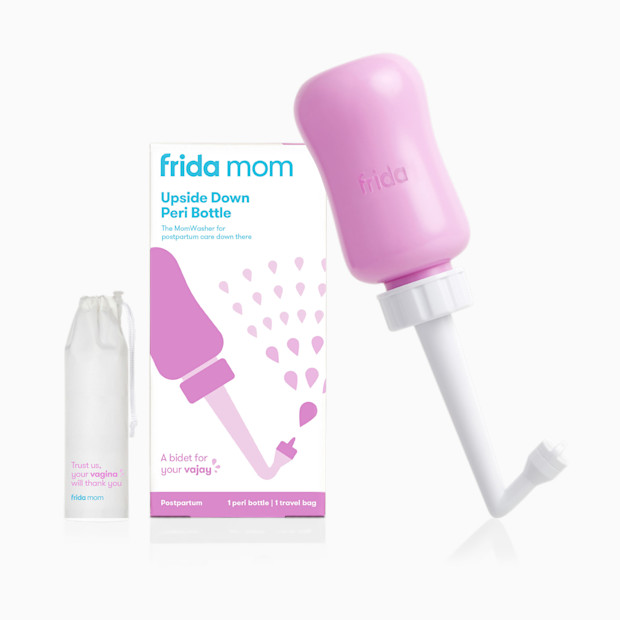
You can soothe most of the burn with one handy tool: a peri bottle (aka squirt bottle) of warm water. Keep it next to the toilet in every bathroom in your home, because you’ll want it as your constant bathroom buddy. Every time you go to pee, squirt the warm water on your perineum to keep your urine from stinging your sensitive parts. The hospital will likely give you a generic squirt bottle, but we’re big fans of his one from Frida Mom that’s specially designed to hit the right spot without you having to bend awkwardly to reach.
![DIMES Peri Bottle for Postpartum Care [3-Pack].](https://images.ctfassets.net/50gzycvace50/6wLelpwWz500GidzneZODV/01681038b2d39aacdd04638e1ae7c022/619vI00JL8L._AC_SX500_.jpg?fit=pad&fl=progressive&fm=jpg&w=620&h=620)
Don’t stand or sit for too long
Speaking of sore perineums, you won’t want to sit on one for too long. You’re going to need plenty of rest, but sitting on stitches too much can hinder the healing process a bit. On the other hand, standing for long periods of time can do the same. So no matter what your daily activities look like in the first few postpartum weeks (think: diaper changes, breastfeeding or bottle feeding, soothing a fussy newborn), try to stagger your sitting and standing time so you’re not doing either for too long at once.
Get a donut (no, not that kind)
You will be sitting at some point after vaginal delivery (obviously), and if you’re especially sore down under, this hack can save your behind, perhaps literally. You may have seen round inflatable cushions like these, especially if you’ve ever known someone with hemorrhoids or an injured tailbone, but they’re also a common companion for postpartum recovery. Often known as a donut, it helps cradle your sore underside no matter where you’re sitting.
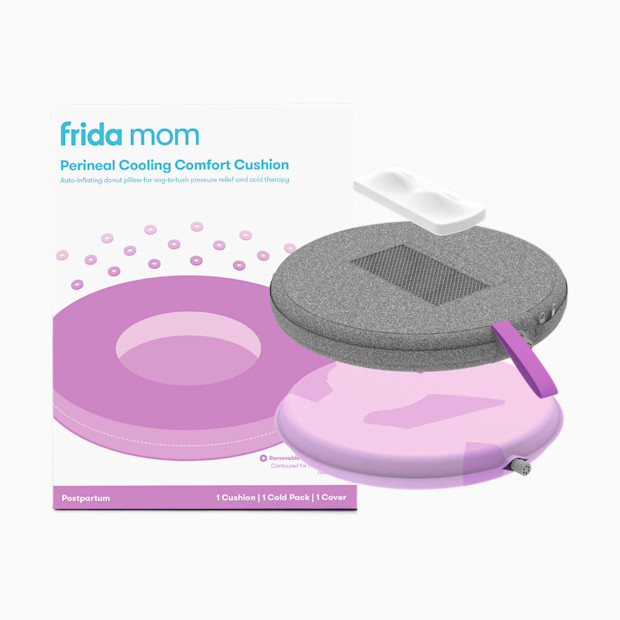
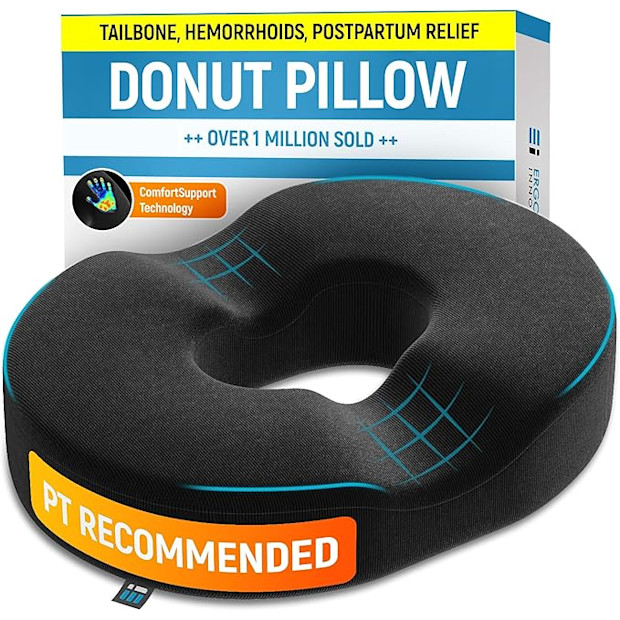
Indulge in a warm sitz bath
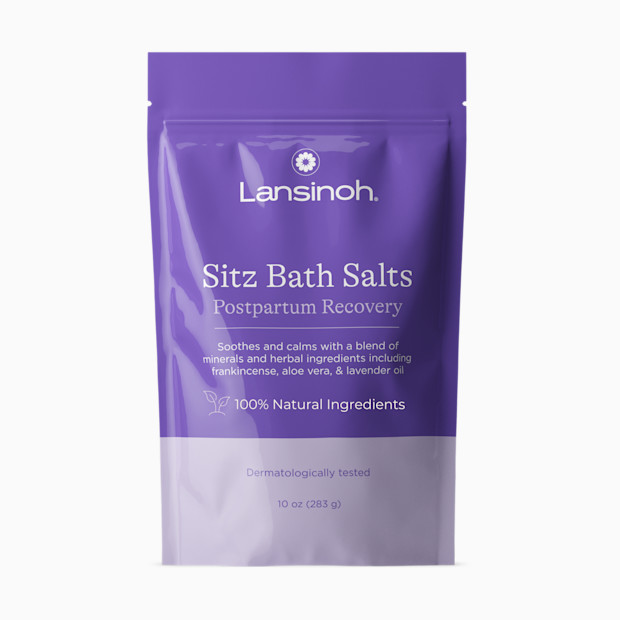
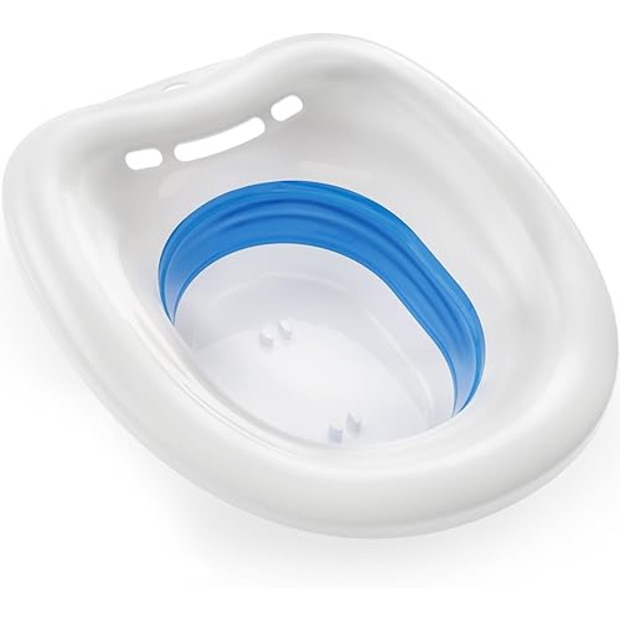
If you’ve got perineum stitches, one of the best ways to keep swelling and irritation down is to soak in a warm (not hot) sitz bath with Epsom salts. Not only will it soothe aches, but it can also help in the healing process by keeping infections at bay. You can use a quick-relief sitz bath that rests inside your toilet, or you can use a regular bath tub with just a couple inches of water.
Keep in mind: This doesn't mean a regular bath with a full tub. Some doctors advise against taking regular baths immediately after giving birth due to risk of infection, so be sure to check with your provider to see what they recommend for you. If you’ve just had a C-section, baths are a no-no for about three to four weeks until you’ve healed.
C-Section Recovery Hacks
Keep a small pillow with you
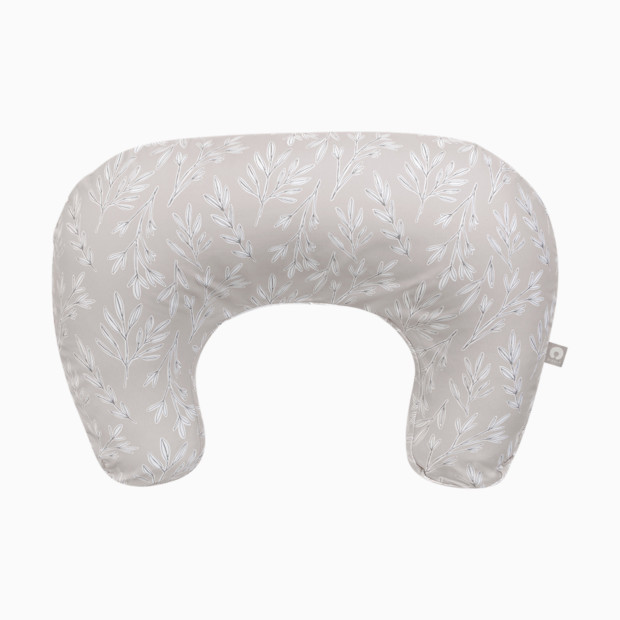
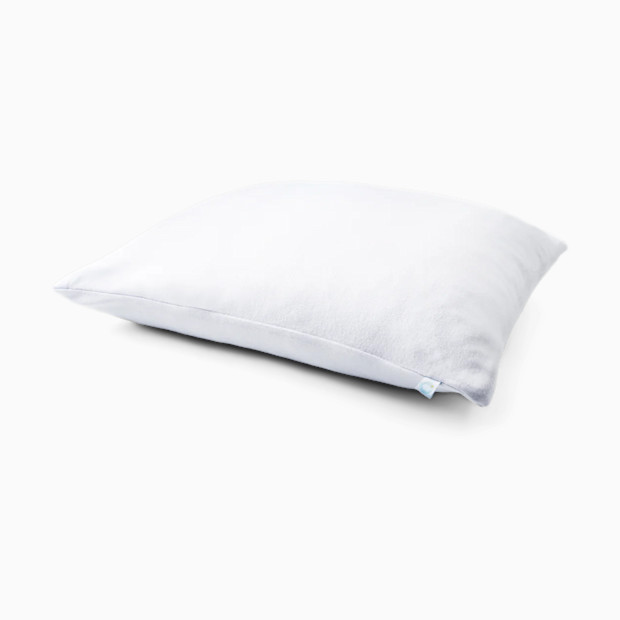
Any time you need to move from sitting to standing and vice versa, keep a small pillow (a nursing pillow works great) to hold against your abdomen and support your incision. It might feel a bit like you’re babying yourself, but your stitches need all the TLC they can get to heal faster. This also works for riding in the car in the first few days after your C-section (experts don’t recommend driving until at least two weeks after surgery). Having something soft to cushion tender spots can make driving over potholes a lot more bearable.
Take short walks
We get it, you’re not going to feel like walking. You’re probably not going to feel like moving much at all. While rest is definitely something your body needs to heal after having a baby, brief walks around your house or outside in the fresh air can do quite a lot of good, too. You don’t want to be exercising vigorously at all (not until your doctor gives you the okay, usually after six to eight weeks), but five to ten minutes to take a slow stroll can give you more than just a change of scenery.
Keep things at waist level
If you’ve just had a C-section, one of the biggest things to keep in mind is that you’ve just had major surgery. Thanks to the new incision on your abdomen, even if it’s small, you might find it challenging to raise your arms above your head without pain or risking tearing your stitches. So don’t plan on reaching for objects high up for the first few weeks. If you can plan ahead—or have someone do it for you after you get home from the hospital—get anything you think you might need that’s out of reach and put it as close to waist level as possible to limit both reaching and bending over (which will also be really uncomfortable).
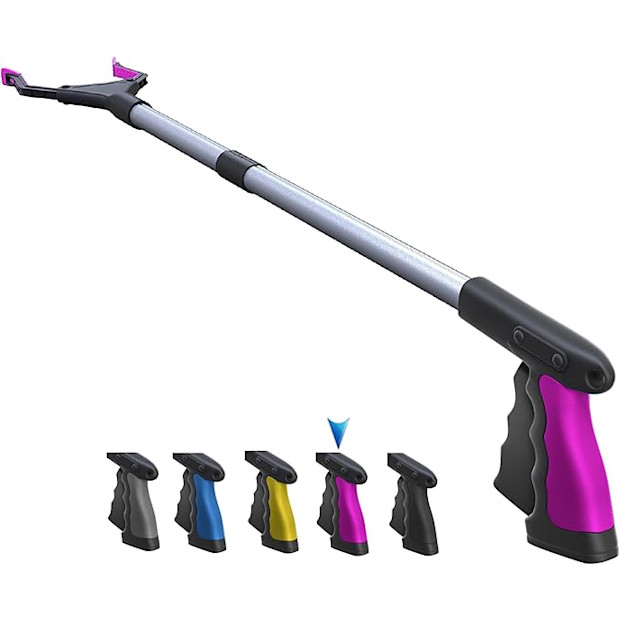
If you're not able to plan ahead or get help, the next best thing is to get yourself a grabber tool. It may not work for everything, but it'll at least help you reach smaller things up high or help you pick up dropped items from the floor.
Get someone to wash your hair
This isn’t just a chance to get a mini spa day (though you absolutely deserve one). Like we said with our previous hack, you may struggle to raise your arms above your head, so washing your hair will be less than fun, to say the least. If you have someone helping you with your newborn, whether it’s a partner, family member or close friend, it’d be worth it to ask them for help with your hair, too. They can keep it as simple as a quick shampoo in the sink, or maybe you can convince someone to give you the full salon treatment. Either way, it’ll be a huge relief if you have limited range of motion.

;)
;)
;)
;)
;)
;)
;)
;)
;)
;)
;)
;)
;)
;)
;)
;)
;)