
How Much Do Strollers Cost?
Why do strollers cost $200—or $1,200? Find out what you’re paying for and how to choose what matters most.

By
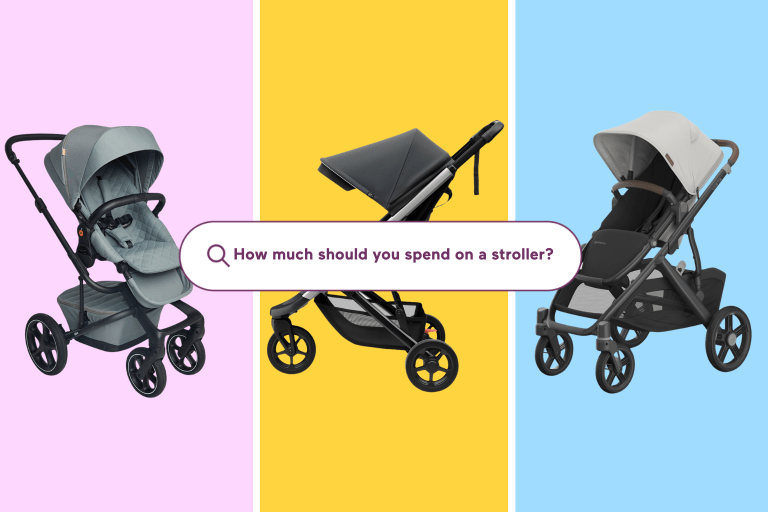
Suffering from stroller sticker shock? We feel you. A stroller is one of the most registered for and most used items on most parents’ baby registries. But strollers are a big investment, with even the most affordable models coming in at around a few hundred dollars—and prices climb steeply from there.
If you’re wondering what’s behind those price tags—and what actually sets a $200 stroller apart from a $1,200 one (and which features the best strollers tend to have)—you’re in the right place. We’re breaking down what drives stroller prices and how to decide which features are really worth paying for.
🏷️ The Biggest Factors Behind Stroller Prices
A few main factors contribute to what’s behind a stroller’s price tag.
🚧 Materials and construction
One of the biggest factors behind a stroller’s price? What it’s made of.
“The selection of materials in the finished product has a big impact on a stroller’s price,” explains Shane Hollinger, the Marketing Product Manager at Artsana USA, the parent company of Chicco.
“Premium strollers often use higher-grade materials such as aluminum, durable fabrics and luxe finishes,” adds Jennifer Mullins, UPPAbaby’s Vice President of Product Marketing. Lower-priced strollers often use more plastic, basic synthetic fabrics and simpler construction methods.
Suspension also drives pricing. “Higher-end strollers will include suspension systems and higher-grade tires, which contribute to a smoother ride,” says Mullins.
📐 Design and engineering
How a stroller is designed, including the selection of parent and kid-friendly features, is another price driver.
“Mid-range and high-end models will frequently have more convenience features for parents and comfort features for the child,” explains Hollinger. This may include things like one-handed folds, modular seating, car seat adaptability and higher weight and height limits.
Looks also come into play. “High-end models may also have more visual styling, higher performance fabrics and luxe materials,” he adds.
🌏 Economic conditions
Like most baby gear, stroller prices are affected by global economic shifts, such as inflation and shipping delays. Tariffs also play a role, as we’ve seen over the last few months.
“Economic disruptions like the increase in tariffs are certainly having an impact on stroller prices,” notes Mullins. “While many companies are doing what they can to minimize the impact on consumers, price increases in some areas have become unavoidable.”
If you’ve seen a stroller you love suddenly increase in price by a few hundred dollars recently, this is likely why.
What about safety?
Safety isn’t something you need to factor in when deciding on a stroller. Regardless of price, all strollers sold in the US must meet the same safety standards.
“There are pretty extensive federal standards that cover strollers, so regardless of price point, strollers sold in the USA are required to comply with a wide range of safety standards,” explains Hollinger.
💲 How Price Impacts Stroller Features
A stroller can cost anywhere from about $100 to upwards of $2,000—a shockingly huge range. One way to help you decide whether to save or splurge is to compare the features available at each price point and then consider which are worth prioritizing for your family’s needs.
➡️ Suspension and maneuverability
The way a stroller moves—how it handles different types of terrain and how easy it is to push and steer—is often one of the biggest influencers of price.
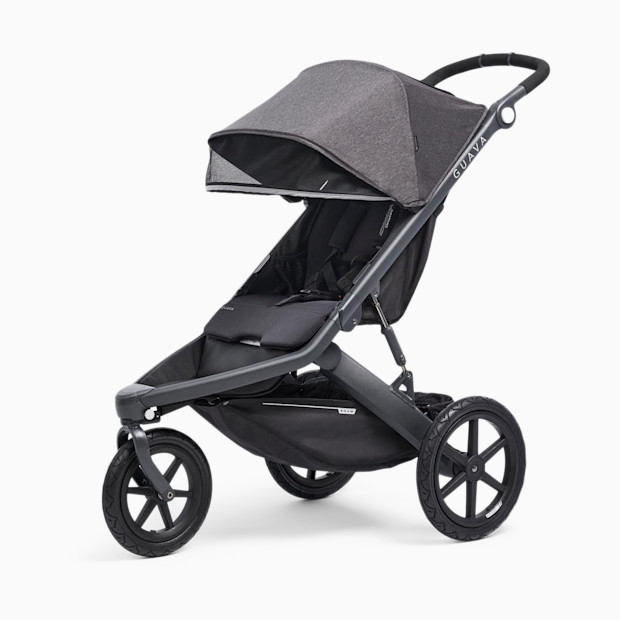
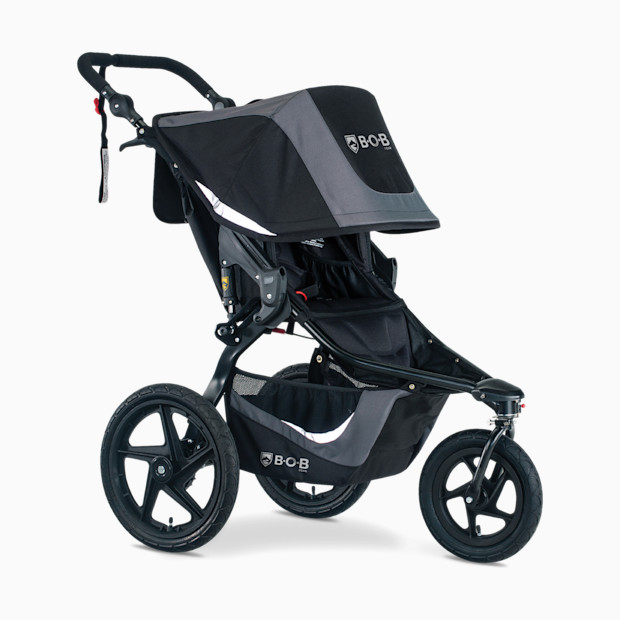
Lower-priced strollers typically feature plastic wheels and little to no suspension. These strollers generally handle well on smooth, flat surfaces like mall floors or paved sidewalks, but may struggle on rougher terrain or uneven surfaces.
Mid-range and premium strollers usually offer enhanced suspension systems, oversized foam-filled tires (that can’t go flat) and improved maneuverability. Many are easy to push and steer with one hand and deliver a noticeably smoother ride over bumpy sidewalks, gravel, dirt, or grass.
Does this matter?
If you’re mostly using your stroller indoors or on smooth pavement, suspension and maneuverability may not need to top your priority list. But if you live in an area with uneven sidewalks or rougher terrain, or you plan to walk or jog off the beaten path, investing in a stroller with better suspension and wheels is likely worth it for a smoother, easier ride.
➡️ Durability and longevity
How well a stroller holds up over time—especially with frequent use—is often closely tied to its price.
Lower-priced strollers are usually built with plastic frames and more basic materials. They may not stand up to heavy or long-term use as well as more expensive models. “Lower-priced strollers typically prioritize affordability over long-term durability or enhanced functionality,” says Mullins.
Mid-range and premium strollers are typically made with stronger materials like aluminum frames and higher-quality fabrics. Many are designed for daily, long-term use and may include features like convertible seating (for use as a single or double stroller) and higher weight limits to accommodate growing families.
Does this matter?
No, if you only need a stroller for occasional outings or for a short period of time. But if you’re planning on growing your family or will be using a stroller multiple times a day for several consecutive years (like a city family, for example, who doesn’t own a car and relies on a stroller for all the things), then investing in a stroller will likely pay off in the long run.
➡️ Comfort and convenience features
While all strollers offer the basics—like a canopy, storage space, a harness and a folding mechanism—the amount of comfort and convenience you get can vary widely by price.
Lower-priced strollers generally include essential features, but at a more basic level—standard canopies, smaller storage baskets, fixed handlebars, and simpler fabrics. Folding them may require two hands and a bit more effort.
Mid-range and premium strollers often add extra comfort and convenience: one-handed folds, extra-large storage baskets, adjustable handlebars, higher-end fabrics (more breathable, easier to clean, or flame-retardant-free), better ventilation, extendable canopies, magnetic buckles and modular seating that allows the seat to face either direction.
Does this matter?
This is mostly about your preferences and priorities. If you value everyday usability, features like an easy fold, lots of storage and an adjustable handlebar can make life with a stroller a lot simpler. “Features that improve everyday usability are worth the investment” for some families, notes Mullins. But remember, many of these upgrades are nice-to-haves for most families, not need-to-haves. Prioritize what will make your day-to-day life easier, and don’t feel pressured to get every feature if you don’t need it.
➡️ Car seat compatibility
Some strollers use special adapters that allow you to click in an infant car seat and create a travel system. This feature is available at a variety of price points, but there are some differences.
Lower-priced strollers often only work with the same brand’s car seat or a limited number of models. The attachment may not be as seamless, and extra adapters might be required.
Mid-range and premium strollers tend to be compatible with a wider range of car seat brands, offering more flexibility if you’re hoping to use a stroller and a car seat from different brands. Some may include built-in adapters rather than requiring separate ones.
Does this matter?
If you’re looking for a newborn-friendly stroller and want the flexibility to use a different car seat brand, this feature is likely worth prioritizing, and you may need to spend a bit more to get it. If not, or if you’re content sticking to a single brand, a basic travel system will meet your needs.
💵 Stroller Features by Price Tier
While there are exceptions, there are certain features you can expect at each stroller pricing tier.
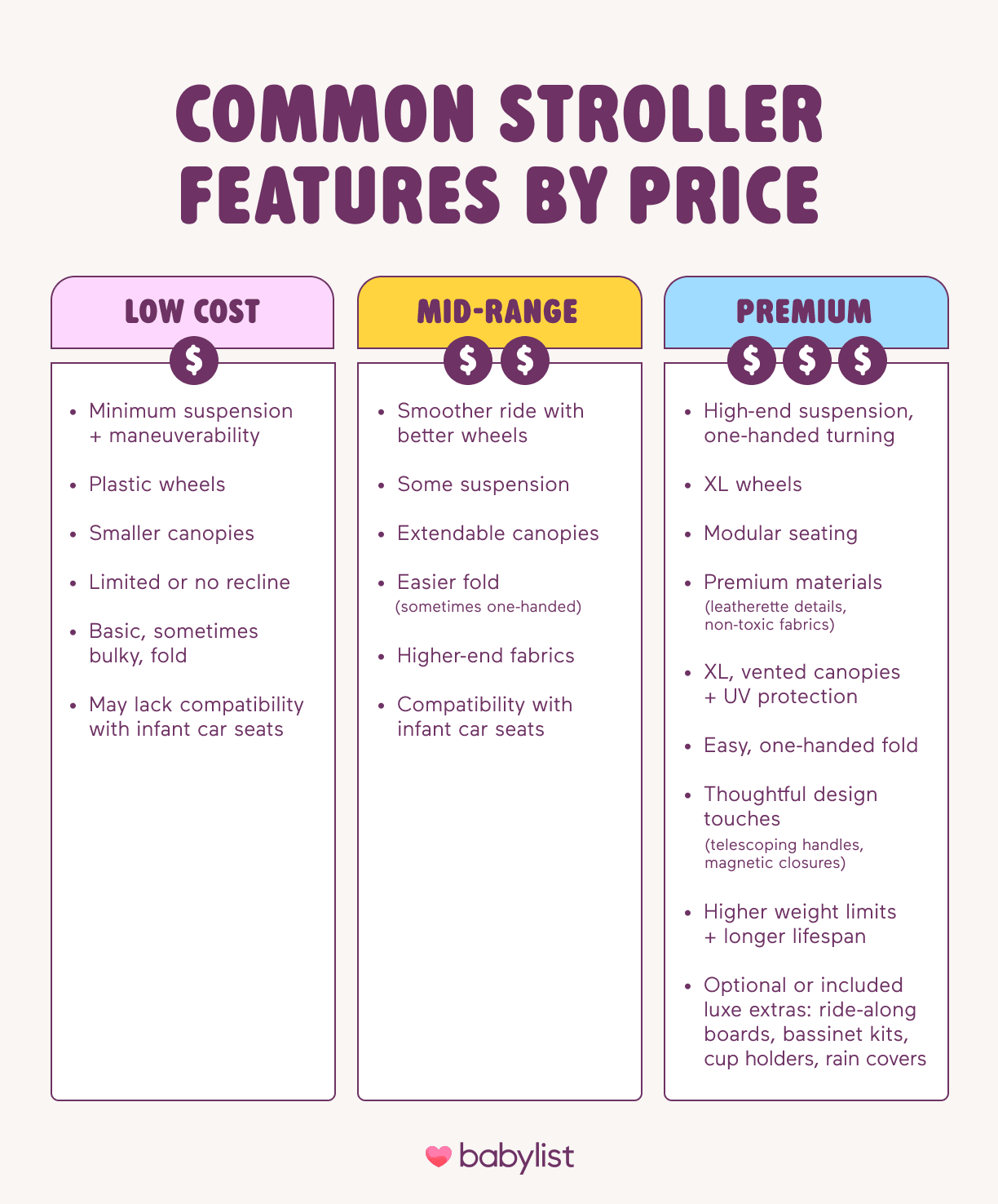
💰 Lower-priced strollers (Up to $200)
Expect the basics: plastic frames, minimal to no suspension, smaller canopies, minimal padding and a basic (and sometimes bulky) fold. Fabrics and wheels are usually less durable and compatibility with car seats may be limited or nonexistent.
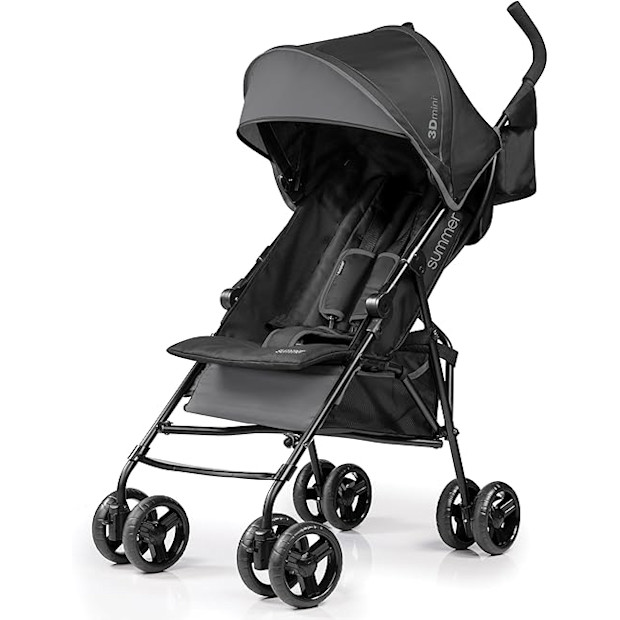
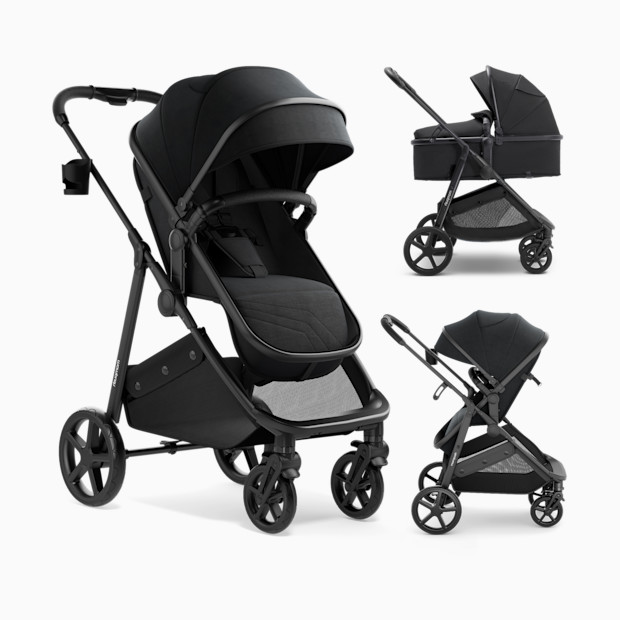
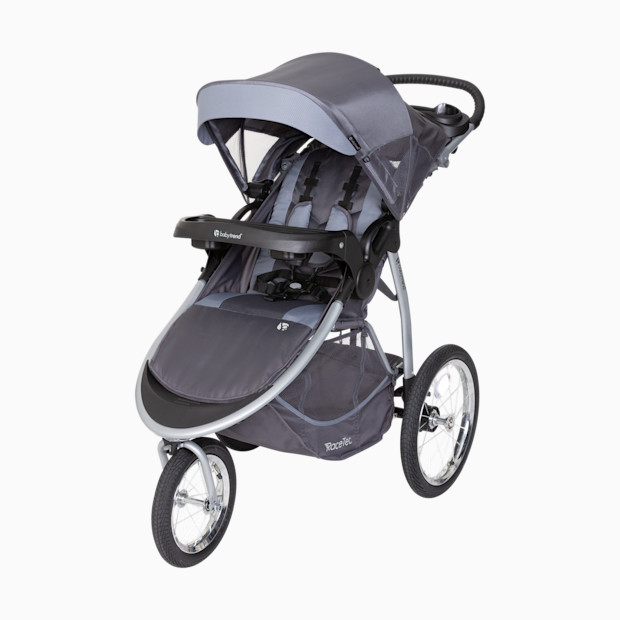
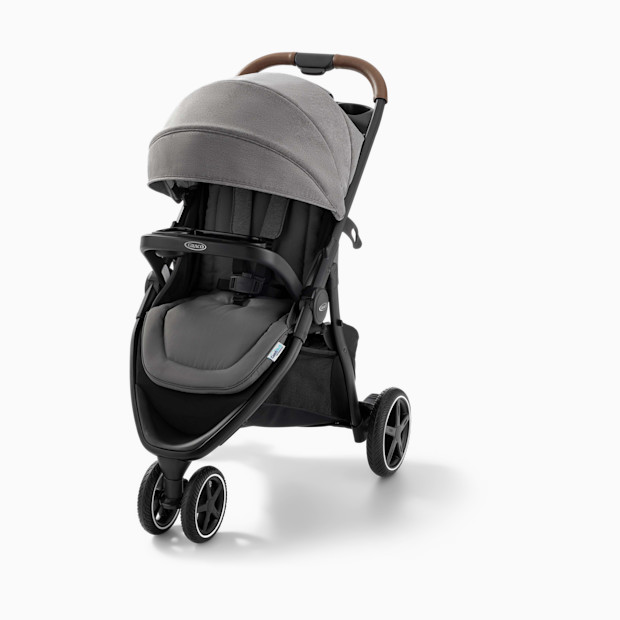

💰💰 Mid-range strollers ($200-$600)
This tier offers a balance of durability and convenience. You’ll find nicer fabrics, suspension systems, easier-to-use folds, more adjustability and more storage. Many allow for car seat attachment or are part of travel system bundles.
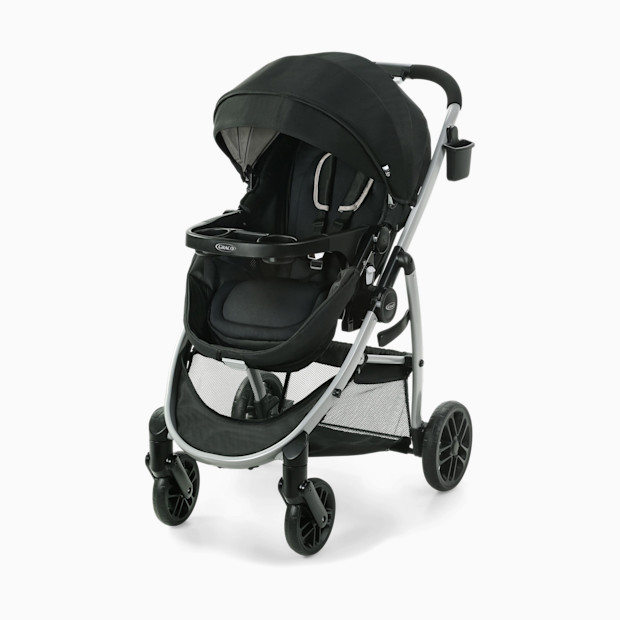

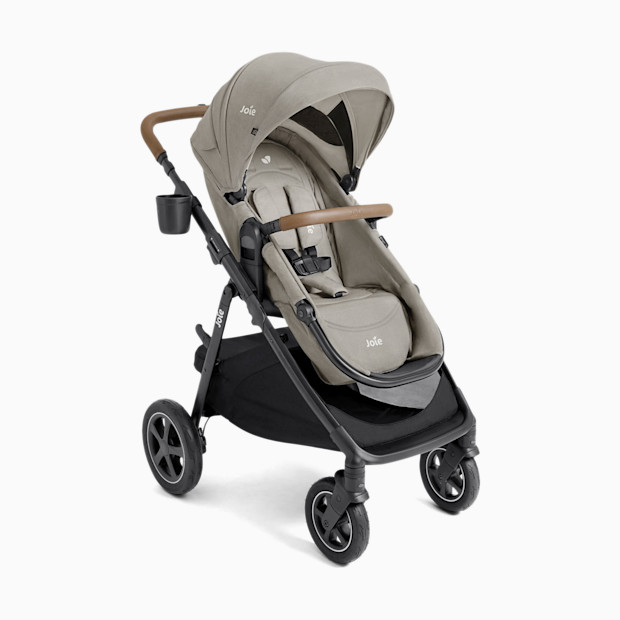
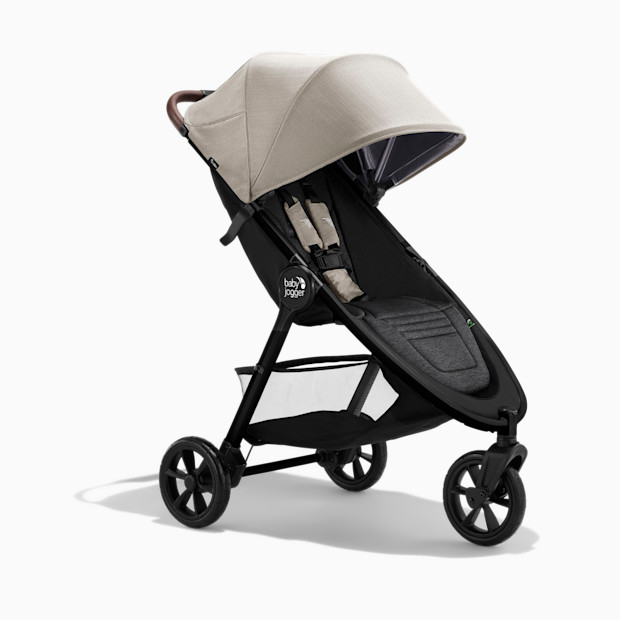
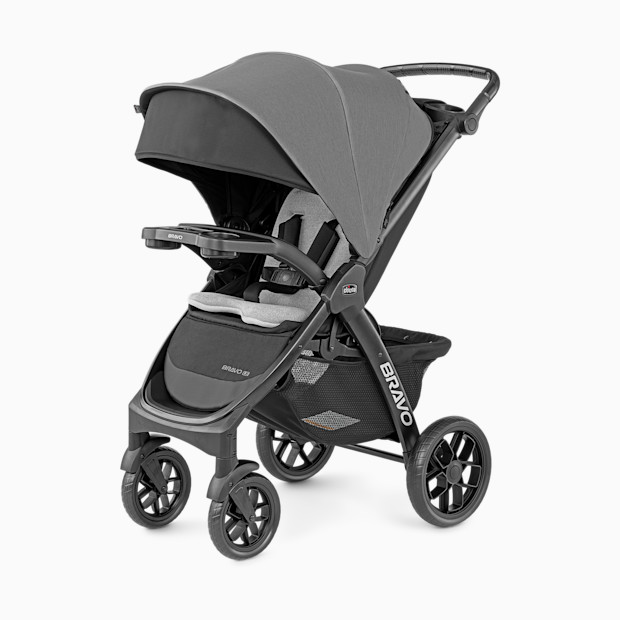
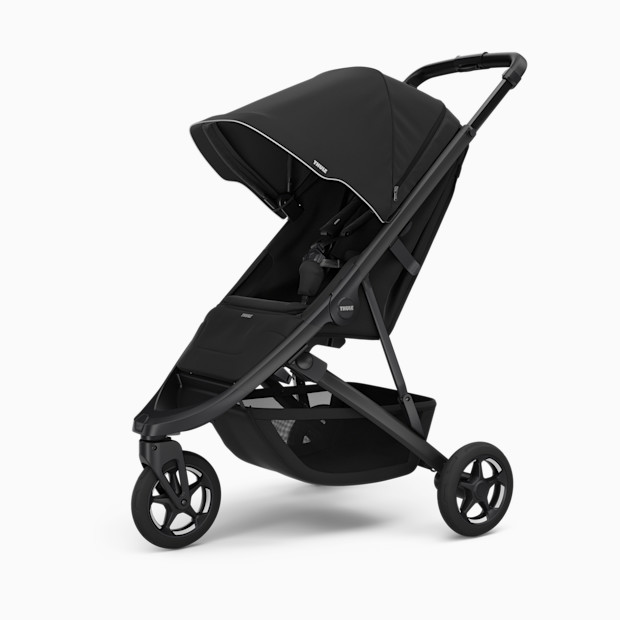
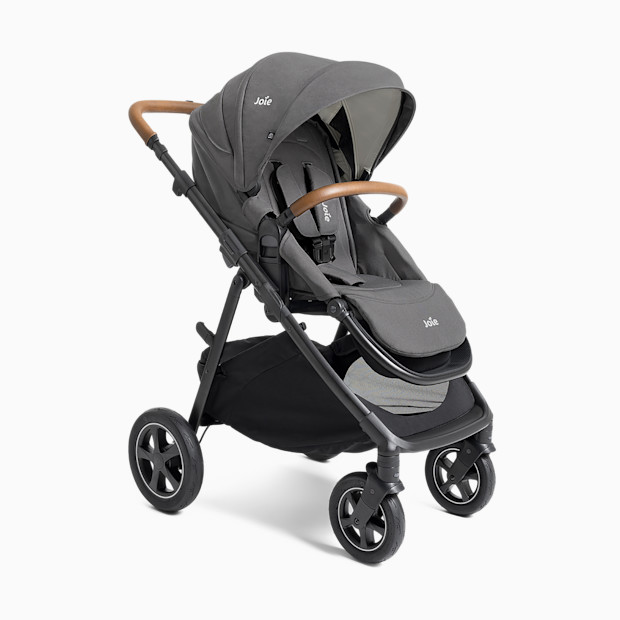
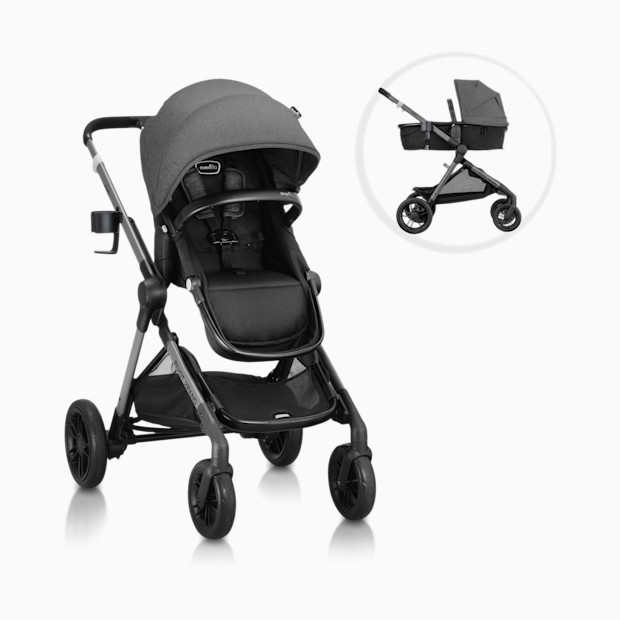

💰💰💰 Premium strollers ($600-$1,200+)
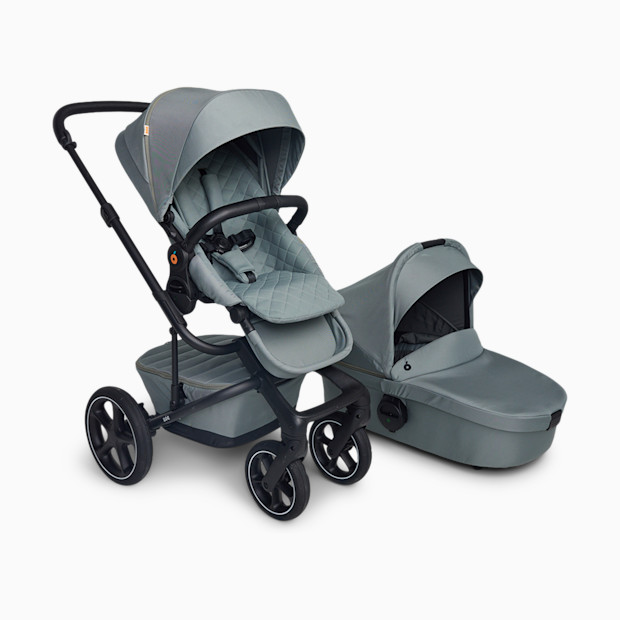
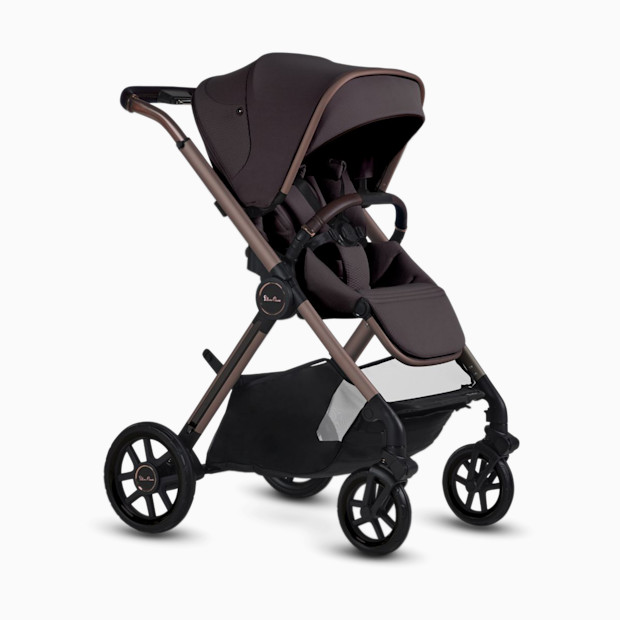
The highest tier delivers all the bells and whistles: modular seats, single-to-double capability, XL wheels, adjustable handlebars, all-wheel suspension, luxe fabrics, one-handed everything, huge canopies and serious style. Most are compatible with multiple car seats and offer lots of add-ons for both the stroller and the stroller.

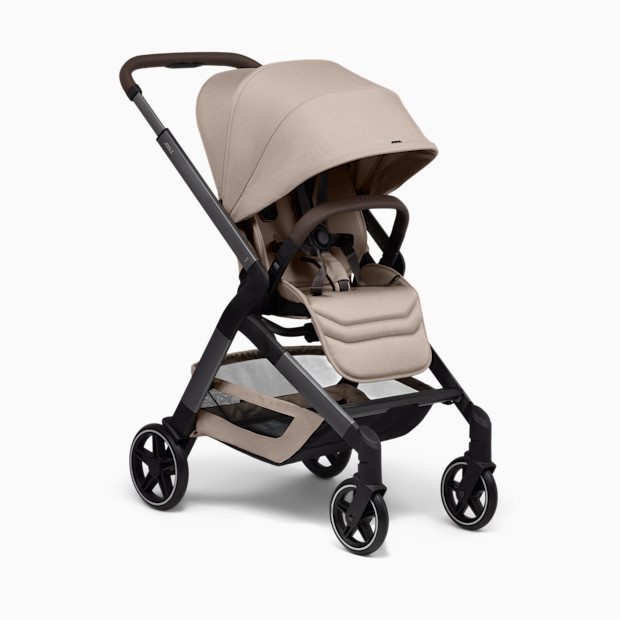

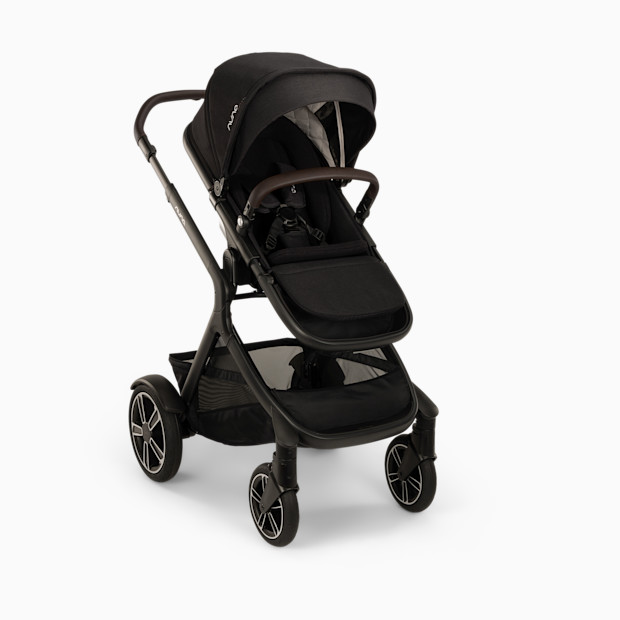
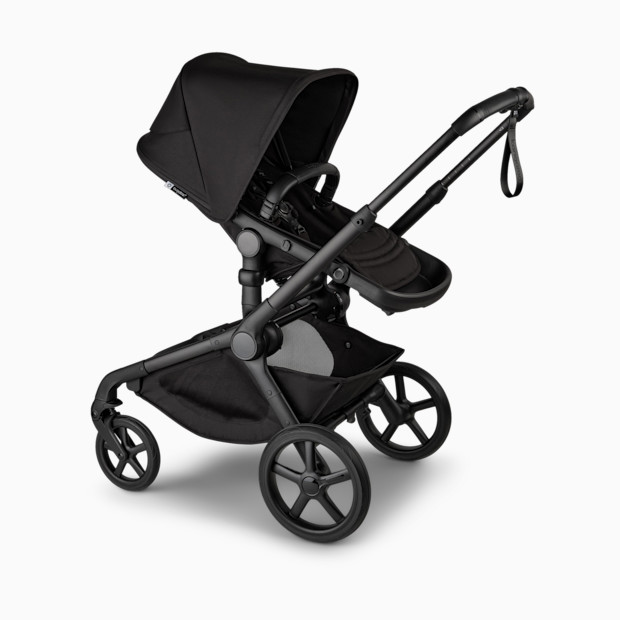
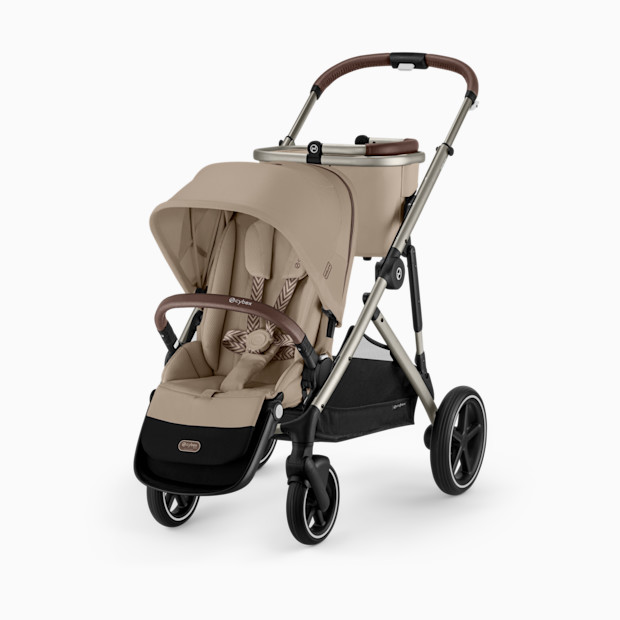
🛒 Should You Save or Splurge?
A stroller is a big decision and a big investment. There’s also no “perfect” stroller—what’s right for one family may not be a great fit for another. The best stroller for you comes down to your specific needs: how, where and how often you’ll be using your stroller.
“The most important ‘splurge’ is how intuitive, adaptable and easy the stroller is to use,” suggests Mullins.
The best tip to keep in mind is to try before you buy. “What may look like a more premium stroller in photos can feel completely different in real life,” says Mullins. “Whenever possible, test the stroller in person.”
If you have a Target or Nordstrom nearby, both usually offer a wide selection of stroller brands and models on the sales floor for you to try in person. The Babylist Showroom features dozens of strollers ready for a test drive on the in-store stroller track. Independent baby stores are also a fantastic resource—if there’s one in your area, their staff can offer personalized advice and let you test out different strollers. And don’t underestimate the value of real-world parent feedback: check out which strollers fellow parents in your neighborhood are using and ask them about their experiences, especially if their lifestyle is similar to yours.
Expert Sources
Babylist content uses high-quality subject matter experts to provide accurate and reliable information to our users. Sources for this story include:

;)
;)
;)
;)
;)
;)
;)
;)
;)
;)
;)
;)
;)
;)
;)
;)
;)
;)
;)
;)
;)
;)
;)