
How Much Do Car Seats Cost?
Is a $600 seat safer than a $60 one? We break down what drives car seat prices—and what features you’ll get at each level.

By
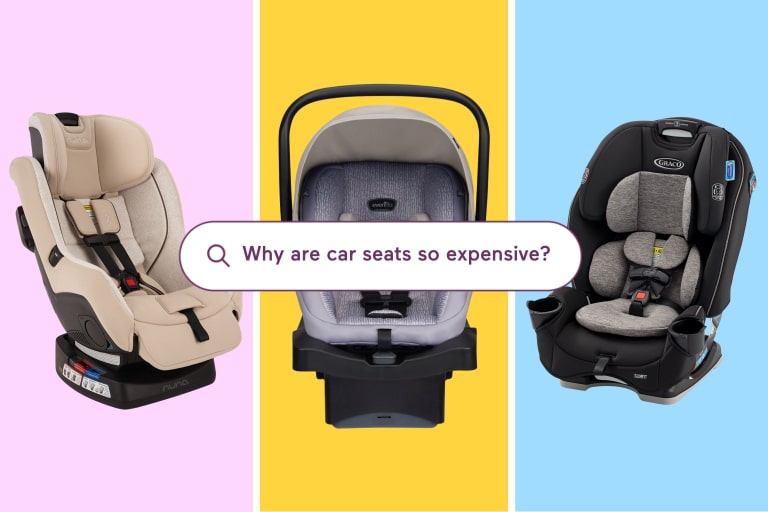
From infant car seats to convertibles and boosters, car seats come in a wide range of price points. And if you’ve ever registered or shopped for a seat and wondered why one costs $60 and another costs $600, you’re not alone.
So what exactly drives the cost of a car seat? Is a more expensive seat better—or safer? And what are you really getting when you pay more?
As a Child Passenger Safety Technician (CPST)—someone who’s specially trained in car seat education and safety—I work with all different types of car seats, from basic models to seats costing upwards of $1,000. I drew on that experience and spoke with three other techs (two of whom are also CPST instructors, which means they teach folks how to become nationally certified techs) to break down what’s behind a car seat’s price tag and what features you can expect at different price points—so you can make the best choice for your family and your budget.
🏷️ What’s behind a car seat’s price tag?
There are a few key drivers behind why car seats cost what they do.
🚧 Testing
All car seats sold in the US must meet the same federal safety standards, which requires extensive testing. From a manufacturer’s perspective, meeting these standards is one of the biggest factors driving up costs.
“Car seats are thoroughly tested before and after production,” explains Sarah Haverstick, Senior Manager of Safety Advocacy and Consumer Care at Evenflo and a Child Passenger Safety Technician-Instructor (CPST-I). This includes things like crash testing, testing of specific car seat components (like harness straps or buckles, for example) and flammability testing.
Crash testing is especially expensive and time-consuming.
“Federal regulations require manufacturers to crash test each seat with each different configuration allowed for installation,” explains Britney Lombard, CPST-I and a Senior Safety Program Manager for a transportation technology company. That means testing the seat with and without inserts, at different recline angles, using different installation methods—and doing each of those tests multiple times to ensure consistent results.
“A single seat could require over 100 tests and each test can cost thousands of dollars. This results in a large upfront investment to the manufacturers to crash test each seat they engineer,” she says.
🛠️ Design, materials and features
While all car seats are safe regardless of price point (more on that below), a seat’s design, materials and features often directly correlate with its cost.
“A basic car seat with basic features is often comprised of only a few components: a plastic shell, soft goods, harness webbing, lower anchor connectors and a tether connector,” explains Haverstick.
But as manufacturers begin to enhance the seat’s components—things like a steel-reinforced frame, for example, or additional safety features—the seat becomes more complicated to manufacture and test.
“Car seat price increases as the complexity of manufacturing them increases,” explains Haverstick.
A car seat’s features also play a role. A locking device that makes the car seat easier to install, for example, or an adjustable headrest with multiple harness height positions can drive up price.
“Additional features add additional costs,” says Haverstick.
🌍 Economic conditions
Like any other product, car seat prices are influenced by both global and country-specific economic conditions.
“Car seats are impacted by multiple outside pressures,” notes Haverstick. “This includes the cost of resin, which can fluctuate with petroleum prices, delays at major shipping ports…and economic policies, like tariffs.”
Even seats made in the United States are subject to outside influence, notes Haverstick, as most include global components that can be impacted by tariff policies.
🚘 Features That Affect the Bottom Line
When it comes to car seat prices, features matter. Higher-priced seats often include upgrades that can impact ease of use, safety, comfort and longevity. Whether those extras are worth it depends on your needs, but understanding what you're paying for can help you make a more informed choice.
➡️ Ease of use
“More expensive car seats often come with additional features that may make a car seat easier to use,” explains Haverstick.
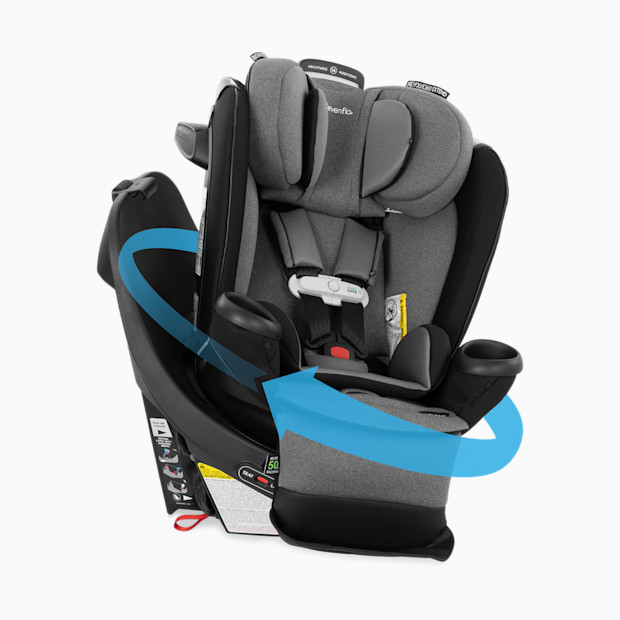
These upgrades can include things like push-on lower anchor connectors, built-in belt lock-offs or tensioning devices that simplify installation and a no-rethread harness (which adjusts with the headrest instead of requiring manual rerouting as your child grows). You might also see convenience features like rotation for easier in-and-out or zip-off covers for quicker cleaning. While many affordable seats are also user-friendly, these types of features tend to be more common in higher-priced models.
“Ease of installation features such as tensioners and lock-offs can reduce misuse,” explains Carly Suterlowe, CPST and founder of Car Seat Carly. “These may be worthwhile investments when a seat will be moved between vehicles frequently, the caregiver has a physical limitation that may make installing a car seat more difficult or you want extra confidence that a grandparent will be able to easily install,” she notes.
CPST pro tip: Easier to use does not always equal correct use. (It also doesn’t equal safer.) “Nothing replaces reading and following your car seat’s manual,” reminds Suterlowe.
➡️ Longevity
All car seats have different lifespans. Higher-priced car seats often offer extended usability, accommodating children as they grow. (An example might be a car seat with an extended rear-facing limit or an all-in-one seat that transitions from a rear to a forward-facing car seat and then to a booster seat.)
“Longer expiration dates often require use of higher grade plastics, metal frames and durable soft good materials that will last for the lifespan of the seat,” explains Lombard.
➡️ Additional safety features
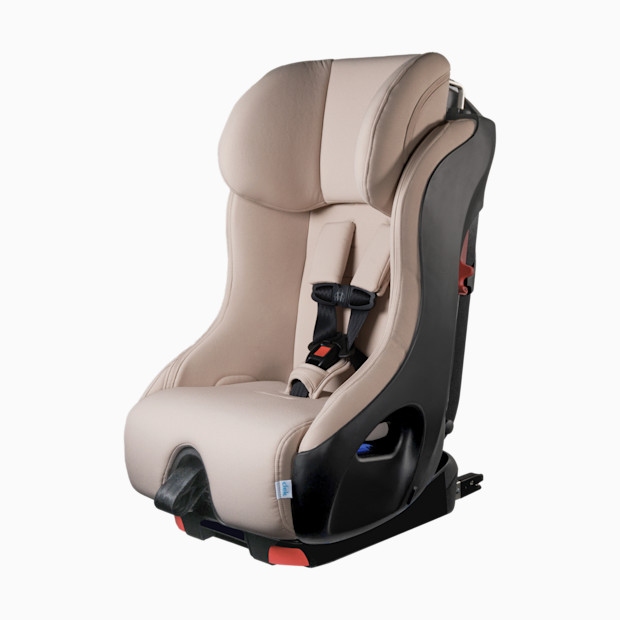
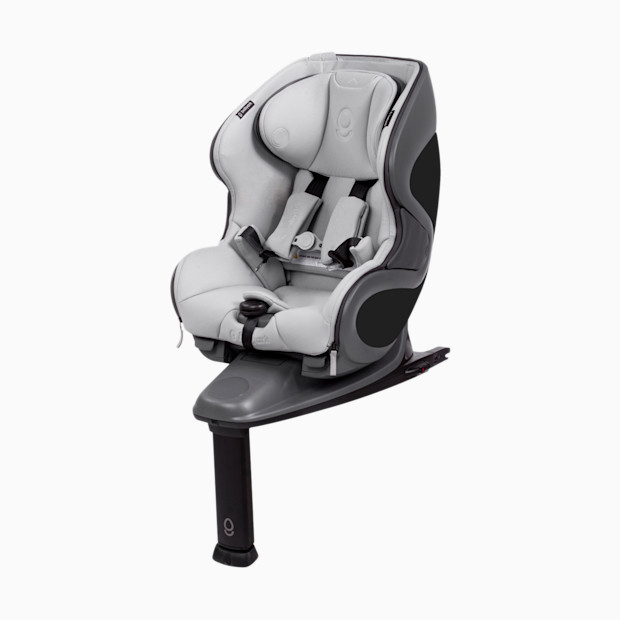
All car seats sold in the US must meet the same federal safety standards. However, higher-priced seats often include additional safety features—like load legs, anti-rebound bars or panels, rigid lower anchors or crumple zones. These “energy management” features are designed to absorb crash forces and help reduce movement during a collision.
Frame construction can also influence price. “Less expensive car seats typically have a fully plastic frame,” says Haverstick, while higher-priced seats usually have a steel-reinforced frame.
CPST pro tip: There’s a lot of nuance in car seat safety. Multiple factors contribute to a seat’s safety, not one magic feature. “Fully plastic shells typically found on less expensive products do an excellent job managing crash energy,” reminds Haverstick. They also keep car seats lighter in weight, making them easier to transfer between vehicles.
➡️ Comfort
Premium car seats often use higher-end materials and extra padding—not for added safety, but for improved comfort and convenience.
Material type also factors in. All car seats must meet federal flammability standards, but pricier models may use flame-retardant-free fabrics or naturally flame-resistant materials.
“Fabrics that are inherently flame resistant (like wool blends or recycled materials) are more expensive to produce, so therefore are typically only found on more expensive car seats,” adds Haverstick.
💸 Common Car Seat Features by Price
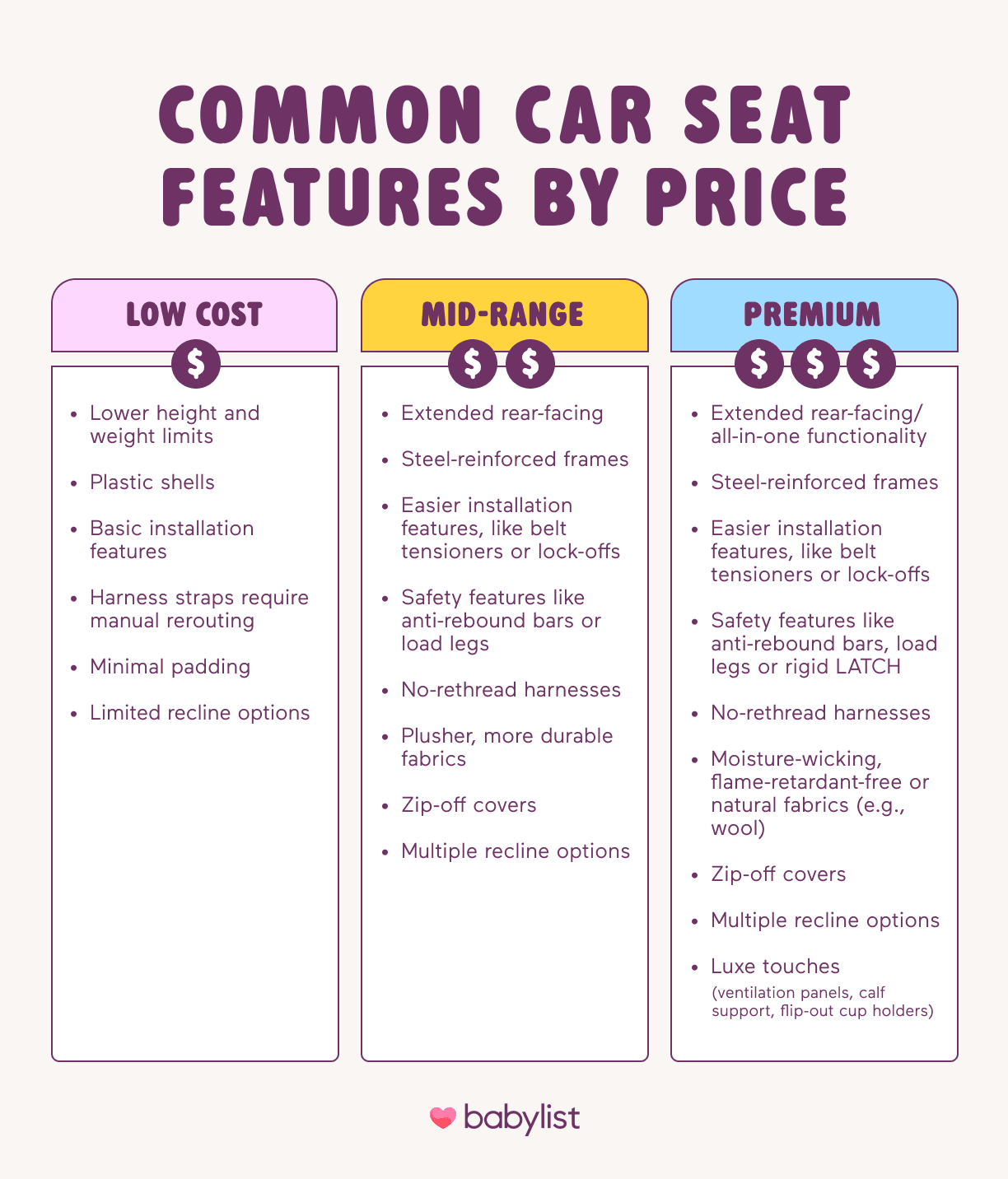
Most car seats cost anywhere from around $50 to upward of $800. While there are exceptions, there are certain features you can expect at each tier.
💰 Lower-priced car seats ($50-$150)
Lower-priced seats generally have basic features: a plastic shell, lower height and weight limits, basic padding and fabrics, a manual harness, limited (or no) recline options and basic installation features.
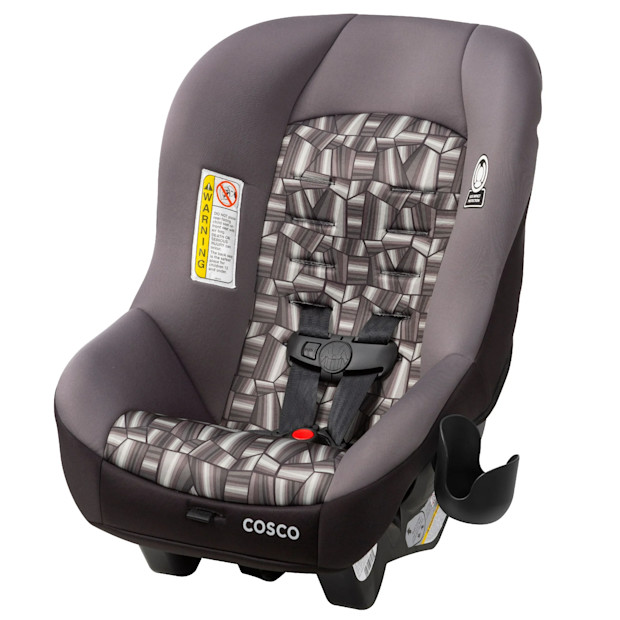
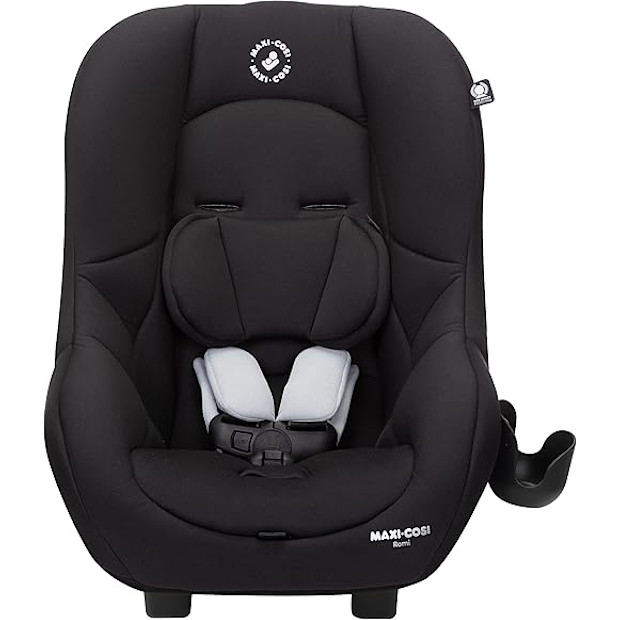
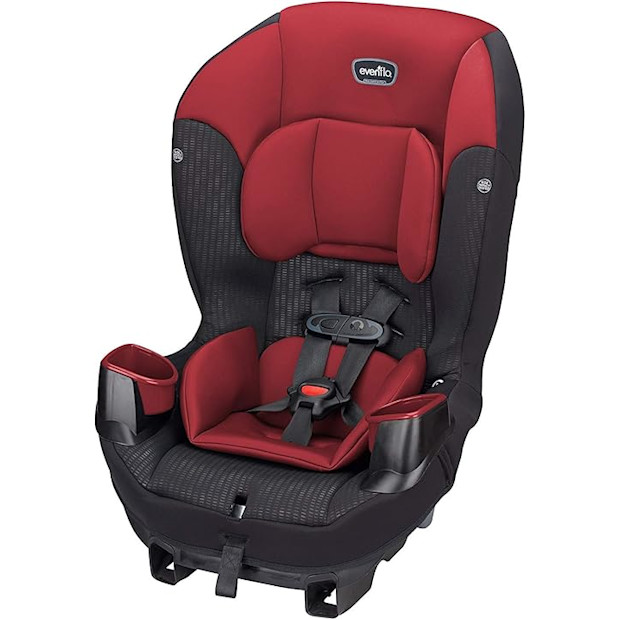
💰💰 Mid-range car seats ($150-300)
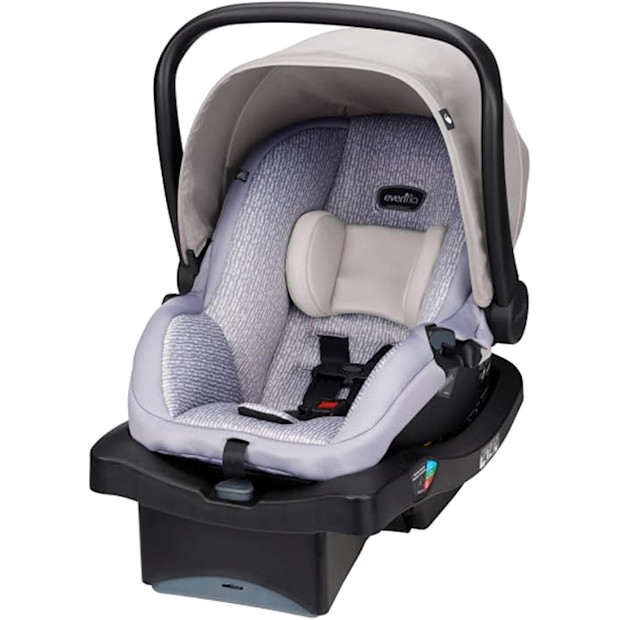
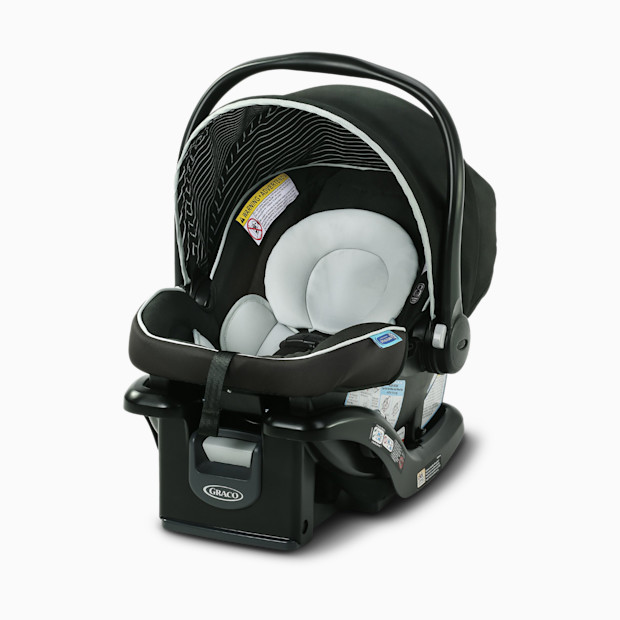
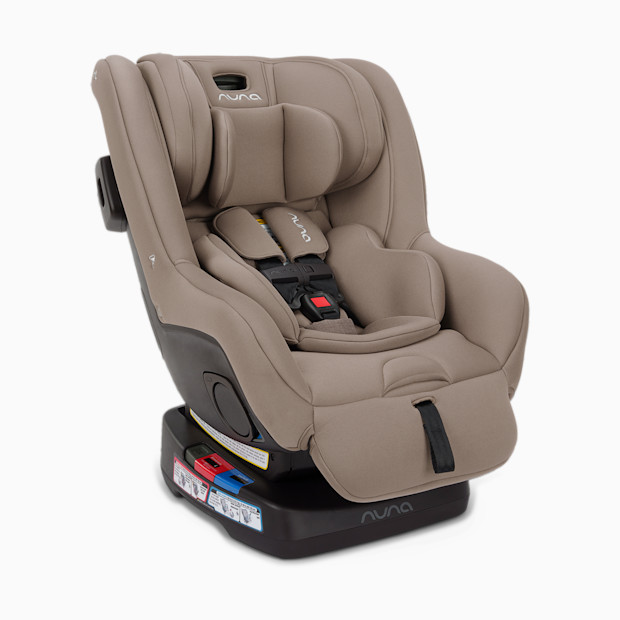
Mid-range car seats—from about $150 to $300—usually offer more features and longer lifespans. You’ll typically find seats that are easier to install (they may have seat belt lock-offs or lower anchors that are easier to connect), have steel-reinforced frames and have comfort and convenience features like plusher fabrics, no-rethread harnesses, zip-off covers for easier cleaning and more recline options.
Higher weight and height limits mean you’ll often be able to use these seats longer than some less expensive car seats. Some seats in the higher range of this price tier also offer safety extras like load legs or anti-rebound bars.
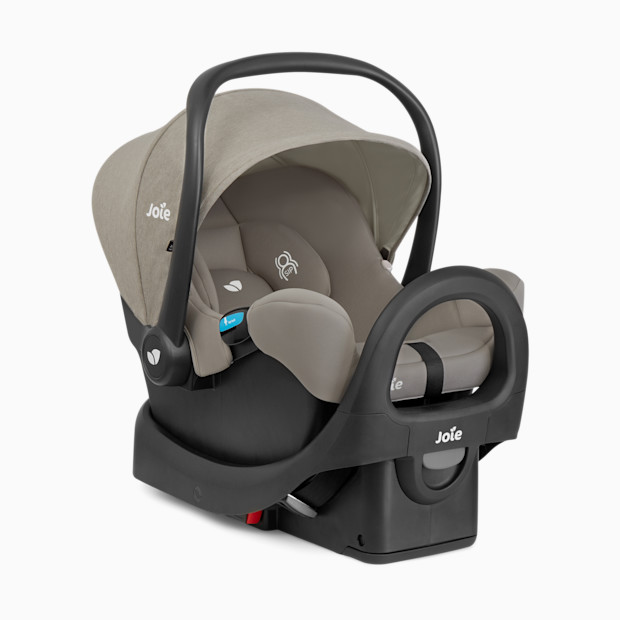
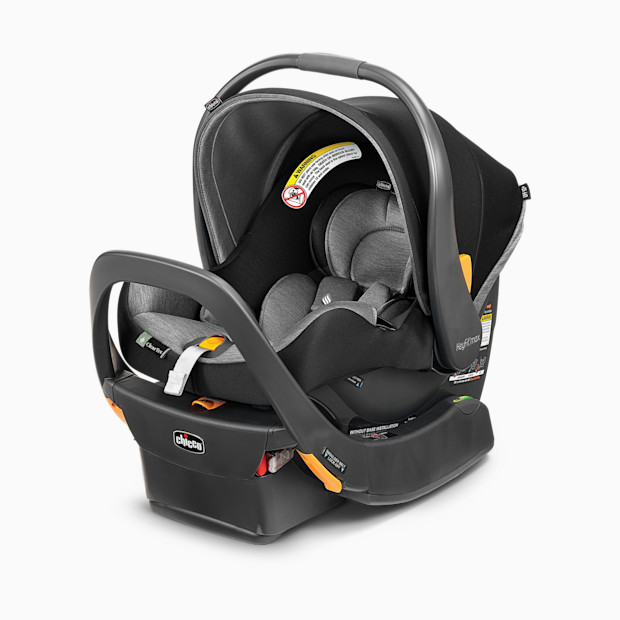
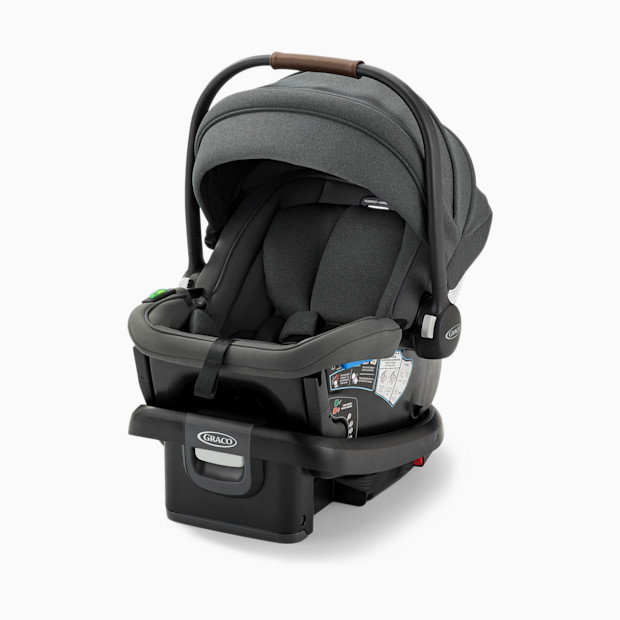
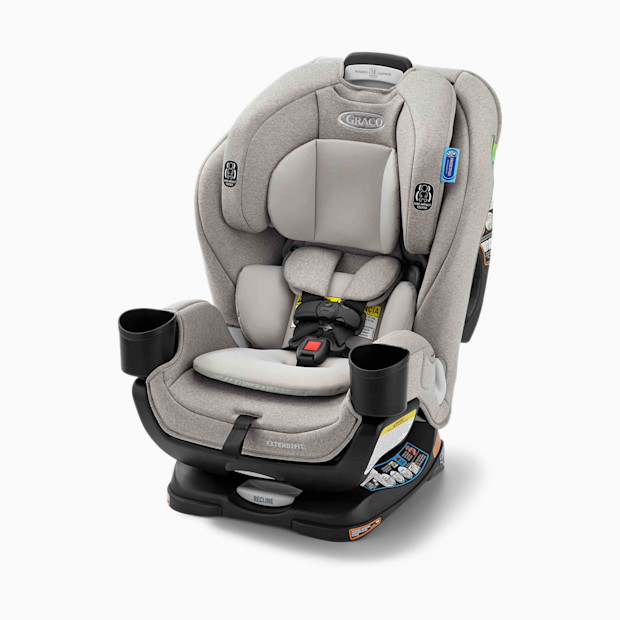
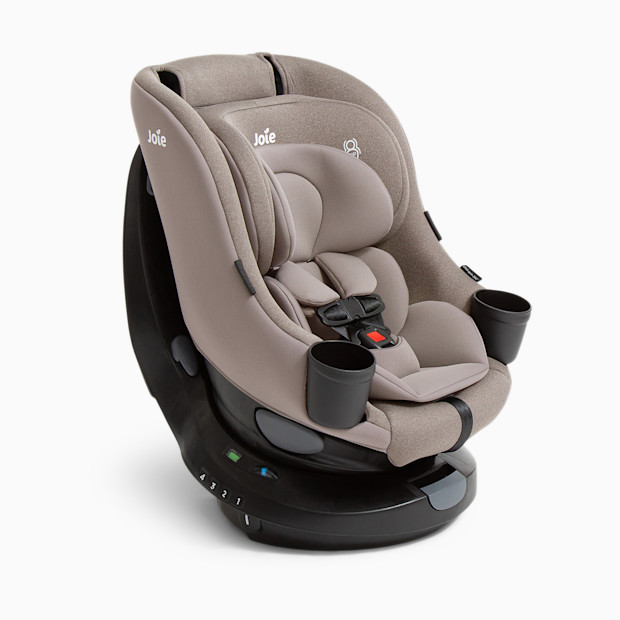
💰💰💰 Premium car seats ($300-$800+)
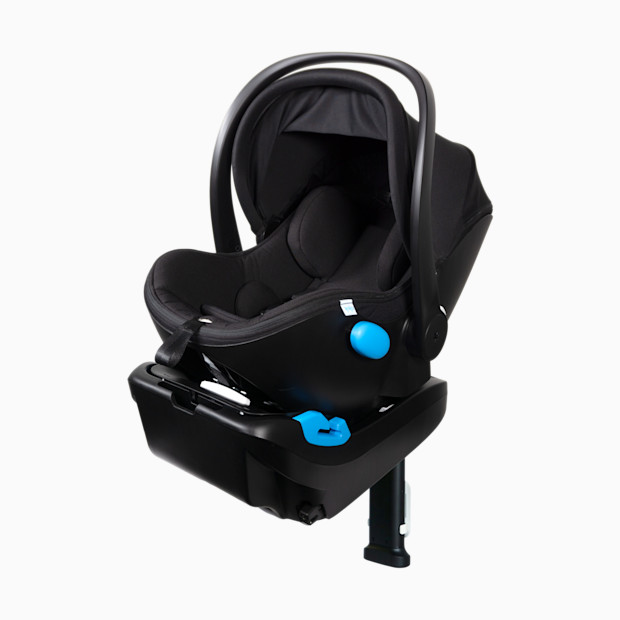
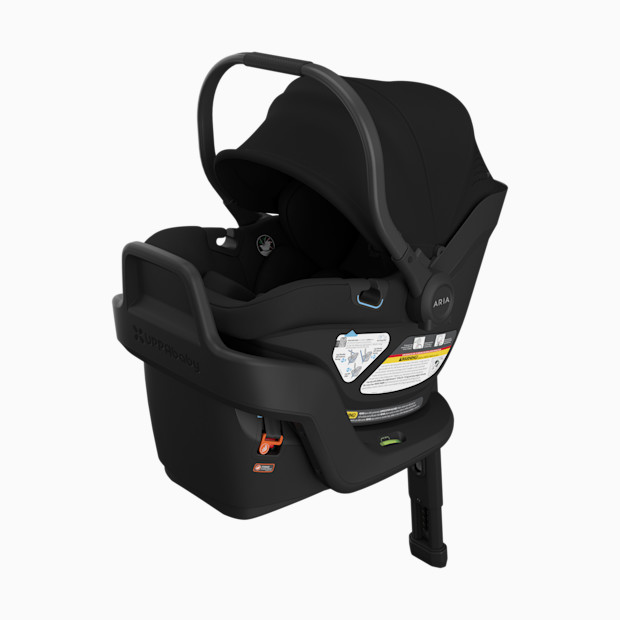
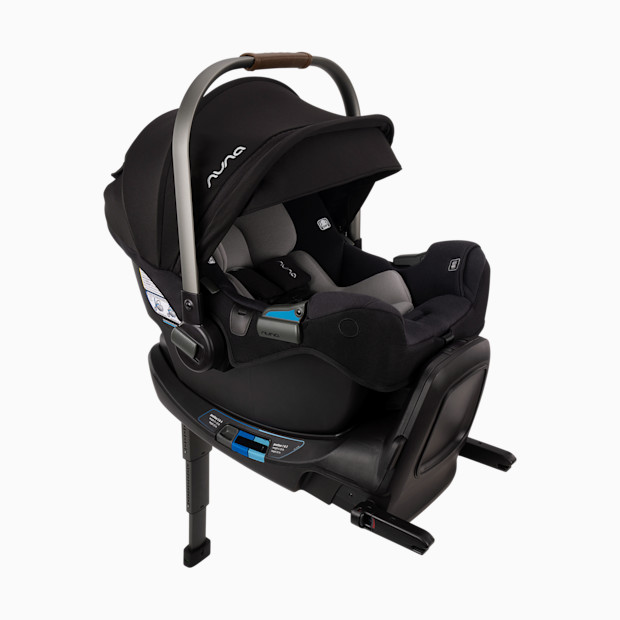
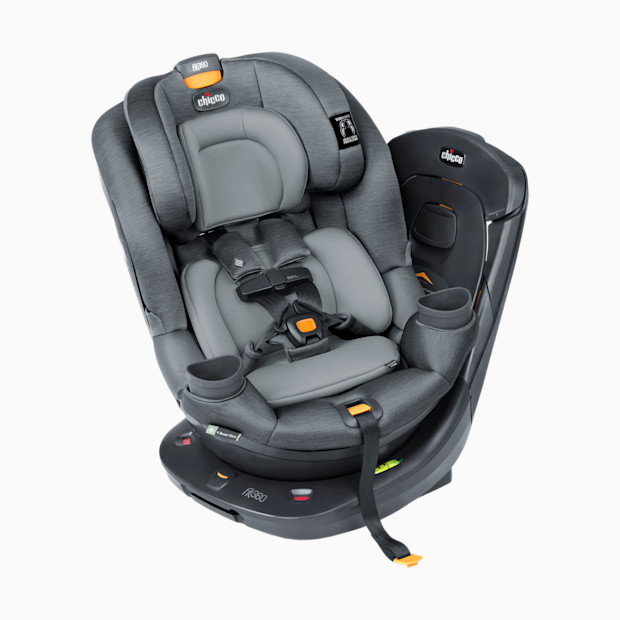
Premium seats offer all of the above and then some. Car seats in this price bracket may have all-in-one functionality (the seat can be used rear and forward-facing and as a booster seat) and added safety features like rigid lower anchors or specially designed crumple zones. Many are made with naturally flame-retardant-free fabrics like wool. You’ll also find luxe touches like flip-out cup holders, ventilation panels, XL canopies or calf support.
❓Should you splurge or save on your car seat?
There’s no one-size-fits-all rule for when to splurge or save on a car seat—it often comes down to personal preference. But most CPSTs agree: if you’re going to spend more, prioritize safety features that help manage energy and a car seat’s movement in the event of a crash.
“Personally, I am willing to pay for additional energy management features such as load legs, rear-facing tethers and European belt routing on infant seats, because we have data that supports reduced injury when downward rotation [of the car seat] is limited,” says Suterlowe.
Lombard agrees. “If I had funds to splurge on a seat…I might look for a rotation management feature like a load leg, anti-rebound bar or rear-facing tether,” she says. “Some car seats have rigid lower anchors or special crumple zones built in to help distribute crash forces,” she adds.
But, as with most things car-seat related, it’s not black and white. “We don’t have clear data on how much a specific injury may have been reduced in a real-world scenario by using one of these features,” Suterlowe points out, so a car seat without them isn’t necessarily any less safe than one that includes them.
Other convenience features you may consider splurging on:
Easy-remove or quick-zip covers (because babies are messy!), especially if your child experiences motion sickness.
Naturally flame-retardant materials, such as wool, if that’s something that’s important to you.
Rotation features, especially if you or a caregiver have limited mobility or if you have a smaller vehicle.
🚫 Common Misconceptions About Car Seat Pricing
❌ More expensive car seats are safer
A more expensive car seat does not equal a safer car seat.
“All car seats, when used correctly, will do an excellent job of protecting children in a crash,” says Lombard. “As a long-time CPST and instructor, I have personally used car seats and booster seats in a wide range of price points, and I trust them implicitly to protect my own children.”
“The cost of a car seat is not what keeps a child safe,” echoes Suterlowe.
❌ More expensive car seats are always easier to use
While pricier seats often have more ease-of-use features, there’s no substitute for reading your car seat’s manual and learning how to properly install and use your seat.
“Car seats are complicated,” explains Haverstick, who notes that misuse is incredibly common, with some estimates suggesting as many as nine out of 10 car seats are used incorrectly. “Easier does not always equal correct use.”
Read those manuals 📖 !
❌ You should buy the most expensive car seat you can afford
Instead of letting cost lead the way, focus on a seat that fits your child and your vehicle and that you (and your child’s caregivers) can use correctly every single time.
“As a society, we tend to think that more expensive means better or safer, and that simply isn’t true with car seats,” says Lombard. “I would much rather see a family using a $60 car seat correctly than a $600 car seat incorrectly!”
“There are a few specific, high-end infant car seats that I frequently see in use with the straps not tightened properly. This is in no way safer than a $79 car seat used correctly,” echoes Suterlowe
The bottom line: Car seats come in a wide range of prices, but every seat on the market meets the same federal safety standards. Whether you want to spend $100 or $500, prioritize a seat that fits your child, fits your vehicle and that you can use correctly every time.
Expert Sources
Babylist content uses high-quality subject matter experts to provide accurate and reliable information to our users. Sources for this story include:
Sarah Haverstick, a Child Passenger Safety Technician-Instructor and the Senior Manager of Safety Advocacy & Consumer Care at Evenflo
Britney Lombard, a Child Passenger Safety Technician-Instructor and a Senior Safety Program Manager
Carley Suterlowe, CPST and founder of Car Seat Carly, which provides local and virtual seat/fit checks, troubleshooting and shopping consultations for seat selection

;)
;)
;)
;)
;)
;)
;)
;)
;)
;)
","url":"https://www.babylist.com/gp/clek-liing-infant-car-seat/14716/2028173","source":"hello_baby"});)
;)
;)
;)
;)
","url":"https://www.babylist.com/gp/clek-foonf-convertible-car-seat/14346/2283357","source":"hello_baby"});)
;)
;)