
Worried About Flame Retardants in Car Seats? Here's What You Should Know
Is a flame-retardant-free car seat worth it? We spoke to scientists to find out.

By
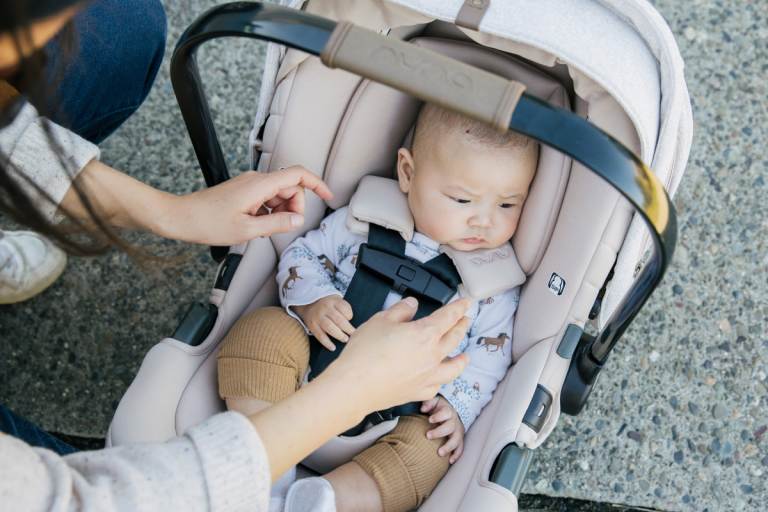
The history of flame retardants—synthetic chemicals added to certain products or materials to prevent fire or slow the speed of burning—goes back decades in the US. Stemming back to the 1970s when an increase in smoking rates led to concerns about people falling asleep with a lit cigarette in hand and igniting whatever was around them, flammability standards began popping up across all different sectors, and flame retardants started showing up in all sorts of places: furniture, mattresses, plastics, car interiors, electronics and even children’s pajamas.
In 1971, car seats entered the picture. The National Highway Traffic Safety Administration—NHTSA, the agency that mandates the standards around how a car seat should perform in a crash—introduced a car seat flammability standard. (That standard remains in place today; it’s only been amended once over the last five decades, in 1998.) Just like in other products, flame retardants started appearing in infant car seats, convertibles and and booster seats.
Some manufacturers use natural materials to meet this standard, while others use synthetic flame retardants. Depending on the car seat, these manmade flame retardants may be found in various places, including the foam, fabrics and other materials used in its construction.
The debate around chemical flame retardants in car seats has grown over the last few years. Once considered something that appealed only to a specific subset of parents—the self-described “crunchy” parent who also shies away from things like plastic baby bottles, or families willing or able to spend more on a car seat purchase—the landscape is beginning to change. More parents are showing interest in flame-retardant free (FRF) seats, and car seat manufacturers are paying attention.
“There’s been a definite uptick in people asking for FRF seats,” says Lani Harrison, a CPST with over a decade of experience. “The idea of FRF car seats has trickled down to even the less expensive manufacturers.”
The science continues to evolve, too. There’s no shortage of data to pore over if you’re considering a FRF seat, and while most scientists acknowledge the broad risks around overexposure to flame retardants, they disagree on just how harmful they are when used in a child’s car seat.
We’re exploring all sides of synthetic flame retardants in car seats to help you make the best—and most informed—decision for your family.
What are flame retardants?
Flame retardants (FRs) are a group of synthetic chemicals used to reduce the flammability of different materials. These man-made chemicals are intentionally applied to all sorts of products and materials—think textiles, plastics, furniture, electronics and even car seats—to reduce the rate at which they burn.
Flame retardants don’t prevent things from burning, explains Heather Stapleton, PhD, an environmental chemist and exposure scientist and a professor at Duke University. “They slow the rate at which [things] burn, which theoretically should provide more time to escape from the fire or to put it out.”
Why are flame retardants used?
Flame retardants are largely used to meet safety and performance standards across various industries, explains Lydia Jahl, PhD, a senior scientist at Green Science Policy Institute, a non-profit that works to reduce the use of harmful chemicals in everyday products.
“If you think of a flammable product, like electronics, where there’s a lot of energy going through it, [manufacturers] might get together to make a standard,” she explains. “They think: we need this material to resist flame. And flame retardants are the easiest way to do that.”
Flame Retardant Risks
There are different classes of flame retardants, and it’s virtually impossible to pin down the specific risks linked to each one; however, widely speaking, many flame retardants carry significant risks.
“Flame retardants each have their own hazard profile, but many of them are very similar to one another, and so we can sort of broadly attribute multiple negative health effects to flame retardants in general,” explains Jahl. Depending on the level of exposure, these risks can include:
Cancer
Neurotoxicity (i.e., neurological damage), including developmental delays
Endocrine toxicity, specifically hormone disruption
And because new flame retardants are popping up all the time—each with its own set of potential health risks—it can be tough to keep up.
Dr. Stapleton pointed to a class of brominated flame retardants (bromine = a chemical element) known by the acronym PBDEs as an example. Used in car seats, furniture and other products, PBDEs were shown to have toxic properties and were officially banned in the European Union and voluntarily phased out in the US in 2004.
“But then when those were banned, there was a transition to other types of brominated flame retardants and to organophosphate flame retardants.” But then, some organophosphate flame retardants were classified as probable carcinogens, triggering even more legislative bans. “It’s what people in my field often call Whac-A-Mole,” says Stapleton.
“Sometimes something seems safe at first, but it's only because it hasn't really been studied,” adds Jahl. “Then you get a bunch of scientists and help experts to study it more, and you realize, oops, that one wasn't actually good after all. It gets a little tricky.”
Flame retardant risks in children
The potential risks of flame retardants can be even more significant in children than in adults. “Children are in a very sensitive developmental stage,” says Stapleton. Flame retardants can impact both a baby in utero (through maternal exposure) and babies and young children directly and cause things like neurological damage, developmental delays and cancer.
“Kids exposed to high levels of certain flame retardants have been shown to have decreased IQ on a population level across the whole United States,” says Jahl.
Developing cancer later in life is another concern. She cited a 2024 study on PBDEs that linked flame retardants found in consumer products to cancer in people for the first time. “Those who were in the very top level, the top quarter of exposure, compared to those who had the lowest levels—they had a 300% increased chance of dying from cancer.”
“The big concern is that if [flame retardants] get into your body, they stay in your body for years,” adds Stapleton.
Flame Retardants in Car Seats
According to an Ecology Center report, over half of car seats in the US contained flame retardants as of 2022. Unless a car seat or booster seat is specifically labeled as “flame retardant free,” parents can’t determine if their child’s seat contains synthetic flame retardants, which ones might be present and in what quantity.
“Manufacturers are under no obligation to release the chemical treatments in those materials,” says Stapleton. “Unless you have it tested in a laboratory, you're not going to know.”
How are children exposed to flame retardants in car seats?
Children are exposed to flame retardants in a car seat in several different ways: through air, skin or ingestion.
“Some might be able to be absorbed through a child's skin. Some volatilize or off-gas easily, and then the child can breathe in those flame retardants through the air,” explains Jahl. “Others can off-gass and then drop into dust. And then when a kid puts their hands in their mouth or eats a snack in the car, they're inadvertently eating a lot of dust that way as well.”
So how worried should you be? It depends on who you ask.
Exposure matters
Stapleton points to three concerning studies on FRs that can be useful in understanding how they may impact car seats and children:
A 2021 study on off-gassing of flame retardants from products such as furniture that demonstrates children are the most susceptible to FR exposure/dose (two times higher average daily dose than adults) due to their frequent hand-to-mouth contact
A 2017 study that investigated FRs in sofas, house dust and people’s blood that found a statistically significant correlation between the treatment of chemicals in sofas with levels in the blood
A 2017 study on the exposure level of the flame retardant Tris in infants that estimated some infants were receiving exposures above the health risk threshold (Tris was one of the most common flame retardants found in car seats during that time)
“Furniture is clearly a source, and it stands to reason that car seats are a similar source to children,” she says.
But the dose makes the poison, as many scientists say. The amount of synthetic flame retardants in a car seat and the frequency of exposure both matter in determining any potential risks.
“How much exposure a child receives is the question,” explains Stapleton. “It depends on the type of flame retardant, the concentration of the flame retardant in the car seat, the temperature, how much time you spend in the car seat, and also behaviors. For example, is the child eating in the car seat and putting their hand on the treated [car seat fabric]?” she says.
There’s also the interior of a vehicle seat itself to consider. A 2024 study by researchers at the Green Policity Institute and Duke University found potentially harmful flame retarandants present in the air inside cars. Some scientists we spoke to, like Allison Rose Warren, an analytical chemist and a CPST who has written about FRF car seats, questions if we should be focusing on the larger issue of flame retardants in our broader environment rather than worrying parents over flame retardants in children’s car seats.
“It’s been years and years [of reading about flame retardants in car seats], and I have yet to see anyone demonstrate off-gassing above the threshold of the vehicle itself or the transfer from the seat to the child under normal use,” she notes. “If there are specific retardants that need to be retired, it’s high time we do that,” she says, but there’s “a much larger issue” at play here, she points out.
And while Warren is in favor of moving away from chemical flame retardants when possible (the manufacturing process isn’t great for the environment, she notes), there needs to be a more affordable alternative.
“Vehicle fires are very real, and the flammability standards exist for a reason.”
What are the alternatives to synthetic flame retardants?
Natural alternatives to synthetic flame retardants are available, and some car seat manufacturers have been innovating with them in recent years. Materials like wool or wool blends, for example, are naturally flame-retardant and are becoming increasingly common. The downside? Price.
“They're more expensive,” says Jahl, both materials-wise and behind the scenes in what companies need to spend on research and development. That gets passed down to the consumer in a car seat’s retail price: Flame-retardant-free car seats are often more expensive than many other car seats on the market. (The Nuna Rava, for example, a FRF convertible car seat, retails for over $500. The Graco Extend2Fit, a convertible seat with similar rear-facing limits but that isn’t FRF, is $230.) This can be cost-prohibitive for many families, and several CPSTs we spoke to were concerned that a growing emphasis on flame-retardant-free seats might price some families out of the market for a safe, reliable and affordable car seat.
“I live in an area that’s generally middle to lower income. A majority of the families tend to shop for seats that are on sale or watch and wait for the seats they want to go on sale,” shared Heather Andaverde, a CPST and mother of two. “Having a flame retardant seat wasn’t something that was on their priority list. Their highest priorities were more towards the longevity of the seat and [that it was] reasonably priced.”
Reducing Flame Retardant Exposure in Car Seats
All car seats sold in the US must meet the same flammability standards regardless of whether or not they use synthetic flame retardants, and when used properly will protect your child in a crash. However, if you currently own a car seat treated with synthetic FRs and are concerned about potential exposure, there are a few things you can do, according to Jahl.
Vacuum your child’s car seat frequently to rid it of any contaminated dust.
Maintain good airflow in your car to help mitigate the risks of synthetic FRs both in your car seat and inside your vehicle. “If there are flame retardants in the air, they’re getting flushed out,” she says. Open your car window for the first 30 seconds of your drive, especially if your car was sitting in the sun, and don’t turn on the air recirculation unless absolutely necessary.
If possible, don’t let your child eat in the car.
Wash your child’s hands with soap and water after every car ride.
Never use disinfectants or other harsh chemicals to clean your child’s car seat, as they can damage the seat and its components and cause it to malfunction in a crash. Always consult your car seat’s manual and follow the specific cleaning instructions laid out by the manufacturer.
Flame Retardant Free Car Seats
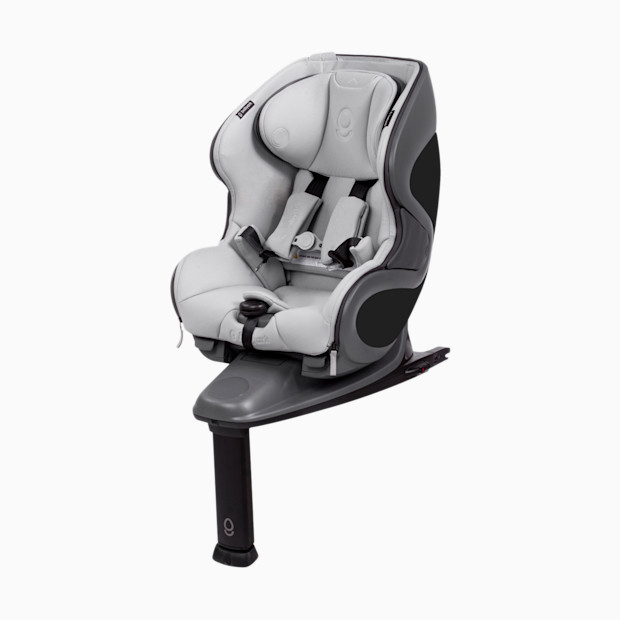
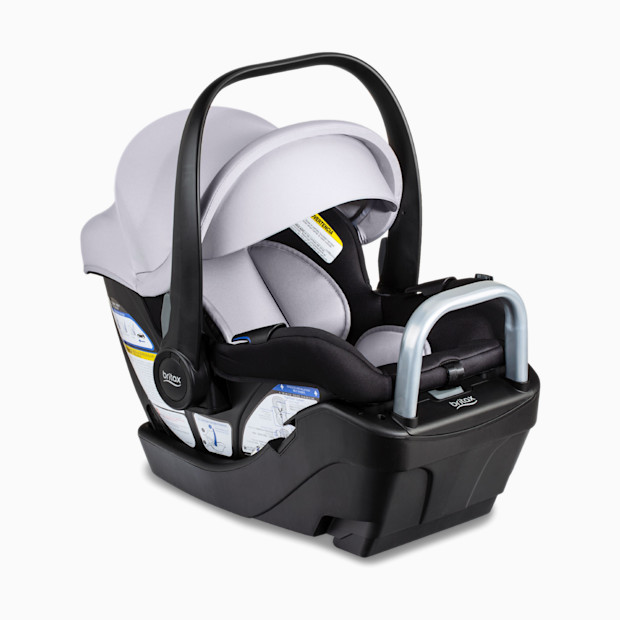
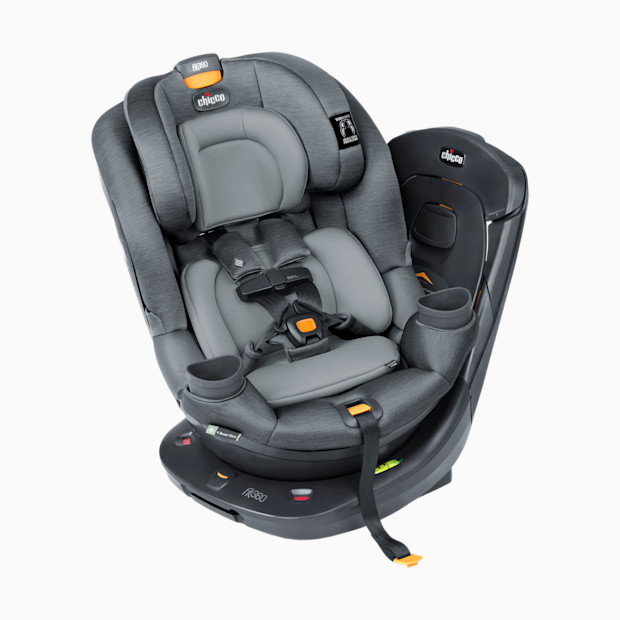
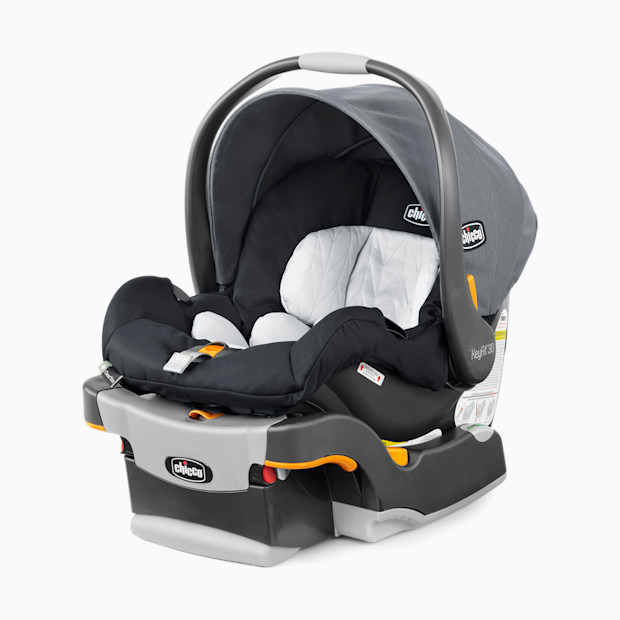
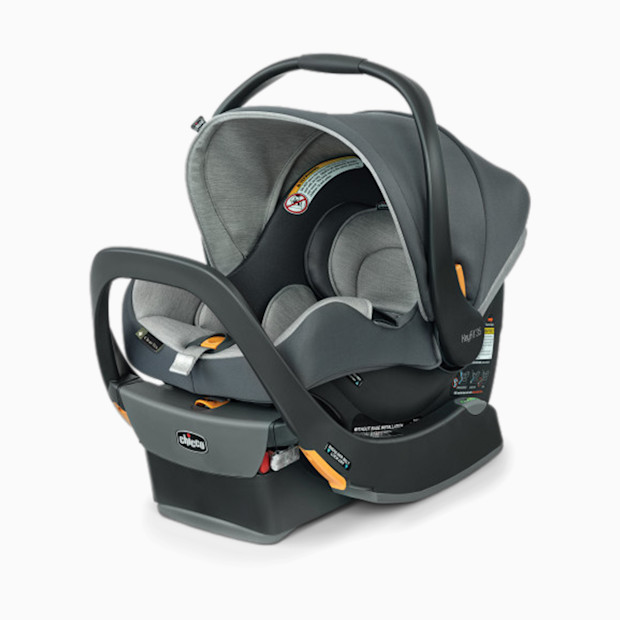
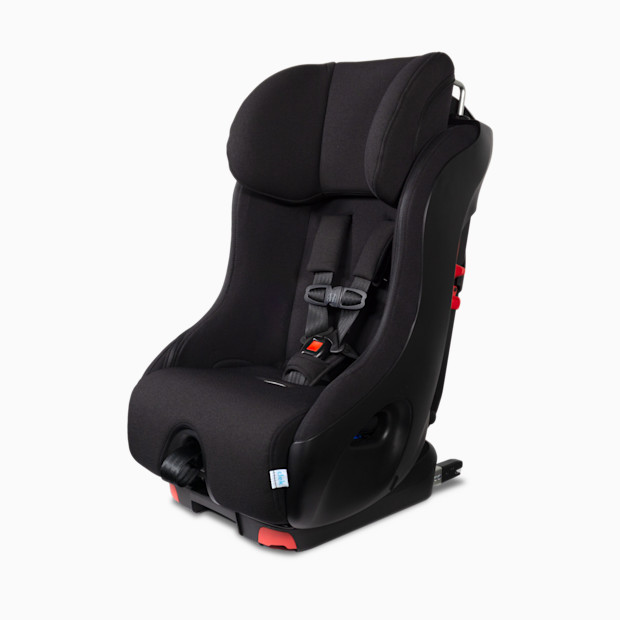
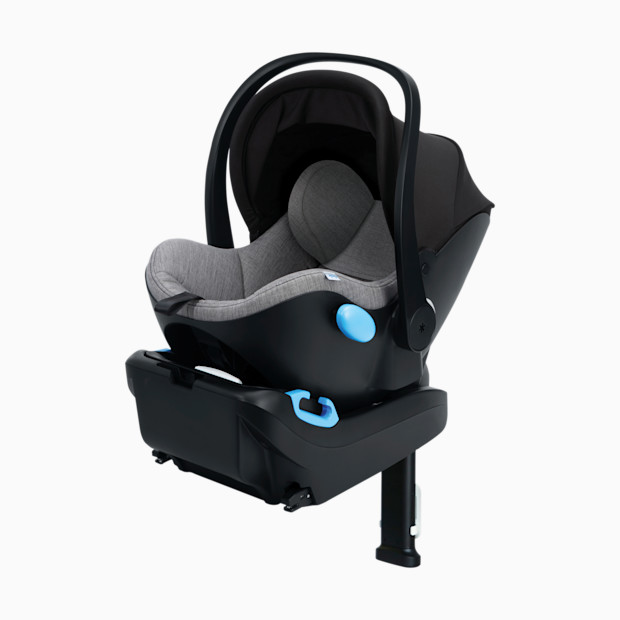
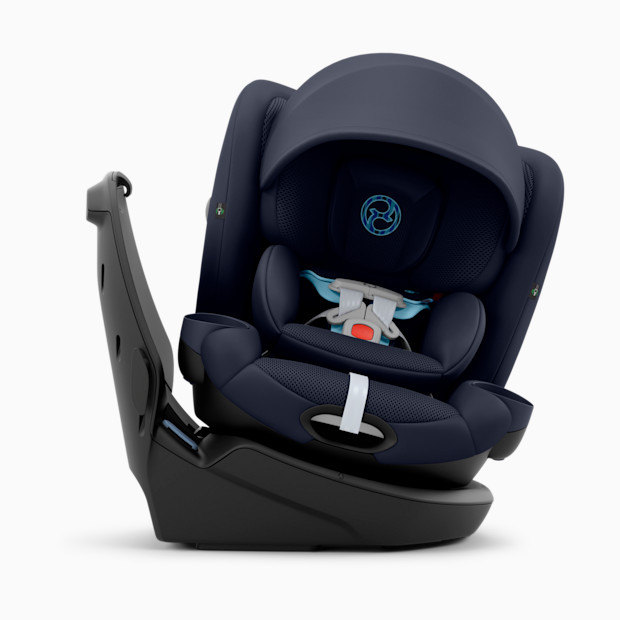
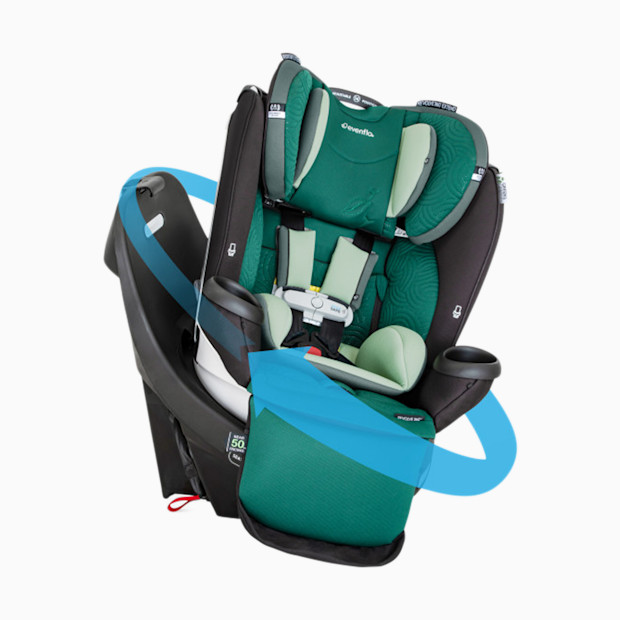
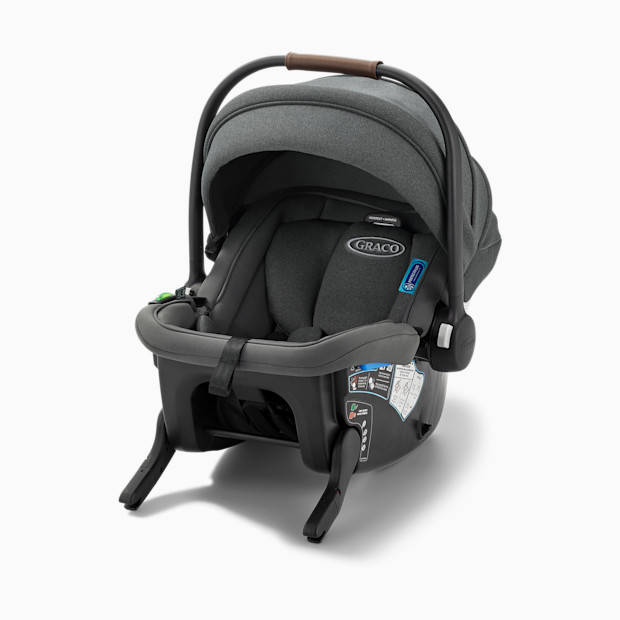
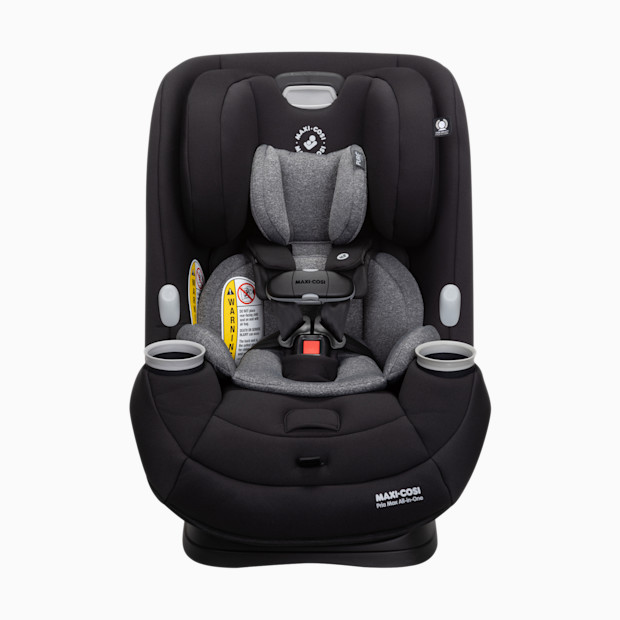
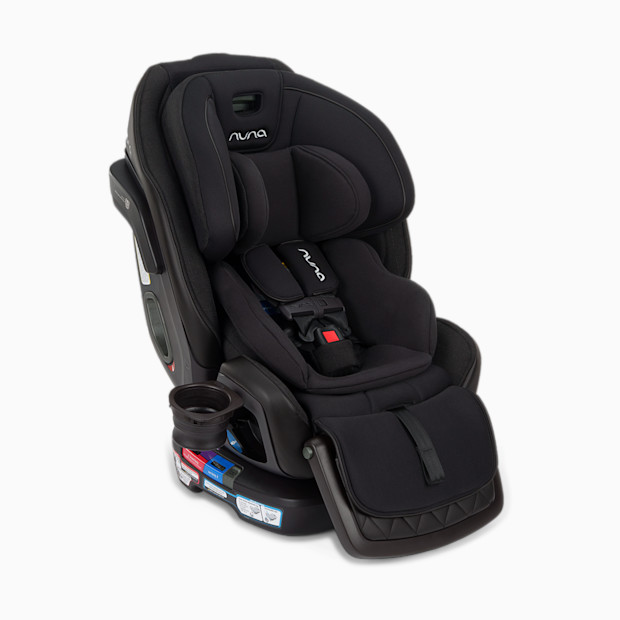
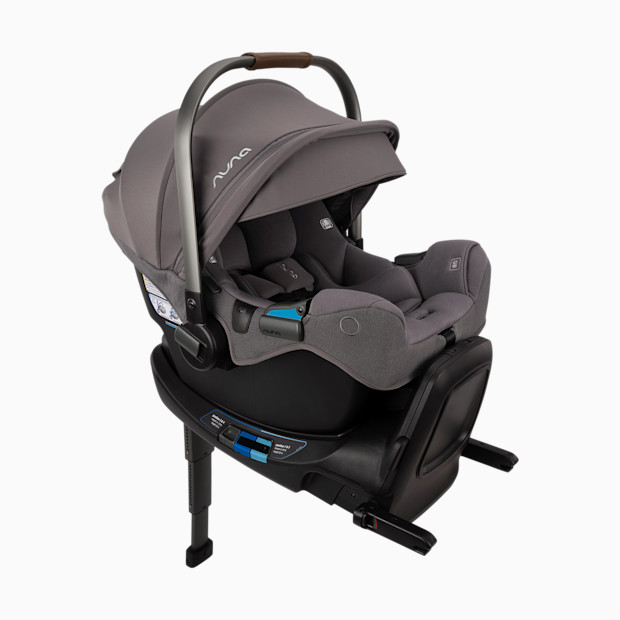
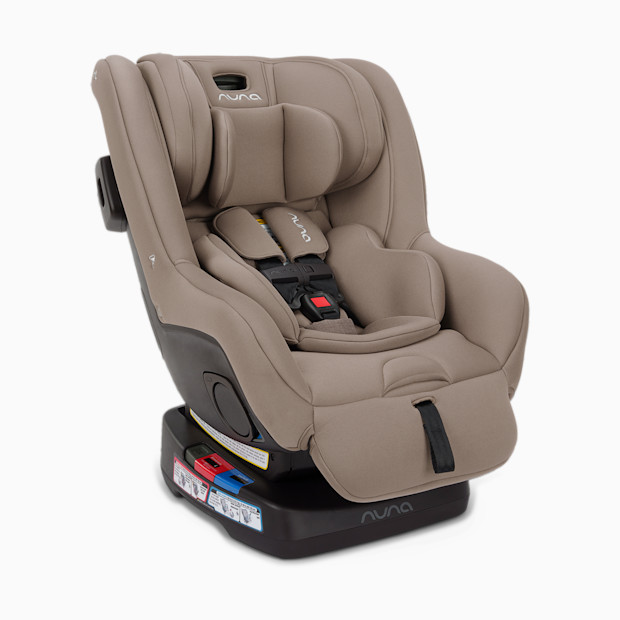
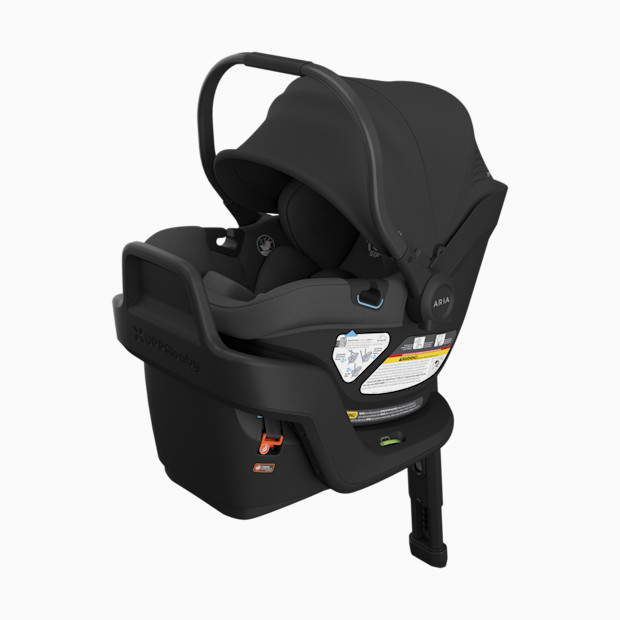
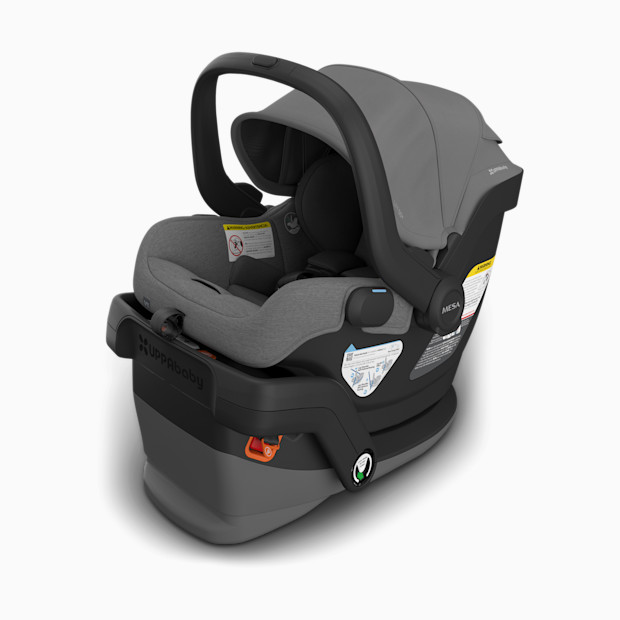
If you’re interested in a flame-retardant-free car seat, here are a few of our favorite options.
Expert Sources
Babylist content uses high-quality subject matter experts to provide accurate and reliable information to our users. Sources for this story include:
Lani Harrison, a CPST with over a decade of experience
Lydia Jahl, PhD, a senior scientist at Green Science Policy Institute, a non-profit that collaborates across sectors to reduce the use of harmful chemicals in everyday products
Rachel Roberts, a CPST and mother of two
Heather Stapleton, PhD, an environmental chemist and exposure scientist in the Nicholas School of the Environment at Duke University
Allison Rose Warren, an analytical chemist and CPST
Studies and articles include:
Cassandra Rauert, Borislav Lazarov, Stuart Harrad, Adrian Covaci, Marianne Stranger, A review of chamber experiments for determining specific emission rates and investigating migration pathways of flame retardants, Atmospheric Environment, Volume 82, 2014, Pages 44-55, ISSN 1352-2310.
Davis A, Ryan PB, Cohen JA, Harris D, Black M. Chemical exposures from upholstered furniture with various flame retardant technologies. Indoor Air. 2021 Sep;31(5):1473-1483. doi: 10.1111/ina.12805. Epub 2021 Feb 24. PMID: 33624349; PMCID: PMC8451937.
Hammel SC, Hoffman K, Lorenzo AM, et al. Associations between flame retardant applications in furniture foam, house dust levels, and residents' serum levels. Environ Int. 2017;107:181-189. doi:10.1016/j.envint.2017.07.015
Hoffman K, Gearhart-Serna L, Lorber M, Webster TF, Stapleton HM. Estimated tris(1,3-dichloro-2-propyl) phosphate exposure levels for US infants suggest potential health risks. Environ Sci Technol Lett. 2017;4(8):334-338. doi:10.1021/acs.estlett.7b00196
Liu B, Lehmler H, Ye Z, et al. Exposure to Polybrominated Diphenyl Ethers and Risk of All-Cause and Cause-Specific Mortality. JAMA Netw Open. 2024;7(4):e243127. doi:10.1001/jamanetworkopen.2024.3127

;)
;)
;)
;)
;)
","url":"https://www.babylist.com/gp/clek-foonf-convertible-car-seat/14346/2028181","source":"hello_baby"});)
;)
;)
;)
;)
;)
;)
;)
;)
;)
;)