
Yes, Your Travel Stroller Can Be Your Main Stroller
Today’s travel strollers are light, compact and capable. For many families, they make a great everyday option.

By
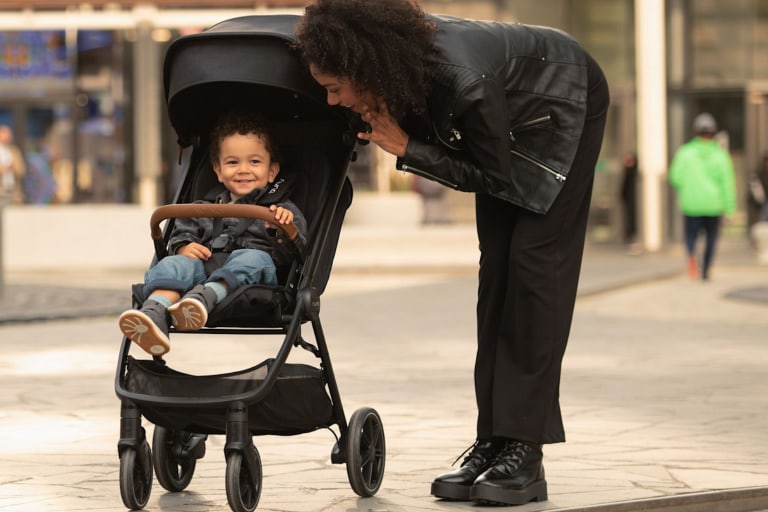
As Babylist's gear editor, I get into a lot of stroller talk with new and expecting parents. Most are shopping for a full-size stroller, but lately I’ve been hearing more and more about a growing trend: ditching the big ol’ frame and using a lightweight travel stroller as an everyday ride instead.
It makes sense. When you're registering for a stroller before your baby arrives, a full-size option feels like the safer bet: more features, a bigger basket and a sturdier ride. And for lots of families, it is a great idea. But for others, the reality of daily stroller life looks different than they expected: lugging a heavy frame in and out of the car multiple times a day, wrestling it up a flight of stairs or trying to fit it in a trunk that's already packed.
That's where travel strollers come in. Lighter, more compact, easier to handle and packed with more features than ever, today's travel strollers have become a genuinely viable everyday option—and for many families, the better one. Here's what to know.
What is a travel stroller?
A travel stroller is a lightweight, compact stroller built for portability. Also called lightweight strollers, they fold quickly—usually with one hand—and are easy to take on the go and maneuver through crowded spaces.
A Travel Stroller for Everyday: The Case for Downsizing
If you’re considering using a travel stroller as your everyday ride or swapping out your current full-size model for something lighter, you’re not alone. More and more families are either making the switch or starting with a travel stroller from day one, and for good reason: today’s travel strollers have come a long way. For many families, a lightweight stroller isn’t just an afterthought—it’s actually the better option.
Why a travel stroller can work as your everyday stroller
Here's why more families are making it work.
It’s lighter and more compact.
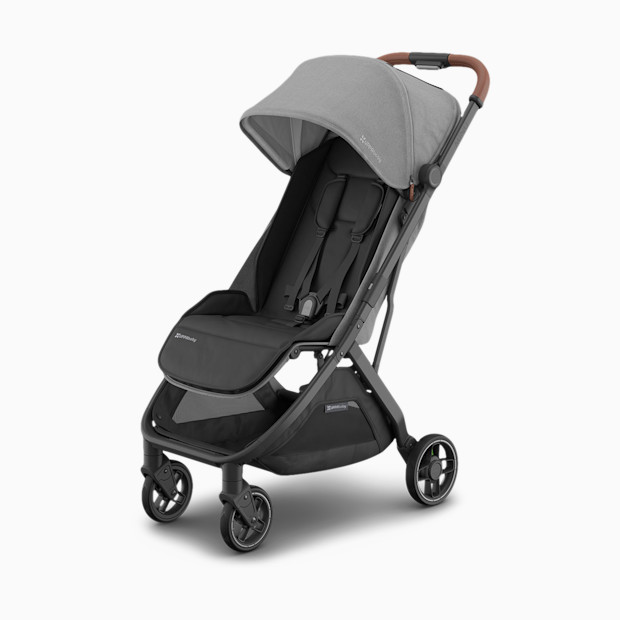
Travel strollers typically weigh about half as much as a full-size stroller. (The UPPAbaby Cruz V3, for example, weighs about 26 pounds; the brand's travel stroller, the Minu V3, weighs 16.) And they're more compact both when open and folded. That combination makes for a stroller that's easier to lift in and out of a car, easier to stash in a trunk or entryway and easier to maneuver through tight spaces, some of the biggest reasons parents tell us they made the switch.
The fold is faster
A quick, easy fold isn’t a universal feature across all full-size strollers. Most travel strollers, however, are known for exactly that: a fold that's fast, effortless and usually one-handed. If you're opening and closing your stroller multiple times a day, every day, that adds up.
The ride is better than you’d expect
Suspension used to be a real weakness in travel strollers, and still can be on some lower-priced models. But most mid-tier and premium options now handle city streets, bumpy sidewalks and uneven terrain pretty well. And their smaller frames make them easier to maneuver than full-size strollers, especially in tight spaces.
Many are newborn compatible
Five years ago, finding a travel stroller you could use from birth was hard, but that’s no longer the case. Many are now newborn-ready right out of the box thanks to lie-flat seats, bassinet add-ons or infant car seat adapters.
The features have caught up
You can skip FOMO if you choose a travel stroller as your everyday ride; many offer almost all the same features as a full-size option. You’ll find features like a reclining seat, peekaboo windows and ventilation, padded handlebars, large canopies and premium fabrics in most travel strollers, so you’re not giving up much.
Where a travel stroller falls short
Storage. Travel strollers have smaller baskets than full-size strollers, usually enough to hold a diaper bag and a few extras, but not much more. It's the biggest trade-off.
Suspension. Most mid-range and premium travel strollers handle everyday terrain just fine, but the smaller wheels and lighter frames do mean a bumpier ride than you'd get from a full-size stroller.
Modular seating. Travel stroller seats face one direction: outward. If parent-facing is important to you, you won't find it here.
Handlebar adjustability. Most travel strollers have fixed handlebars, which can be an issue if you’re on the taller side.
Longevity. Because the frames are lighter and the seats are smaller, many children outgrow a travel stroller sooner than they would a full-size.
A Travel Stroller as Your Primary: Who It's Right For
A travel stroller might be the right everyday choice if any of these sound familiar:
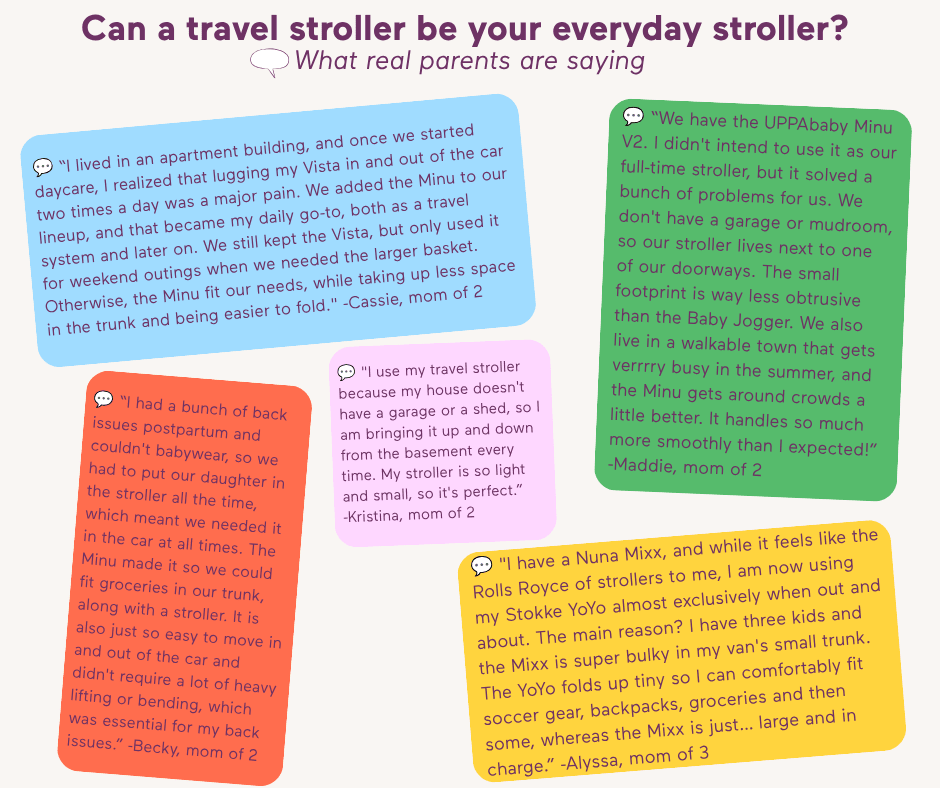
You're constantly on the go. If you're in and out of the car multiple times a day—school drop-off, errands, activities— a stroller that’s light and folds and unfolds easily is going to make your daily life a lot easier. The same goes if you store your stroller in the trunk and need room for groceries, sports gear or other kid gear alongside it.
You have a small vehicle. If your trunk is already on the smaller side, a travel stroller that folds compactly will be easier to manage.
Your home doesn't have great stroller storage. No garage, no mudroom, living in an apartment? A compact stroller that tucks into a corner or fits in a closet is much easier to live with than a full-size taking up your entryway.
You live in a walk-up or regularly deal with stairs. If you need to climb more than a few stairs to access your home, you want something light that you can fold and sling over your shoulder, not wrestle up the steps.
You stroll in tight spaces regularly. Whether you're on crowded city sidewalks or squeezing through a busy farmers' market, a smaller stroller will be easier to maneuver in tight spaces.
You have physical limitations. If back issues, limited mobility or injury make wrestling with a heavy stroller difficult, a lightweight option can make everyday outings a lot easier.
What to Look for in a Travel Stroller as a Primary Stroller
If you're planning to use a travel stroller as your everyday stroller, a few features matter more than they would for occasional use.
A usable basket. It won't be large (that's just the trade-off), but prioritize something that can actually hold the basics. Look for a basket that fits a diaper bag and has easy access, ideally from the front or side rather than just the back.
Newborn compatibility. If you're starting from birth, make sure the stroller can accommodate a newborn either through a lie-flat recline, a compatible bassinet add-on or infant car seat adapters. This is what makes a travel stroller a true travel system and extends how long you'll get out of it.
Solid suspension. You're not going to find off-road performance like in a jogging stroller, but if this is your everyday stroller, you need it to handle your everyday terrain, whatever that is.
A tall seatback. A taller seat means more room for your child to grow into, which translates to more time before they outgrow it. Since longevity is already a potential trade-off with travel strollers, this one's worth paying attention to.
A one-hand fold. If you're using this stroller daily, a fast, one-handed fold is less of a nice-to-have and more of a necessity.
If a travel stroller as your primary doesn't feel quite right, you have two other options worth considering. Some families do well with two strollers: a full-size for everyday use and a travel stroller for on-the-go. Another option is to split the difference and opt for a mid-size stroller—a not-too-big, not-too-small option that has many of the same features you’d find in a full-size stroller, just in a smaller, lighter package.
The Best Travel Strollers for Everyday Use
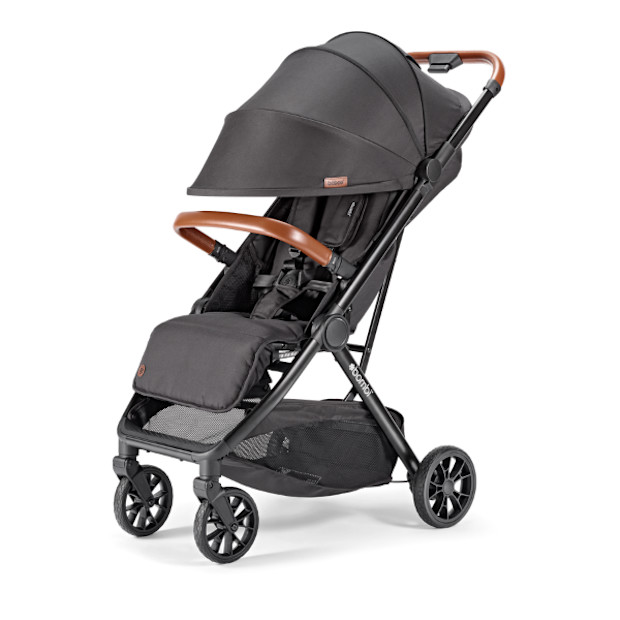
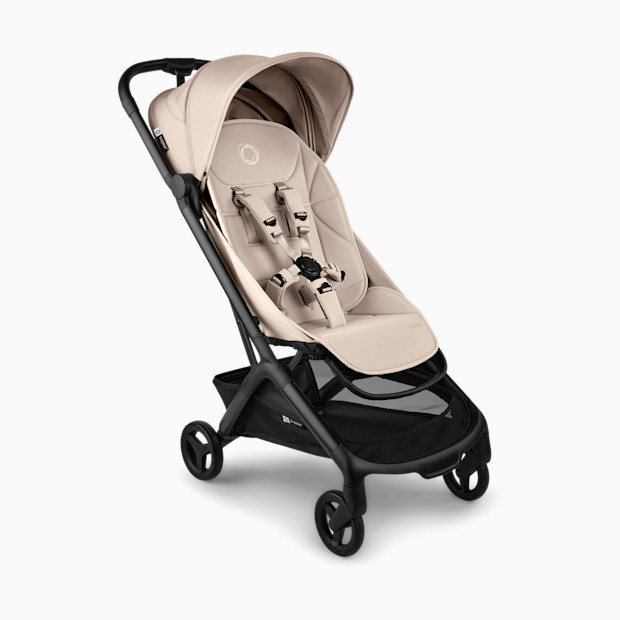
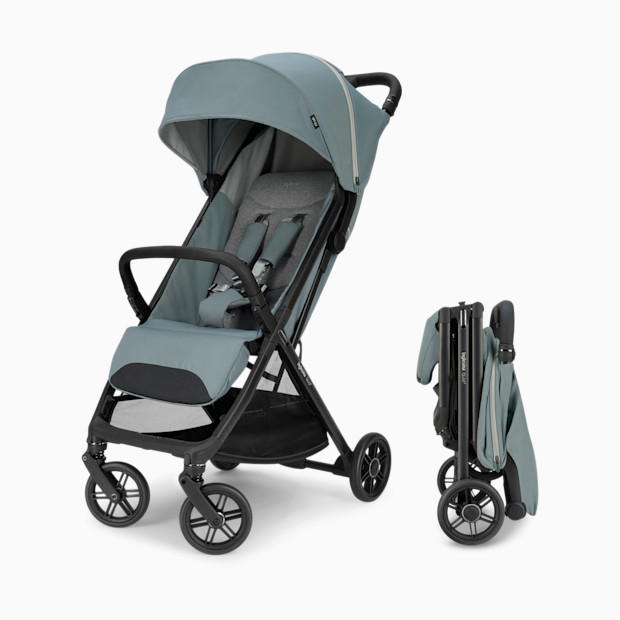
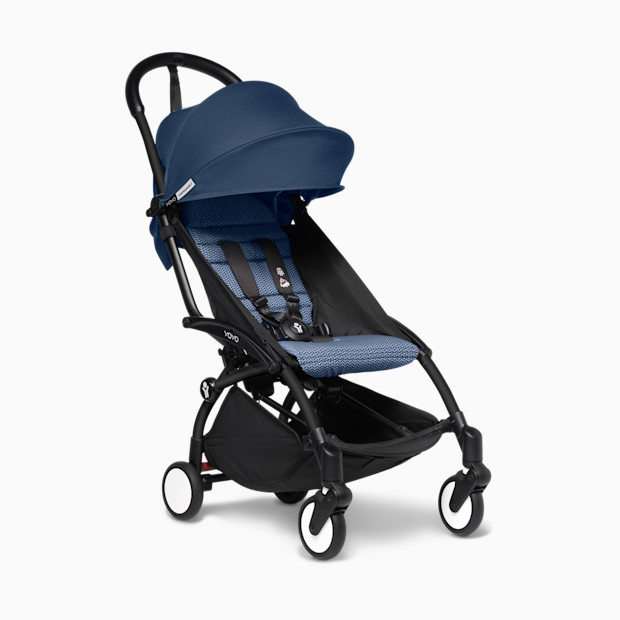
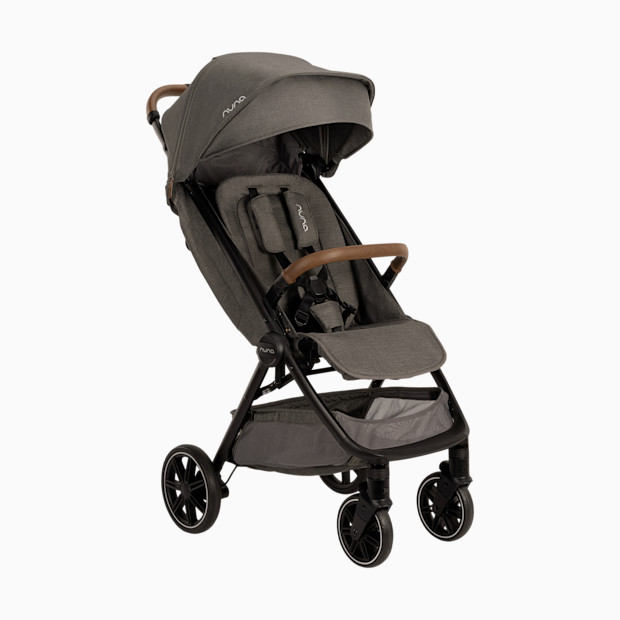
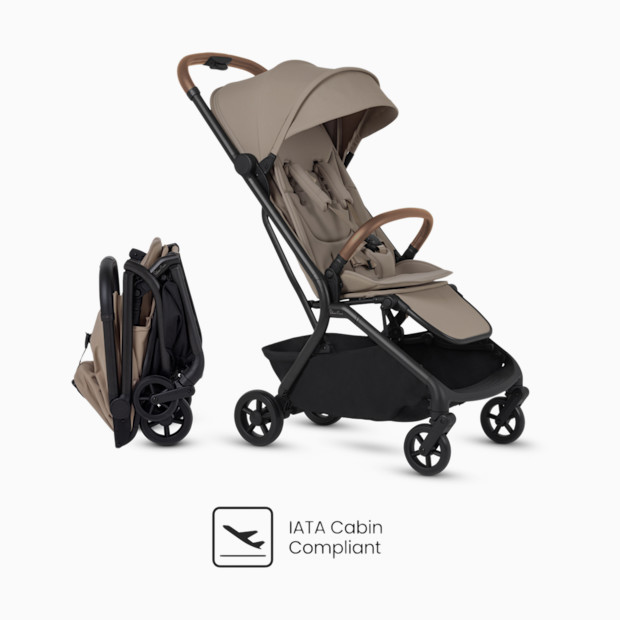

;)
;)
;)
;)
;)
;)
;)
;)