
The Best Baby Formulas—Depending on What You Need
The most trusted and parent-loved baby formulas of 2026—organized by type to help you find what works best for your family.

By
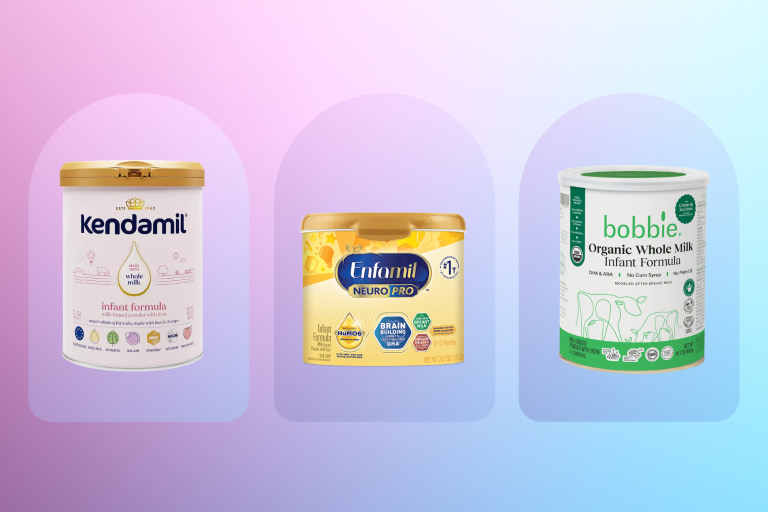
Whether you’re planning to formula feed from day one or find yourself needing to supplement or switch later, figuring out which formula to use can feel like a big decision, and sometimes, a rushed one. Maybe you’re prepping ahead of time, navigating a sensitive stomach or dealing with a low milk supply. Wherever you are in the process, you’re not alone—and we’re here to help.
We know choosing a formula can feel overwhelming. Between ingredient lists, marketing claims, price differences, and recent recalls or shortages, it’s easy to second-guess what’s safe or “best.” The reassuring news: all infant formulas sold in the U.S. meet strict nutritional and safety standards. And despite how different they might seem, most formulas are much more similar than you’d think once you look past the labels.
That said, there are meaningful differences between formula types—and that’s what this guide focuses on. Whether it’s cow’s milk, soy, goat’s milk or hypoallergenic, each formula type is made with different protein sources, ingredients, and purposes in mind. Knowing which category fits your needs (and your baby’s) makes it a lot easier to narrow things down—especially if you’re switching because of a reaction, sensitivity or availability issue.
So instead of narrowing down one single formula brand for each category, we are offering several that fit the criteria for quality baby formula that we and other parents trust. If you're looking for the best cow's milk-based formula, the best organic formula, or the best formula for a gassy baby, we have a number of options in each of those categories, so you can find the right one for your baby.
How We Judged Baby Formula
Best Cow’s-Milk Based Baby Formula
Cow’s milk-based formulas are often the first stop for parents and caregivers. These formulas use proteins derived from cow’s milk—some are left whole, while others are partially broken down to make digestion a little easier on baby. They’re designed to be complete nutrition for most babies from day one.
Here are some of the best picks for cow's milk based formula:

Similac has been around for nearly 100 years, and this formula is still a go-to for many parents. It’s made with cow’s milk proteins and includes nutrients like DHA (an omega-3 fatty acid), Vitamin E and lutein, which support baby’s brain and eye development. While DHA isn’t required in US formulas, many healthcare providers recommend choosing one that includes it, and Similac does.
It’s also one of the more affordable name-brand options out there, which can be a big factor for families who go through a lot of formula in the first year. Parents often say it mixes well, is easy to find on store shelves and seems to work well for babies who don’t have specific dietary sensitivities. If you’re looking for a straightforward, accessible option that checks the nutritional boxes, this is a solid starting point for most babies.

Enfamil is another longstanding brand that many pediatricians recommend, and their standard cow’s milk formula has a similar nutrient profile to breast milk. It includes DHA and choline—two nutrients linked to brain development—and is designed to support growth in the first year.
This formula doesn’t have any standout specialty ingredients, but that’s actually part of the appeal. It’s a no-fuss option that works well for a lot of babies, and many parents say it was the first formula introduced to them at the hospital. It’s widely available and often considered one of the more “standard” picks, especially for families who want to start with something familiar and time-tested.

Kendamil stands out among cow’s milk-based formulas because it’s made with whole milk rather than skim, which gives it a naturally creamy texture. Whole milk also contains milk fat globule membrane (MFGM)—a component found in breast milk that’s linked to positive brain development. Some parents say it seems to sit better with babies who have gassiness or mild digestion issues, without needing to switch to a hypoallergenic or sensitive formula. It also skips ingredients like palm oil and soy, which is a plus for families looking to avoid those.
One thing to note: although Kendamil is made in the UK and imported and approved for sale in the US, many parents say they’ve had a fairly easy time finding it in stock. It’s available at places like Target, Amazon and most grocery stores.
Best Store Brand Baby Formulas
If you’ve ever wondered whether the store brand formula from Target is the same as the one at Kroger, the short answer is: basically, yes.
Most store brand formulas in the US (from Walmart’s Parent’s Choice to Costco’s Kirkland to Target’s Up & Up) are made by the same manufacturer: Perrigo. They produce multiple types of formula (like cow’s milk-based, soy and hypoallergenic), and those are often modeled after well-known name brands like Enfamil.
So while the label might look different depending on where you shop, the actual formula inside is often very similar—or even identical in nutrition and composition.
Store brands can be a more affordable choice for many families, with the added convenience of being able to pick them up during your regular grocery run. If budget, availability or flexibility are part of your feeding journey, these options are worth a look.

Kirkland Signature
ProCare with Dual HMO's, Non-GMO Infant Formula 42 oz, 2-...
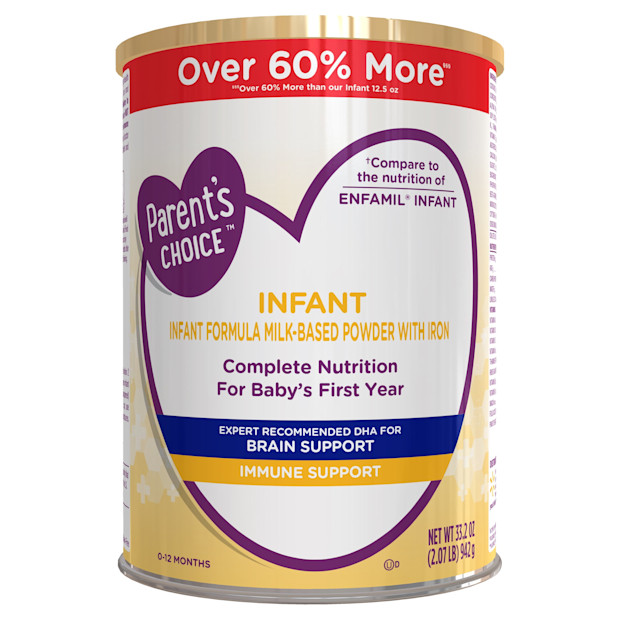
Parent's Choice
Infant Formula Milk-Based Powder with Iron, 33.2 oz HSA/F...

up & up
Premium Powder Infant Formula - 22.2oz
Best Organic Baby Formulas
If choosing organic is a priority for your family, there are a growing number of formula options that skip synthetic pesticides, fertilizers and certain additives. These formulas still meet all the same nutritional standards as non-organic ones, but the ingredients are grown and processed with stricter sourcing guidelines.
Some parents go organic for peace of mind, others for the clean-label ingredients—and for many, it's just what feels best. Whatever your reason, these organic picks offer safe, regulated nutrition and a few added perks depending on the brand (think: grass-fed dairy, no palm oil, European-style blends and more).
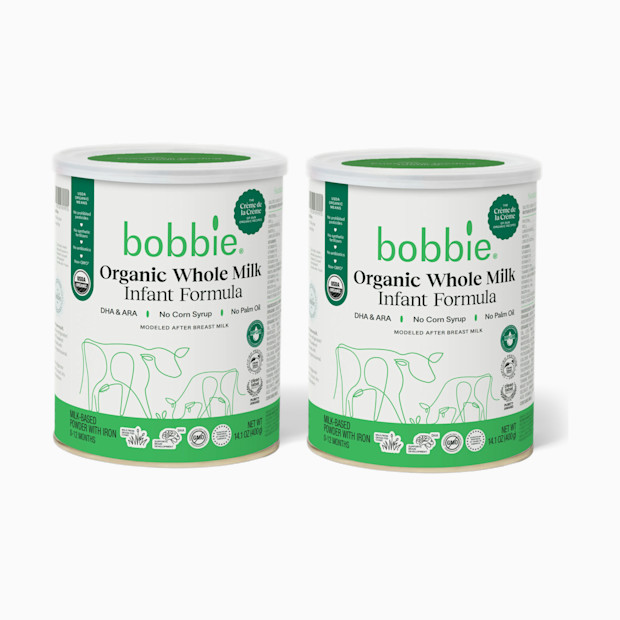
Bobbie is a relatively newer formula brand and earned its spot on our list as the best organic option because of its high-quality ingredients and the fact that it meets both USDA and EU formula standards (which tend to be stricter than in the US). It’s the only formula made in the US that meets EU requirements for DHA, a nutrient that plays a key role in brain and eye development. Lactose is the sole carbohydrate (not corn syrup) and contains a whey-to-casein ratio designed to be gentle on your baby’s stomach. Bobbie is also gluten-free, has non-GMO ingredients and milk derived from organic, grass-fed cows. The brand also makes an organic whole milk and an organic gentle option.
Bobbie’s formula is produced and packaged in its own facility here in the US and also maintains a partnership with Perrigo, a veteran formula manufacturer, to ensure consistent availability. They’re also one of the first formula companies to begin proactively testing for Clostridium botulinum, a bacteria which you may have heard about after the 2025 recall in which Byheart the formula was linked to botulism.

Kendamil has become a go-to for many families looking for a clean, organic formula with high-quality ingredients—and it's easy to see why. It's made in the UK and meets the European Union’s stricter standards for organic baby formula, which include tight rules around what can (and can’t) go into your baby's bottle.
As economist, author and founder of ParentData Emily Oster explains, “Whether we are talking about brands, or about organic versus not, [it’s] in the sourcing of the ingredients.” In Kendamil’s case, that means milk from grass-fed cows raised on farms with strong animal welfare policies. The formula uses whole milk fats (closer to what's in breast milk) and a balanced whey-to-casein ratio, which can help make digestion a little easier and support softer stools.
It also includes several extras parents appreciate like, DHA and ARA, HMOs (human milk oligosaccharides), MFGM and prebiotics that help support your baby's immune system.
Best Gentle Baby Formulas
Gentle formulas are often a helpful next step for babies dealing with gassiness, fussiness or mild digestion issues. These formulas typically use partially hydrolyzed proteins (aka proteins that are broken down a bit for easier digestion) and sometimes include reduced lactose to help ease discomfort. They’re not quite hypoallergenic, but can offer some relief without needing to go to a fully specialized formula.

A fussy or gassy baby can make feeding feel like a challenge. Enfamil Gentlease is designed to be easier on sensitive tummies with partially broken-down proteins and a blend of five HMO prebiotics—nutrients modeled after those in breast milk that help support digestive and immune health. It’s part of Enfamil’s NeuroPro line, which includes added DHA and MFGM (a milk fat component that supports brain development).
Parents say it can help reduce fussiness, gas and colic-like symptoms, especially during early feeding transitions. It’s a widely available option if you’re looking for something gentler than standard formula but not as specialized as hypoallergenic blends.

Similac’s gentle option is made with partially hydrolyzed whey protein and reduced lactose, which may help ease common feeding issues like gas or mild spit-up. It also includes a blend of nutrients to support brain and eye development, including DHA and vitamin E.
Some parents turn to this one when their baby seems uncomfortable on standard formula but doesn’t need a full switch to hypoallergenic. It’s often easier to find than specialty formulas, which can be a win when you’re in the middle of trying something new.

This formula combines partially broken-down proteins with DHA and prebiotics, and it’s designed to be easy to digest from day one. Parents who’ve tried other options sometimes find this one works better for babies with sensitive stomachs, especially during the newborn months.
It’s also notable for being both a gentle formula and one that’s non-GMO, if that’s a factor in your feeding decisions. Like the others here, it’s not intended for babies with severe allergies—but can be a good middle ground for babies with mild discomfort.
You might recognize this formula under a different label—Dr. Brown’s recently took over the US marketing and distribution of Gerber’s Good Start formula. It’s still the same formula made by Gerber, just with a new name and updated packaging.
Best Hypoallergenic Baby Formulas
These formulas are made for babies with diagnosed cow’s milk protein allergy (CMPA) or complex feeding issues. They use either extensively hydrolyzed proteins (broken down into very small pieces) or amino acids (no dairy at all), which makes them much less likely to trigger allergic reactions. Options like Elecare and Neocate are often used under the guidance of a pediatrician.
Nutramigen is one of the most commonly recommended formulas for babies with CMPA. It’s made with extensively hydrolyzed proteins—meaning the milk proteins are broken down into very small pieces, which makes them less likely to trigger an allergic reaction. It’s also lactose-free, which may help ease symptoms like gas, reflux or colic caused by dairy sensitivity.
One thing that sets Nutramigen apart is the inclusion of LGG (Lactobacillus rhamnosus GG), a clinically studied probiotic that may help babies build long-term tolerance to cow’s milk. Some studies have shown that babies who consistently use Nutramigen with LGG may outgrow their allergy sooner, though every baby’s timeline is different.
Parents often turn to this formula when other options just aren’t working, and many say it’s helped manage everything from persistent eczema to gastrointestinal distress. Like most hypoallergenic formulas, it has a distinct smell and taste, but for families managing CMPA, the relief it brings can be worth it.
Similac Alimentum Hypoallergenic Infant Formula 19.8-oz Value Can
From $57.98Similac Alimentum is designed for babies with CMPA or severe protein sensitivity, and it’s often one of the first formulas pediatricians recommend when standard or gentle formulas just aren’t working. It uses extensively hydrolyzed milk proteins, meaning the proteins are broken down into very small pieces to help reduce the chance of an allergic reaction. It’s also lactose-free, which can be helpful for babies with additional sensitivities or persistent gas and discomfort.
Parents often turn to Alimentum after dealing with weeks of fussiness, spit-up or symptoms like eczema and diarrhea that may signal a deeper intolerance. While some parents note that the smell or taste takes a little for their baby to get used to, many say this formula brought noticeable relief when others didn’t.
It’s also widely available and doesn’t require a prescription, which makes it a more accessible option than amino acid-based formulas for families navigating this feeding challenge. If your baby has a suspected or confirmed allergy, your pediatrician may recommend trying Alimentum before moving on to something more specialized like EleCare or Neocate.
EleCare is an amino acid-based formula, meaning it’s completely dairy-free. It’s often recommended when extensively hydrolyzed formulas like Nutramigen or Alimentum still cause symptoms. Designed for babies with severe food allergies or GI issues, this is a go-to when other options aren’t tolerated.
Neocate Hypoallergenic Amino Acid-Based Baby Formula with DHA and ARA, 14.1 Oz
From $45.97Neocate is an amino acid-based formula, meaning it doesn’t contain any dairy proteins—not even broken-down ones. It’s often used for babies with severe CMPA, multiple food allergies or conditions like eosinophilic esophagitis (EoE). It includes added DHA and ARA for brain and eye development, and is non-GMO and nutritionally complete.
This is a go-to when other formulas haven’t worked, and it’s typically used under the guidance of a pediatrician or allergist. One thing to know: many families are able to get Neocate covered or reimbursed through insurance with a letter of medical necessity—so it’s worth asking your healthcare provider and checking with your plan.
Best Soy-Based Baby Formulas
Soy-based infant formulas are made without any dairy and can be a helpful option for babies who can't tolerate cow's milk-based formula—whether due to lactose intolerance, cow’s milk protein sensitivity or family dietary preferences (like avoiding animal products). Instead of dairy, these formulas use soy protein and are fortified with nutrients to support baby's growth and development.
It’s worth noting that soy formula isn't usually the first formula a pediatrician will recommend for feeding issues like gas or fussiness. But if your baby has a diagnosed sensitivity to cow’s milk—or you're following a plant-based diet—it may be the right fit for your family.
Enfamil Prosobee Plant-Based Soy Powder Infant Formula - 20.9 oz
From $38.99ProSobee is one of the most widely available soy formulas and is made with gentle soy protein to help ease fussiness and gas that can sometimes happen with cow’s milk-based formulas. It includes DHA for brain development and is lactose-free. Many parents say they switched to ProSobee under the guidance of their pediatrician after their baby showed signs of discomfort on traditional formula—and saw improvement. It's a reliable option for families looking for something plant-based that’s still easy to find in stores.
This formula is designed for babies who need a dairy-free option and includes plant-based soy protein along with added nutrients like DHA and choline to support brain and eye development. It’s also one of the only soy-based formulas that contains MFGM, a naturally occurring milk fat membrane that’s been shown to support brain development—rare in non-dairy formulas. Parents who’ve struggled to find a soy formula that still supports overall development often appreciate this option.
Best Goat’s-Milk Based Baby Formulas
Goat’s milk-based formulas can be a helpful option for babies who seem sensitive to cow’s milk but don’t have a diagnosed allergy. While not hypoallergenic, goat’s milk proteins have a different structure that some babies find easier to digest, which may help with issues like gas or fussiness.
The protein in goat’s milk is naturally smaller and softer-curding, making it somewhat similar to the partially broken-down proteins found in gentle formulas. Goat’s milk also contains naturally occurring prebiotics, and some formulas add additional nutrients like DHA, ARA and MFGM to support brain and immune development.
Barnes says it’s important to note: goat’s milk still contains lactose, so these formulas aren’t suitable for babies with lactose intolerance or confirmed cow’s milk protein allergy.
This goat milk-based formula is made for babies from birth and is often chosen by parents looking for an easier-to-digest alternative to cow’s milk formula. Goat’s milk is naturally rich in calcium, vitamin D, DHA and ARA—and it also contains prebiotics that can support digestion. Aussie Bubs skips common additives like palm oil, corn syrup and GMOs, which is a plus for families focused on a cleaner ingredient list.
Some parents say this formula helped reduce gas and fussiness, especially when their baby didn’t seem to do well on cow’s milk formulas. It also contains MFGM, a nutrient complex found in milk fat that’s linked to brain development.
Known for its high-quality whole milk base approach, Kendamil also offers a goat’s milk version that some parents turn to when cow’s milk formulas don’t seem to sit well. Like its cow’s milk counterpart, Kendamil Goat skips palm oil, soy and fish oil, and instead uses plant-based DHA and full cream goat milk as its base.
This formula contains A2 beta-casein (vs. the A1 in most cow’s milk), which some experts suggest may be gentler on digestion. Many families appreciate that it combines science-backed nutrition with a more “natural” ingredient list.
Kabrita is one of the more established goat’s milk options in the US, and it’s made with non-GMO goat milk sourced from Dutch farms. The formula includes added iron, DHA, ARA and prebiotics for well-rounded nutrition. While it’s not considered hypoallergenic, it may work well for babies with mild sensitivity to cow’s milk.
Parents often mention that Kabrita tastes and smells more pleasant than some other formulas, and many like that it’s made without palm oil or artificial additives. It’s also widely available both online and in stores, which can make switching a bit easier.
Why Trust Babylist?
Babylist is the expert in baby; we know baby gear inside and out. We talk with parents face-to-face in our showroom and on our user panels and hear from thousands annually via our Best Baby Products online survey. We know what items millions of expecting parents are adding to their baby registries.
Firsthand professional and personal experience. I combined my insight as Babylist’s assistant editor and a certified lactation counselor (CLC) to choose the formula recommendations on this list. Jen LaBracio, Babylist’s senior gear editor, is the original author of this guide and has a decade of experience in the world of baby products and is also a parent of two young boys, ages ten and two. I also leaned on her expert insights and initial research for this piece.
Expert POV. We consulted a whole team of experts for this guide, including Kelly Fradin, MD, a pediatrician, writer, and New York City-based public health advocate, and Kacie Barnes, a registered dietitian nutritionist (RDN) and founder of Mama Knows Nutrition. We also spoke to Emily Oster, author, economist and founder of ParentData to tackle commonly asked questions about choosing a formula.
Formula research and data. There’s a lot that goes into choosing the right formula (and much of it is pretty information-heavy). We researched formula and formula safety from the American Academy of Pediatrics (AAP), the Centers for Disease Control and Prevention and the U.S. Food and Drug Administration. We also analyzed which formula brands Babylist parents are adding to their registries the most. Studying this type of data helped us choose which formula to recommend to new and expecting parents.
Feedback and reviews. We analyzed results from Babylist’s Best Baby Products survey, which polled thousands of Babylist users and asked them to share the baby products they love the most and why. We also pored over tons of reviews.
Types of Baby Formula
There are a few different things to keep in mind when choosing a formula and two important factors are the form and type.
You might be wondering, “Do I really need to know the difference?, and the answer is: kind of, yeah. The type of formula you choose (cow’s milk, soy, hypoallergenic, etc.) can affect how your baby digests it, what’s in the ingredient list and even how easy it is to find. Knowing the basics can help you make a confident choice—or switch more smoothly if something’s not working.
There are also a few different types of formula—whether related to base or specific. While powdered form is most common, you can also find some available in liquid and ready-to-feed options.
Check out this interactive chart for more info about each type:
What’s Actually In Baby Formula?
No matter which brand or type you choose, every infant formula has to meet strict nutritional guidelines to support your baby’s growth and development. At the most basic level, every formula will include:
Carbohydrates
What you’ll see: Lactose, corn syrup solids, maltodextrin, glucose syrup
Why it’s there: Carbs are your baby’s main energy source. Lactose (the main carb in breast milk) is typically the first ingredient. Some formulas use alternative carbs for babies with sensitivities.
Protein
What you’ll see: Whey protein concentrate, nonfat milk, casein, milk protein isolate
Why it’s there: Protein helps your baby grow and build strong muscles and tissues. Most formulas use cow’s milk proteins that are modified to be easier for little tummies to digest.
Fats
What you’ll see: Palm oil, coconut oil, soy oil, sunflower oil, high oleic safflower oil
Why it’s there: Fats support brain development, help with vitamin absorption and provide energy for growth. The blend of oils is designed to mimic the fatty acids found in breast milk.
Vitamins
What you’ll see: Vitamins A, C, D, E, K, and B vitamins like B6, B12, thiamin, riboflavin, niacin and folic acid
Why it’s there: Vitamins support everything from immune health to bone strength and brain development. Formula is fortified to make sure your baby gets what they need—even if breast milk isn’t part of the picture.
Minerals
What you’ll see: Calcium, iron, zinc, magnesium, phosphorus, sodium, potassium
Why it’s there: Minerals help build strong bones and teeth, support blood health and keep everything in your baby’s body functioning as it should.
Prebiotics & Probiotics
What you’ll see: Ingredients like Lactobacillus and Bifidobacterium
Why it’s there: These support digestive health by helping build a healthy gut microbiome, which can also give the immune system a boost. Not all formulas include them, but many gentle or premium blends do.
Extras
What you’ll see: DHA, ARA, lutein, choline, taurine
Why it’s there: These nutrients are found in breast milk and are often added to formula to support brain development, vision, and overall growth. Some brands include them; others keep things simpler.
How to Choose the Best Baby Formula
According to Kelly Fradin, MD, a pediatrician, writer and New York City-based public health advocate for evidence-based information, there are a few things to consider when choosing the best formula for your baby.
Accessibility. “I recommend families prioritize having an infant formula that’s accessible,” says Dr. Fradin. “If it’s hard to obtain from a local store or if you travel, that may cause unnecessary stress.” And don’t spend too much time stressing over a store brand formula versus a name brand, or whether or not the formula is organic. Store brand formulas, according to Dr. Fradin, are essentially the same as name brands, since all infant formulas marketed in the US must meet the nutrient specifications listed in FDA regulations. And while organic formulas may be less likely to contain traces of pesticides or growth hormones, the evidence for benefit from organic baby formula is slim. “Certainly I would prefer a baby being fed non-organic formula than a family being stressed and rationing a more costly organic formula.”
Cost and convenience. Choose a baby formula that fits most easily into your budget. Powdered formula is the least expensive type of baby formula and the most convenient to store. Concentrated formula is more expensive, but is a bit less messy to prepare than powder (but if you do use powder, a formula maker can help). And ready-to-feed is the most expensive and has the most waste, but it’s also the most convenient.
Use science, not marketing. Take marketing claims like “boosts brain development” or “helps soothe a fussy baby” with a grain of salt, says Dr. Fradin. “Many of these claims are based in scientifically valid theories,” she says. “However, at best, there is indirect evidence of benefit.”
Baby Formula Safety and Regulations
In the US, the FDA regulates both the production and sale of infant formulas. That’s because infant formula is food, so the same laws and regulations that govern food production and sales also govern infant formula. (There are even additional safety requirements on baby formula since it’s used for a very vulnerable population.) The FDA also has requirements around nutrients in infant formulas, with minimum amounts of 29 nutrients and maximum amounts of 9 of those nutrients. “In the US, approved formulas need to have a very specific set of macro and micronutrients. As a result, they are functionally extremely similar,” says Oster.
In March 2025, Consumer Reports conducted a test of 41 baby formulas sold in the US for levels of toxic heavy metals, including lead, BPA and arsenic. They did find heavy metals in some of the formulas tested, though it’s important to note that the levels of heavy metals were well below the US and EU’s safety limits. Shortly thereafter, the FDA announced a new commitment to ensuring safe and nutritious baby formula, including increasing their testing for heavy metals and other contaminants.
While these kinds of studies can feel scary, heavy metals can be found in many things in our environment, including some foods—the key is to limit exposure, and rest assured that current data shows that US infant formulas remain a safe choice.
As of November 2025, the FDA is investigating 83 cases of infant botulism that were reported; 37 of those cases have been linked to ByHeart formula in 17 states across the US. The FDA, along with the CDC, California Department of Public Health, Infant Botulism Treatment and Prevention Program are continuing to investigate, and we’ll share updates as they emerge.
This was the first time a case of infant botulism was linked to formula, and it raised some understandable concern among parents. Botulism isn’t something that’s typically tested for during routine formula safety checks—but that may soon change. The FDA is currently reviewing whether testing for Clostridium botulinum should become a standard requirement. In the meantime, a few brands (including Bobbie) have voluntarily added botulism testing to their safety protocols.
What to Know About European Baby Formula
During the formula shortage a couple of years ago, the FDA approved several European formulas and additional formulas made outside of the United States: Kendamil (UK), Bubs (Australia), Nestle (Gerber/Germany), and a version of Similac produced for Spain. These formulas meet US safety standards for production and labeling and are valid options to feed your baby.
“The biggest difference between these formulas versus the formula produced in the US is iron content; formula produced abroad contains about half of the iron content as its US counterparts,” explains Dr. Fradin, although she also notes that different preparations of iron may predispose to better absorption.“We know iron is a critical nutrient for brain and liver growth in babies, especially for babies born preterm or after pregnancies with certain complications like preeclampsia. If you’re using one of these formulas and are worried about anemia or iron deficiency, talk to your pediatrician,” she adds.
Frequently Asked Questions
What baby formula is most recommended by pediatricians?
There’s no one formula that pediatricians recommend across the board. Instead, talk with your pediatrician about which brand and type is best for your baby. The best choice will be the formula your doctor supports and that your baby accepts and that is accessible and affordable for your family. Barnes recommends choosing one with DHA (since not all US formulas include the brain-boosting ingredient).
Is organic formula better than conventional?
Since all formulas marketed in the US must meet the nutrient specifications set forth by the FDA, most pediatricians will note the evidence of any benefits from organic baby formula is fairly slim. “The best way to think about this may be the same way you think about it for yourself. You might prefer organic broccoli – for a bunch of reasons [including] sustainability, general preference, etc,” Oster says, “That same preference could be applied to formula. But just like with broccoli, the basic nutrient profile is the same.” Organic baby formulas are also often more costly than non-organic options, which can be an important deciding factor when choosing between the two.
What’s the difference between generic formulas and name brand formulas?
Both generic and name-brand formulas are held to the same FDA standards, so they’re equally safe and nutritious for your baby. The biggest difference is price—generic formulas are more affordable because they skip all of the marketing and packaging that name brands like Similac or Enfamil use. Oster notes, “I’m sure you would find a correlation between the price of the formula and various outcomes for children, but this would be just a correlation, not a causal effect.”
Name-brand formulas also typically have more specialized options for things like colic or spit-up, while generic formulas focus on the essentials. Since they have similar ingredients and nutrition, generic formulas are a great budget-friendly option for most families. If your baby has specific dietary needs, though, it’s always a good idea to check with your pediatrician before making a switch.
What water is best for baby formula?
In most cases, tap water is usually fine for mixing baby formula—but always check with your pediatrician first about your town or city’s water just to be sure.
“In most parts of the US, tap water works great to mix formula,” Fradin says. Some water labeled “baby water” doesn’t contain fluoride, and may actually do more harm than good.
What formula is best for breastfed babies?
If you’re breastfeeding your baby and looking to supplement with formula, or trying to make the switch altogether, you’ll probably notice lots of formula marketed toward breastfed babies with claims like “closest formula to breast milk.” According to Dr. Fradin, you don’t specifically need a formula that says it’s for breastfed babies.
“Formulas marketed for supplementation purposes are essentially no different than other infant formulas,” she says. “This is because the nutrient requirements for all formulas are the same, so supplemental formula doesn’t have special ratios or different nutrients. Because of this and because ‘supplemental’ formulas are typically less accessible, I’d recommend you choose the formula you use based on other qualifications.”
What should I do if I can’t find my baby’s formula?
If you can’t find your favorite formula, it’s safe to switch formulas unless your child requires a special type of formula (in that case, check with your pediatrician first). In general, try to stick with a formula that is similar to the one that you’ve been using. This can look like choosing another one with a similar base—like cow’s milk—or formulation, like gentle or hypoallergenic.
The FDA and the AAP do not recommend making infant formula at home, as this can lead to serious health problems for your baby.
Can I switch baby formulas?
Most babies will do fine with different formulas if they are the same type, says the AAP. If you’re noticing that your baby is having trouble tolerating a new formula or simply doesn’t like the taste, they recommend easing into the switch. You can do it quickly if necessary, but if there’s nothing like a recall or allergy, try gradually introducing small amounts of the new formula by mixing it with their usual formula.
What’s the deal with corn syrup in formula?
Some formulas use corn syrup solids as a carbohydrate source—usually when the formula is dairy-free, lactose-reduced or made for sensitive tummies. It’s not the same as high-fructose corn syrup (which isn’t used in infant formula), but we get why the name raises eyebrows.
Corn syrup solids are used to provide energy—similar to how lactose (the main carb in breast milk) works in standard formulas. You’ll often see it in formulas made without lactose or designed for babies with digestion issues.
If you're trying to avoid it, there are plenty of formulas that use lactose as the primary carb instead. But if your baby tolerates a formula with corn syrup solids and it’s working well for them, that’s valid too.
Is baby formula covered by insurance, SNAP or WIC?
Sometimes—depending on your situation. Here’s how it typically breaks down:
WIC (Women, Infants, and Children):
Yes, most standard formulas are covered through WIC if you qualify. The brand and type will vary depending on your state’s WIC program, and you may need a note from your healthcare provider if your baby requires a specialty or hypoallergenic formula.
SNAP (formerly known as food stamps):
Yes. You can buy baby formula with SNAP benefits just like any other eligible grocery item—this includes powder, ready-to-feed and liquid concentrates.
Insurance:
Maybe. Insurance typically only covers formula when it’s considered medically necessary—like amino acid-based or specialty hypoallergenic formulas (think: EleCare or Neocate). In most cases, you’ll need:
A prescription or letter of medical necessity from your baby’s doctor
To go through prior authorization (aka paperwork)
To check whether your plan includes this type of coverage
When do babies stop drinking formula?
A healthy baby should drink formula until they are one year old, according to the Cleveland Clinic. Toddler formulas are not necessary and don’t meet the nutritional needs of young children, per the CDC. You should never give toddler formula to infants under 12 months of age.
Expert Sources
Babylist content uses high-quality subject matter experts to provide accurate and reliable information to our users. Sources for this story include:
Kacie Barnes, registered dietitian and founder of Mama Knows Nutrition.
Kelly Fradin, MD, a pediatrician, writer and New York City-based public health advocate.
Emily Oster, author, economist and founder of ParentData.

;)