
Sleep Routine Essentials Real Parents Rely On From Newborn to Toddlerhood
From newborn fog to toddler wake-ups, Babylist parents share the sleep routines they actually stuck with.

By
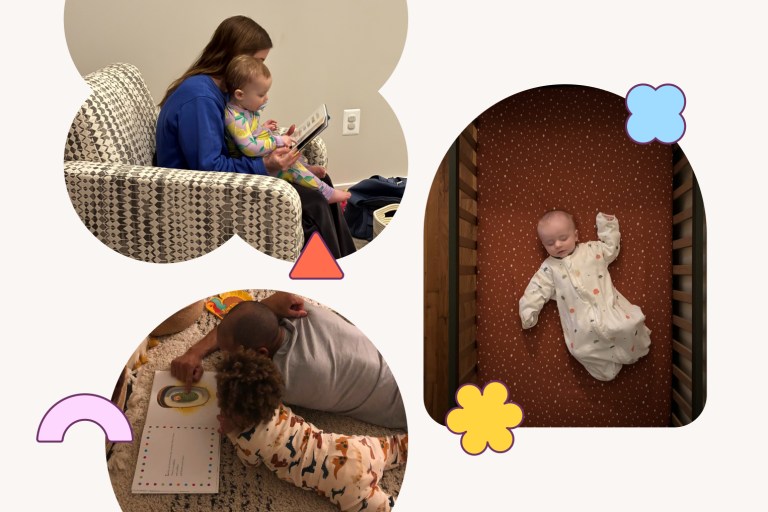
If there’s one thing most parents learn the hard way, it’s that good sleep rarely just “happens.” It’s built night by night through repetition, trial and error and a routine your child can understand. But when you’re in the thick of establishing that routine and everyone has an opinion, well, it’s hard to tell what’s worth your time and what’s just another thing to manage.
The good news is that bedtime doesn’t have to be complicated to be effective. In fact, most families find success with a handful of reliable cues repeated in the same order every night. (think: a bath, a sound, a light, a song, and a book). Over time, those cues do the heavy lifting, signaling to your baby or toddler that sleep is coming, whether they’re six weeks old or suddenly trying to climb out of their crib.
That’s where tools like Hatch Baby come in. Many parents use Hatch as the backbone of their routine because it combines calming sounds, gentle lighting and expert-backed guidance in one dream machine. Instead of reinventing bedtime every few months, Hatch helps families keep the structure the same while adjusting for age, sleep needs and even seasonal changes in daylight.
Below, we’ve asked real parents to share the routines and sleep essentials they’ve actually stuck with—from newborn days to toddlerhood—that made bedtime easier and more predictable.
The Classic Wind-Down That Actually Sticks
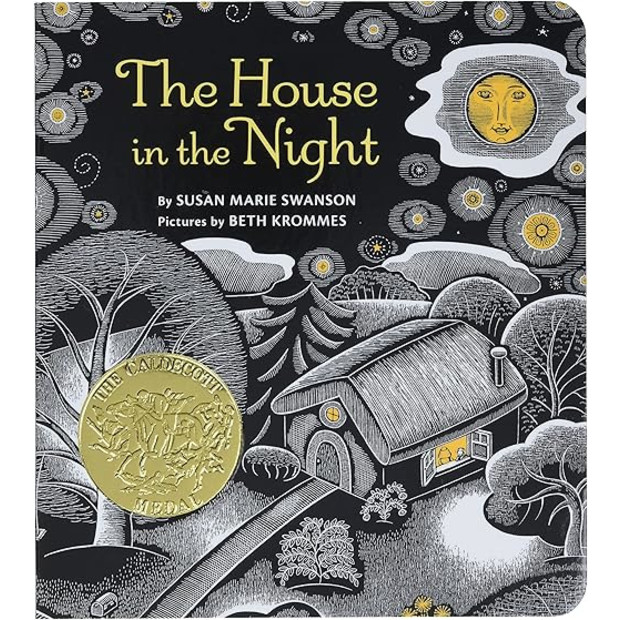
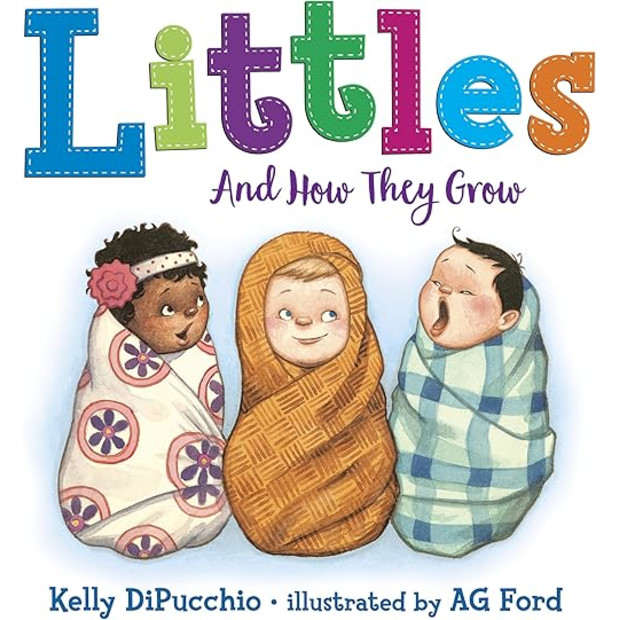
For Briana, bedtime is about slowing things down in the same order every night: a warm bath, lotion, cozy pajamas and a bedtime book (or two). “We started doing it pretty early on with our first, after some of that newborn fog dissipated and we found our new rhythm,” she says. “Six years in and it's still how we wind down at the end of the day.” When her children were younger, go-to reads included The House in the Night, Goodnight, Goodnight Construction Site and Littles: And How They Grow.

A Solution for When Toddlers Start Testing Boundaries
“When River started climbing out of her crib, this became our secret weapon,” Kendall says of the Hatch Rest Sound Machine. “The red light/green light feature turned bedtime and wake-up into a fun game, and it worked like a charm. Sleep for everyone = win!”
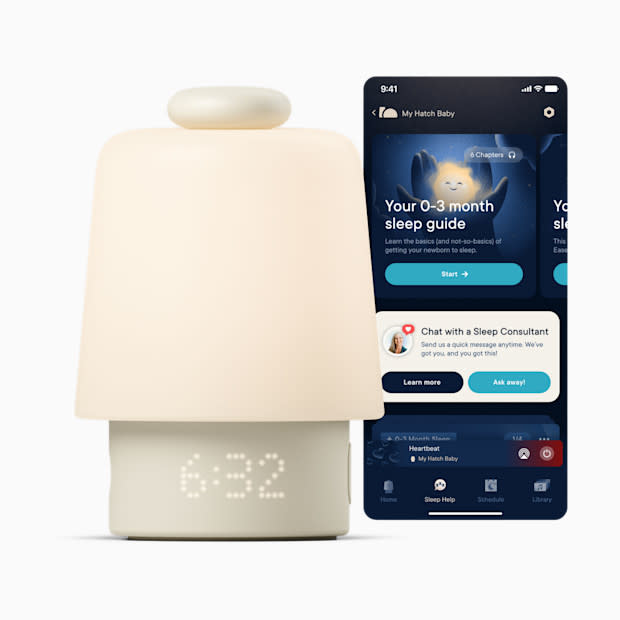
While Kendall relied on the Hatch Rest, the newer Hatch Baby Sound Machine builds on that same light-and-sound routine and adds more hands-on support for the early months. With improved audio, an easy Big Button (a large button that’s easy to press, even in the dark) and built-in sleep guidance—like predictive schedules and access to chat with sleep consultants—it’s designed to help new parents feel more confident building healthy sleep habits from night one.
Fix the Room, Fix the Sleep
“Our apartment air is so dry,” Corinne explains—and it was affecting her baby’s sleep more than she realized. To help her son with his congestion and dry skin, she decided to add the Frida Baby 3-in-1 Humidifier, Diffuser + Nightlight to his nursery. It became a bedtime essential, especially during the colder months. “It also has a diffuser and night light that we use and love, and is so easy to use and clean. It was a win all around,” she says.

The Power of “The B’s”
Caitlin swears by what she calls “the B’s”: bath, books, bottle, bed. After dinner, her daughter gets “the crazies out,” then the bath flips the switch and officially starts the bedtime clock. From there, it’s a predictable routine—books, a bottle, and into bed—that’s easy to stick to. Keeping the order the same every night helps her child know exactly what’s coming, which makes bedtime smoother for everyone.
Keeping Things Warm, Dark, and Boring (In a Good Way)
Kelsey’s family did bath time every night to signal bedtime, and then kept everything else intentionally low key.
Her routine includes a sleep sack, sound machine and feeding in a “darkish room,” plus a tap light for nighttime diaper changes so things didn’t get too stimulating.
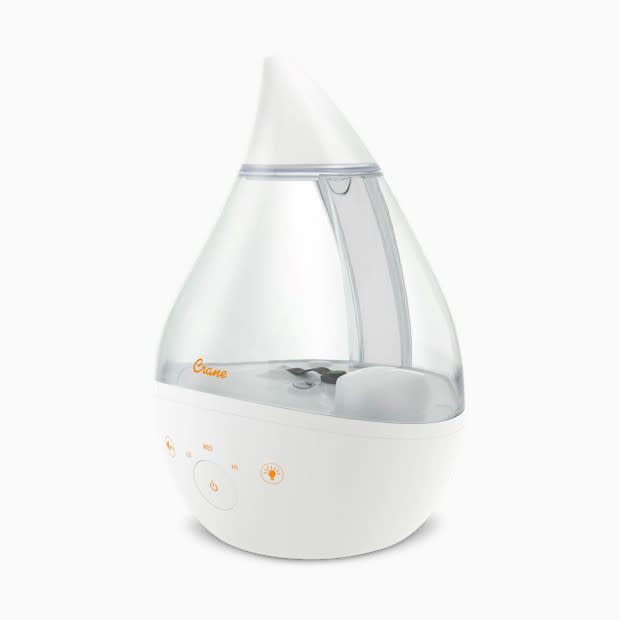
When winter brought new challenges, she added a humidifier to help with coughing and dry lips. “We also noticed that he likes to be a warm boy, so even in warm LA, we have one fleece layer, either PJs or a sleep sack,” she says. “I think when he was first born he was cold and we didn't realize and that kept him up. When we got him warm, he slept way better.”

;)
;)
;)
;)
;)
;)
;)
A Daytime Recap to Ease Into Bedtime
Gina’s secret weapon isn’t a product—it’s a recap. Every night, she retells the day in story form, and her three-year-old always asks for what he calls “daytime.” It’s the last thing they do before lights out, helping him wind down while remembering the good parts of the day. “I think it helps end on a note where he's reminded of all of the fun stuff we did and gets him excited for a new day tomorrow,” she says.
Every family’s routine looks a little different, but the one thing is clear: kids sleep better when bedtime is predictable. Repeating the same cues—light, sound, order of events—helps babies and toddlers know what’s coming next, even as they grow or seasons change.
If you’re looking to start a routine (or refresh one that isn’t working anymore), Hatch Baby supports that kind of consistency year-round by pairing customizable light and sound cues with steady routines, helping kids understand when it’s time to wind down or wake up, even as daylight shifts. And when it’s time to spring forward, Hatch’s Daylight Savings Assistant gradually adjusts schedules ahead of the clock change, making a notoriously rough transition feel manageable.
This article is sponsored by Hatch. Babylist’s free site, apps and emails are made possible by our sponsors. We limit our sponsored content to relevant partners that offer products and services we believe in and use ourselves.