
Baby on Your Chest: The Science (and Magic) of Skin-to-Skin
Kangaroo care, golden hour, skin-to-skin—whatever you call it, here's why it matters more than you might expect.

By

Immediately after birth, many babies spend their first moments earthside on a parent’s chest. While it might seem simple, “skin-to-skin”, sometimes referred to as kangaroo care, is actually a really intentional way of caring for babies following birth. It not only helps them adjust to life outside of the womb, but it also supports bonding and feeding.
To get a better understanding of the benefits (and how to get the most out of it), we talked to three experts: Emily Stieren, M.D., Ph.D., Assistant Professor of Clinical Pediatrics in the Division of Neonatology at UC Davis; Sarah-Ashley Law, a registered nurse and international board certified lactation consultant who specializes in NICU care; and Kristen Revere, a doula founder of Gold Coast Doulas.
What is skin-to-skin contact?
Doing skin-to-skin contact with a newborn or an infant is, in the simplest of terms, snuggling while letting your skin and your baby's skin have direct contact.
Experts recommend doing this immediately after birth, during the golden hour (that first hour after delivery). The lights are dimmed. The parents get a quiet, uninterrupted hour—at least—to recover, co-regulate from all of the birth excitement, and attempt baby’s first latch at the breast (if that's your plan).
Keeping the baby on the birthing parent’s chest is important in the earliest hours, because it triggers a cascade of hormones in both parent and baby that help regulate baby's temperature, breathing and signal to the parent’s body to get milk flowing.
That's not to say that it's not important for partners or other caregivers to do skin-to-skin, too. If the birthing parent can't put baby on their chest right away (usually because of a C-section), skin-to-skin contact with another parent is still just as important and offers much of the same benefits, aside from encouraging milk production.
When should you do skin-to-skin?
Within seconds of a vaginal birth, the baby is usually pulled up and put on the parent's chest—this is considered baby’s first skin-to-skin contact. If you have a planned C-section or an unexpected one, it's still possible to do skin-to-skin early on. But if you and your baby need to be separated for medical reasons, try not to worry—there’s no expiration date on the benefits of skin-to-skin.
“There is never a point in time when skin-to-skin is obsolete all of a sudden. Even older babies love spending that time close to you, connecting with the parent and all the benefits that go along with that,” Law says.
As a practicing doula, Revere recommends her clients continue skin-to-skin contact at least the first six to eight weeks of postpartum. While a lot of attention is placed on doing this with a newborn, it actually remains a special way to bond with and co-regulate well into baby’s first year and even into toddlerhood. Parents can practice skin-to-skin throughout the newborn period and beyond, whether during feeding, after baths or simply during quiet, cozy time together.
Skin-to-skin after a C-section
If you’re anticipating a C-section delivery or end up needing one, know that skin-to-skin is absolutely possible after a cesarean birth. Revere says that as long as the parent and baby are doing well, the baby is often placed on the chest right in the operating room. In some cases, baby may need to be briefly assessed first, and skin-to-skin happens shortly after or in the recovery room.
If you're planning a cesarean or think one might be possible, it's definitely worth including your skin-to-skin preferences in your birth plan—that way, your care team knows it's a priority.
Skin-to-skin in the NICU
Newborn babies spending time in the NICU especially benefit from lying on their parents’ bare chest. "For premature babies in the NICU, kangaroo care is more than bonding—it's a medical intervention," says Dr. Stieren. "The strongest evidence shows it can improve [baby’s condition], and studies also suggest lower rates of serious infection, better temperature stability, and better feeding and breastfeeding outcomes."
Law, who has extensive NICU experience, has seen the stabilizing effects firsthand: when a baby is placed skin-to-skin, heart rate, respiratory rate, blood sugar and blood oxygen levels all tend to improve. She also notes that cortisol (a stress hormone) drops significantly during kangaroo care, which means babies get more restorative rest, cry less and are even better able to absorb nutrients more efficiently.
If you're nervous about holding your baby while they're connected to monitors or medical equipment, that's completely understandable. Law's advice: let your team know you feel nervous. "They want you to have a good experience and are there to care for you and your baby!" Your nurse and other team members will make sure everything is secure first and will be close by if you need any support or have questions.
You'll typically sit in a recliner chair, and the baby will be placed on your chest, near your heart, wearing just their diaper. The nurses will make sure any cords and wires are situated. “In the NICU especially, it can take time to transfer and get comfortable, and the benefits really build when the hold is unhurried,” Dr. Steiren adds.
If you’re not able to do a full chest-to-chest cuddle, Dr. Steiren wants to reassure parents, “We still encourage modified forms of skin-to-skin or gentle touch, because those interactions still provide real benefits for both babies and parents.”
It can be as simple as resting a hand on your baby—and it still counts! Here's what the range of modified skin-to-skin actually looks like, from least to most involved:
The "Hand Hug"
This is the most basic form, and it's essentially reaching through the incubator porthole. You place both hands gently and firmly around your baby—one cupping the head, one on the back or bottom—without much movement. The key is sustained, still pressure (not rubbing), which mimics the feeling of the womb. Baby typically isn't repositioned during a hand hug; you're simply surrounding them right where they are.
Facilitated Tucking
A nurse or parent holds the baby in a flexed, tucked position (knees bent toward the chest, arms folded in) with steady hand pressure from both sides. It's often used during uncomfortable procedures—like a blood draw—because the tucked position itself helps regulate baby's stress response.
Hands-In Incubator Cuddles
For babies too fragile to be lifted out, the incubator lid is raised, and parents can place their hands on the baby, stroke gently (once baby's skin is strong enough), or simply be present with touch. Some NICUs will raise the lid just so parents can lean in to smell and kiss their baby.
The benefits of skin-to-skin
Skin-to-skin contact supports your baby’s transition to life outside the womb in several important ways.
For baby, it
Regulates baby’s temperature. A parent's chest naturally adjusts to warm or cool the baby, acting like a biological thermostat.
Stabilizes their heart rate and breathing. Close physical contact helps newborns maintain steady vital signs, especially in the early hours after birth.
Encourages breastfeeding. When newborns are placed on their parent's chest, they’ll instinctively root and latch, making early nursing more successful.
Reduces crying and stress. The familiar sounds and smells of a parent are a natural stress reliever for newborns (being born is a lot of work!). Skin-to-skin contact helps calm babies and lower their cortisol levels.
Gives babies’ immune system a boost. Exposure to the parent's skin microbiome helps seed (or set the stage for) baby's own immune system.
And for birthing parents, it:
Stimulates milk production. The hormone oxytocin, released during skin-to-skin, signals the body to produce and let down milk.
Strengthens bonding. The physical closeness between newborns and their parents triggers attachment hormones—this is true for both birthing and non-birthing parents.
Reduces postpartum anxiety and depression. The oxytocin released when you’re snuggling, smelling and touching your baby has a calming, mood-stabilizing effect for parents. Oxytocin also plays a key role in bonding between parent and baby, “which is really helpful when breastfeeding might feel challenging,” Law explains.
Builds parental confidence. For many parents, this will be the first time they've ever held a brand-new, tiny baby. The simple act of holding and responding to a newborn during skin-to-skin can help new parents feel more attuned and capable.
All of these reasons have proven especially beneficial for premature babies in the NICU who often have medical obstacles to overcome and a bit more development that needs to happen before they’re released to go home.
Skin-to-skin for non-birthing parents & caregivers
Whether you're the non-birthing parent or welcoming a baby through surrogacy or adoption, you can absolutely practice skin-to-skin, too—and the benefits are very similar.
Research shows that non-birthing parents also experience a release of oxytocin during skin-to-skin, supporting early bonding and connection. It's also a meaningful way for partners to feel actively involved in baby's care from day one and a great opportunity for the birthing parent to rest and recover.
How to do skin-to-skin
Skin-to-skin is simple, but a few basic tips can help make sure the experience is comfortable and safe for both you and your baby.
If you’re giving birth at a Baby-Friendly certified hospital, skin-to-skin is a routine part of the birthing process. It’s often done before any newborn exams, weighing and measuring baby or taking those sweet little hand and footprints.
If you’re not in a hospital that has this process baked into their procedures, Revere wants parents to know they can advocate for uninterrupted skin-to-skin immediately after birth. “There can be a lot of interruptions with papers to sign, food to order, sometimes newborn procedures are rushed before skin-to-skin,” Revere says. “The postnatal bonding time is precious and can’t be taken back. I often suggest my clients limit visitors during the first hour if at all possible, no matter where they deliver,” she adds. When she’s working with clients in a hospital that doesn’t prioritize the golden hour, she encourages parents to include it in their birth plan.
Here's how to do skin-to-skin safely and get the most out of those sweet newborn cuddles:
Get comfortable. Skin-to-skin works best when you’re sitting upright or slightly reclined in a safe place, such as a bed or couch. While it's totally fine and often expected that baby will doze off and take a nap, the parent should always be awake and alert while holding the baby.
Start with a bare chest. Place your baby, usually wearing only a diaper, directly against your bare chest so their skin is touching yours.
Pro tip: This is kind of a “nice-to-have” step, but keep a blanket nearby in case you need it. Some parents like to wear a robe that keeps them comfy and allows easy access to their check. Just keep in mind your body heat will also help regulate their temperature. If you’re feeling cold or overheated, they're likely feeling the same.
Position your baby upright and support their head and neck. Your baby’s chest should rest against your chest with their head gently turned to the side. Their nose and mouth should always be visible and clear so they can breathe easily. You’ll also want to make sure their head—and chin—isn’t tucked down toward their chest; this helps keep their tiny airway open.
How long should you do skin-to-skin?
In terms of time, as long as you and baby are comfortable, there isn’t a hard and fast rule for skin-to-skin duration. Just keep in mind: if at any point you start to feel sleepy, it’s best to place baby in a safe sleep space like a crib or bassinet.
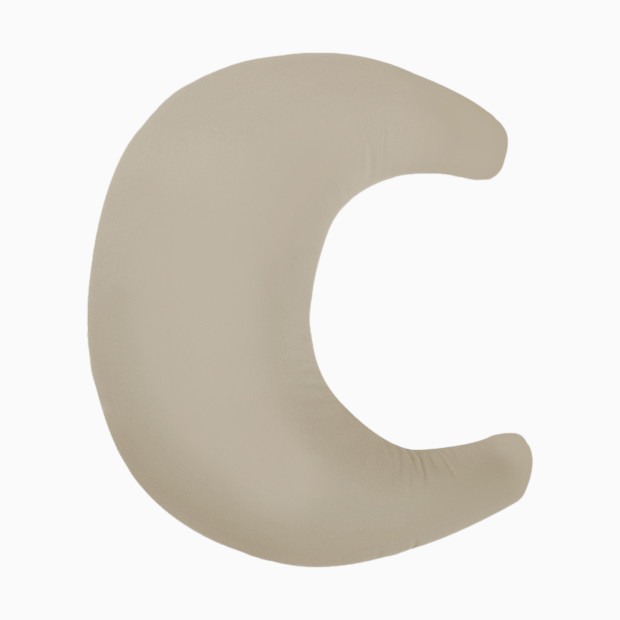
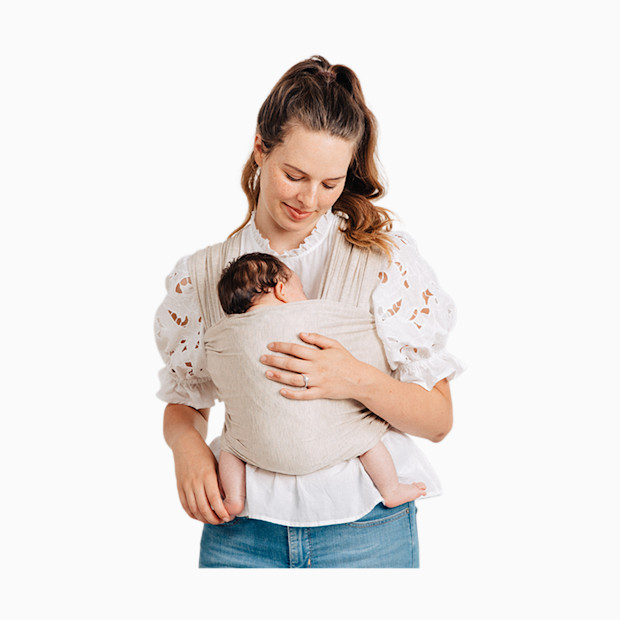
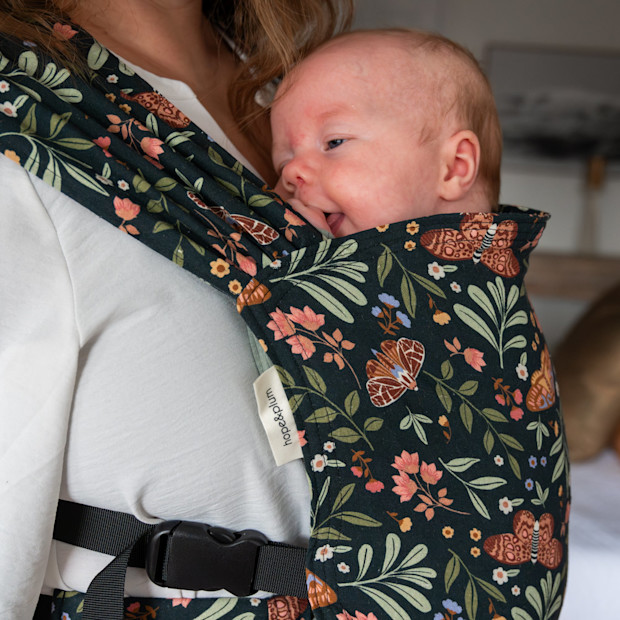
You don’t necessarily need anything to do skin-to-skin—just yourself and your baby. But a few things, like a cozy robe and a nursing pillow (or regular pillows from your bed or couch) to support your arms, can make it more comfortable for long sessions. And a good baby carrier is perfect for keeping baby close while letting you have some freedom of movement.

Expert Sources
Babylist uses high-quality subject matter experts to provide accurate and reliable information to our users. Sources for this story include:
Emily Stieren, M.D., Ph.D., Assistant Professor of Clinical Pediatrics, Division of Neonatology, UC Davis
Sarah-Ashley Law, an IBCLC, NICU RN and founder at Birdhouse Motherhood
Kristen Revere, founder of Gold Coast Doulas

;)
;)
;)
;)