
What Is a Convertible Car Seat? Everything Parents Should Know
Not sure what a convertible car seat is—or when you’ll need one? We're breaking it down.

By

As a CPST (Child Passenger Safety Technician, someone who’s specially trained in car seat safety and teaching families how to properly use their seats), I answer a lot of car seat questions from new and expecting parents. Convertible car seats tend to cause the most confusion—and it makes sense. They’re big, heavy and not as straightforward as infant seats. Parents often wonder how they’re different, when they’ll need one and whether they should start with a convertible over an infant seat.
So what does a convertible car seat actually do? And when does it come into play?
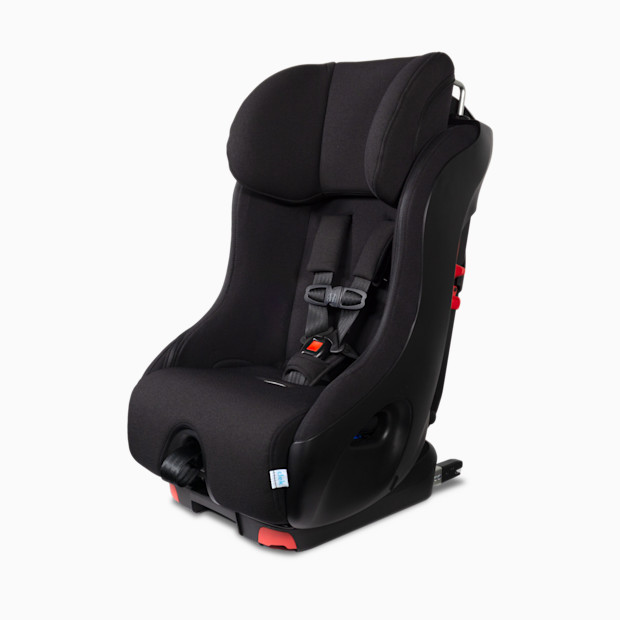
A convertible car seat is designed to stay in your car and grow with your child, first rear-facing, then forward-facing. Even if you begin with an infant seat, you’ll need a convertible eventually—sooner than you think!—so it’s worthwhile to learn how they work from the start.
Here’s what to know about when you’ll need one and how to decide if it’s the right seat to begin with.
What Is a Convertible Car Seat?
A convertible car seat is a seat designed for use by an infant or a young child. It’s different than an infant car seat, although both can be used by infants (more on that below); however, even if you start with an infant car seat, you’ll eventually need a convertible seat.
A convertible car seat has two modes: rear-facing and forward-facing. It can be used in either mode, but most families begin using a convertible seat rear-facing, then turn it forward-facing as their child grows.
Most convertible car seats are heavy, clocking in between 20 to 30 pounds. They’re also pretty bulky. That’s because unlike infant seats, which are designed for portability and for easy transfer between a car or a stroller, convertible car seats are meant to be installed in your vehicle and stay there.
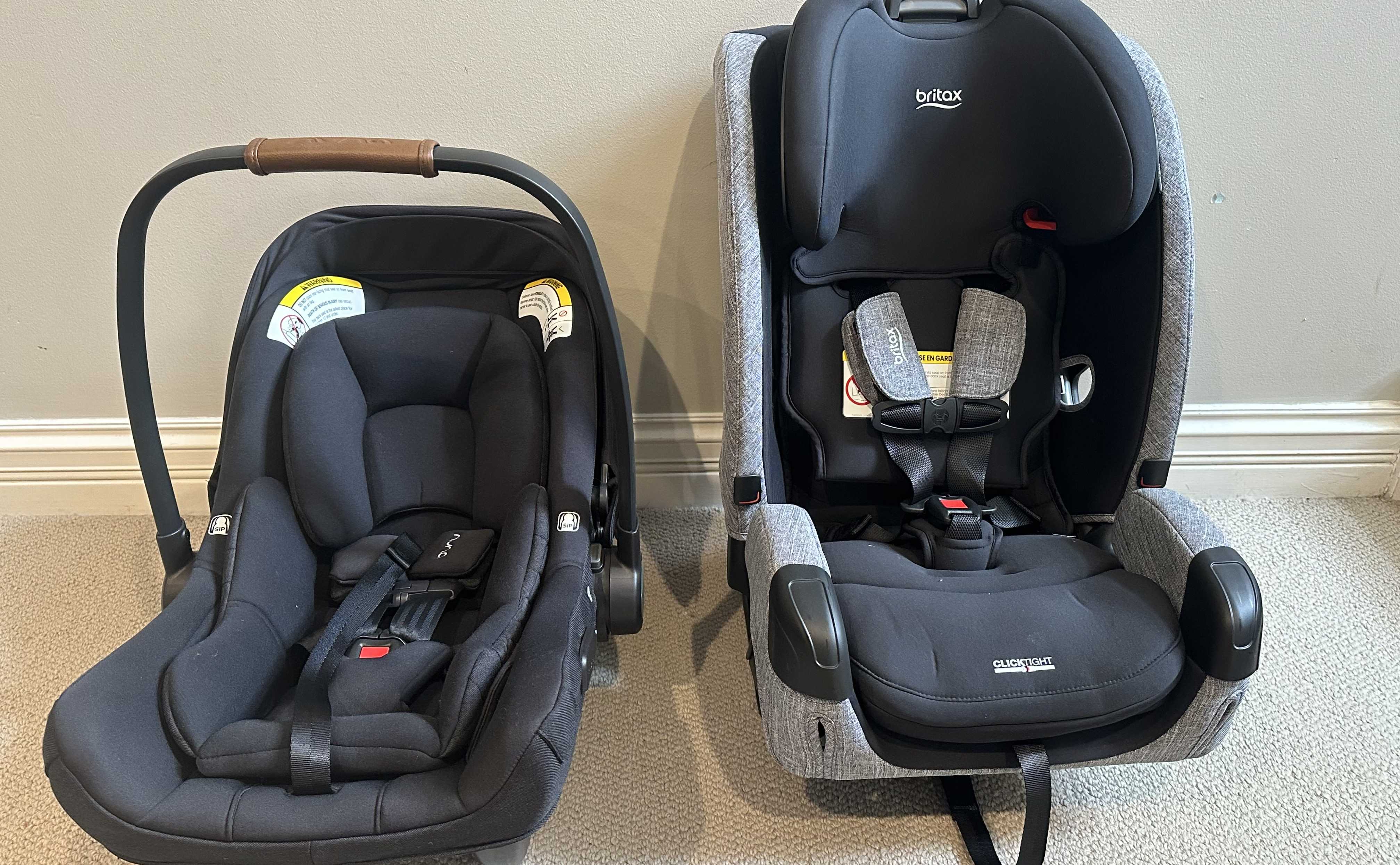
An infant car seat (Nuna Pipa aire rx) pictured next to a convertible car seat (Britax Poplar Slim). (Photo: Jen LaBracio, Babylist Senior Gear Editor)
When Can You Use a Convertible Car Seat?
You can use a convertible car seat from birth. Most have a minimum weight of four to five pounds and can be used rear-facing up to 40 to 50 pounds, then forward-facing up to around 65 pounds. That means one seat can last from the newborn stage through the preschool years.
Infant vs. convertible: Which should you start with?
You can start with either an infant car seat or a convertible—there’s no right choice. There are pros and cons for each, though.
If you do choose to start with an infant seat, know you’ll need to switch to a convertible as soon as your child outgrows it by either height or weight, whichever comes first. (Most infant seats have a height limit of about 30-32 inches and a weight limit of 30 pounds, which often lines up with a baby’s first birthday.) But know that many families decide to make the switch sooner. Once your baby gets a bit bigger, lugging around the weight of a baby + a car seat carrier is a lot on your back and arms, so many families move to a convertible before they max out their infant seat.
Convertible Car Seat Installation
There are two ways to install a convertible car seat: your vehicle’s seatbelt or the LATCH system.
LATCH (Lower Anchors and Tethers for Children) is a system designed to make car seat installation easier. It uses two lower anchors built into your vehicle’s seat and a top tether that connects to an anchor point behind the seat.
LATCH can simplify installation and help you get a secure fit. But it’s not automatically safer. LATCH has weight limits, and once your child reaches them, you’ll need to switch to installing the seat with your vehicle’s seat belt instead.
Choosing a Safe Convertible Car Seat
There are a few important features to consider when shopping for a convertible car seat.
Safety. All car seats sold in the U.S. meet the same federal safety standards. Be sure the seat you choose fits your child, fits your vehicle and can be installed correctly every time. Some seats offer added features like side-impact protection, anti-rebound bars or load legs.
Ease of installation. You can install most seats with either LATCH or the seatbelt. Make sure you understand the weight limits for LATCH and switch to a seatbelt install when required.
Fit. Not all car seats fit well in all vehicles, especially larger convertibles. If you can’t try a seat in person, you can reach out to a Child Passenger Safety Technician (CPST) via the CPST Directory. You can also contact a seat’s manufacturer (they know their seats best) or join a CPST-staffed online car seat safety group like CarSeat Safety or Car Seats for the Littles.
Rear-facing limits. Rear-facing is the safest way for kids to ride. Choose a seat with high rear-facing height and weight limits so you can keep your child rear-facing as long as possible.
Fabric. Look for durable, easy-to-clean materials—you’ll thank yourself later.
Should I Register for a Convertible Car Seat?
You don’t have to register for a convertible car seat—but for many families, it makes sense. Here’s why:
You’ll need it sooner than you think. Many parents are surprised by how quickly their baby outgrows their infant seat. I frequently hear from families who didn’t realize they’d be shopping for a convertible so soon. Adding one to your registry helps you avoid a rushed, last-minute decision.
It’s a big-ticket item. Convertible car seats are expensive, which makes them a great candidate for a group gift, a Babylist registry option that allows multiple friends and family to contribute any amount toward an item. And if it’s not purchased off your registry, you can always use your completion discount later.
You’re already doing the research. If you’re deep in car seat comparisons now, it can be helpful to choose your convertible while everything is fresh in your mind, rather than starting from scratch again in six months.
The Best Convertible Car Seats
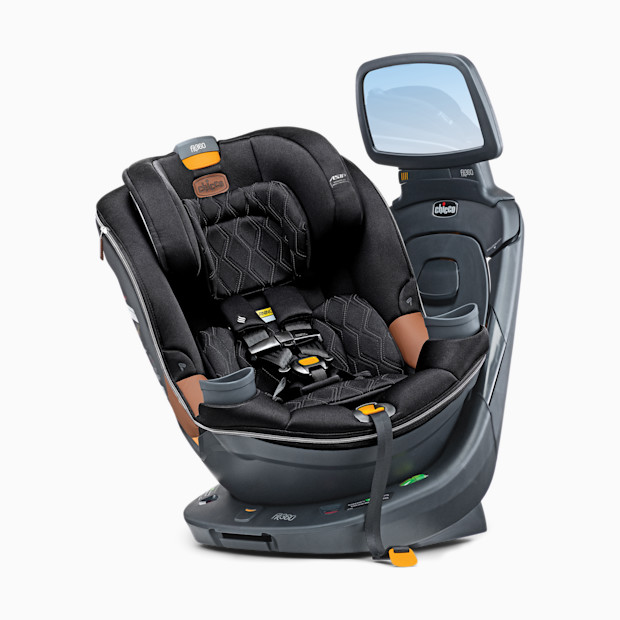
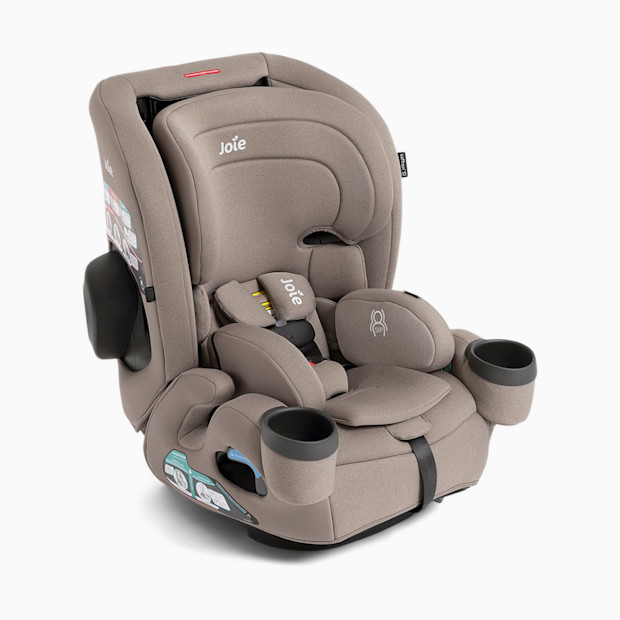
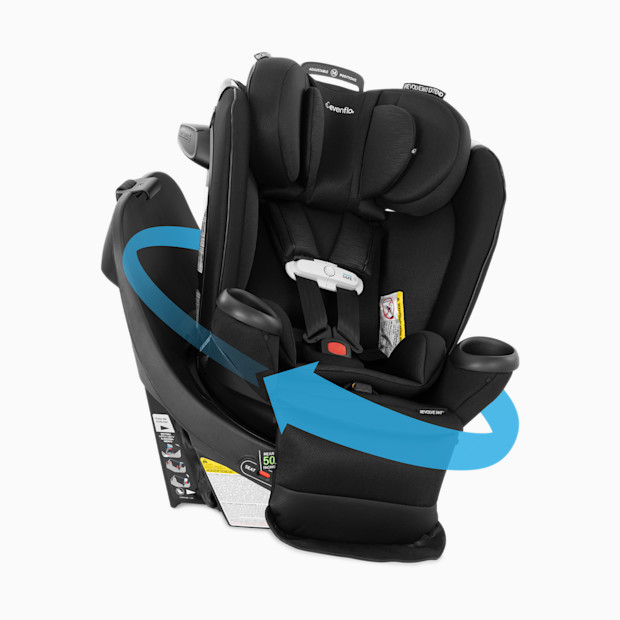
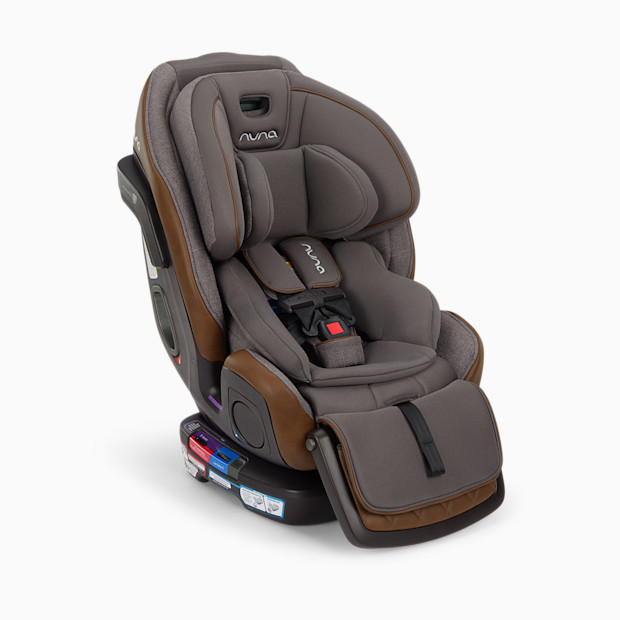
Here are some of our favorite convertible car seats that work well for most families and in a wide range of vehicles.
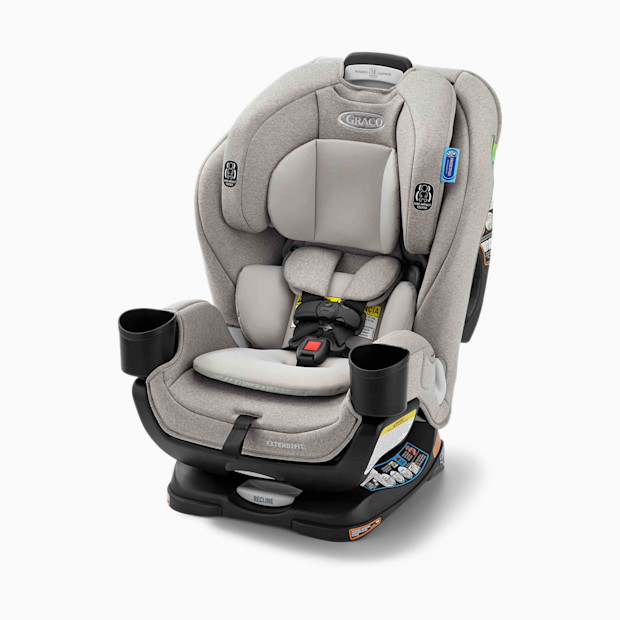
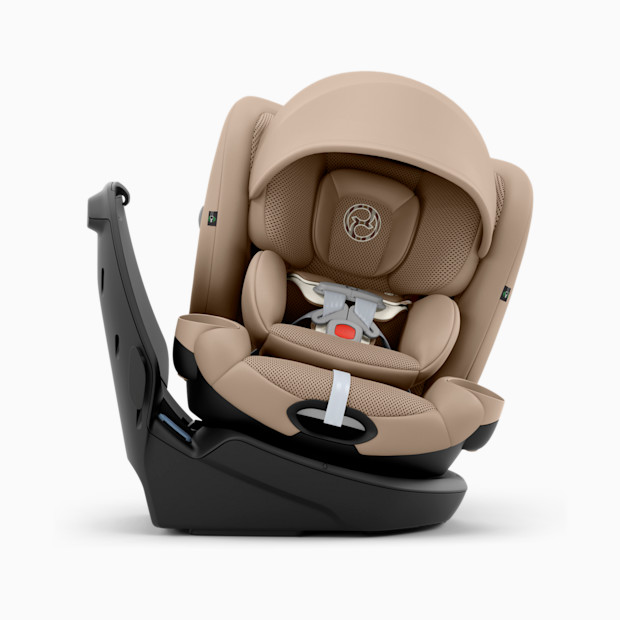
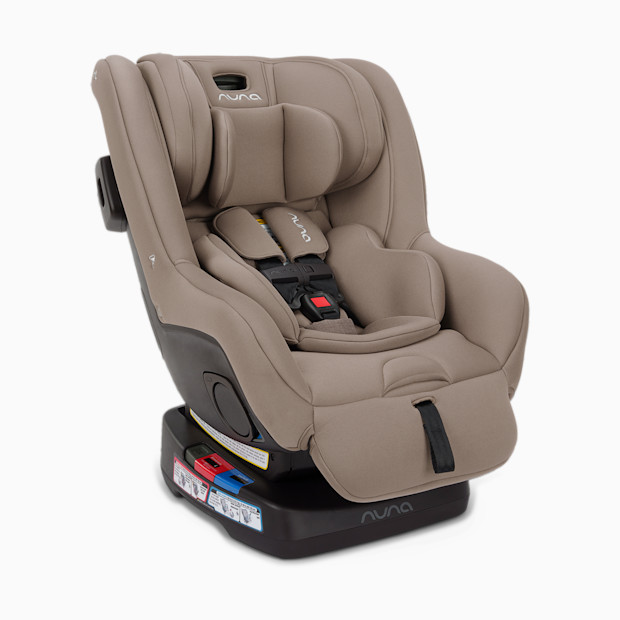

Frequently Asked Questions
How many convertible car seats do I need?
Because convertible car seats are large, heavy and designed to stay installed in your vehicle, many families choose to have one seat for each car their child regularly rides in.
It’s possible to share a seat between vehicles—but that means uninstalling and reinstalling it each time, which can be time-consuming. If you go this route, be sure you’re comfortable installing the seat correctly every time you move it.
Do convertible car seats work with strollers?
No. Unlike infant car seats, convertible seats aren’t designed to click into strollers. (There is one exception: the Orbit Baby G5 Toddler Car Seat.) There are some lightweight travel car seats on the market, but once your child outgrows their infant seat, you’ll lose the convenience of moving the seat directly from car to stroller.
Can I travel with a convertible car seat?
Yes, you can travel with a convertible car seat. (It’s not as easy as traveling with an infant seat, but it’s doable!) Convertible seats are larger and heavier, so if you travel often, consider a lightweight, travel-friendly seatl that’s easier to carry and install.
Do convertible car seats expire?
Most convertible car seats last six to 10 years, depending on the model and manufacturer. Always check your seat’s expiration date and inspect it regularly for wear and tear. And be sure to follow the height and weight limits for each mode to keep your child riding as safely as possible.
When should you transition to a booster seat?
Children are ready for a booster once they’ve reached the maximum height or weight limit of their forward-facing car seat and are mature enough to sit properly the entire ride (no leaning, slouching or unbuckling). For many kids, that’s at least age five, with most transitioning somewhere between five and seven years old.

;)
;)
;)
;)
;)
;)
;)
;)
","url":"https://www.babylist.com/gp/clek-foonf-convertible-car-seat/14346/2028181","source":"hello_baby"});)