
Your 17-Week-Old Baby
How to know when baby’s ready for sleep training (and when to ask for help).

By

Right around when baby reaches four months old, many parents and caregivers may start thinking about sleep training. It’s a big milestone—but it’s not something every family needs or chooses to do, and that’s totally okay. Sleep training can be helpful for some babies and parents, but it’s not a requirement for healthy sleep. If you decide to try it, you should feel confident and comfortable doing so, especially since it can be a controversial topic.
Whether you’re researching different sleep training techniques or simply curious about what “ready” looks like, this stage marks a time of new rhythms and independence for baby.
To help you through this milestone, we turned to Amanda DeLuca, Pediatric Sleep Consultant and founder of the parenting app Riley, Dr. Chris Klunk, a board-certified neonatologist with Pediatrix Medical Group and Dr. Gabriella Dauer, pediatrician and author of Beyond the Basics: A Pediatrician’s Newborn Guide for their expert guidance on how to recognize when baby is ready to sleep train, when daytime naps will also shift and when a sleep consultant can help with the transition.
🚼 Baby’s Development
Sleep Training Readiness
You may either be deep in that first sleep regression or it’s just around the corner—and turns out, it might actually be a great time to consider sleep training, according to experts. Sleep training—which usually means the use of established techniques to help your baby learn to fall asleep and stay asleep on their own—can be a useful tool for some families, though it’s not something everyone needs or chooses to do. “With the caveat that every baby develops slightly differently, I generally recommend that parents who are considering sleep training think about getting started around the four-month regression,” DeLuca says. “If your baby is healthy, gaining weight, feeding well and you have some routines established, 17 weeks can be a great time to begin sleep training.”
Beyond generally thriving, there are some pretty distinct developmental and physical signs that point to readiness, too. At this stage, DeLuca says, many babies can self-soothe in their crib, they’re reducing their nighttime wakings and feedings and can stay awake for slightly longer periods during the day—all of which are developmentally appropriate signals that baby may be ready for sleep training.
But keep in mind that “progress rarely follows a perfectly linear path,” DeLuca says, and short-term setbacks due to illness or schedule disruptions are completely normal. Those types of setbacks are good reasons why you might delay sleep training, she says, at least until your baby’s health and schedule are back on track. “Bottom line: Look at your child, not the calendar.”
In that same vein, sleep regressions may seem like the type of setback that can disrupt sleep training, but DeLuca says it might actually help. “I’d argue that the four-month sleep regression is a great time to start sleep training if you and your baby are ready for it.” Make sure bedtime routines are established—and enjoyable, so you don’t risk switching things up on the fly or neglecting routine—but DeLuca recommends leaving the more strict sleep training methods until the regression is over.
There are several popular sleep training methods to choose from, and some families may even mix and match techniques if that suits their needs. Whether you choose to go with the Ferber method, cry it out (CIO), Pick Up-Put Down or any other method, there are three main things that pediatricians and sleep experts want you to keep in mind:
“[You’re] not pursuing immediate perfect nights,” DeLuca says. Based on her experience as a pediatric sleep consultant, she says many families see progress with sleep training anywhere from three to five nights to two to three weeks.
“Make daytime playtime,” Dr. Klunk says. “Keep things exciting and stimulating during the day so they are up for longer stretches at a time.” The reasoning: if baby sleeps less during the day, that often leads to more nighttime sleep—just make sure baby’s daytime wake windows are age-appropriate and don’t lead to overtiredness, since that can set you back on your progress. “As bedtime approaches, things need to shift towards calm, quiet and lower lighting until, very importantly, they are drowsy but not yet asleep.
Keep baby’s developmental stage and needs in mind. If you’re trying one of the “extinction” methods (Ferber or CIO), remember that “many children are still hungry and need calories to grow overnight well into their first birthday,” Dr. Dauer says. She recommends that caregivers “continue to check baby’s diaper to see if they need a change and see if it’s time for a feeding” before fully committing to an extinction method of sleep training.
😴 Sleep
When to Drop the Third Nap
Around this time (and in conjunction with sleep training), many babies may begin shifting from three naps per day down to two. And just like with sleep training, this is a transition that’ll go more smoothly if you follow baby’s signs of readiness. In fact, dropping a nap often happens on its own as baby’s daytime wake windows naturally increase. (Part of that can be due to keeping baby’s daytime routine fun and exciting, as Dr. Klunk suggests.)
So if your baby suddenly resists that late-afternoon nap or starts taking longer to fall asleep at bedtime, it may be time to adjust their schedule. The key is to follow your baby’s cues rather than the clock.
It’s totally normal for naps to be shorter or for schedules to feel off-kilter for a week or two. Try shifting nap times slowly by about 10–15 minutes every few days until you’re officially down to two naps with equal-ish wake windows on either side.
DeLuca’s main piece of advice: “Trust your instincts—they’re usually right.” Some days your baby might still need a quick third catnap, while other days they’ll power through with just two.
❓Weekly How-To: Hire a Sleep Consultant
If you’ve been struggling to make sense of all the advice (or you’re simply too sleep-deprived to think straight), hiring a pediatric sleep consultant can be a game changer. These professionals specialize in helping families understand baby sleep patterns, create routines and tailor sleep training methods that fit your baby’s temperament and your family’s needs.
A good sleep consultant won’t impose a one-size-fits-all solution. They’ll listen to your concerns, assess your baby’s developmental readiness and work with you to find an approach that feels supportive and sustainable. Think of them as a calm voice in the middle of the (sometimes literal) night.
To hire a sleep consultant, first decide if you'd rather work with someone in-person or virtually. Some sleep consultants offer both, but if you're prefer someone coming into your home for more hands-on training, you'll have to limit your search locally. Either way, a good place to start your search is the Association of Professional Sleep Consultants, an international directory of thousands of certified pediatric sleep consultants.
Once you've narrowed your search to around three to five options, ask if they'll each give you a free short consultation (many will offer 15–20 minutes pro bono). A consultation can be especially helpful in finding someone who feels like a good fit for your family’s dynamic.
A free consultation can also be a good idea if you're still not sure whether you actually need to hire a sleep consultant. And to be fair, it’s not something every family will need. “Parents have been putting babies to sleep since the first prehistoric cavebabies,” Dr. Klunk says. “And with all the resources that now exist—books, websites, pediatricians, etc.—I am confident most of them can still pull it off.”
But figuring out what’s best for your baby’s sleep can also be stressful, and stress is the opposite of helpful when trying to establish a calm, relaxing sleep routine. That’s when Dr. Klunk says there may be a need to bring in expert help. Dr. Dauer suggests considering bringing in a sleep consultant if sleep training is taking longer than anticipated. “I have faith in empowering parents to be able to push through sleep regressions with some basic education and knowledge,” she says, “[but] if regressions and sleep patterns last beyond a few weeks, [it’s] absolutely helpful to reach out to a professional for assistance.”
👀 Looking Ahead
Croup: Croup is a viral infection that causes a distinctive barking cough and hoarse voice. It’s most often seen in babies as young as six months, but it’s a good idea to know what to look for early on so you can manage it as soon as it occurs.
🛍️ Panic Order
Ready to start researching sleep training methods or just get some expert support? These baby sleep books are well-loved parent favorites for this stage.
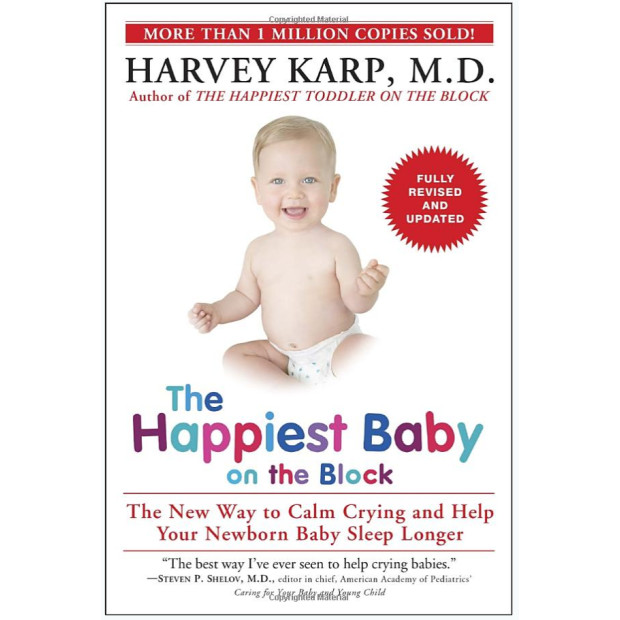
The Happiest Baby on the Block (1)

Precious Little Sleep: The Complete Baby Sleep Guide for ...

Healthy Sleep Habits, Happy Child, 5th Edition: A New Ste...

The Sleepeasy Solution (1)

The Happy Sleeper (1)

Sweet Sleep: Nighttime and Naptime Strategies for the Bre...
Expert Sources
Babylist content uses high-quality subject matter experts to provide accurate and reliable information to our users. Sources for this story include:
Amanda DeLuca, Pediatric Sleep Consultant and Founder of the parenting app Riley
Dr. Chris Klunk, board-certified neonatologist at Pediatrix Medical Group
Dr. Gabriella Dauer, pediatrician and author of Beyond the Basics: A Pediatrician's Newborn Guide

;)
;)
;)
;)
;)
;)