
Your 20-Week-Old Baby
Tiny teeth are on the way! Here’s how to spot the signs, soothe sore gums and start baby’s brushing routine.

By
Got a little drool machine on your hands? It’s prime time for teething, which usually starts when baby is between four and seven months old, says board-certified pediatrician Dr. Amanda Thomas. But the onset of teething can vary widely in both age and symptoms, so it’s important to know what to look for and how you can help soothe baby when teething time comes.
We talked with pediatricians and pediatric dentists about teething symptoms, which teethers are best at relieving pain and discomfort and even what to do with those teeth now that they’re emerging (hint: time to start brushing). Here’s their advice for families embarking on the teething journey.
🚼 Baby’s Development
Teething
If your baby has been fussy, extra drooly and eager to chew on anything they can grab, some tiny teeth might be on their way. The first ones to show up are usually the two bottom middle teeth, followed by the top two.
Sometimes it can be tricky to figure out if your baby’s fussiness is related to teething or an illness. “Teething can look a lot like a viral illness, minus the fever,” says Dr. Gabriella Dauer, pediatrician and author of Beyond the Basics: A Pediatrician's Newborn Guide. And she reminds parents that “teething can affect the whole baby,” including their mood and appetite. Your baby might seem cranky and clingy, and their feeding and sleep schedules might be thrown off.
The key differences to look for, Dr. Dauer says, are drooling, mouthing (putting their lips and gums on things and sort of nibbling) and lack of fever—those are signs your baby is just teething, not sick. Keep in mind that some babies may have a slightly elevated temperature when teething, but teething shouldn’t cause a fever (temperature over 100.4 degrees Farenheit), Dr. Dauer says. If your baby seems especially uncomfortable or has symptoms beyond mild fussiness, check in with your pediatrician to rule out illness.
If your baby is teething, don’t be surprised if you notice more drool than normal. Excess saliva is a normal part of teething, and it even serves a purpose. According to the American Academy of Pediatrics, increased drooling helps protect baby’s mouth and emerging teeth, keeping everything soothed and moist while also protecting against tooth decay.
But all that extra drool can also sometimes cause a mild rash around baby’s mouth and neck, so it’s important to manage it to keep their skin protected. Keep a cloth bib or bandana on your baby and gently wipe their face throughout the day. You might also consider dabbing a thin layer of Aquaphor or a similar baby-safe ointment around their mouth to form a protective barrier.
Finally, while mouthing may be super cute, it’s a sign that your baby is actively seeking something to soothe their gums—that’s where teethers come in. Not every baby needs a teether, but babies who are mouthing excessively or seem to be in pain might benefit from having something safe to chew on.
For babies who could benefit from a teether, Dr. Thomas says the ideal age to introduce them is right around now, when babies are developing oral motor skills and hand-to-mouth coordination. “Introducing a teether during this period can not only help soothe potential discomfort associated with emerging teeth, but can also provide a fun way for your baby to explore new textures with their gums and tongue,” she says.
When it comes to choosing a teether, family dentist Dr. Vishala Patel recommends those made of silicone that’s firm but flexible. It’s a totally safe material for baby to gnaw on (be sure to look for food-grade or medical-grade silicone) and provides just enough resistance to satisfy baby’s need to chew.
Dr. Patel also recommends teethers with some kind of bumpy or ridged texture, which can help in massaging sore gums. She says to avoid liquid-filled teethers and teethers with small beads, which can both pose choking hazards. Ready to add a few teethers to your cart? Check out our list of dentist-approved teethers.
💡 Try This with Baby: DIY Teethers
If your baby needs relief fast and you don’t have a teething toy on hand, a little creativity on your part can go a long way. A frozen washcloth can work in a pinch—just wet it, pop it in the freezer for a bit and let your baby chew on it for cool, soothing relief. It’s easy to toss in the wash afterward, too.
You probably even have items in your fridge that’ll make good teethers, too. Dr. Jonelle Anamelechi, board-certified pediatric dentist and owner of Children’s Choice Pediatric Dentistry and Orthodontics, says that a raw, clean, peeled carrot offers the right texture for your baby’s gums. It needs to be hard enough that your baby can’t accidentally bite some off and risk a choking hazard.
And if you’re out and about with no teething toy, washcloth or appropriate produce, you can always let baby gnaw on your (clean) finger. They probably already do it anyway!
❓Weekly How-To: Brush Baby’s Teeth
While we’re on the topic of baby’s teeth, you might be wondering when you should start brushing them. According to pediatric dentist Dr. Kristina Svensson, now is a great time to start.
Even if those first teeth haven’t fully emerged yet, being in the habit of cleaning baby’s gums with a toothbrush will help establish the habit early so that it’s easier down the road—not to mention it’ll help keep baby’s mouth clean and healthy.
When choosing a toothbrush for your baby, Dr. Svensson recommends a soft-bristled baby toothbrush that’s either manual or electric and has the American Dental Association seal of approval.
She recommends avoiding toothbrushes with silicone bristles, like finger brushes and U-shaped brushes, because silicone won’t clean the germs off teeth and between teeth as well as traditional bristles will.
Brush twice a day with the tiniest smear of fluoride toothpaste, about the size of a grain of rice—any more than that, and baby might have an upset tummy and diarrhea if they swallow it.
Sit your baby on your lap, tilt their head slightly back and gently brush in small circles. The key is making it a fun and positive experience for both you and baby. Sing a song, make it playful and let your baby know they’re doing a great job (and that it’s good for them).
👀 Looking Ahead
Depth perception: Baby’s vision is continuing to develop, and this next milestone is super important for things like hand-eye coordination. You might notice them reaching more accurately for toys.
Object permanence: Your little one is starting to understand that things (and people) still exist even when out of sight. Peekaboo is suddenly hilarious because they’re learning that you didn’t disappear—you’re just hiding!
🛍️ Panic Order
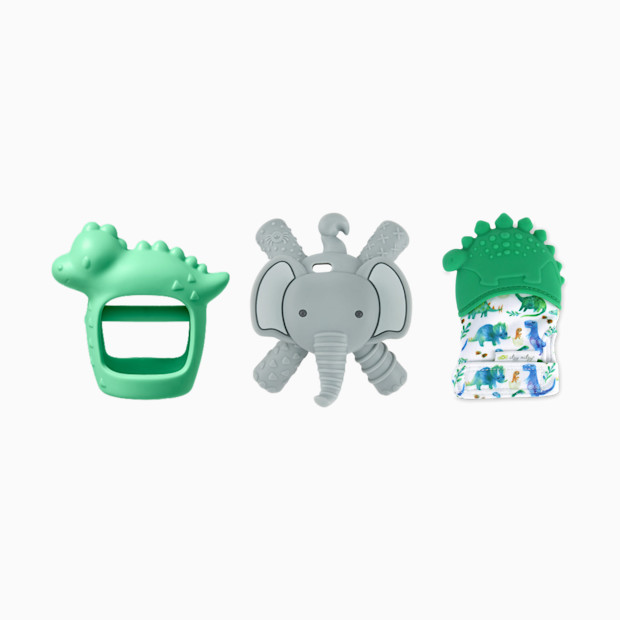
Itzy Ritzy
Teether Starter Kit
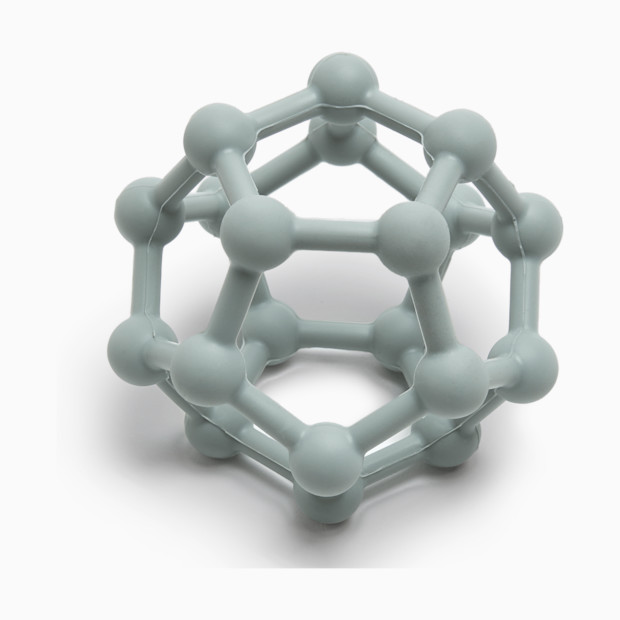
AEIOU
Atom Silicone Teether Toy
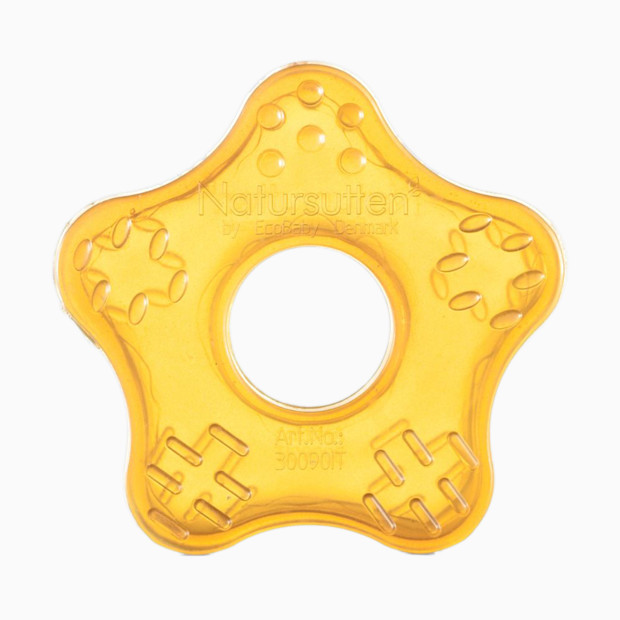
Natursutten
Natural Rubber Teether Toy

Jordan
Step 1 Baby Toothbrush

Colgate
My First Baby and Toddler Toothbrush, Extra Soft

hello
Kids' Dragon Dazzle Blue Raspberry Fluoride Toothpaste
Expert Sources
Babylist content uses high-quality subject matter experts to provide accurate and reliable information to our users. Sources for this story include:
Dr. Amanda Thomas, board-certified pediatrician
Dr. Gabriella Dauer, pediatrician and author of Beyond the Basics: A Pediatrician's Newborn Guide
Dr. Vishala Patel, dentist and founder of Edge Dental Designs
Dr. Jonelle Anamelechi, board-certified pediatric dentist, owner of Children’s Choice Pediatric Dentistry and Orthodontics and co-director of Thrive by Children’s Choice
Dr. Kristina Svensson, pediatric dentist and founder of SF Pediatric Dentistry

;)
;)
;)
;)