
Your 5-Week-Old Baby
Common newborn skin issues + postpartum recovery and movement: what you might be noticing around week five.

By

At five weeks old, your baby might be growing out of the “brand new” stage and starting to emerge from the sleepy newborn haze. Over the next few weeks, you’ll see more alert periods and slightly longer stretches of sleep, but you'll still have frequent feedings and short naps.
This week, we’re spotlighting some common newborn skin conditions that might show up around now—or that you might’ve noticed already—along with simple care routines to help manage them, and a quick how-to on infant first aid.
We’re also talking more about postpartum recovery, including expert advice on when you can start exercising again and certain conditions that might make postpartum exercise challenging. And as a companion to last week’s segment on postpartum depression, this week we’re talking about postpartum anxiety, how it’s different and how to find support.
🚼 Baby’s Development
👶 Common Newborn Conditions
Sometime within the first few months, some babies might develop skin or health conditions—but they’re typically no cause for worry. Eczema, cradle cap and thrush are all fairly common and usually easily treatable. Here’s what to know:
Eczema: Eczema in newborns often shows up as red patches that can be bumpy, splotchy, dry and/or itchy. According to the Cleveland Clinic, as many as 20% of babies can experience eczema, and it can appear anywhere on their body, especially on the cheeks, scalp or body folds.
It’s not contagious, but it can be uncomfortable for baby. It’s caused by a weak skin barrier and can be made worse by environmental or food allergies.
To help soothe irritation, stick to a gentle, eczema-friendly baby lotion—avoid overbathing to keep baby’s skin from drying out further (keep baths to less than 10 minutes long, and no more than two to three times per week). If the rash seems to be spreading or getting worse, let your pediatrician know, since they may be able to prescribe treatment.
Cradle cap: Noticing greasy, yellowish flakes on your baby’s scalp? That’s cradle cap—also known as seborrheic dermatitis, a form of eczema. Think of it like baby dandruff.
According to the American Academy of Pediatrics, an estimated 70% of babies get cradle cap by the time they’re three months old. The cause isn’t clear, but experts do know that it’s not due to poor hygiene or infection, and it’s not painful. "We aren’t 100% sure why cradle cap happens," says Dr. Chris Klunk, a board-certified neonatologist at Pediatrix Medical Group. "Some theories focus on a skin reaction to a common yeast in the environment, or extra oil production from glands in the skin due to mom’s hormones." But regardless of the cause, "we do know that it happens a lot," Dr. Klunk says.
Cradle cap usually clears up on its own, typically within a couple months, or by the time baby reaches their first birthday. You can help loosen the flakes by gently massaging baby’s scalp with a soft brush during bath time and using a mild baby shampoo a few times a week.
Dr. Klunk suggests that washing baby's hair more frequently, as much as every other day, can keep the flakes soft and easier to remove. "Alternatively, mineral oil or petroleum jelly can help soften them up, especially if allowed to work overnight," he says. "Just don’t give into the temptation to pick with your fingernails, as it’s too easy to cause injury."
Thrush: White patches on baby’s tongue or the inside of their cheeks might just be milk residue, but if it doesn’t wipe away easily, then it could be thrush. Thrush is a yeast infection that happens with feeding, and it’s contagious when breastfeeding—it can pass back and forth between nursing parent and baby.
Thrush often appears if the nursing parent has taken antibiotics or passed along a vaginal yeast infection to baby via the birth canal. It can also be caused by prolonged sucking, as the repeated friction can cause tiny abrasions and make it easier for the yeast to grow.
"It tends to not cause serious illness, but can be uncomfortable enough to get in the way of good feeding," Dr. Klunk says. Some cases of thrush, however, don’t cause any discomfort at all, and don’t have any effect on baby’s ability to eat. It can also cause nipple pain for nursing parents (usually burning, itching or stinging) as well as red, shiny and/or cracked nipples—though again, not always.
If you suspect your baby has thrush, don't try to self-diagnose—check with your pediatrician first. "Diagnosis is a bit tricky because it looks like white stuff stuck to the tongue or inside of the cheeks, [which] can be confused with breastmilk or formula," Dr. Klunk says.
But if it does turn out to be thrush, Dr. Klunk says that your pediatrician may recommend an antifungal treatment for baby—and possibly for you, too. He says treatment advice may also include "cleaning and decolonizing things like pacifiers and toys that may carry the yeast and cause reinfection when placed in the baby’s mouth," so don't be surprised if you end up doing a bit of deep cleaning to keep the thrush from coming back.
💡 Try This with Baby: Grooming Routine
With the above conditions in mind, now’s a great time to start building some gentle grooming habits into baby’s daily routine, little moments that help prevent or manage common newborn skin issues—and provide some wonderful baby-caregiver bonding time.
During baby’s regular bath time, use a soft-bristled brush and a small amount of baby shampoo to lightly massage baby’s scalp. This can help loosen cradle cap flakes, not to mention your baby might find it soothing (and it’s totally safe to do over baby’s soft spots, as long as you’re gentle about it).
Post-bath, applying a gentle, fragrance-free lotion can help keep baby’s skin soft and reduce dryness and irritation.
And once per day, or after every feeding, you can clean baby’s gums and tongue using a clean, damp washcloth or silicone finger brush to help keep thrush at bay.
These small routines don’t take long, but they can help baby relax and create a calmer evening.
💗 You, 5 Weeks After Baby
🧑⚕️ Your Physical Health
You’re five weeks postpartum, and depending on your recovery and birth experience, you might be starting to feel more like yourself physically, or maybe you’re not quite there yet. You may not be meeting with your doctor until next week for your official postpartum checkup, but it's also possible that they've already given you the go-ahead for light exercise.
“I typically recommend slow progression postpartum into return to exercise and as guided by your physician,” says Houston-based ob-gyn Dr. Faith Ohuoba. “However, by the time you’re approaching your final postpartum visit, you’re likely going to be cleared to return to routine activities such as exercise.”
As you start getting your postpartum body moving, you might notice some physical differences caused by pregnancy and childbirth, particularly around your abdominal and pelvic muscles. Complications like diastasis recti (when your abs separate along the vertical line) and pelvic floor dysfunction can limit your exercise routine, but they’re also treatable, and there are still workouts you can do safely to prevent these issues from getting worse.
Diastasis recti can show up as a slight bulge in your midsection, especially when you flex your abs, or you might be able to feel a small gap in the vertical line between your abs, usually about two to three fingers wide. You might’ve been able to notice it during the third trimester of pregnancy, but some people don’t notice it until several weeks postpartum.
Diastasis recti is typically painless and only a cosmetic issue, but it can cause low back pain and difficulty lifting heavy objects (including a baby). Definitely talk to your doctor if you're feeling any pain—it's treatable with special exercises, or in more severe cases, you might need surgery to bring your muscles back together.
Pelvic floor dysfunction happens as a result of all the extra strain placed on your pelvic floor (the group of muscles around your uterus, bladder, vagina and rectum) during pregnancy and vaginal childbirth. The muscles get so strained and tense that it can create a heavy feeling in your pelvis, pelvic and low back pain and, most commonly, leaking whenever you sneeze, laugh or lift something heavy.
It’s treatable, especially with the help of a pelvic floor physical therapist. Though mild cases may be treated just with kegel exercises that you can do on your own.
While these conditions don’t usually require surgery right away, Dr. Faith says they “can be uncomfortable and a disruptor in the quality of life.” And that’s reason enough to talk to your doctor about treatment options, she says.
🧠 Your Mental Health
Last week, we talked about how postpartum depression affects around 20% of new parents, and how symptoms usually show up. But it’s just one type of postpartum mood disorder (and the most common).
The second most common is postpartum anxiety, which is believed to affect about the same amount of new parents as postpartum depression, or potentially slightly less.
Unlike with postpartum depression, the main symptoms of postpartum anxiety don’t typically include feeling sad or emotionally numb—instead, it’s excessive and irrational worry, as well as racing thoughts, irritability and an overwhelming sense of dread.
These symptoms can show up at any point between the first few weeks after having a baby, all the way up to the end of the first year, and it’s possible to feel symptoms of both postpartum anxiety and depression at the same time.
But no matter what you’re feeling, it’s really, really important to talk to someone about it, including being honest on the mental health screening form that your ob-gyn will give you at your next postpartum check-up. (Next week, we’ll go over how to start that conversation with your doctor—it’s totally normal and understandable if you feel awkward about it.)
🧑🍼 Feeding Baby
🍼 Week 5 Feeding Guidelines
Breastfed babies: Feed on demand, usually around 6–10 feedings per day.
Formula-fed babies: 3–4 fluid ounces per bottle every 3–4 hours, aiming for about 32 fluid ounces of formula per day.
🚰 What water should I use with formula?
For most families in the US, it’s totally safe to mix baby formula using clean, cold tap water, as long as you live somewhere with access to a safe water source, says Dr. Krupa Playforth, pediatrician and Babylist Health Advisory Board member.
However, there are some instances—especially in these early weeks—when you might want to use sterilized water instead. “In general, especially for infants under three months or those with underlying health issues, erring on the side of caution makes sense,” Dr. Playforth says. You can boil tap water and let it cool before mixing formula, or you can use bottled or distilled water.
😴 Sleep
🛏️ Total Sleep: 14–18 Hours
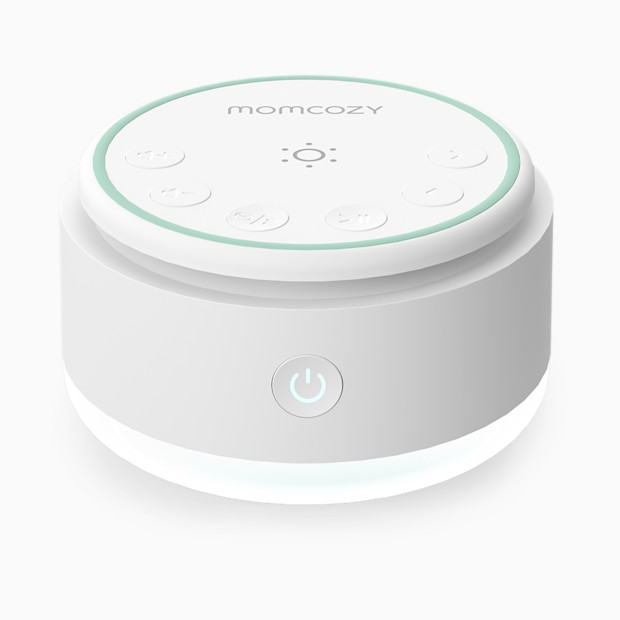
Nighttime wakings are still happening, but keeping them short—only to feed baby and change their diaper—can help maximize everyone’s sleep. Doing nighttime wakings in the dimmest possible lighting, plus using a sound machine and keeping your baby in their swaddle as much as possible, can help a lot with teaching baby to distinguish between day and night.
❓ Weekly How-To: Baby First Aid
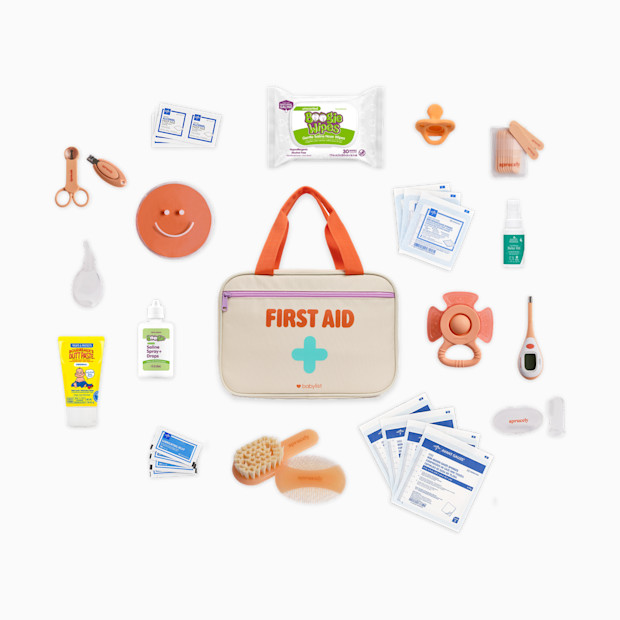
If you haven’t already, now’s a great time to assemble a basic infant first aid kit. It’s always good to be prepared, and to know what you can treat at home by yourself and what warrants a trip to the doctor.
The biggest thing to note: baby first aid isn’t the same as adult first aid, or even first aid for a toddler or older kid. Because of babies’ sensitive systems, there are more injury and illness situations that should be immediately evaluated by a doctor—including fever of 100.4 degrees Fahrenheit, bulging soft spot, deep lacerations, burns and forceful vomiting—instead of trying to tend to them yourself.
A good rule of thumb is to call your pediatrician for anything. No concern is too small, especially in the early months. If you feel guilty about calling outside of your doctor’s office hours, check to see if they have an after-hours advice nurse.
✅ Little List: Building a First Aid Kit
When your baby just needs a little bit of care, here’s what doctors say to have in your baby’s first aid kit:
Digital thermometer: The gold standard for newborns is a rectal thermometer, which gives the most accurate temperature reading.
Nasal bulb aspirator: Helps clear mucus from baby’s nose, especially when they’re congested and struggling to eat or sleep.
Saline spray or drops: Loosens mucus before suctioning with the aspirator, and is safe to use from birth.
Teether: Baby won’t start teething for a few more months, but having a teether on hand can provide quick relief when the time does come (and it’s just something nice to gnaw on).
Nail clippers & emery board: A baby grooming must-have to help prevent accidental scratches (on both you and baby).
Baby brush & comb: May not feel like a first aid item, but necessary for managing cradle cap.
Cold pack: A small, flexible cold pack comes in handy for small bumps and bruises.
Gauze pads: Keep a few sterile pads on hand for cleaning minor scrapes or covering small cuts.
You may not need everything right away, but having the essentials organized and within reach can make a big difference when the unexpected happens—or when you just need to clip tiny nails or soothe a stuffy nose at 2 a.m. And keep in mind that some doctors recommend avoiding bandages, since they can be a choking hazard. Stick to gauze for minor cuts.
Once your kit is stocked, start learning how to use it. A good first skill to practice: taking baby’s temperature. At this age, rectal thermometers give the most reliable reading. Apply a little lubricant to the tip, gently insert it about half an inch into the rectum while baby lies on their back or side and wait for the beep. If your baby is under three months old and has a fever of over 100.4 degrees Fahrenheit, call your pediatrician right away.
👀 Looking Ahead
Baby's first smile: That first real smile is just around the corner, often sometime between weeks six and eight.
Witching hour: You might notice baby getting extra fussy in the evenings—it’s a natural part of baby’s development (sorry).
Introducing or switching formula: You might consider introducing formula to a breastfed baby or switching formula types for a variety of reasons, and there are some techniques to help the transition go smoothly.
🛍️ Panic Order
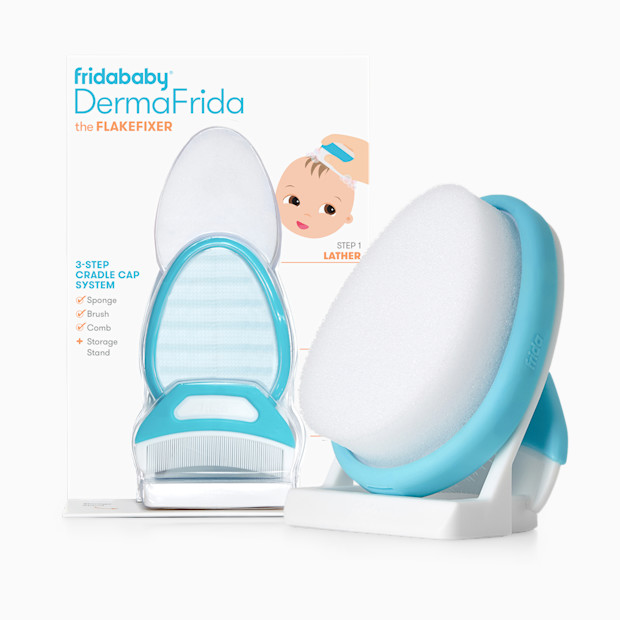
Frida Baby
DermaFrida The FlakeFixer The 3-Step Cradle Cap System
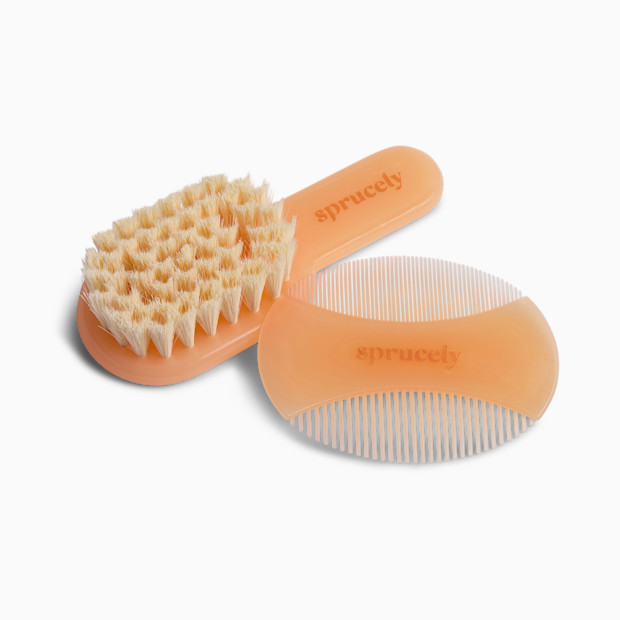
Sprucely
Brush & Comb Set

Eucerin Baby
Eczema Body Crème
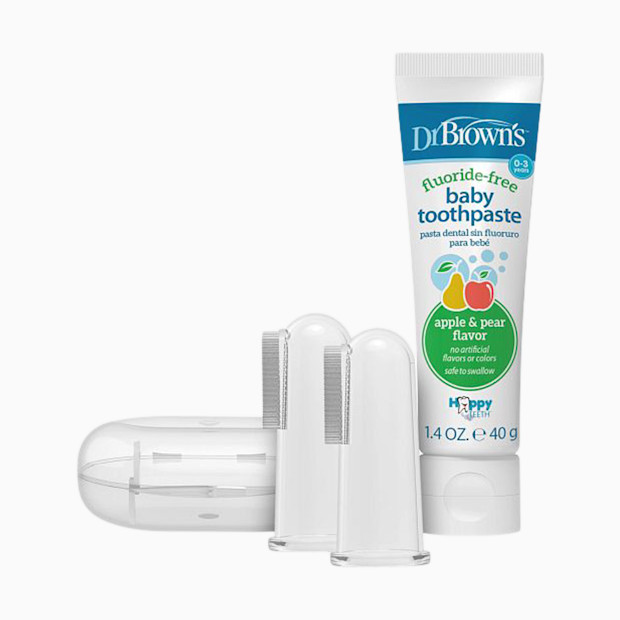
Dr. Brown's
Silicone Finger Toothbrush with Case, 2-Pack

Baby Brezza
Formula Pro Advanced
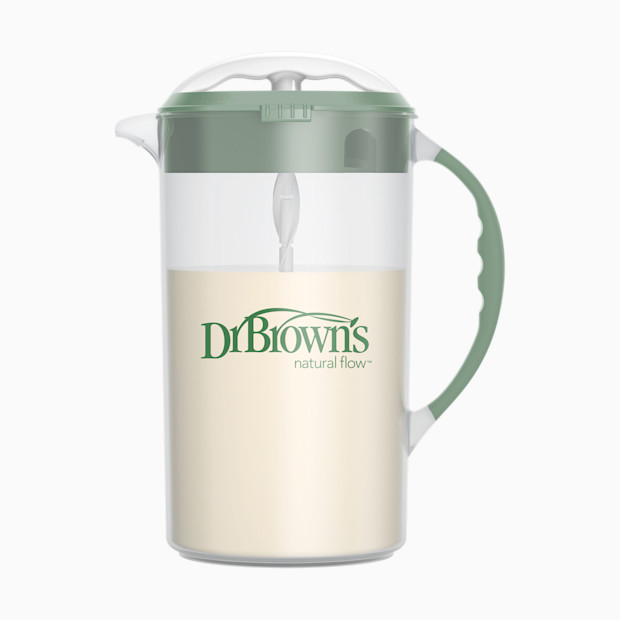
Dr. Brown's
Formula Mixing Pitcher
Babylist
Baby First Aid & Grooming Kit
Momcozy
Portable White Noise Machine with 20 Soothing Sounds
Expert Sources
Babylist content uses high-quality subject matter experts to provide accurate and reliable information to our users. Sources for this story include:
Dr. Chris Klunk, board-certified neonatologist at Pediatrix Medical Group
Dr. Faith Ohuoba, Houston-based ob-gyn
Dr. Krupa Playforth, pediatrician and Babylist Health Advisory Board member

;)
;)
;)
;)
;)
;)
;)