
The Best Eczema Products for Babies and Toddlers
A dermatologist shares what actually works (and what to skip) for dry, itchy skin.

By
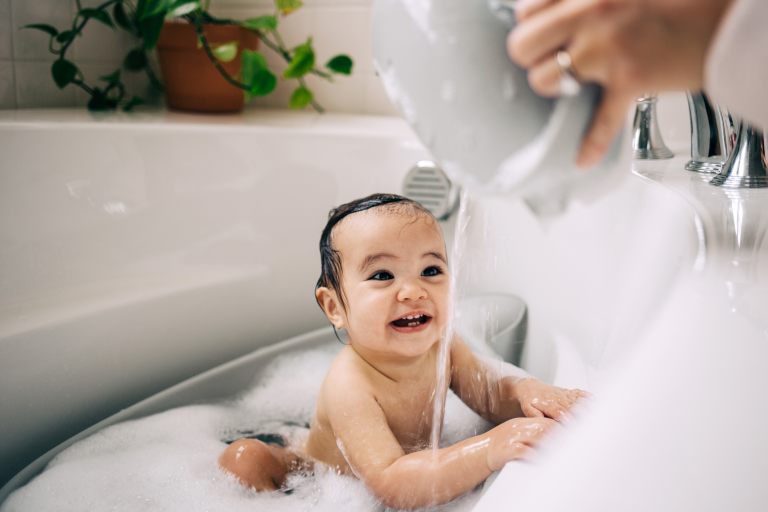
Seeing your baby uncomfortable—and not always knowing how to help—is no fun for anyone involved. If your little one has eczema, you’re not alone. Eczema is a common skin condition in babies and toddlers, and while it can be frustrating to manage, there are ways to make things more comfortable for your baby.
The skin condition causes dry, itchy and inflamed patches and it can show up anywhere on the body (though it’s more common on certain body parts; we’ll get into that below). Because baby skin is extra delicate, even everyday things like bath soap, fabrics or dry air can trigger a flare-up. The good news: there are gentle, effective ways to care for eczema-prone skin—and this guide can help you find what works best for your baby.
In addition to being Babylist’s associate editor, I’m also a mom of two little ones who take after their dad’s sensitive skin. My first (who is almost six) started showing signs of eczema when he was two months old, and my soon to be four-year-old has had numerous flare-ups over the last couple of years. All that’s to say that this is near and dear to my heart. When I say we’ve tried it all, we really have.
I also talked to Dr. Geeta Yadav, a board certified dermatologist and founder of FACET Dermatology, who specializes in pediatric skin conditions, for expert insight on the eczema triggers and how to treat it. We also polled Babylist parents for practical, real-life tips for what worked to soothe their baby’s flare-ups.
What is eczema—and what does it look like?
Eczema is a common condition in babies and toddlers—according to the National Eczema Association, it affects between 10-20 percent of all children in the U.S. It can feel overwhelming at first, especially when you’re trying to figure out what’s triggering it and how to help. But the good news? There are ways to manage it and bring your baby relief.
“Eczema is characterized by skin barrier dysfunction,” explains dermatologist Dr. Geeta Yadav. “When the skin barrier isn’t working correctly, the skin is lacking in defenses and is more susceptible to dehydration and irritation.”
Eczema often shows up as dry, scaly patches, sometimes with tiny bumps. On lighter skin, it typically appears red; on deeper skin tones, it may look grayish or darker than the surrounding skin—and can sometimes be harder to spot. But you’ll usually be able to feel it.
While the root cause is often genetic, many babies with eczema have specific triggers. Common ones include:
Dry skin
Irritants like fragrance in soap, lotion or detergent
Rough or synthetic fabrics
Heat and sweat
Stress
Understanding what eczema looks like—and what might be causing it—is a solid first step toward keeping your little one more comfortable. And thankfully, there are gentle, effective ways to care for eczema-prone skin.
How to Manage Your Baby’s Eczema
Hydration, Hydration, Hydration
Moisture is key to managing eczema. “Our skin barrier, the outermost layers of skin, is our bodies’ first line of defense against irritants. It has the important job of keeping skin hydrated and nourished and sealing water in while keeping out chemicals, microbes, and other irritants that can damage the skin,” explains Dr. Yadav.
She says you should lotion your little one's skin up right after bath time, adding that “It’s important to add nourishment into every step of baby’s skincare routine, but especially after cleansing.”
When choosing a moisturizer for your baby’s eczema prone skin, Dr. Yadav says there are a few things to keep in mind, the first being related to the different types of moisturizers. “Lotions are lighter than creams, which are lighter than ointments. Your choice really depends on the level of support that the baby’s skin needs and when you’re applying the product,” Dr. Yadav explains.
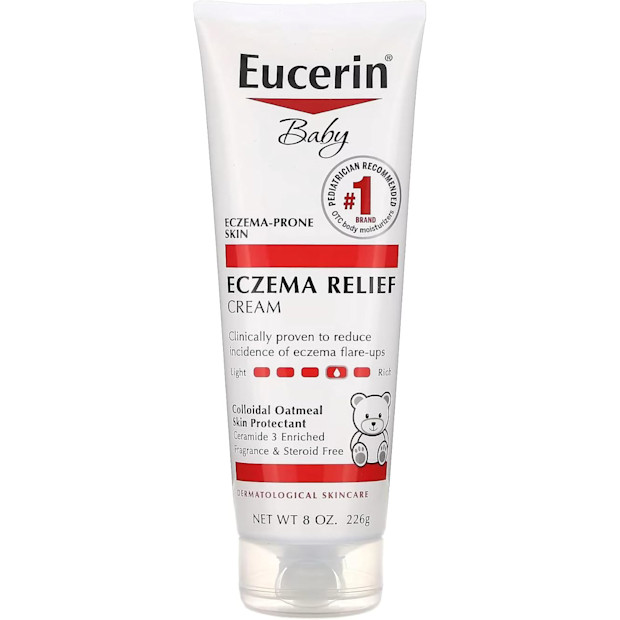
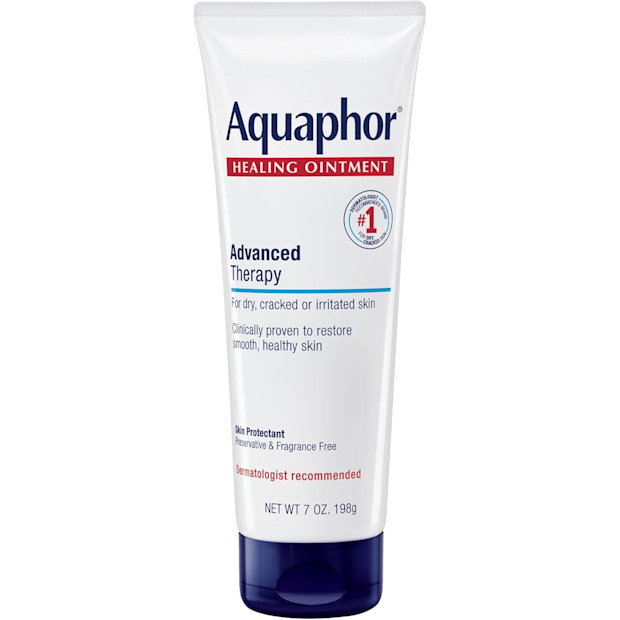
When my daughter has a pretty big flare-up, I prefer to use something thicker like Eucerin Baby Eczema Relief Body Cream, and make sure to apply immediately after her bath. I also find it helps to layer products—so sometimes we do a lotion and top it off with Aquaphor to really seal in the moisture. This is especially helpful if we’re dealing with thicker dry patches on her elbows and irritation behind her knees.
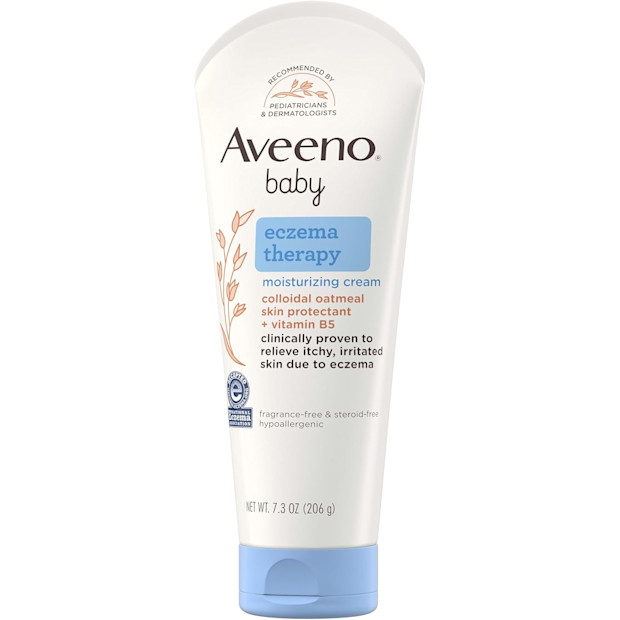
If she doesn’t have any inflammation and we’re just in a “maintenance” phase—like keeping her skin happy—something that has a lighter formula works well. Dr. Yadav recommends Aveeno Baby Eczema Therapy Moisturizing Cream because it strikes a balance between being moisturizing without being too thick. She says it’s “more nourishing than a lotion, but won’t be as heavy as an ointment.”
Tons of Babylist parents (myself included!) swear by Tubby Todd’s All Over Ointment for keeping eczema episodes at bay. One parent raved, “Genuinely love this stuff! This has helped my daughter’s skin so much. This is one of the ONLY non-prescription creams that helps her skin stay moisturized!” It comes in both fragranced and fragrance-free—we recommend the latter for babies with eczema.
This is a staple in our line-up of eczema-friendly products and I find when we forget to apply it on a regular basis (like morning and night), we can really tell the difference. It keeps the skin moisturized for a long time but isn’t greasy after applying. A little goes a long way—it’s got a medium-thick consistency that reminds me of butter, and like Aveeno, it contains colloidal oatmeal, which is known to soothe eczema. I even keep the little travel tubes in my purse and diaper bag for on-the-go, too.
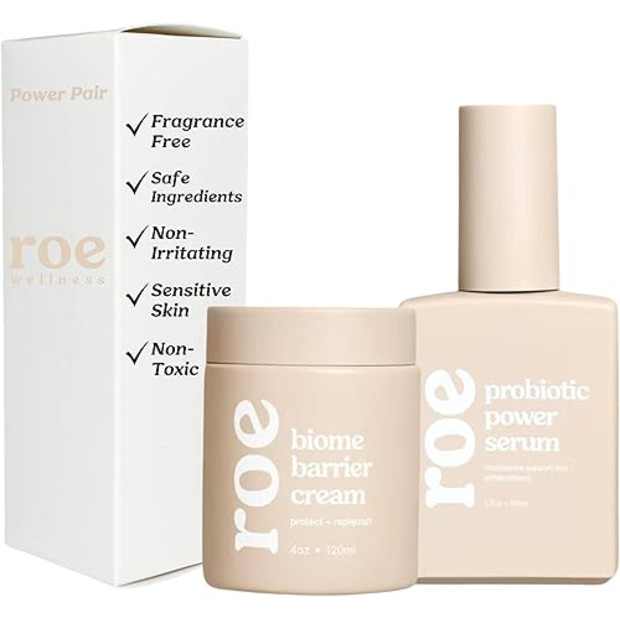
A newer product I added to my daughter’s line up of eczema fighting moisturizers is the Roe Wellness biome barrier cream. After learning about the link between eczema and the skin’s microbiome barrier dysfunction, I wanted to give it a try. I applied it at night to her elbows and the backs of her knees, and after also limiting cleansing and frequent baths, I noticed an improvement in her dryness after a couple of weeks.
Another thing to keep in mind is that you may find you need a combination of products, depending on how severe your little one’s episode is and when you’re applying them. For example, the Aveeno Moisturizing Cream is perfect for daytime use, while the thicker Aveeno Night Balm is ideal for a longer stretch of overnight moisturizing.
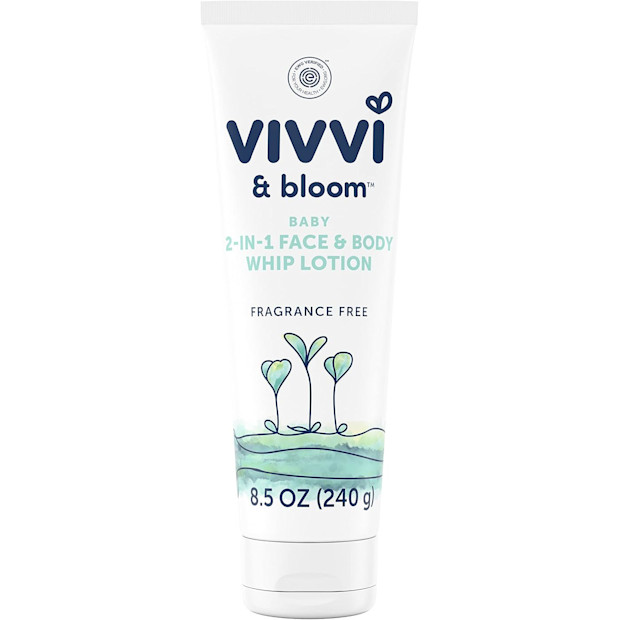
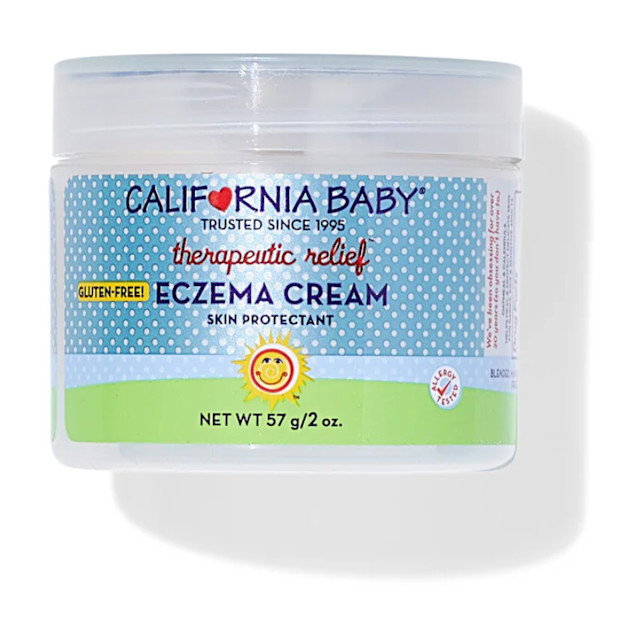
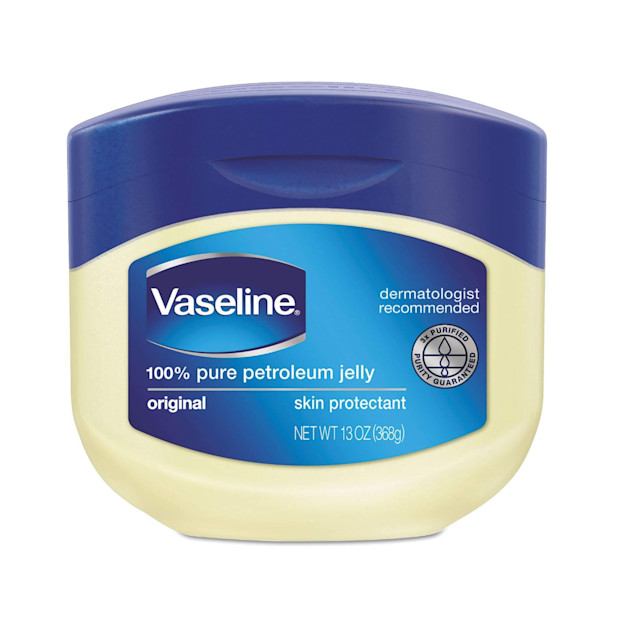
But since every baby’s skin is different, here are a few more creams, lotions and balms that’ll help lock it in that much-needed moisture:
Lotions and Creams




Ointments
Soaps Matter
Bathtime can really trigger an eczema reaction. During bath, both the water and the soaps you’re using can strip your little one’s skin of moisture. “While most cleansers, shampoos [and] body washes for babies are designed to be extra gentle, it’s the cleansing step that often removes the most lipids from the skin,” Dr. Yadav says. Lipids are the natural fats in skin that help lock in moisture and keep irritants out. Babies with eczema often don’t have enough of them, which makes their skin barrier weaker and more prone to dryness than others.
Dr. Yadav notes that even fragrance-free options can contain skin irritants ( like dyes and fragrances), so be sure you choose a body wash and detergents that are free of all of that extra stuff.
And keep in mind, this can also change over time. While my daughter was fine with Tubby Todd’s regular formula when she was younger, she can’t tolerate it anymore—so we’ve since swapped to Pipette. My son, who is also eczema-prone on a lesser level, still does fine with our original pick.
Cleansers
Here are a few gentle cleansers with few ingredients and no fragrances that won’t strip your baby’s skin of moisture.
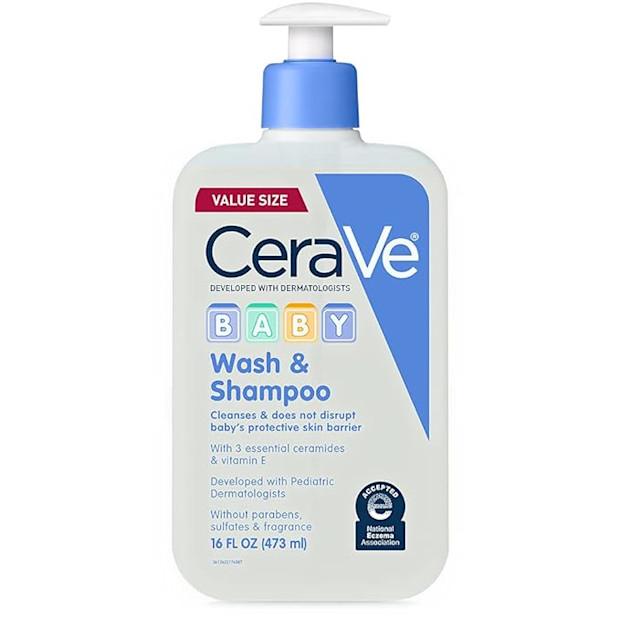


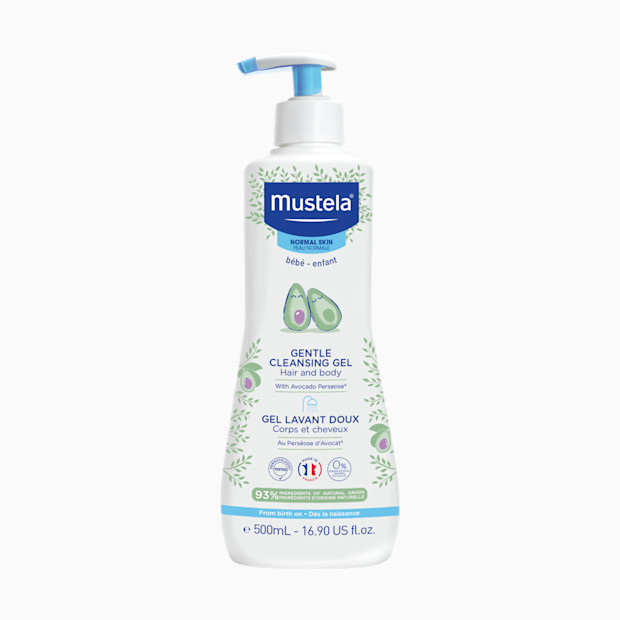
Detergents
You’ll also want to pay attention to what laundry detergent you’re using if your baby has eczema. When my two children were younger babies, I liked Puracy’s liquid detergent. But as they got older, I needed something that could stand up to toddler stains and messes (and was also a bit more affordable) so I started using Tide Free & Clear, which is recognized by the National Eczema Association as being safe for sensitive skin. We’ve always used regular Tide for everyone's towels and sheets but I’ve noticed in the last year that my daughter’s skin is so sensitive to fragrances that we have to wash her bedding and towels separately. Managing eczema is a constant balance of figuring out what’s triggering it and finding a different solution.
These gentle detergents have few ingredients and no fragrance to limit the chemicals that come in contact with your little one’s skin.

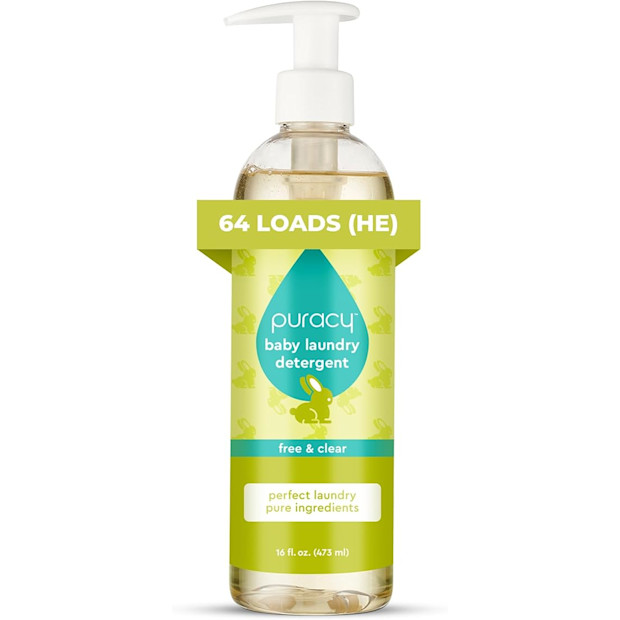
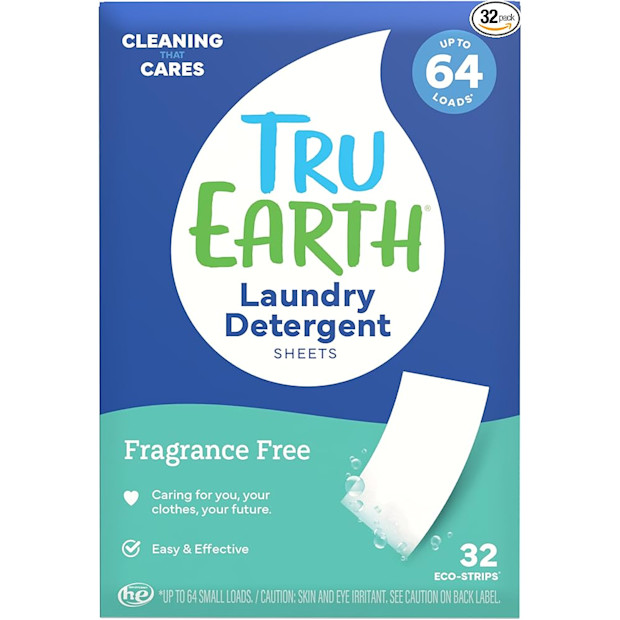
Soft on Skin
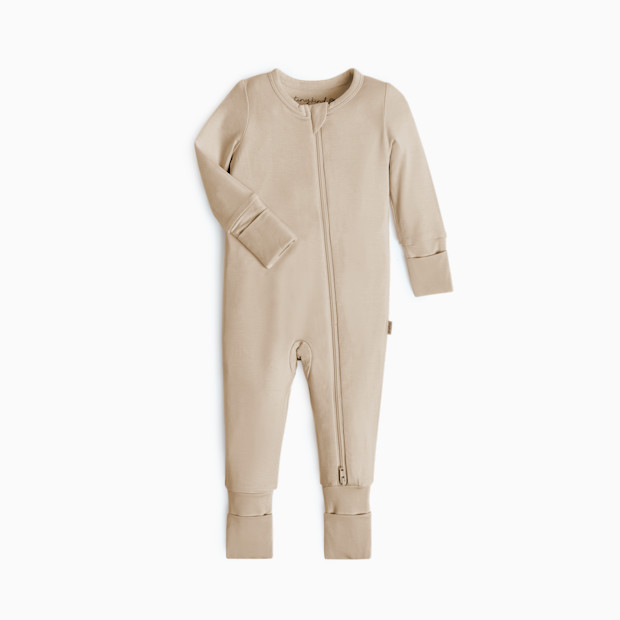
Soft, breathable fabrics are important for all babies—but especially for those with sensitive skin. “Dress your baby in soft, smooth and natural fabrics like cotton, silk, merino wool or bamboo,” Dr. Yadav says. These materials breathe better and help regulate temperature, which can reduce flare-ups.
Here are a few skin-friendly staples:
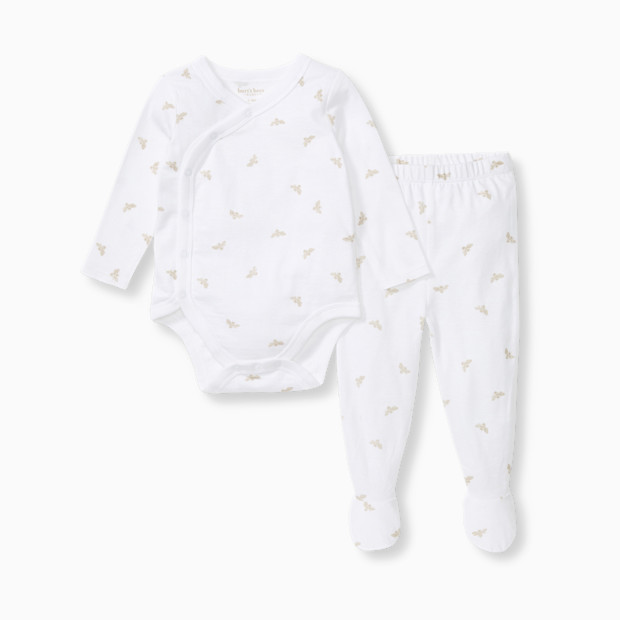
Burt's Bees Baby
Organic Cotton Micro Golden Bee Bodysuit Set
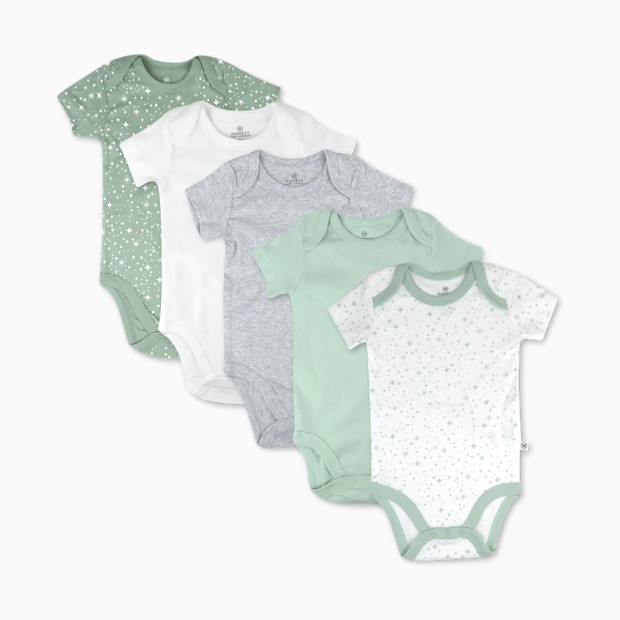
Honest Baby Clothing
5-Pack Organic Cotton Short Sleeve Bodysuits

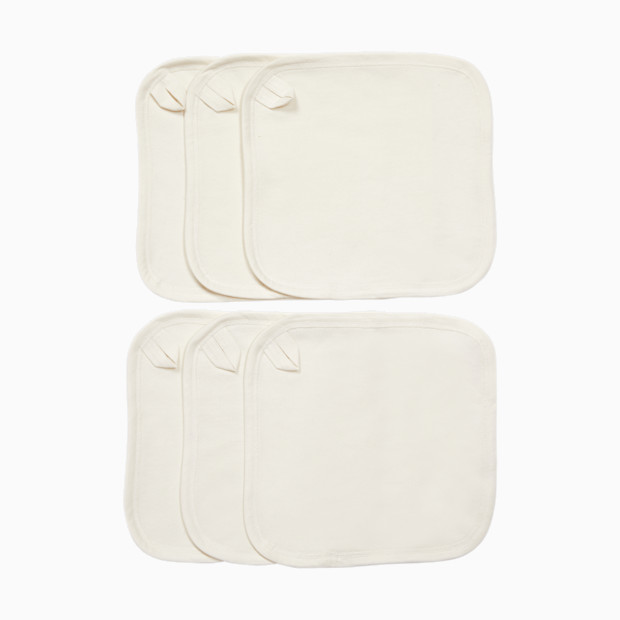
If you're considering any products not listed here, there are a few things to keep in mind:
Look for gentle, fragrance-free formulas made specifically for sensitive or eczema-prone skin.
Avoid common irritants like dyes, essential oils and strong preservatives, even if a product claims to be “natural” or “baby safe.”
Thicker textures like creams and ointments tend to be more effective than lightweight lotions for protecting the skin barrier.
And if you’re ever unsure, check in with your pediatrician or a dermatologist—they can help you tailor an approach that fits your baby’s unique skin needs.
Smart Extras That Make a Difference
We polled Babylist parents in our newsletter to get real advice and tips from those who are in the trenches of dealing with their baby’s eczema. In addition to the moisturizers, gentle soaps and detergents, here are a few more things they found that helped soothe their baby’s skin and reduce the frequency of eczema-related skin trouble.
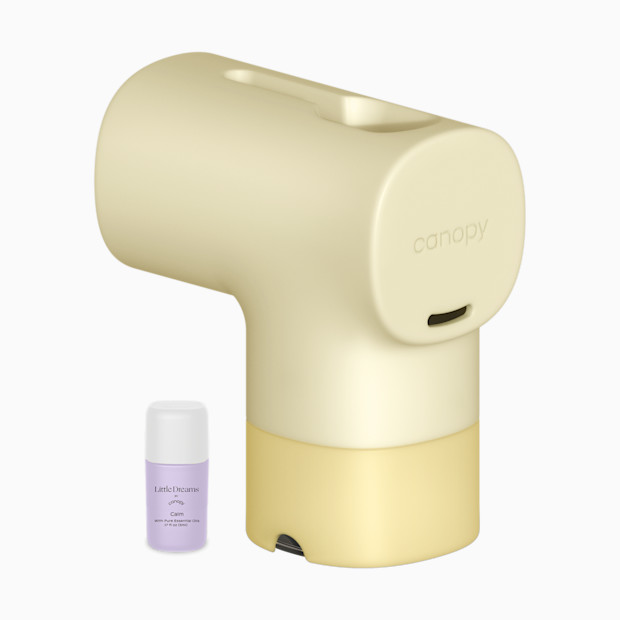
If your shower door has chalky spots or your faucets show buildup, you might have hard water—which can dry and irritate skin. This is something that has personally affected our experience with eczema. After moving to an area with super hard water, my daughter’s skin (and truthfully, our whole family’s) gets so dried out. As someone who grew up in a bathe-every-night family, that’s just naturally what I did with my kids. But I’ve actually had to cut down her baths and showers to an every other night schedule when she’s experiencing an episode—until I saw this thing!
While whole-home softeners are pricey, this simple tub filter is a great workaround. It attaches easily to your faucet and helps remove drying minerals like chlorine and calcium carbonate. (Bonus: it doubles as a spout cover.) Tons of parent reviews share the same sentiment that it’s made a huge difference in their little one’s skin.
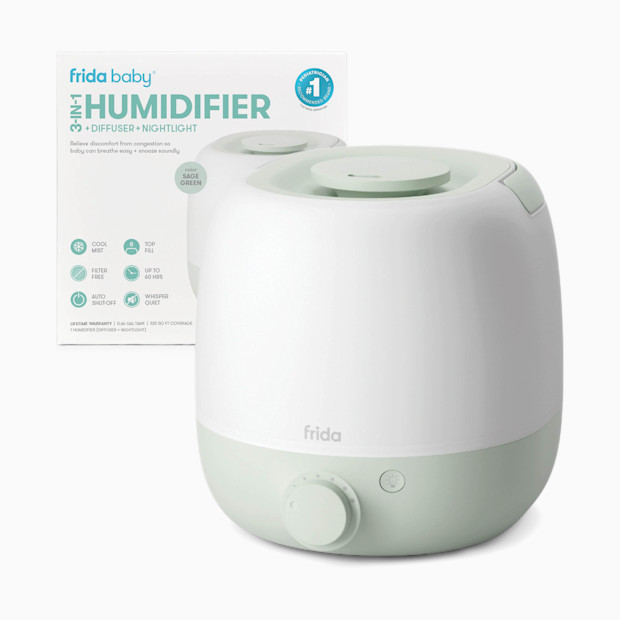
Frida Baby Frida Baby x Babylist 3-in-1 Humidifier, Diffuser & Nightlight - Sage Green
From $39.99Low humidity can also trigger eczema. In drier climates—or during winter—adding a humidifier to your baby’s room can help maintain skin moisture overnight.
Real-Life Tips For Managing Eczema Flare-Ups
We polled Babylist parents of little ones with eczema to learn what’s really worked for them. While every baby’s skin is differently, here are some of the most commonly shared strategies:
Moisturize frequently. Many parents say they apply thick creams or ointments multiple times a day, especially after baths, to help lock in hydration.
Keep baths gentle. Lukewarm water and oatmeal-based soaks were frequently recommended to soothe skin. Some parents swear by daily baths followed immediately by moisturizing; others found less frequent bathing helped reduce irritation.
Avoid fragrance. Fragrance-free soaps, lotions and detergents were a near-universal theme among parents managing baby eczema.
Try breast milk. A few parents suggested applying breast milk topically to help calm flare-ups, citing its natural healing properties.
Support gut health. Some parents mentioned adding baby-safe probiotics to their routine, noting a possible connection between gut health and eczema. (Be sure to check with your baby’s pediatrician for this one!)
Consider dietary changes. A handful of parents found improvement after eliminating common allergens like gluten or dairy—with guidance from their pediatrician.
Create a skin-friendly environment. Breathable bamboo pajamas (like Little Sleepies), gentle fabrics and adding a humidifier to the nursery all came up as eczema-friendly swaps that can help prevent discomfort or sudden irritation.
Managing baby eczema often takes a layered approach: consistent moisturizing with gentle, trusted products, treating flare-ups as needed and staying mindful of potential irritants—whether that’s in the environment, your laundry detergent or even baby’s diet. You baby's pediatrician may also prescribe a low-dose topical steroid cream—like hydrocortisone—for more severe or persistent flare-ups; just be sure to check with them first.
There’s no one-size-fits-all solution, but many parents find success with thicker creams and ointments made for sensitive, eczema-prone skin.
With a little trial and a lot of care, you can help keep baby’s skin more comfortable—and that makes a big difference for everyone. And don’t forget to reach out to your baby’s doctor if you have any questions or concerns.
Expert Sources
Babylist content uses high-quality subject matter experts to provide accurate and reliable information to our users. Sources for this story include:
Dr. Geeta Yadav, a board-certified dermatologist and founder of FACET Dermatology.

;)
;)
;)
;)
;)
;)
;)
;)
;)
;)
;)
;)
;)
","url":"https://www.amazon.com/dp/B07SPYNRWZ?th=1","source":"hello_baby"});)
;)
;)
;)
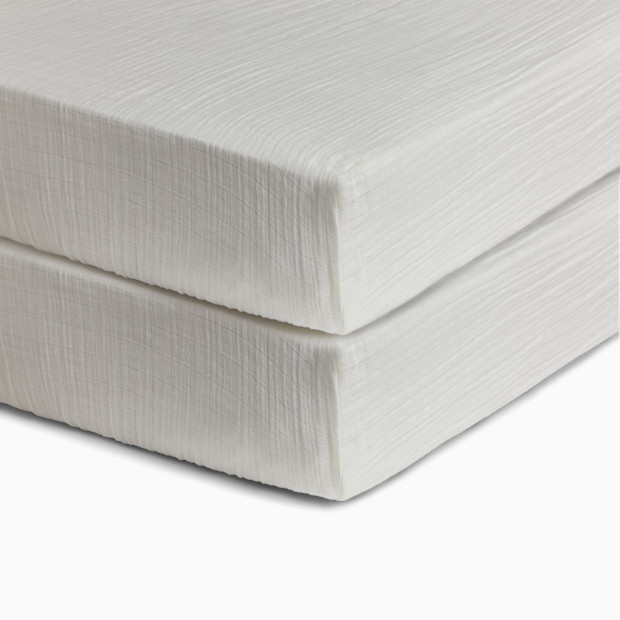
 - White","url":"https://www.babylist.com/gp/soundly-organic-cotton-muslin-crib-sheet-2-pack/52478/1981206","source":"hello_baby"});)
;)
 - White, 6","url":"https://www.babylist.com/gp/small-story-organic-cotton-washcloth-6-pack/38566/1509178","source":"hello_baby"});)