
Your 1-Week-Old Baby
Welcoming baby home in their first week is all about getting to know your baby while learning to feed and care for them.

By

Congratulations on your first week of having a baby! Whether you had a vaginal birth or a cesarean, whether you’re supporting your partner through the postpartum period or you’re adjusting to life as a new adoptive or foster parent, making it to week one is worth celebrating.
There’s so much going on, and also not, at the same time. You may be taking life hour by hour, learning new things about your baby (and yourself), while also feeling like time has lost all meaning—days and nights blur together, and you may find yourself craving some sense of rhythm and routine.
At just one week old, your baby is still very much brand new. Feeding, sleeping and diapering are on nonstop repeat, and you’re likely navigating things like healing (physically and emotionally), disrupted sleep and starting to learn your baby’s cues and quirks. To help you navigate this first week (as well as over the next few months), we talked with Dr. Chris Klunk, board-certified neonatologist at Pediatrix Medical Group, and Dr. Faith Ohuoba, Houston-based ob-gyn. Here’s what to know about this early stage and what might help as you adjust.
🚼 Baby’s Development
Lots of things are changing for your baby as they adjust to life outside the womb, but here’s a quick look at some of baby’s physical developments. And if you have any questions about your baby’s development (or the weird things they’re doing), bring it up with your pediatrician during baby’s first week appointment. Your pediatrician is there to help with anything and everything relating to your baby—no question or concern is too small.
⚖️ Baby May Lose Weight
Even though you’re feeding your baby every two to three hours, you may notice after the first week that your baby weighs less than they did at birth. But try not to panic—this is totally normal. "It may seem counterintuitive, because we all want to see babies grow, but it is perfectly normal, even expected, for babies to lose up to 10% of their birth weight in the first few days of life," Dr. Klunk says.
"Remember that they have been underwater for the last nine months, and every nook and cranny, including their lungs, ears, nose and mouth, is full of fluid, and their intestine is full of a black tarry substance produced during development called meconium," Dr. Klunk says. "Over the first week or two they will clear all this extra fluid."
Most babies get back to their birth weight by week two, but it’s important to go to your pediatrician check-ups in order to monitor your baby’s weight gain. If it becomes a concern, your baby’s pediatrician can offer guidance on feeding techniques and supplements.
🧼 Caring for Baby’s Umbilical Stump
At birth, your baby’s umbilical cord was clamped and cut, leaving behind a small stump that’s usually a couple of centimeters to an inch long. Within one to three weeks, the stump will dry out and fall off, but until then, you’ll need to keep the area clean and dry to prevent infection.
You can put soft, breathable clothes over baby’s umbilical stump, but keep in mind that any leaking residue (which is normal during the first few days) may stain clothing. And the stump will actually dry out and heal faster if you leave it open to the air. You can even fold the top of baby’s diaper down so that it doesn’t rub up against the stump.
Your one-week-old doesn’t need to have full baths just yet, largely to avoid submerging the umbilical stump in water. Instead, opt for sponge baths until the umbilical stump naturally detaches. "The moral of the story here is pretty much to leave it alone," Dr. Klunk says. "That doesn’t mean ignore it; you want to keep an eye out for signs of trouble like leakage, bad smells or redness, but otherwise just keep it clean and dry."
If any dried blood or residue gets on baby’s skin, use a cotton swab soaked in water to gently clean around the area. "Folks used to apply things like rubbing alcohol to umbilical cords not that long ago," Dr. Klunk says, "but current thinking is that we do more harm than good by not letting nature take its course. Left to its own devices, the cord will fall off in a couple weeks, and until it does we recommend avoiding submerged baths."
If you notice redness, swelling, foul odor or discharge, let your pediatrician know right away, since it could be a sign of infection.
👶 What’s Up with Soft Spots?
In order to help them fit through the birth canal, a newborn’s skull isn’t actually fused together—there are two soft spots (known as fontanelles) where the skull bones aren’t connected so baby’s head can squeeze through a tight space. The soft spot at the back of baby’s head (the posterior fontanelle) will close within about two to three months, whereas the one on the top of baby’s head (the anterior fontanelle) typically closes by 18 months.
"Gently touching the fontanelles is perfectly safe, and a routine part of most doctors’ exams because we can learn things from them," Dr. Klunk says. Gently is the key word here—don't poke them! Your baby’s brain is still well protected by skin and membrane, so you don’t need to avoid the areas when washing baby’s hair.
You may notice the soft spots pulsing, but don’t freak out—it’s just their regular blood circulation. "It can be normal for the fontanelle to be slightly pulsating to the touch," Dr. Klunk says. "Or even visibly [pulsating], as growing brains require a lot of blood flow!"
But if the area is distinctly sunken in, bulging or not closing in the typical amount of time, it’s a good idea to check in with your pediatrician, especially if those changes come with symptoms like fussiness, poor sleep, poor eating or anything that seems like the flu. According to Dr. Klunk, an overly-sunken soft spot could indicate dehydration, while a bulging soft spot may be a sign of high pressure in baby's head, or an infection.
For Preemie Babies
If your baby was born prematurely, they may still be in the NICU or following a different developmental timeline. Ask your care team about milestones based on baby’s adjusted age and what kind of support they need right now.
💡 Try This with Baby: Skin-to-Skin Contact
Week one is all about bonding—and skin-to-skin contact is one of the best ways to do that. You may have heard about skin-to-skin contact before your baby arrived, or maybe your care team told you about it as part of your newborn care routine. But how do you do it, and why?
Keeping baby chest-to-chest with you, sans clothing (or with a nursing bra, if that makes you more comfortable), actually has lots of benefits for both you and baby. "Skin-to-skin, or 'kangaroo care,' has clear physical and mental health benefits for both mom and baby," Dr. Klunk says, "including benefits to breastfeeding, pain reduction for the infant, improved maternal-infant bonding, reduced maternal depressive and PTSD symptoms and even normalizing babies’ blood sugar."
Skin-to-skin is essential for non-birthing parents, too. It’s the perfect opportunity to bond with your baby, maybe even especially if you didn’t carry them in pregnancy.
But as nice and snuggly as it is to hold your baby close to you, eventually you’ll probably want your arms back so you can take care of other things. That’s where babywearing comes in handy, with products like the Solly Baby Wrap Carrier or the Boba Baby Wrap Carrier (our top picks for wrap carriers for newborns)—they allow for hands-free carrying and skin-to-skin simultaneously.
💗 You, 1 Week After Baby
Your baby isn’t the only one going through changes.
🧑⚕️ Your Physical Health
If you gave birth, your body is still in recovery mode. Soreness, bleeding, c-section incision care and swelling are all common (which we’ll go deeper into in Week 2). And the immediate postpartum hormone changes mean you might also have night sweats, uterine cramps and leaking breasts, even if you’re not breastfeeding. These physical symptoms can be uncomfortable and sometimes overwhelming, especially when paired with little sleep and mood swings.
For non-birthing parents, you’re in it, too. The impacts of disrupted sleep, intense emotions and the stress of trying to support your partner or bond with your baby without a clear roadmap are real. You may feel pressure to be helpful, respond perfectly to your baby’s needs or just keep it together—even when you’re just as unsure or exhausted.
🧠 Your Mental Health
One of the biggest stressors this week: crying (for baby, not you...or maybe you, too). Newborns cry a lot—it’s how they communicate. But it can be hard, especially when you’re not sure how to help. “It’s common to feel overwhelmed with the crying of a newborn,” Dr. Faith says. “This can be due to trying to understand and figure out why the baby is crying. Is it feeding? Is it a need for attention? Or is it due to illness or pain?”
Sometimes it’s none of those things. And when you’re sleep-deprived, all that crying can feel intense. Do your best to slow down and take deep breaths, since soothing yourself can help soothe baby. “Give yourself grace, especially as the parent of a newborn, and go through a mental checklist of all the things that could cause your little one to be so upset,” Dr. Faith says. “And trust your intuition. What worked for someone else may not work for you. Your instinct is a guiding light when dealing with your own child.” And remember, sometimes babies cry even when all their needs are met. It’s okay to step away for a moment and take time for yourself. Your well-being matters, too.
Speaking of stressors, it’s completely normal to feel emotional in these first couple weeks. The “baby blues” typically show up about two to three days after giving birth, and they're very common: the American College of Obstetricians and Gynecologists (ACOG) reports that up to 85% of new parents experience mood swings, sudden crying, irritability, anxiety and/or trouble sleeping, eating or making decisions.
These feelings “may come and go in the first few days,” Dr. Faith says, but “typically this will not last more that one to two weeks without treatment, according to the ACOG.”
If these “baby blues” last longer than a few days or a week, or if they start to feel heavier—like intense sadness, anxiety or feeling disconnected from your baby or loved ones—it could be a postpartum mood disorder, like postpartum depression or postpartum anxiety (which we’ll talk about more in the coming weeks).
The most important thing is to talk to a healthcare professional about your feelings, thoughts and experiences, Dr. Faith says. “This can occur any time, you don’t have to wait until your postpartum visit. This can also be at your pediatricians office, since you will see them before you see your ob-gyn postpartum.” No matter which doctor you’re able to talk to, Dr. Faith urges you to ask about community resources, referrals to mental health crisis clinics and maternal mental health hotline numbers.
✅ Little List: Getting Grounded
Feeling stuck or overstimulated? Try these small, doable actions that can ground you when everything feels like too much.
Take deep, calming breaths
Drink a glass of water
Step outside for fresh air
Listen to a favorite song
Write down three things you’re grateful for
Reach out to a close friend or family member
Do some light stretches or yoga movements
Take a short nap when possible
🧑🍼 Feeding Baby
🍼 Week 1 Feeding Guidelines
The American Academy of Pediatrics (AAP) recommends that one-week-old babies get about one ounce of breastmilk or formula per feeding.
For breastfed babies, it’s recommended to feed on demand, keeping an eye out for hunger cues like rooting or sucking motions. Most breastfed babies typically will eat every two to three hours (or basically any time you sit down, try to nap or dare to eat something yourself).
For formula-fed babies, offer one to two fluid ounces per feeding, spaced out to 8-12 times a day (including overnight feedings).
🧑🍼 Getting the Hang of Breastfeeding
The early days of breastfeeding can be tough. Sore nipples, latching challenges, constant feeding sessions and wondering whether your baby is getting enough—these are all common (and completely normal) experiences in the first week or two. It can feel like you’re nursing around the clock—and that’s because you often are. Newborns feed frequently to help your milk come in and build up your supply.
Getting the right support can make all the difference. Consider reaching out to a lactation consultant (many offer virtual appointments), ask your pediatrician for guidance or look into local breastfeeding support groups. The beginning can feel overwhelming, but with time and help, it often gets easier and more intuitive.
To help your breastfeeding journey go as smoothly as possible, especially in the beginning, here’s what you can do:
Talk to a lactation consultant or coach. Appointments may be covered by your insurance, or your lactation consultant may offer sliding-scale payment options.
Get a firm nursing pillow. The right nursing pillow can be a major help in keeping your baby in the correct feeding position and taking the stress off your back and arms. The My Brest Friend Deluxe is our favorite.
Learn about latch. There are a few different techniques for ensuring a good latch, and it’s important to practice getting your baby’s latch secure to reduce your risk of pain and discomfort. Nipple shields can help you get a good latch if you’ve been struggling with it for the past week.
Maintain a good diet. Ob-gyns recommend that you continue taking your prenatal vitamin, increase your meals by about 300 calories per day and stay well hydrated. All these parts of your diet will help keep your milk supply up and ensure your baby is getting all the nutrients they need.
🍼 Choosing the Right Formula for Your Baby
If you’re formula-feeding or combo feeding, figuring out which formula works best for your baby can feel like a big decision. "Everyone wants what’s best for their family, particularly their baby, and that typically extends to what we feed them," Dr. Klunk says. "This makes it really tempting to go hunting for the newest latest and greatest formula, but this is an area where I recommend sticking to what is known."
Most babies do well with standard cow’s milk formulas, but others might need something gentler, like a hypoallergenic or soy formula, especially if they show signs of sensitivities like excessive spit-up, gas, fussiness, rashes or constipation. Most infant formulas on the market are reviewed by the FDA for nutrition and safety, Dr. Klunk says, even though they're not formally "approved."
He advises parents to be skeptical of marketing claims, and to consult your pediatrician before choosing specialty formulas. They can help you sort out what might point to a sensitivity or allergy. No matter what, whatever way your baby gets their food is fine. Choosing formula doesn’t mean missing out on bonding—it means making sure your baby is nourished and thriving.
🍼 How to Pump
Whether you’re building a supplemental stash or exclusively pumping, you’ll want to choose a breast pump that fits your needs—double electric pumps are efficient, while manual or wearable pumps are great for portability.
In the first few weeks, many parents pump once or twice a day (especially if baby is missing a feeding or you’re trying to increase supply), but there’s no one right schedule. Try to pump around the same times each day, and keep milk in labeled storage bags or containers in the fridge or freezer.
If pumping is painful, your flange size might be off, or your suction setting might be too high. A lactation consultant can help troubleshoot and make the process more comfortable and less stressful.
🍼 Ensure Baby is Eating Enough
Especially with the typical week one weight loss, you might be wondering how to tell if your baby is eating enough. The answer is in the diapers: 6-8 wet diapers and a few poops a day is a great sign (yes, in week one, you really will celebrate poop).
Your pediatrician will also get your baby’s weight at every appointment, and they’ll let you know if baby’s growth rate is any cause for concern.
😴 Sleep
🛏️ Total Sleep: 14–18 Hours
Newborns typically sleep 14–18 hours a day, divided into multiple naps and nighttime sleep. Sleep patterns are irregular, and it’s normal for babies to wake frequently for feedings.
Your baby will likely be awake for one to two hours between sleep periods. During awake times, engage in gentle activities like talking or singing. Recognize signs of sleepiness, such as yawning or fussiness, and soothe your baby back to sleep promptly to prevent overtiredness.
🧸 Safe Sleep Basics
Ensure your baby sleeps only on their back on a firm mattress, free from soft bedding or toys—that means no blankets or pillows, no loose swaddles and no stuffies). The AAP recommends room sharing with your baby for the first six months, keeping baby’s bassinet or crib close to your bed.
"Sudden Infant Death Syndrome (SIDS) is the number one cause of infant mortality in the United States between one month and one year of age, even with [safe sleep] campaigns being credited with reducing the risk by about 50 percent since 1994," Dr. Klunk says. Along with the advice above, "avoiding parental smoking and substance use and introducing a pacifier can also help reduce the risk," he says.
❓ Weekly How-To: Change a Diaper
If you didn’t take a baby care class or have your birth team teach you, you might’ve noticed that changing a diaper isn’t always a walk in the park, especially with a newborn. There’s no shame in wanting tips to make this process go smoother, especially since you’re doing it up to a dozen times a day in the early weeks.
To change a diaper, Dr. Klunk says, "first things first: get everything you’re going to need ready so you aren’t tempted to walk away from a baby on the changing table where they could fall." Lay your baby on a safe, flat surface. If they’re up on a changing table, make sure the changing pad buckles are securely fastened; newborns can be pretty wiggly, and you want to keep them safe when on an elevated surface.
Unfasten the diaper tabs, gently lift your baby’s legs and clean their entire diaper area with wipes, wiping front to back (this is especially important for baby girls to help prevent infections). Apply diaper cream if needed, and Dr. Klunk says "you should not try to wipe [old diaper cream] away with every diaper change, as it works by forming a barrier, so scraping it off defeats the purpose."
Once that's all taken care of, secure a fresh diaper snugly, and you're good to go.
Bonus tips: If your baby has a habit of pooping as soon as you get their diaper off, Dr. Klunk recommends you save yourself from having to clean the changing pad by first putting the clean diaper under the dirty one before sliding the dirty diaper off. That way, the clean diaper catches the extra mess, not the changing pad.
And if you have a baby boy, it’s a good idea to lay a wet wipe over the penis during the entire diaper change—it’ll catch and redirect any surprise streams, which are absolutely bound to happen.
🧷 Set Up a Diaper Changing Station
Diaper changes can be made even easier with an organized changing station. Be sure to include the essentials: diapers, wipes, creams and a change of clothes. Use a sturdy changing table or pad, and keep supplies within arm’s reach. Consider a diaper caddy for portability, allowing you to change diapers in different rooms as needed.
👀 Looking Ahead
Your newborn’s second week may feel like more of the same—but some changes are coming soon.
Growth spurt: Around weeks 2–3, babies often go through a growth spurt. Expect more frequent feeding, clinginess and sleep disruptions.
Reflexes: Moro (startle), rooting and grasping reflexes are all in full swing. These involuntary movements are normal and fade over the first few months.
Poop: Newborn poop is all over the map—color, texture and frequency can vary. Generally, yellow and seedy is normal for breastfed babies, while formula-fed babies may have firmer, darker stools.
🛍️ Panic Order
Need more supplies, like, yesterday? These products can help support you and your baby during the first week:

Solly Baby
Wrap Carrier
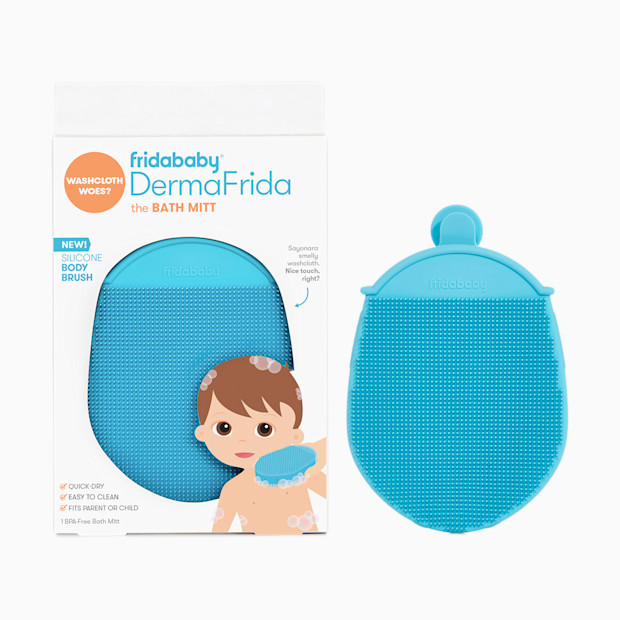
Frida Baby
DermaFrida The Bath Mitt

Frida Mom
Postpartum Recovery Essentials Kit
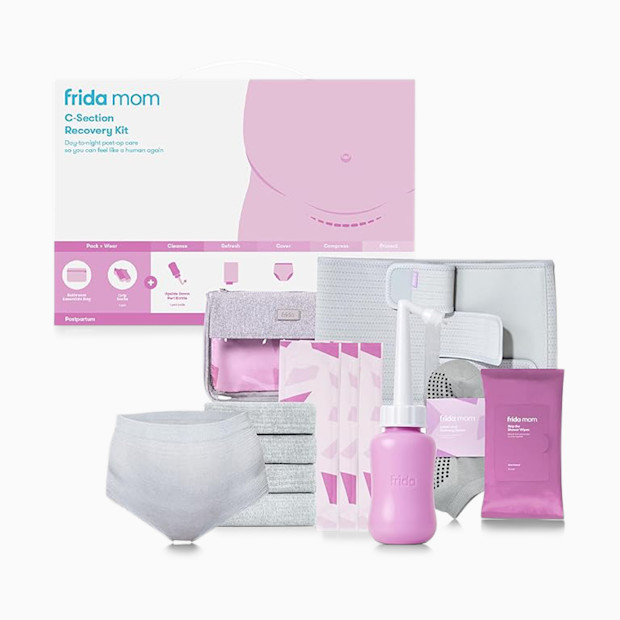
Frida Mom
C-Section Kit
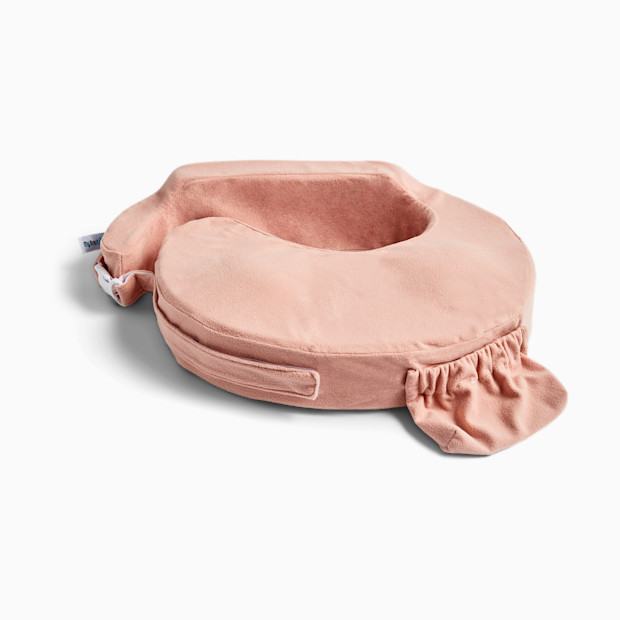
My Brest Friend
Deluxe Nursing Pillow
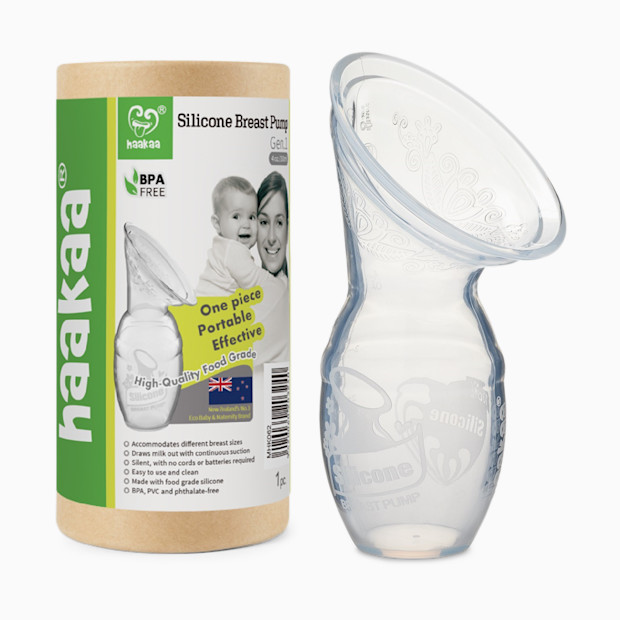
Haakaa
Silicone Breast Pump
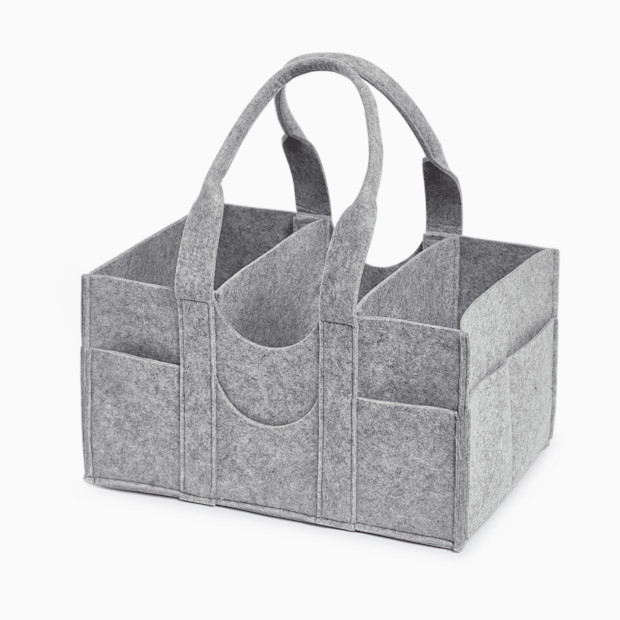
Sprucely
Felt Diaper Caddy
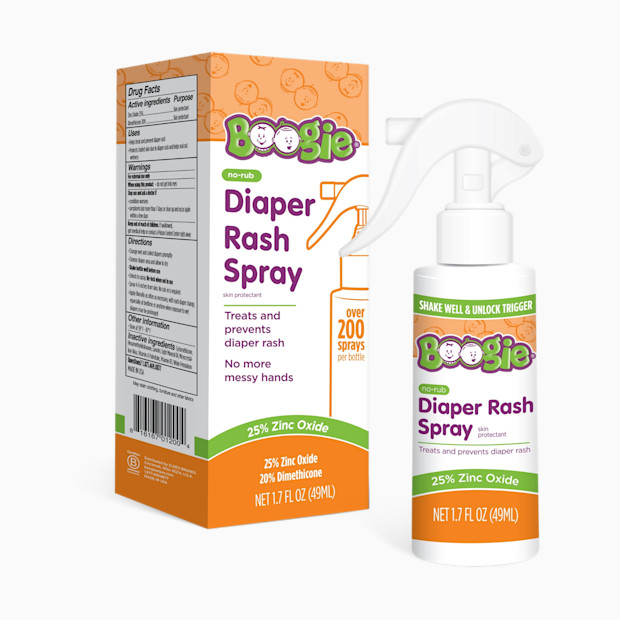
Boogie
No-Rub Diaper Rash Spray

Expert Sources
Babylist content uses high-quality subject matter experts to provide accurate and reliable information to our users. Sources for this story include:
Dr. Chris Klunk, board-certified neonatologist at Pediatrix Medical Group
Dr. Faith Ohuoba, Houston-based ob-gyn

;)
;)
;)
;)
;)
;)
;)
;)
;)