
Nipple Shields Can Help Latching Challenges—Here’s How
Learn when and how this simple breastfeeding tool can help you and your baby succeed.

By

Breastfeeding isn't always easy—and if latching issues are part of your journey, you're not alone. Nipple shields could be the game-changer you didn't know you needed.
Whether you're dealing with flat nipples, a premature baby, or latch difficulties, these simple devices can help bridge the gap and make breastfeeding more comfortable. While they're not a permanent solution, nipple shields have helped countless parents and babies find their rhythm during the early days of breastfeeding.
As a certified lactation counselor and someone who exclusively breastfed both of my kids, I know how vital a good latch is and how hard it can be. My second baby had a severe tongue tie and I wish I’d known about nipple shields then; they could have made a big difference. For more expert insight, I spoke to Emily Spaeth, an international board certified lactation consultant (IBCLC) and founder of Be Well Baby in Portland, Oregon, to unpack everything you need to know about nipple shields and how they might help your breastfeeding journey.
What are nipple shields?
A nipple shield is essentially a thin, flexible cover that fits over your nipple and areola during breastfeeding—think of it as a soft silicone "hat" for your nipple. Not to be confused with silver nursing cups (which also fit over your nipple and some of your areola), these shields are designed with a tip that allows milk to flow through while baby nurses. They typically have a contoured shape that helps them stay in place and creates enough space for your nipple to draw out during feeding.
They come in different sizes, similar to breast pump flanges (typically ranging from 16mm to 24mm) to accommodate different nipple sizes. The size refers to the diameter of the opening where your nipple sits. And just like flanges, finding the right fit is crucial for comfort and effectiveness. Most nipple shields made by reputable brands—like Medela, Lansinoh and Momcozy—are made out of thin, BPA-free silicone, which is both durable and gentle on sensitive skin.
When your baby latches onto a nipple shield, it works by creating a vacuum effect. The small holes at the tip allow your milk to flow through while the shape of the shield helps maintain your baby's latch. Some shields also have a cut-out design that maximizes skin-to-skin contact, which is an important aspect of the nursing bond.
Do I need a nipple shield?
There are several situations where a nipple shield might be helpful on your breastfeeding journey.
Flat or Inverted Nipples
Nipples actually come in different shapes and sizes, and if you have flat or inverted nipples, it can make it challenging to get a comfortable latch. Spaeth says using a shield can be helpful because it helps give baby a firm point for them to grasp, and “[It helps] maintain suction by drawing the breast tissue into the shield.”
Premature Babies
If your baby is born early and you want to breastfeed, nipple shields can be a helpful tool. Premature babies have smaller mouths and less developed sucking reflexes—both things can make it difficult for them to latch properly. They can benefit from the structure a shield provides while they continue to grow and develop. “The shield provides a first surface that touches the roof of their mouth, stimulating their suck reflex,” says Spaeth.
Painful Nursing
Nipple shields can also be helpful if nursing is particularly painful (though you should definitely reach out to a lactation consultant if you’re experiencing any persistent pain). “I recommend a shield if a parent is having severe nipple pain or damage. In these cases a shield can provide a temporary barrier to allow their nipples to heal,” Spaeth says.
Transitioning from Bottle to Breast
And lastly, “If a baby has developed a preference for a bottle, and the parent’s hope is to breastfeed, a nipple shield can be a miracle worker in terms of transitioning from bottle to breast,” says Spaeth. The familiar firm texture can help them adjust.
Keep in mind that while nipple shields can be incredibly helpful, they're often meant to be a temporary tool—like training wheels for breastfeeding. “A nipple shield is rarely a permanent solution,” Spaeth says.
It's also important to work with a lactation consultant before starting to use one. They’ll help you figure out if a shield is truly needed, ensure proper sizing and fit and create a plan for eventually weaning from the shield when the time comes. “Ultimately, it’s important to address body tension, oral motor challenges, positioning, tongue-tie—whatever is keeping your baby from successfully latching without a shield,” says Spaeth.
How to Use Nipple Shields
Getting started with a nipple shield might take a little practice, but that’s why it’s essential to have the support of a lactation consultant to guide you.
1. Start with clean hands. Before each feeding, wash your hands and rinse the shield with warm water. To help it stay in place, try slightly turning the edges under and dampening the rim with a few drops of breast milk or water—this creates a gentle suction effect.
2. Place the shield. Position the shield over your nipple, making sure it's centered and that your nipple extends into the shaft of the shield. Some parents find it helpful to put the shield on at a slight angle, then press the edges down, working their way around. Your nipple should move freely and not feel pinched or compressed.
3. Latch. When bringing baby to breast, aim the shield's tip toward the roof of their mouth, just like you would with regular breastfeeding. Look for signs of a good latch: their lips should be flanged out, and you should see or hear swallowing. You might need to express a few drops of milk into the tip of the shield first to encourage your baby to start nursing.
How can you tell you got it right? Signs that the shield is working well include comfortable feeding, baby swallowing regularly, and adequate milk transfer (which you can track through wet diapers and weight gain). If you feel pain or see creasing in your nipple after feeding, the shield might be the wrong size and a lactation consultant can help you adjust.
If you find yourself wanting to give nipple shields a try (again, be sure to get support from a lactation consultant first), here are a few to consider:

Medela
Contact Nipple Shields, Medium 20mm
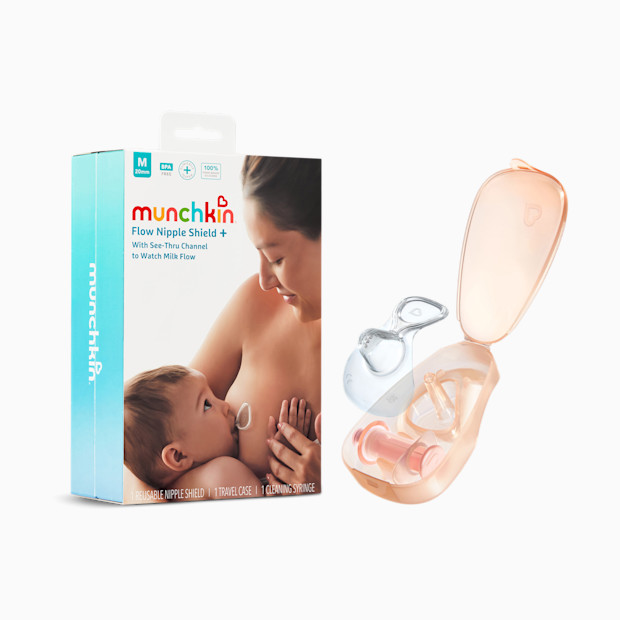

Lansinoh
Contact Nipple Shields for Breastfeeding, 2 Nipple Shield...
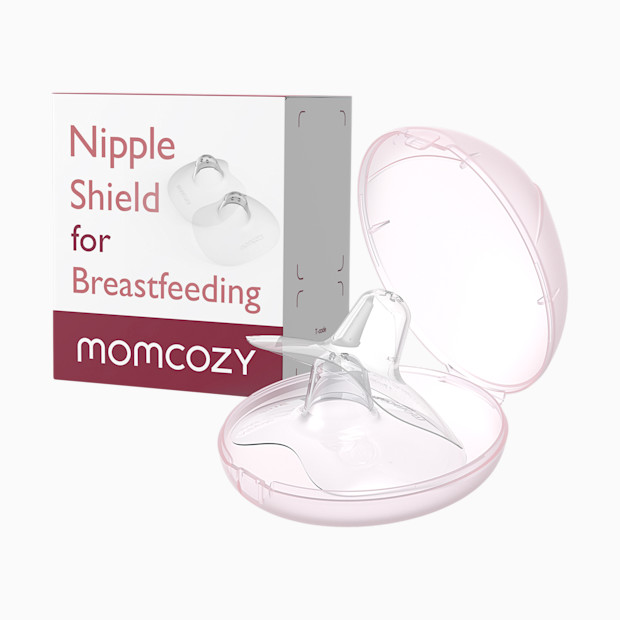
Momcozy
Silicone Nipple Shields

Haakaa
Silicone Nipple Shields for Breastfeeding with Carry Case...
Frequently Asked Questions
How can I tell my baby is getting enough milk when using a nipple shield?
The first sign you want to look for is active sucking and swallowing. Diaper output is another indicator for figuring out if your baby is getting enough milk. They should have at least six wet diapers a day by their fifth day of life. Weight gain is another clue, and lastly, you should have “A happy baby after [feeding]," says Spaeth. They should be content, and not exhibit signs of hunger like rooting, licking their lips or munching on their fists.
How do I know my nipple shield is the right fit?
Spaeth says you can tell if the shields are the right size and fit for you if:
They stay in place without too much suction.
Your nipple has enough space to move freely inside of the shield without rubbing the sides.
Your baby is able to transfer milk effectively.
“If weight gain is slow, diapers are decreasing, or your baby looks worried—[like] furrowed brow, fussy baby—do weighted feeds with a lactation consultant to measure milk transfer,” she says. This is essentially when the lactation consultant weighs your baby before a feed and then after to gauge how much milk was transferred.
What if my baby refuses to latch with a nipple shield?
If your baby refuses to latch with a nipple shield, try taking things slowly. A gradual approach, experimenting with different shield sizes, and adjusting positioning can help. Working with a lactation consultant is also invaluable in finding what works best for you and your baby. “It’s a gradual process and requires patience. I have done it myself—I know firsthand!” says Spaeth. With time and the right support, many parents overcome this challenge.
Can nipple shields affect my milk supply?
Nipple shields can affect your milk supply depending on how well they’re working—or not working. If the shield isn’t fitted properly or your baby isn’t able to remove milk effectively, your body may think it needs to produce less, leading to a drop in supply. On the other hand, if your baby is able to latch and empty the breast more efficiently with the shield than they were without it, you might actually see an increase in milk supply. That’s because milk production works on a supply-and-demand basis—the more milk your baby removes, the more your body makes.
How do I wean my baby from using a nipple shield?
When you and your lactation consultant decide it's time to wean from the shield, try starting with one feeding without the shield per day, typically when your baby is calm and milk flow is strong. Some babies transition quickly, while others need more time and that's perfectly okay.
Expert Sources
Babylist uses high-quality subject matter experts to provide accurate and reliable information to our users. Sources for this story include:
Emily Spaeth, IBCLC and founder of Be Well Baby PDX in Portland, Oregon.

;)
;)
","url":"https://www.amazon.com/Lansinoh-Contact-Nipple-Shield-Carrying/dp/B0781VNCDZ/?th=1","source":"hello_baby"});)
;)
","url":"https://www.amazon.com/Nippleshield-Silicone-Breastfeeding-Ultra-Thin-Super-Soft/dp/B07G12G1RV/","source":"hello_baby"});)