
6 Simple Ways to Bond With the New Baby in Your Life
Little things make a big impact when you're getting to know a new baby.

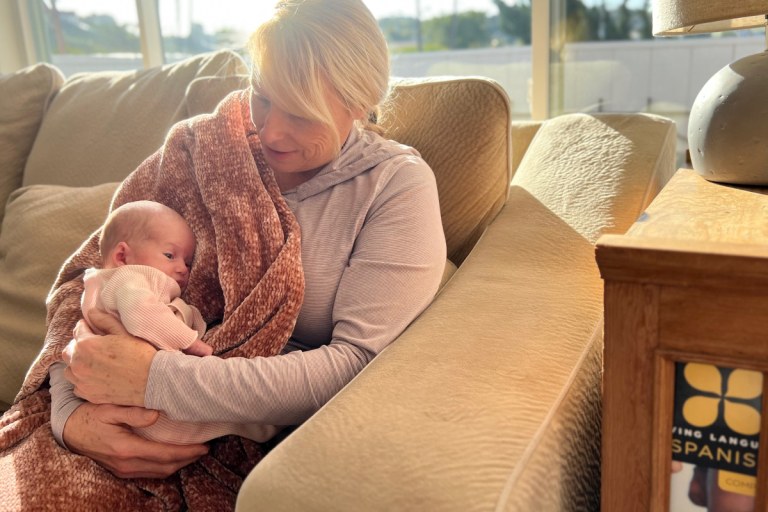
Bonding with a new baby can be one of the most rewarding aspects of infant care—whether you gave birth, worked with a surrogate, adopted or are showing up in another important role. But how do you actually build that bond?
According to KidsHealth, most infants bond immediately. For many birthing parents, this happens right away. Bonding can also build gradually—and that’s totally normal, whether you’re parenting by birth or adoption. The process may take more time for grandparents, aunts, uncles and close friends, but happens naturally with regular, open, loving contact—and it’s essential to a baby's healthy development.
“The first three months after birth is the period when your baby learns that their world is a safe place where they are loved and comforted, and where their needs are met,” says Dr. Joy Hong, pediatrician with ProHealth Physicians in Connecticut. “This period of secure attachment is the foundation for healthy social, emotional and physical growth.”
Whether you met baby the moment they were born or a little later on, the time you spend together—cuddling, talking, playing—is what builds your bond. It usually doesn’t require many instructions, but these tips can help you seal a loving connection with the new baby in your life, whatever your role. You’ll also find activities and ideas to make the most of your visits, whether in person or on FaceTime.
#1 Touch
Babies want to be touched and held from the moment they’re born. It’s the closest thing to the intimacy of the womb and baby’s primary way of connecting with the world until their other senses are more developed.
“Feeling warm, cozy and protected in your arms gives baby a feeling of security and comfort,” says Dr. Hong. She encourages lots of cuddling and gentle physical contact:
For parents of the baby, practice skin-to-skin contact, or hold baby close with your skin next to theirs. This is recommended during the first few hours after birth and when feeding or cradling baby in the first few months of life. “Providing nutrition and physical touch together lets your baby know their physical needs are met with love,” says Dr. Hong.
Swaddle newborns to recreate the secure feeling of being in utero.
Hold baby closely to the left side of your chest so they can hear your heartbeat. Let them snuggle into your neck and mold their little bodies to yours.
Carry them against your body in a sling or other cloth carrier.
Massage baby with gentle skin-to-skin contact and rhythmic pressure. Babies are especially sensitive on the palms of the hands, soles of the feet, and around the mouth, according to The Wonder Weeks, so give these areas special attention.
If you didn’t have the chance for skin-to-skin right after birth, that’s okay—these moments can happen anytime. Holding baby close, carrying them in a wrap or even offering a gentle baby massage are all ways to help build that physical closeness over time.
It's worth mentioning that if you’re eager to hold the new baby in your life and you’re not the parent, make sure the parents are comfortable with it first. It's always a good idea to ask. The same goes with any sort of physical contact.
#2 Eye Contact
Babies can’t see well at birth, but they immediately tune into human faces and quickly learn to recognize their parents. Nurtured Birth reports that within 6–8 weeks, babies will hold eye contact, intentionally looking into the eyes of the people who are closest to them. This is a cherished milestone that seals baby’s early emotional bonds and helps them feel more secure.
Be sure to look into baby’s eyes during feedings, and take advantage of moments when your eyes meet. Talk, sing, dance, smile, make faces and maintain your gaze until baby looks away. Mutual eye contact temporarily syncs your brain waves and helps baby begin to understand the link between words and feelings.
#3 Talk
Babies begin hearing sounds in the womb. Studies show that they can recognize the voices of parents at birth and are familiar with daily sounds, even the bark of the family dog!
Newborns also have a natural affinity for the sound of the human voice, and “the sound of your voice lets your baby know you are present for them,” says Dr. Hong. “It also helps brain and language development.”
So talk a lot, and say baby’s name. Tell them what they’re looking at and what you’re doing. Read simple stories. Speak in soothing, reassuring tones. Use baby talk and watch them gurgle and smile.
These first conversations are baby’s early lessons in the subtle art of communication. They’ll soon begin to babble, imitate sounds and turn their head in response to the voices they hear the most.
#4 Sing
Studies show that infants tune into singing even more than speech. They love the ups, downs and rhythms of musical tones. This is your permission to sing your heart out—when you’re in the car, making lunch or out on a stroll together—and don’t worry whether your voice is pitch perfect or out of tune. Baby will love it either way.
Play-songs like peekaboo and pat-a-cake that involve clapping, smiling and other forms of interaction can be especially engaging for babies. When it’s time for rest, a lullaby will soothe baby to sleep and show how much you care. Make it even more special by composing a song just for the two of you.
#5 Dance
Dance is another fun way to bond with your little one. You can gently rock or sway baby to the rhythm of music, bounce them up and down or dance with them in your arms. This movement is similar to being carried in utero, and provides the comfort and security of being held close. Bring your singing voice into the mix and baby is sure to be delighted.
#6 Respond
Baby’s cries, sounds and smiles are cues that they want or need your attention.
“Respond as much as possible for the first three months of life,” Dr. Hong says. “Your baby is learning that you will respond when they communicate a need or a want. This allows them to develop healthy emotional responses to their needs and wants.”
Don’t worry, you can’t spoil a newborn with attention. In fact, being responsive helps them build trust and feel secure. Instead, your warm and loving attention will cultivate a sense of trust that helps them form secure attachments. They’ll also tend to be happier and healthier.
Bonding from Afar
Even if you can’t be there in person, you can still build a beautiful connection with baby. Sometimes you can’t be there in person, and that’s okay. You may need to travel on business, or their grandparent may live in another state. Remote connections can be challenging, but bonding is entirely possible with effort and planning.
Schedule phone calls. Provide recordings of your voice talking or singing to baby, or give baby a recordable storybook of you reading the story. You can also plan video chats with tools like Zoom or FaceTime where baby can see you and hear your voice. Just remember that babies’ attention spans are short so your time together will be brief.
Video offers lots of fun ways to connect:
Do visual things. Flip through a picture book, share artwork, or wear a cute hat or seasonal “ears” that attracts baby’s attention.
Read a nursery rhyme or bedtime story.
Play Peek-a-Boo.
Sing endearing songs.
Give screen kisses.
No matter how you connect from afar, make your visits a regular event so they become part of baby’s routine. The more frequent your contact, the stronger the bond between you.
There’s no one right way to bond with baby—and perfection is not required. The best gift you can give your baby is you. However your journey to parenthood began, your love, time and care will stay with them for life.
