
The Absolute Essentials, “No Frills” Sample Baby Registry
These are the bare-bones basics of what you need to keep your baby safe and healthy.

By

Whether you’re building your baby registry from scratch or using a checklist, you might feel pressured to make sure you’re “fully prepared” with everything you need for baby—and what “everything” is depends on who you ask and what your family’s unique needs are. But at the very, very minimum, most babies need the same bare necessities. This sample registry pares it down to the absolute basics you need to keep your baby safe, healthy and thriving in the early months. (You may need more things once baby is closer to six months old, but for now, this is all you really need.)
Why trust my take on what defines an “absolute essential”? Along with being a Babylist editor for six years, when my first son was born, we were living below the poverty line. We relied on government assistance like WIC and SNAP—and the most basic baby gear to get by. Every item we brought into our home had to serve a specific (and often multi-functional) purpose, fit within a tight budget and hold up to everyday use. This sample registry reflects exactly that: no-frills, essentials-only product recommendations based on lived experience and professional expertise. These are the products I used (or wish I had used) to get through those early months without sacrificing quality, safety or peace of mind.
If you’re feeling the pressure of the rising cost of baby gear and trying to make your registry decisions based on a constantly changing economy, this sample registry has you covered. It’s designed for those who want to give their baby the best without breaking the bank or overcommitting to too much gear in limited living space. It focuses on quality baby basics that meet both practical needs and budget constraints, ensuring that new parents can feel confident in their choices without feeling overwhelmed or financially burdened.
On the Go

Topping this list as an absolute non-negotiable is an infant car seat—the hospital won’t let you leave without one. This car seat from well-loved budget-friendly brand Evenflo offers reliable safety features, including side-impact protection, at a low-end price. It's also lightweight and clicks easily in and out of compatible strollers and bases, making it super convenient for both quick errands and long road trips.
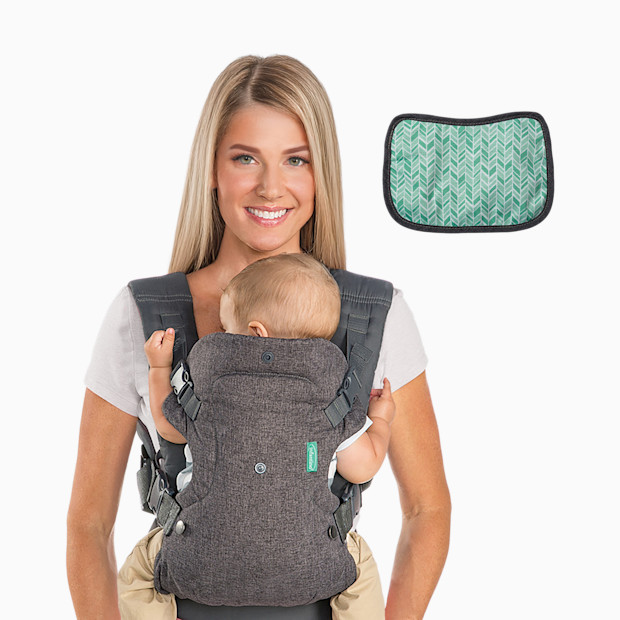
Infantino Flip 4-In-1 Convertible Carrier - Gray
From $25.49At the bare minimum, you only need one way to carry your baby while out and about. Whether you’re going for a walk or running errands, either a baby carrier or a stroller will do the trick. A baby carrier is much less expensive and way more portable, but it does come with a (literal) weight on your shoulders. This carrier from Infantino is well-padded and pretty comfortable, especially for the price point. Some baby carriers come with extras like built-in pockets or a hood to cover baby’s head, but the Infantino Flip keeps things to a minimum, which is perfect if you’re looking for “no frills” gear. And with four ways to carry, it’ll last you all the way through the toddler years. One thing to note is that the minimum weight is eight pounds, so if your newborn is smaller than that, you’ll have to wait until they’re big enough to ride in the carrier.
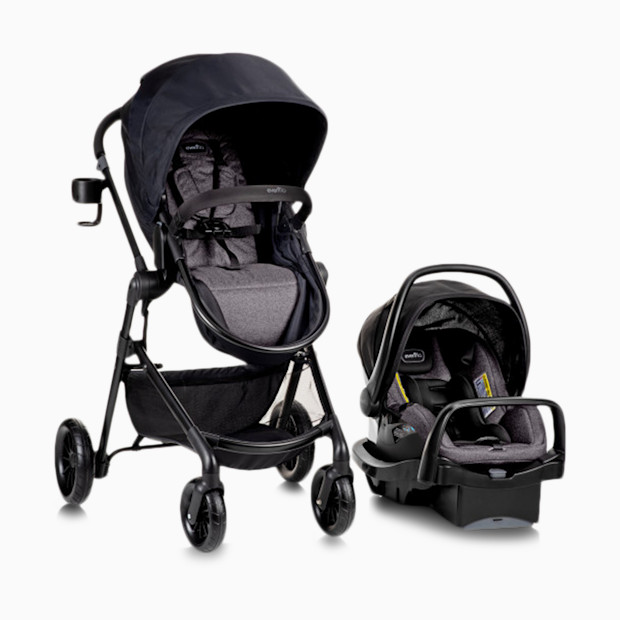
Evenflo Pivot Modular Travel System with LiteMax Infant Car Seat - Casual Gray
From $312.62If you’d rather have the ease and versatility of a stroller instead of a baby carrier, it’s much more cost-effective to get a travel system. Buying this infant car seat + stroller bundle from Evenflo saves you $80 versus buying the two products separately. You can use the infant car seat inside the stroller until baby is big enough to sit in the stroller seat itself (usually at six months old), or you can lean the stroller seat totally flat to use it in the infant bassinet setting, making this stroller last from birth all the way through preschool. The stroller also has extra goodies like a parent storage console, child snack tray and extra large storage basket.
Diapering

These Amazon-brand diapers strike a great balance between cost and effectiveness. They’re hypoallergenic and certified free of harsh chemicals, so they’re safe for even the most sensitive newborn skin. Their absorbency holds up well for heavy wetters, though they do tend to sag, even at just halfway full.

These are hands-down Babylist editors’ and parents’ favorite wipes. They’re unscented and gentle on sensitive skin, not to mention large, thick and durable enough that you’re not at risk of accidentally wiping baby with your bare hand. And you’ll use them for a long time—they're great for wiping sticky toddler hands and cleaning up coloring messes once your baby gets older.
One thing to keep in mind: These wipes are a Costco exclusive, so you'll need a membership to get them. An annual Costco membership is $65, which can feel like a luxury to some, but the savings you'll get (on more than just baby wipes!) may be worth it for your budget.
Nursery

All babies need a safe sleep space, and while many new parents opt for a bassinet to start, a crib will get you farther for your money—especially one that transitions into several stages, like this one. This crib transitions from a crib to a toddler bed, daybed and even a full-size bed, so your little one can use it for years (like, until they’re an adult). Compare that to the four to six months of use you’d get with a bassinet, with the length of time depending on the size of your baby—bigger babies means less time they can use the bassinet.
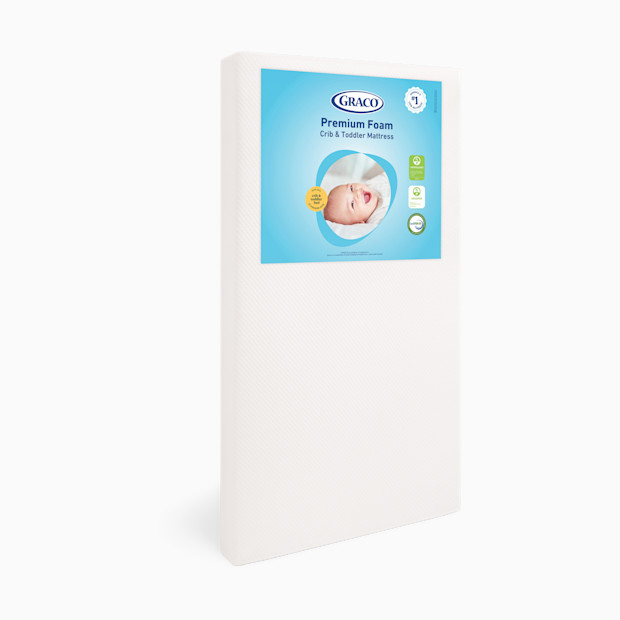
Graco Premium Foam Crib & Toddler Mattress - White
From $99.97If you’re getting a crib, you also need a crib mattress. This one has a machine-washable outer cover, so you don’t even need crib sheets.
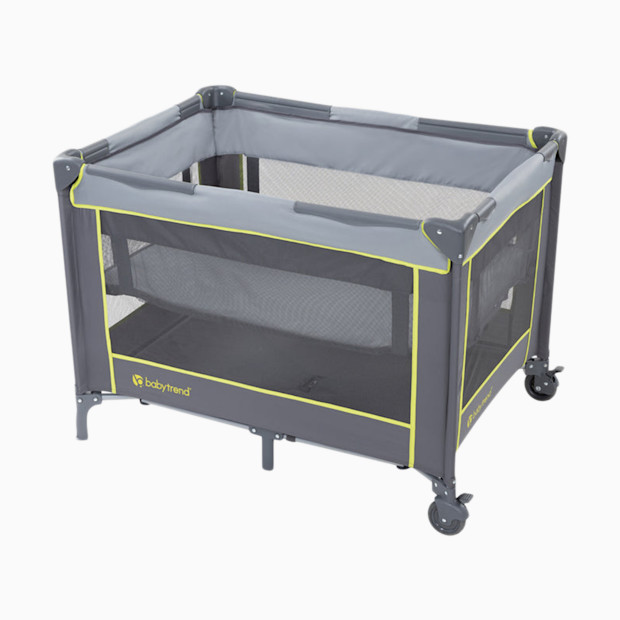
Baby Trend Portable Playard with Bassinet - Twinkle Lime
Playards are often less expensive than traditional cribs and bassinets, though the bassinet attachments typically have a lower weight, height and age limit than regular free-standing bassinets. But the good news is that you don’t have to worry about having two separate pieces of furniture—once baby outgrows the bassinet portion, just remove it and have them sleep in the lower part of the playard. It works just as well as a crib, only (much) lower to the ground. Playards are also way more portable than cribs, so you can move baby’s sleep space from room to room as you need to (this comes in especially handy if you don’t have a baby monitor), and they’re great for travel, like if you’re visiting the grandparents.

Swaddles are essential for helping your baby sleep. They keep baby feeling snug, secure and warm—without them, baby is much more likely to wake themselves up (thanks to that newborn startle reflex) and end up overtired and fussy. If you loved the cotton swaddle blanket that baby got in the hospital or birthing center, then great news: you can find the same ones (though probably with a different pattern) online for less than $5 each.
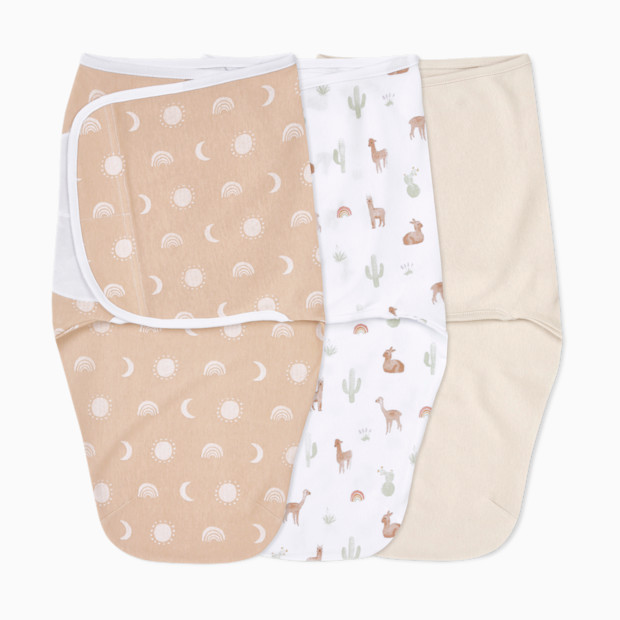
Aden + Anais Essentials Cotton Wrap Swaddles No Zip (3 Pack) - Desert Sun, 0-3 M, 3
From $34.95If you’d prefer something a little faster and easier to wrap, these winged hook-and-loop swaddles stay secure with no need for swaddle origami. This three-pack is enough to last you about a week before needing to do laundry (barring any blowouts, of course).
Feeding
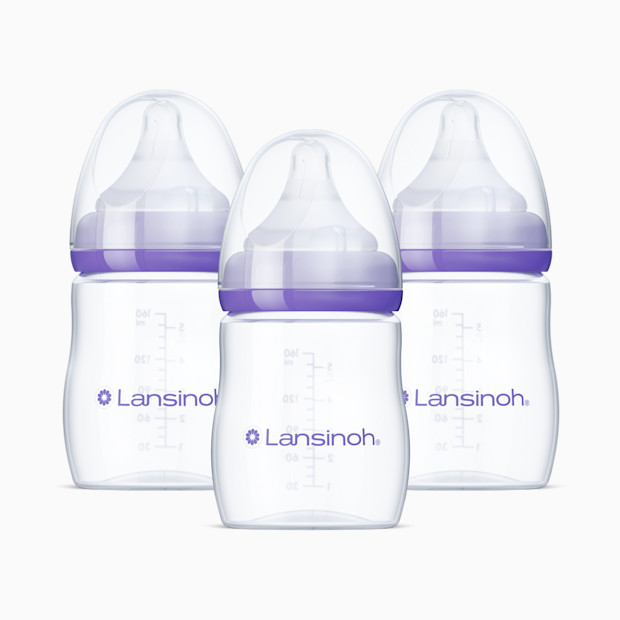
Lansinoh Anti-Colic Baby Bottles - 5 Oz
From $18.69Even if you’re breastfeeding, it’s a good idea to have at least a couple of bottles available just in case there are changes with your nursing. And while there are even more basic bottles out there, these ones have a venting system that helps reduce colic and gas (for really not much more cost than non-vented bottles). They work well whether you’re pumping, using formula or combo feeding, and the wide neck makes them easy to clean.
Health + Safety

Depending on where you give your baby a bath, you only need either an infant tub (to go in your full-size tub) or a sink insert (to go in your kitchen sink). This infant bathtub includes a mesh sling so you can use it with your newborn, and the spacious tub base works well for that in-between stage when baby is still too small for the full-size bathtub but too big for the sling.
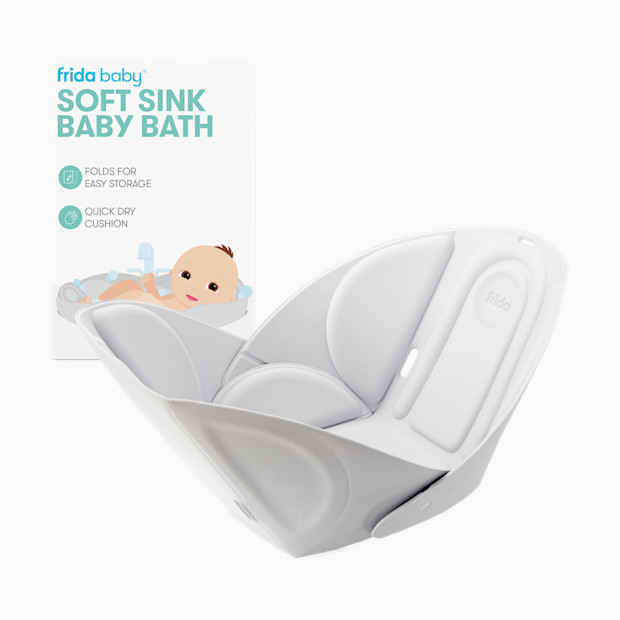
Frida Baby Soft Sink Baby Bath
From $29.99If you don’t have a bathtub in your home, or if you’d just prefer to use your kitchen sink, this plush insert turns any standard-size sink into a safe, newborn-friendly bath space. The insert dries quickly and folds up for easy storage, so it’s also a great option if you’re tight on space (which most infant bathtubs aren’t).
Clothing
Babies need clothes, but that doesn’t mean you have to spend money on them. By putting on your baby registry that you’re open to secondhand clothing, you give your friends and family the opportunity to share some of their own best-loved baby clothes with your little one. It also gives your gift givers the green light to shop sustainably at secondhand stores, which can be a gold mine of brands that are usually much pricier.

Getting a week’s worth of footie pajamas can save you money by not needing several separate pieces of clothing. They do the job of a bodysuit/shirt, pants and socks. And at about $5–6 each, these bundle packs from Gerber are a perfect starting place for baby’s wardrobe. This set comes with four footies, so for a week’s worth of clothes, plan on needing about two or three bundles for a total of eight to 12.
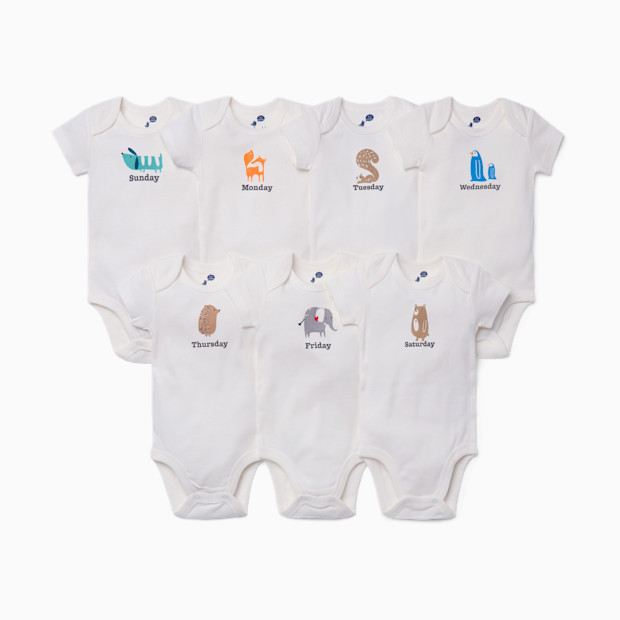
Small Story Days Of The Week Bodysuits (7 Pack) - Animal Friends, 0-3 M
If the weather is warmer, then just a short-sleeved bodysuit will do. These bodysuits are made with 100% GOTS-certified organic cotton—without the typical organic clothing price tag.
What about other baby essentials?
There are plenty of long-term-use items that you don’t really need to put on your registry or worry about spending money on, like certain baby healthcare basics. If your baby is born at a hospital, you can get a nasal aspirator, nail clippers, diaper cream, pacifiers and a thermometer typically free of charge. You can also ask your pediatrician for these items.
You may also notice that I left out some items that are typically on “must-have” lists, including:
Baby monitor. You can forgo a baby monitor if your home is really small or if you keep baby in the same room as you for nap times (the American Academy of Pediatrics recommends that baby sleep in the same room as you at night, at least for the first six months).
High chair. Your baby won’t need a high chair until they’re closer to six months old.
Burp cloths. Traditional baby burp cloths are cute, but honestly not totally necessary as long as you have towels around. Something around the size of a hand towel will work just as well.
Toiletries. Baby soap and shampoo is formulated specifically for sensitive skin, but you can get by using just about any sensitive soap and shampoo. Just make sure it’s free of dyes, fragrances, parabens, phthalates and any other harsh chemicals.
Playmat. Tummy time is a must when it comes to your baby’s development, but you don’t need a specific playmat for that. A soft blanket on the floor works just fine, especially if the blanket has interesting patterns that baby can focus on.
Swing or bouncer. The main purpose of these is to provide a safe place to put your baby down and give them some sensory stimulation. If you have a playard or a crib, that’s a good enough place to set baby down if you need, or you can pop them in a baby carrier to get a few chores done hands-free.
Changing pad. Just like with a playmat, a blanket on the floor will do just fine as a safe and comfortable changing pad for your baby.
Toys. For the first year or so, babies will play with just about anything. Toys can be great items to receive secondhand, but your little one will also be just fine pulling tissues out of a Kleenex box, sorting through Cheerios or banging on pots and pans with a wooden spoon.
While these are all definitely nice to have, and your baby will get use out of them, they either aren't essential for the first few months or can be replaced by other things you have already. When you're building a registry on a budget, it helps to focus on what will get daily use in those first few months and what you absolutely can’t go without. Everything else can wait—or might not even be necessary at all.
