
Key Nutrients to Know for Baby’s First Bites
How to bring essential nutrients and new flavors to their early meals.

By

Once your baby starts solids, familiar words like iron and zinc can suddenly come with a lot of questions. You know they’re important for growth, but what does that actually look like on the spoon?
The good news: you don’t need to memorize a nutrition textbook to make every meal perfectly balanced. From about 6 to 12 months, breast milk or infant formula will remain your baby’s main source of nutrition as foods gradually take on a bigger role. Many babies are ready to begin solids around six months, once they can sit with support, control their head and neck and swallow food instead of pushing it back out.
That’s when you can introduce foods, flavors and textures that contain iron, zinc, fats and other essentials to their diet. To help you translate all of that into foods you can actually serve, we’ve teamed up with Gerber to show how foods can provide some of the building blocks babies need, whether mealtime comes from your kitchen, Gerber foods or a little of both.
1. Zinc for growth and immune support
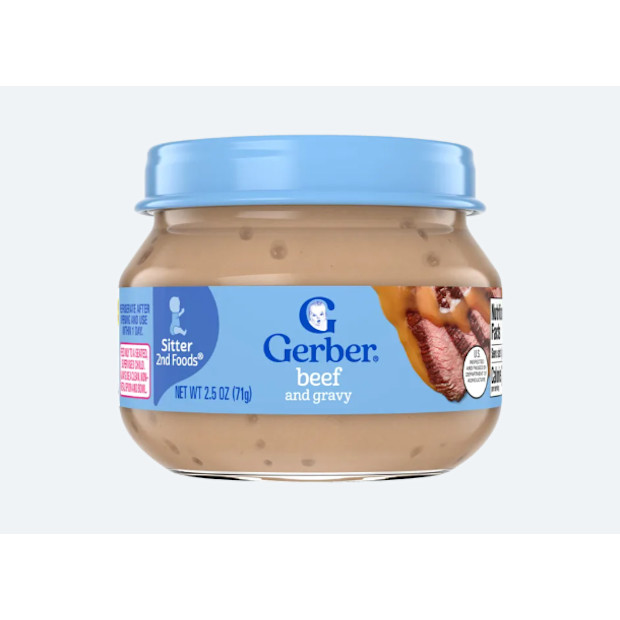
Zinc is a mineral that helps support growth, immune function and wound healing—all useful during a stage when your baby is growing and developing quickly. Once solids enter the picture, beef, turkey, yogurt, beans and lentils can all help bring zinc to the spoon.
Depending on your baby’s feeding skills, that could mean a smooth meat purée, mashed beans, plain whole milk yogurt or soft lentils. Beef and turkey also provide iron, so look out for foods that can give babies double the nutritional benefit.
Add to your menu: Babies between 6 and 12 months need about 3 milligrams of zinc daily, so zinc-fortified infant cereals and purees that include meat can be one easy way to include it in your baby’s diet.
2. Iron for brain development and growth
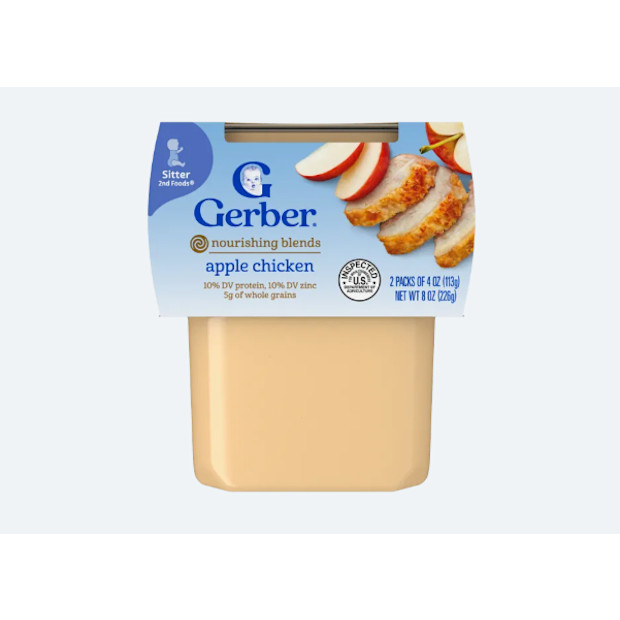
Iron helps red blood cells carry oxygen throughout the body and supports brain development, immune function and growth. Babies’ iron needs become especially important to consider at around six months, although their individual needs can vary depending on whether they drink breast milk, formula or both.
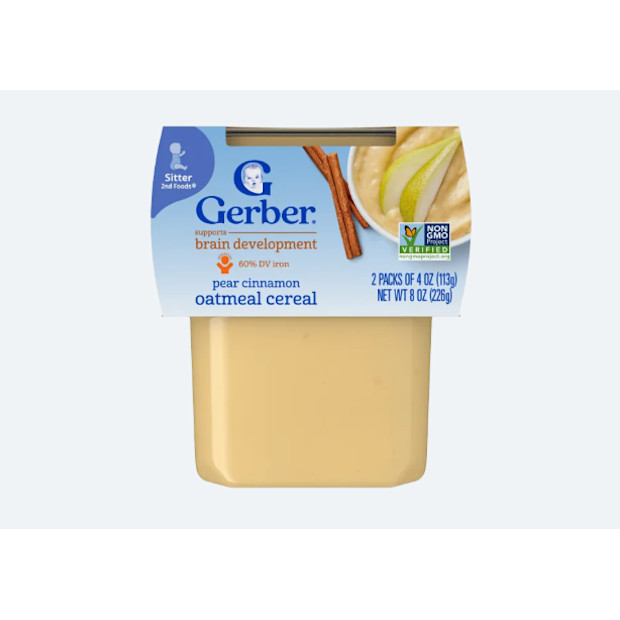
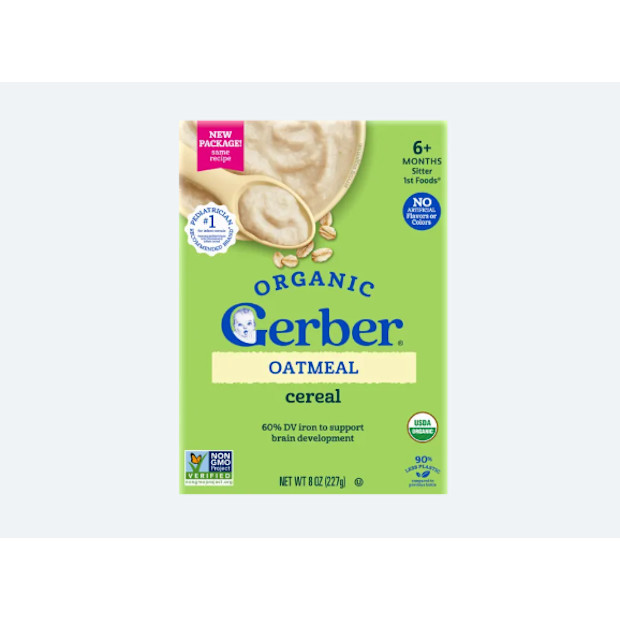
Beef, turkey and chicken contain heme iron, a form the body absorbs readily, while iron-fortified infant cereal offers non-heme iron in a texture that can be easily adapted for early eaters. Pairing cereal with a vitamin C–containing fruit or vegetable, such as berries or sweet potato, can help the body absorb its iron.
Add to your menu: Gerber iron-fortified infant cereals can be mixed thinner or thicker to suit your baby’s developing feeding skills. Because they’ll need about 11 milligrams daily between 6 and 12 months, Gerber fruit-and-cereal purées are another option, combining fortified cereal with recognizable fruits in one spoonful.
3. Fats for energy and nutrient absorption
Fat plays a few important roles for babies: it provides energy and essential fatty acids during a period of rapid growth, and it helps the body absorb vitamins A, D, E and K. Avocado, salmon, whole milk yogurt, smooth nut butters and oils are all ways to introduce fat alongside different flavors and textures.
Keep in mind: How these foods are prepared matters. Avocado might progress from a smooth purée to a thicker mash or soft piece as your baby’s skills develop. Salmon should be thoroughly cooked, carefully checked for bones and served in an appropriate texture. Because a spoonful of nut butter can be sticky and difficult to swallow, thin it before offering. Ask your pediatrician about introducing peanut or other potential allergens if your baby has severe eczema, an egg allergy or another known risk factor.
Add to your menu: Gerber purées made with avocado and meals made with healthy oils can help bring fats into the rotation to help you reach the recommended 30 grams of fat per day for the 6 to 12 month stage.
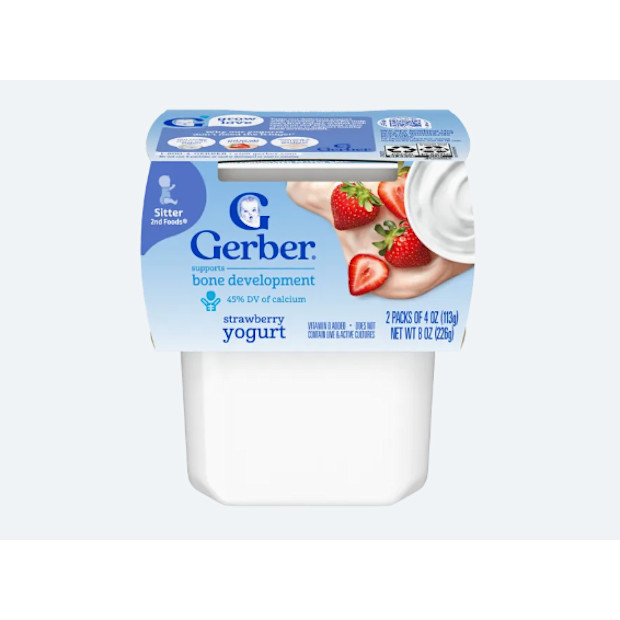
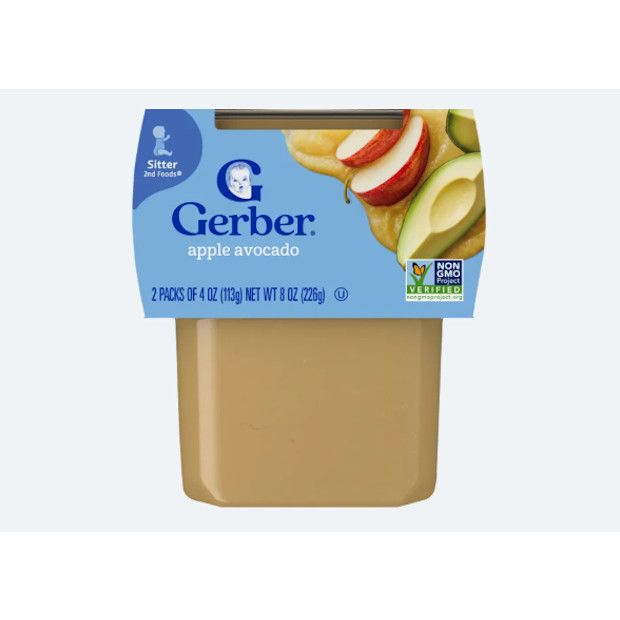
4. Colorful produce for flavor and variety
Colorful produce isn’t technically a nutrient, but it is a simple way to think about offering variety from the vitamin-packed fruit and vegetable food groups. Sweet potatoes, carrots, peas, green beans and spinach each provide their own combination of nutrients, flavors and textures.
You might serve pureed sweet potato at one meal, mashed peas later in the week and soft-cooked green beans when your baby is ready to pick up food. Each experience helps your baby become familiar with different foods (even if the first few tastes are met with baby skepticism).
Add to your menu: Gerber fruit and vegetable purées make it easier to introduce a variety of produce in stage-appropriate textures. Single-ingredient options let babies explore one flavor at a time, while combinations can help expand their developing palate. Start with 1-2 teaspoons of fruits and veggies a day at 6 months working up to a total of 3 cups by 12 months.
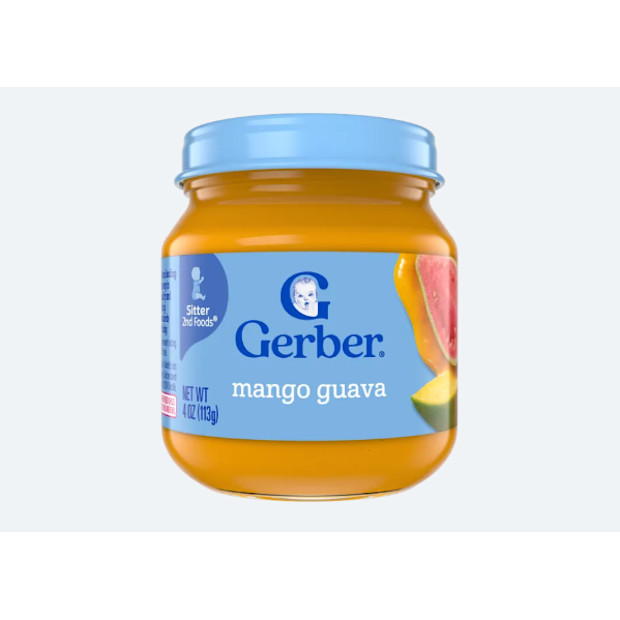
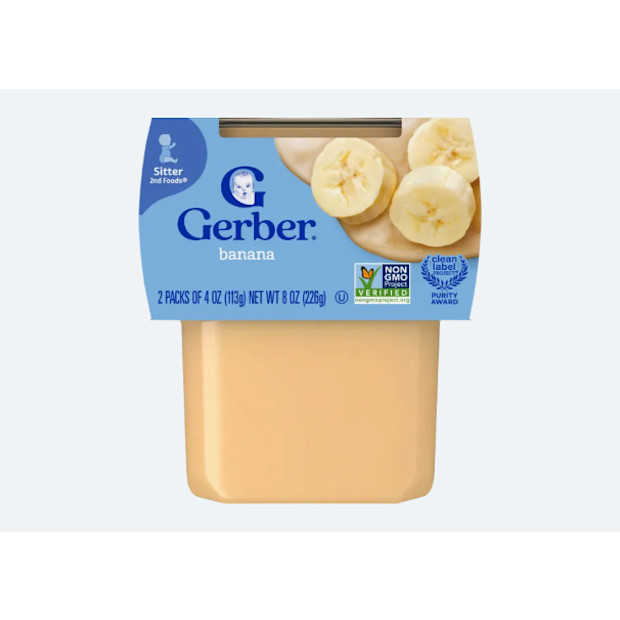
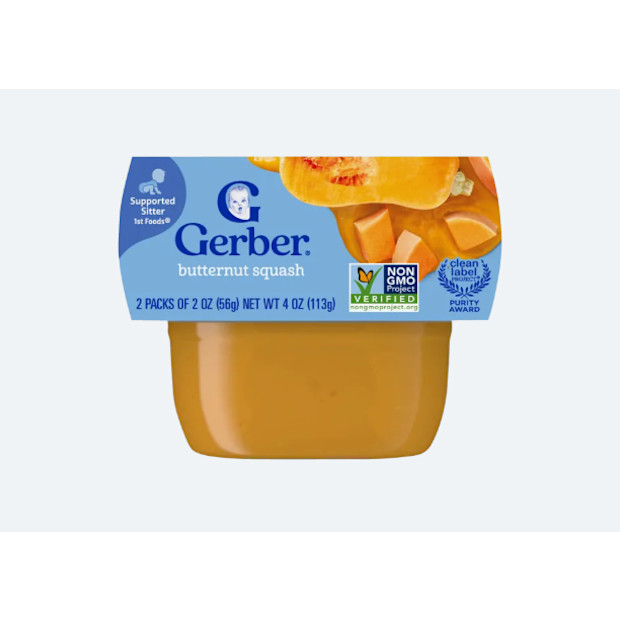
Remember: Your baby’s pediatrician is always the best resource for guidance tailored to their individual needs and by focusing on familiar foods , offering textures that match their feeding skills and building variety over time, you can feel confident that each spoonful is helping them learn and grow. Whether you’re cooking from scratch, reaching for Gerber or doing a little of both, there are plenty of ways to give your baby what they need.
This article is sponsored by Gerber. Babylist’s free site, apps and emails are made possible by our sponsors. We limit our sponsored content to relevant partners that offer products and services we believe in and use ourselves.

;)
;)
;)
;)
;)
;)
;)
;)
;)