
Meal Trains, Freezer Stashes, & Delivery: How to Get New Parents Fed
You just had a baby. Here’s how you’re going to eat. (Trust us. You'll be happy you had a plan.)

By
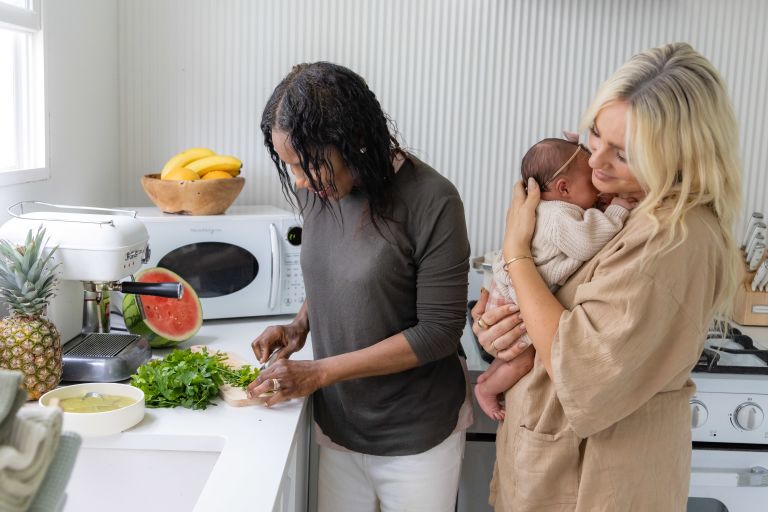
When your baby is born, you’ll hear a lot about how they need to be fed (amounts, times of day, breast milk and formula, etc). But equally as important is how you get fed, which can be surprisingly hard in the newborn days. Between round-the-clock newborn care, physical recovery if you’ve given birth, sleep deprivation and total schedule upheaval, meals often become an afterthought—right when your body and brain need nourishment the most.
That goes for both parents. The stress and extra physical demands of tending to a newborn mean that every caregiver needs proper fueling. And if you’re breastfeeding, you need about 300–400 extra calories per day to maintain your milk supply.
The good news: You don’t have to do this alone. From meal trains organized by loved ones to freezer stashes, meal kits and food delivery apps, there are lots of ways to make sure you’re fed during the first few weeks with a new baby.
You might lean on a meal train for several dinners a week, keep freezer meals for emergencies, use delivery on especially hard days, add meal kits once cooking feels possible again and ensure snacks are always on hand to fill the gaps.
Thinking in layers can help. If one option falls through, another is there to catch you. That redundancy and abundance isn’t indulgent, it’s practical. Think of this as a choose-your-own-adventure for staying nourished in the newborn days.
Meal Trains: Letting People Show Up for You
A meal train can be one of the most effective and meaningful ways to get food support as a new parent. Instead of vague offers of help, a meal train gives family, friends and coworkers a clear, tangible way to contribute during a time when decision-making can feel overwhelming.
Meal trains are exactly what they sound like: a steady stream of fresh meals (either home-cooked or restaurant-ordered) delivered over a designated period of time, so there’s no pressure on the receiving end to cook, plan or grocery shop. It essentially takes all the pressure of feeding themselves off the new parents’ shoulders, especially if someone else is organizing the meal train.
The most successful meal trains are thoughtfully planned. Spacing meals out over two to four weeks is often more helpful than receiving several dishes at once in the first few days home. Whoever is organizing the meal train will need to gather the new parents’ dietary needs, food preferences and any allergies upfront, as well as preferences for meal drop-off (to make sure no one takes it as an invitation to stay and visit the new baby). Some parents may prefer porch drop-offs or contactless delivery, especially early on, when hosting—even briefly—can feel like too much.
That said, there’s an awkward reality many expecting parents run into: meal trains are wonderful, but it can feel uncomfortable to ask for one. If you’re worried about seeming needy or imposing, you’re not alone—and you’re certainly not the first parent to run into this.
We asked Babylist parents how they navigated this, and a clear theme emerged: most people want to help, but they need direction. In many cases, the solution wasn’t a dramatic ask—it was simply naming the need out loud. That could look like:
Looping in a third party. One Babylist parent asked her sisters to set up a meal train for her family and even provided a list of who to include. In her words, they weren’t unwilling—they just didn’t realize meal trains were “a thing,” especially since they didn’t have kids themselves. Another parent asked her partner to reach out to a close friend about organizing a meal train. Having someone else take the lead can remove the pressure.
Throwing a meal train-specific party. One parent threw herself a nesting party with the explicit goal of stocking the freezer—a built-in way to gather support without having to ask for meals later.
Sharing it in your registry. Including a meal train link in your pregnancy announcement or even adding it to your registry gives people a clear way to show up without putting you in the position of asking individually.
If asking still feels hard, remember this: people who show up with food are almost always grateful for the direction. You’re not asking for too much—you’re giving your village a clear, practical way to care for you when it matters most.
Freezer Stashes: Prepped Meals You Can Reheat Anytime
Freezer meals might be the most well-known food option in the postpartum period, simply because they’re reliable. Unlike meal trains or delivery, they don’t require coordination or timing, aside from dedicating time in advance to prepping them before baby arrives. But after baby comes, it’s all about heat-and-eat. They’re also the perfect option if other meal plans fall through, since they’re already there, ready to go in your freezer.
Meals that freeze and reheat well tend to be hearty, easy-prep comfort foods like soups and stews, casseroles, chili, lasagna and other pasta bakes, enchiladas or shepherd’s pie. But they don’t have to just be dinners; breakfast items like burritos, muffins, banana bread, breakfast sandwiches and breakfast casseroles come in clutch for those mornings after a sleepless night.
You might also consider stocking freezer-friendly proteins like meatballs, shredded chicken or pulled pork, which can quickly be turned into multiple meals (especially sandwiches) with minimal effort.
Looking for inspo? We asked real Babylist parents in our newsletter to send us their favorite postpartum freezer meal recipes, and here’s what they recommend:
But how do you actually make freezer meals happen? Some parents batch-cook on their own during pregnancy, especially if their family leave starts before baby arrives or if they have a quieter stretch in the third trimester. Even setting aside one or two afternoons to double recipes you’re already making can slowly build a stash without feeling overwhelming.
Just like meal trains, freezer meals are also something you can ask for help with. Friends or family members who want to support you but aren’t able to coordinate schedules for fresh meals may be happy to drop off freezer-friendly dishes instead. Some parents explicitly request freezer meals as part of a meal train, while others include it as guidance when loved ones ask how they can help.
Whether you prepare freezer meals yourself during the third trimester of pregnancy or accept them from friends who ask how they can help, it’s helpful to think about practicality. Single or double portions are often more useful than large family-sized trays, and clearly labeling reheating instructions can save precious mental energy later. You don’t need to have enough of a stash to cover every single meal during those first few weeks, but having a reliable rotation on hand can make hard days feel much more manageable.
Meal Kits: Real Meals Without the Planning
Meal kits can be a helpful compromise between full-on cooking and complete reliance on takeout, especially if you don’t have a lot of nearby support who can provide a meal train. They remove the need for meal planning and grocery shopping while still letting parents enjoy a fresh, home-cooked dinner.
Popular options include:
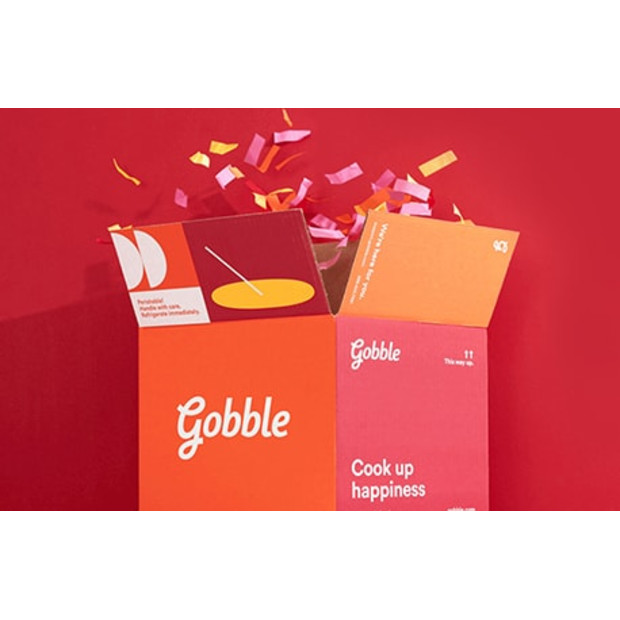
Gobble: Designed for speed, with ingredients coming already prepped so most meals are ready in about 15–20 minutes (really!).
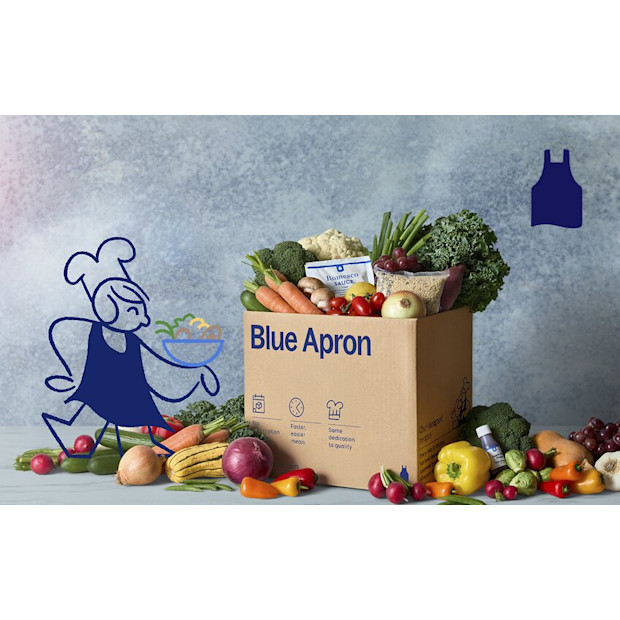
Blue Apron: Chef-designed recipes with seasonal, farm-fresh ingredients, ideal for parents who enjoy cooking but want the planning done for them (you’ll need to do all the prep yourself). And as a bonus, you don’t need a subscription plan to order.
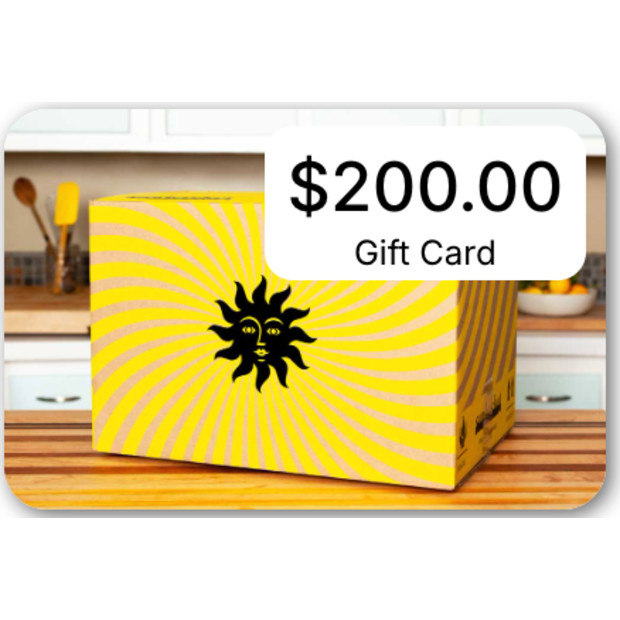
Sun Basket: With a focus on organic ingredients and health-consciousness, Sun Basket offers a ton of options for different dietary preferences, plus some heat-and-eat meals for extra flexibility.
HelloFresh: A great family-friendly option with quick, straightforward recipes that fall on the more basic side (a good pick if you’re not looking for anything fancy). Some ingredients come prepped, but others require you to prep yourself.
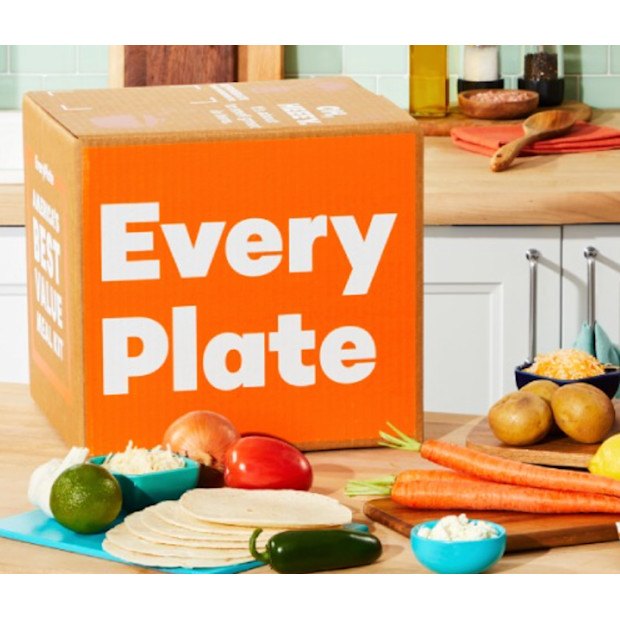
EveryPlate: If you’ve got decision fatigue, good news: there are only 25 recipes to choose from with EveryPlate. It’s also the most budget-friendly option from our editor-recommended list.
Marley Spoon: Known for its large weekly menu and globally inspired recipes, this is a good choice for those with broad palettes. It’s one of the more expensive options though, and some meals need nearly an hour to make.
Meal kits often work best once the newborn haze starts to lift, about three-ish weeks in, providing structure and reliable dinners without requiring much mental energy (and only a little bit of physical energy, depending on how much cooking your meal kit requires).
The downside: They cost more money than meal trains or freezer meals. That might be a reason to consider adding meal kit gift cards to your baby registry, so your village can still provide you with nutritious meals, even from far away.
Food Delivery Services: When You Need Minimal Effort
Newborns have a lot of demands, and there will be days (maybe many of them) when cooking simply isn’t realistic. Food delivery services remove multiple steps at once, making it easier to eat regularly even when time, energy and attention are in short supply. The main caveat is that restaurant takeout and grocery delivery costs more money than homemade options, so it may not be feasible to take this option daily for the first few weeks—but it’s still helpful to know that the option is there.
These are our favorites:
DoorDash: A go-to for restaurant and fast food delivery, with wide availability and the ability to save favorite meals ahead of time.
Grubhub: Another favorite for both restaurants and fast food joints, plus you can get GrubHub+ benefits for free if you have an Amazon Prime membership.
Uber Eats: A widely popular restaurant delivery service, especially in larger cities, with options ranging from fast food to local favorites.
Caviar: Best for when you want something a little more upscale, with a curated selection of higher-end eateries in select areas.
Instacart: Ideal for grocery delivery from (most) of your local stores, but it’s also great for general retail shopping if you need some skincare or home supplies along with your food. And for extra convenience, Instacart recently partnered with Uber Eats, so you can get your shopping list and restaurant orders all in one app.
Amazon Fresh: Convenient grocery delivery for Prime members, with quick access to everyday essentials. It’s like shopping at Whole Foods or your local supermarket, but directly from your Amazon account. And fresh delivery is as fast as just one to two hours.
And just like with meal kits, you can register for food delivery gift cards to help ensure you have funds ready to go in your account before baby arrives (so you can just order whenever you need to, even if you’re a zombie running on two hours of sleep).

Snacks: The Unsung Heroes of the Newborn Phase
While full meals are important, snacks can often be what carries new parents through the day (and night) in the earliest weeks. Newborn care frequently happens one-handed and in short windows of time, so quick, easy-to-eat snacks can really come in handy.
Snacks help bridge the gaps between meals, keep energy crashes at bay and make overnight feeds more bearable. This is especially true if you’re breastfeeding or pumping, since your body is doing the extra work of producing milk and needs consistent fuel throughout the day. Many nursing parents find that eating something small every time they feed baby helps them stay energized and keeps their milk supply steady.
Some snacks are particularly popular among breastfeeding parents because they include ingredients associated with supporting milk supply, like oats, nuts and healthy fats. It can be helpful to think of these snacks as part of your baby’s feeding plan.
Keeping snacks within arm’s reach—by the bed, on the couch or in your diaper bag—can make a real difference. Many parents swear by stocking their nursing cart with shelf-stable snacks so they can eat while feeding baby, especially during long overnight sessions.
The snacks that’ll go the distance energy- and fullness-wise are ones that combine protein, carbs and healthy fats, like:
Protein bars
Trail mix, nuts or nut butter packs
Yogurt or cottage cheese
Cheese sticks or Babybel-style cheeses
Whole grain crackers with hummus or guacamole
Whole grain toast, muffins or quick breads (like banana or zucchini bread)
Pre-washed, ready-to-eat fruit and veggies (even easier if they’re pre-cut)

;)
;)
;)
;)
;)
;)
;)
;)
;)
;)
;)