
Can Eating Lactation Cookies Boost Your Breast Milk Supply?
We dug in to the cookies (and talked to experts) for answers on their effectiveness.

In This Article
Breastfeeding is an incredible journey, but let’s be honest—it can sometimes feel like a full-time job. If you’re looking for a little extra support in the milk supply department, you’ve likely heard about lactation cookies. These delicious treats aren’t just a sweet snack; they’re made with ingredients that can help boost milk production.
In addition to being Babylist’s assistant editor, I’m also a certified lactation counselor who breastfed both of my babies for a total of three years. I know firsthand how nervewracking it can be to wonder if you’re making enough milk for your baby, and I tried my fair share of lactation cookies in an effort to increase my breast milk supply.
If you’re also wondering whether lactation cookies are worth your time, I talked to two lactation professionals for an expert POV: Lina Bublys, a pediatric registered nurse and international board certified lactation consultant (IBCLC) and Shalini Shah, a full spectrum doula and IBCLC. I also taste-tested several store-bought brands in the name of research.
So, what’s the science behind lactation cookies, and do they really work? Here’s the deal.
What are lactation cookies?
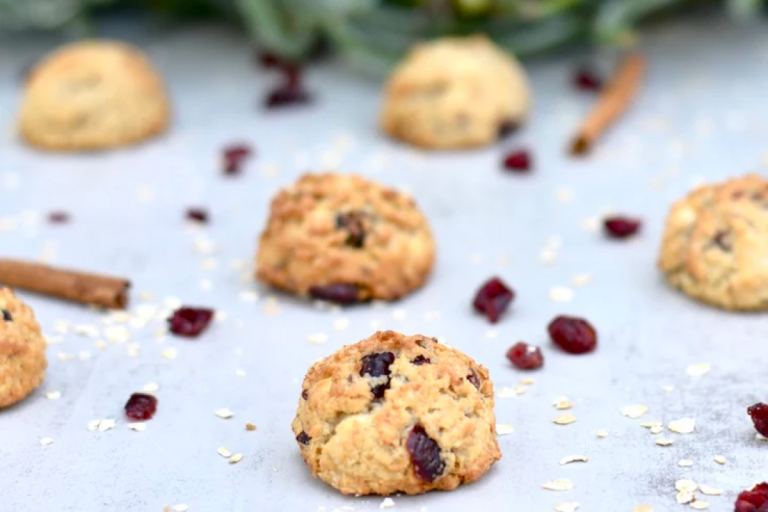
As the name suggests, lactation cookies are just cookies made with certain key ingredients that lend a hand in breast milk production—aka galactagogues. While this may sound like some kind of outer space creature, it’s just the scientific word for any substance that can help increase breast milk production.
You’ve likely heard of most of these ingredients: “Oats are often considered the star ingredient because they are rich in iron and fiber, both beneficial for lactating individuals. Flaxseeds contain omega-3 fatty acids and lignans, which are thought to support hormone balance. Brewer’s yeast, which is rich in B vitamins and proteins, has been used for centuries as a galactagogue,” says Shah.
Sometimes included in lactation cookies, fenugreek is an herb used to increase milk supply, though it can affect some people’s digestion or breast milk flavor. It has a slight nutty, sweet flavor similar to maple syrup.
So how do these galactagogues equal more breast milk? As the main ingredients in lactation cookies, they're thought to help stimulate milk production by supporting hormone levels related to lactation and providing additional nutrients needed for breastfeeding.
Types of Galactagogues
There are a few different types of galactagogues, and most fall into these two categories:
Herbal. These are most often found in teas and supplements. Fenugreek is one of the most popular herbal galactagogues. It is thought to support milk supply by stimulating prolactin, a hormone essential for lactation.
Food. Quite a few “everyday foods” can be beneficial for lactation. The ones you’ll typically find in lactation cookie recipes and ingredients lists are those oats, flaxseeds and brewer’s yeast.
Let’s not forget what lactation cookies really are—a cookie! In addition to galactagogues, they contain most of the usual cookie ingredients like flour and sugar. And any added extras like nuts, dark chocolate, coconut, or dried fruit both contribute to the taste and nutritional profile of the cookies but typically don’t impact milk supply. They just make them taste yummy!
Do lactation cookies really work?
While scientific evidence on the effectiveness of lactation cookies is limited—and not all breastfeeding parents who eat them experience a noticeable increase in milk production—many find these cookies helpful and tasty supplements to their breastfeeding routines. “They're best seen as a complementary aid, rather than a miracle solution," says Shah. “Eating a well-balanced diet, with a variety of nutrient-rich foods, is key to supporting both your milk production and your health as a lactating parent.”
Beyond potential milk-boosting benefits, “lactation cookies can be a nutrient-dense snack, [since they often contain] essential calories and nutrients that support overall health and, in turn, milk production,” says Shah. Making milk requires a lot of energy and resources from your body and lactation cookies can help provide an extra boost of nutrition.
When will I notice results, and how can I tell?
If you want to incorporate lactation cookies into your diet for a little boost, you may wonder when you can expect results. The time it takes to notice any differences in supply will vary from person to person. In general, you may be able to see a difference in about a day after eating them.
Even if you don’t notice any significant difference, there’s no harm in eating lactation cookies. “Enjoy! A cookie is never a bad idea,” says Bublys. And how many cookies should you eat to see results? If you’ve got store-bought cookies, follow the serving suggestions on the package. If you’re making them at home, one or two a day is a good place to start. There isn’t really any way to overdo it—eating a bunch isn’t likely to cause an oversupply.
It can be hard to gauge whether lactation cookies are working, especially if you’re not regularly pumping. Here are a few things Shah says to look for:
Expressing more milk during feeding or pumping
Breasts feel fuller between feeds or pumping
An increase in soiled diapers or weight gain for baby
If I don’t notice an increase in supply, what else can I do?
If you're experiencing a low milk supply, there are a few different things you can try, but the most important step is to reach out for help from a lactation professional. Whether you’re still pregnant or your baby’s arrived, getting support from an IBCLC works wonders for setting you up for success and troubleshooting along the way.
Other supply-boosting products on the market include lactation brownies or smoothies with galactagogue ingredients that are about as effective as lactation cookies.
There are also lactation supplements available in various forms—pills, powders or teas—and they often include concentrated doses of galactagogues like fenugreek, fennel, moringa, blessed thistle and goat’s rue.
Bublys says she’s seen supplements be more effective than cookies at boosting milk supply, likely due to the more concentrated ingredients. Plus, the “dosages [tend to be] exact and consistent,” she says.
But if you do decide to try out a supplement, Shah advises taking them under the supervision of an IBCLC. “Some supplements, particularly those with concentrated herbal ingredients, can have side effects or interact with medications and an IBCLC can help guide you to the right choice based on your individual needs and health [history].”
Both Shah and Bublys say the most effective way to influence a supply increase is skin-to-skin contact with your baby combined with frequent nursing or pumping.
Where to Get Lactation Cookies
Store-bought lactation cookies
You don’t need to become the next baking champ to get your hands on quality (and tasty) lactation cookies. While there are a bunch of recipes out there that even the most inexperienced chef couldn’t mess up, quite a few brands offer nutritious lactation cookies. Store-bought lactation cookies are also super convenient for busy parents in the haze of the fourth trimester. “Many commercial brands offer lactation cookies with similar ingredients and often have the added benefit of being tested for quality, consistency and taste,” Shah says. Bublys recommends reading labels carefully to make sure you see those galactagogue ingredients if you’re purchasing lactation cookies.
Here are a few store-bought lactation cookies that I tried and loved:
MilkyMama Salted Caramel lactation cookies - All of the flavors (including this one) taste really good and come individually packaged.
Heavenly Hunks Organic Oatmeal Dark Chocolate Chip Bites - These are more like oatmeal cookie bites and are pretty filling.
Munchkin Milkmakers Lactation Cookie Bites - I tried the chocolate salted caramel flavor and they were a bit crunchy but good. A whole pack is one serving; snack away!
Make your own lactation cookies
I taste-tested a bunch of different lactation cookies over the years—and more recently while writing this piece—and if you have the time, the homemade variety can be the tastier way to go. “The benefit of making your own is that you have complete control over the ingredients, which allows you to tailor the recipe to your taste preferences and dietary needs,” says Shah. You can find easy recipes online to make before your baby arrives and freeze the dough or cookies themselves for later. Here are a few:
How Sweet Eats for chocolate chip lactation cookies
Eating Bird Food’s lactation cookie recipe is vegan, gluten, dairy and soy-free
This is also a really informative recipe!
Find a postpartum meal service
When I was breastfeeding my second, I stocked up on a bunch of packs of lactation cookies from a local postpartum meal service called Kitchen Doula in the Bay Area (which delivers to much of the West Coast). Their oatmeal white chocolate cookies were truly delicious and packed with ingredients I felt good about putting in my body (thus my baby’s milk). I would highly recommend finding something similar in your area if you can (I Googled postpartum meal delivery services in my area and also looked around on Instagram before finding Kitchen Doula).
Are lactation cookies safe?
Yes, lactation cookies are generally safe for anyone to consume, but always check ingredient lists for allergens or sensitivities. If you’re using specific herbs or supplements, be sure to consult your healthcare provider first, especially if you have underlying health conditions or concerns. And you can’t really overdo it. “The ingredients commonly used in lactation cookies—like oats, flaxseeds, and brewer’s yeast—are typically considered to be gentle galactagogues that support milk production rather than drastically increase it,” Shah says.
Expert Sources
Babylist content uses high-quality subject matter experts to provide accurate and reliable information to our users. Sources for this story include:
Shalini Shah, a full spectrum doula and international board certified lactation consultant at Millie Clinic in Berkeley, California.
Lina Bublys, a pediatric registered nurse and international board certified lactation consultant who founded and supports families at The Nested Breast.
