
How to Travel with Breast Milk: TSA Rules, Packing Tips and Everything Else
Flying soon? Here’s everything you need to know about carrying, pumping and storing breast milk when you travel.

By

Flying with breast milk doesn’t have to be stressful—but it can definitely feel that way if you’re not sure what’s allowed or how to pack. Between TSA rules, coolers and ice packs, there’s a lot to think about (on top of, you know, traveling with a baby).
The good news? A little prep goes a long way. We’re walking you through what to expect and how to pack breast milk for air travel so you can board with confidence—and keep your milk safe along the way.
TSA Guidelines for Flying With Breast Milk
Worried you’ll have to check your breast milk or store it in special containers? Don’t be. Breast milk is considered a medically necessary liquid by the TSA and is allowed in your carry-on.
Most liquids carried onto a plane (like shampoo or lotion) must be 3.4 ounces or less and fit into a quart-sized bag. But this rule doesn’t apply to breast milk, baby formula, toddler drinks and baby/toddler food (including pouches). You’re also allowed to bring cooling items like ice packs, freezer packs, and gel packs—even if you’re not traveling with your baby in tow.
The TSA recommends keeping milk in bottles if possible. Breast milk is easier and faster to screen in clear, translucent bottles than in bags or pouches. If you prefer to transport your milk in bags or pouches, don’t worry, they’ll still be allowed on your flight—you just may be asked to open the cooler you're storing them in for alternate screening.
And if you're worried, X-rays won’t harm your milk. But if you prefer, you can request alternative screening.
How to Pack and Travel with Breast Milk
Before You Leave
A little planning before you leave goes a long way when you’re traveling with breast milk. The most important part? Figuring out how you’ll pack your milk and keep it cool while you're on the go. That means choosing the setup that works best for your travel plans—and making sure it's organized and ready before you leave.
If you're flying with breast milk in your carry-on, here are two smart ways to pack it:
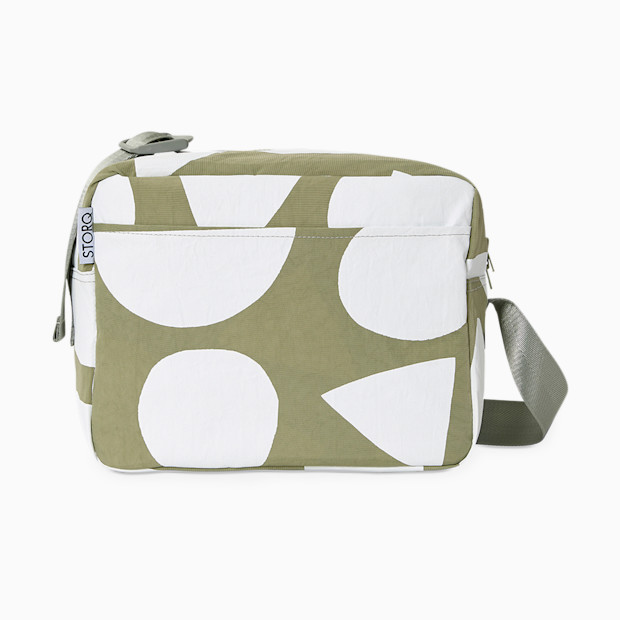
Cooler bag method. Store your milk in breast milk storage bags or bottles, then keep them chilled inside a soft-sided cooler with ice packs, gel packs or freezer packs. This is the most common setup and allows you to bring a larger volume of milk. Adding a few large Ziplocs to double-bag the milk (especially if you're using bags) helps prevent leaks. Heads up: Most airlines allow a separate cooler bag for breast milk that doesn't count as an extra carry-on, but it's worth confirming with your airline before you fly.
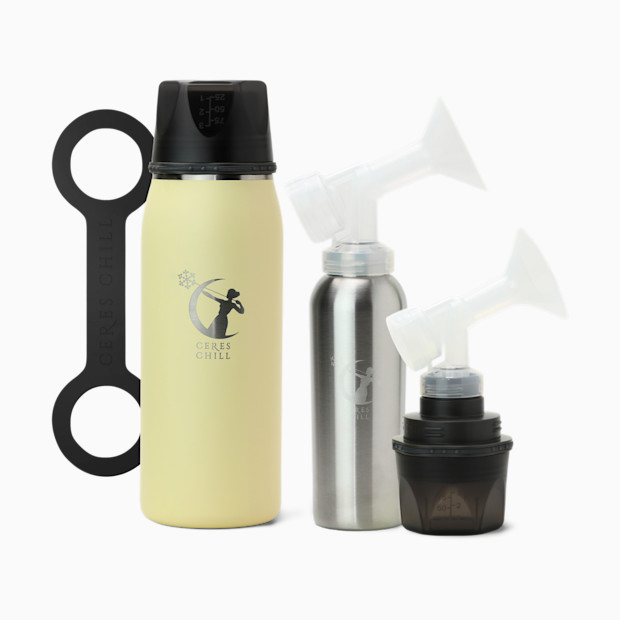
Breast milk chiller method. Another option is basically using an insulated thermos for breast milk (no bags or bottles needed), like the Ceres Chill or Boon Frosh, that let you pour pumped milk directly into them (both are TSA-compliant). These can keep milk cold for hours and stores up to 34 ounces (depending on the size), making it a convenient alternative if you’re traveling light or want to simplify your setup.
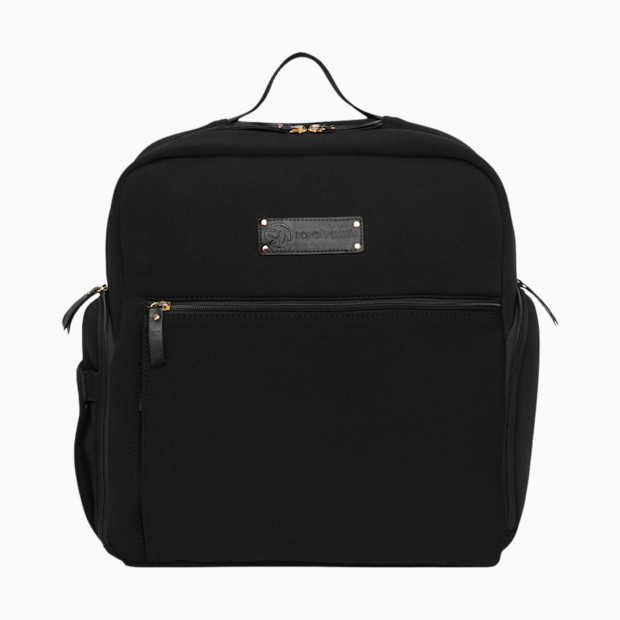
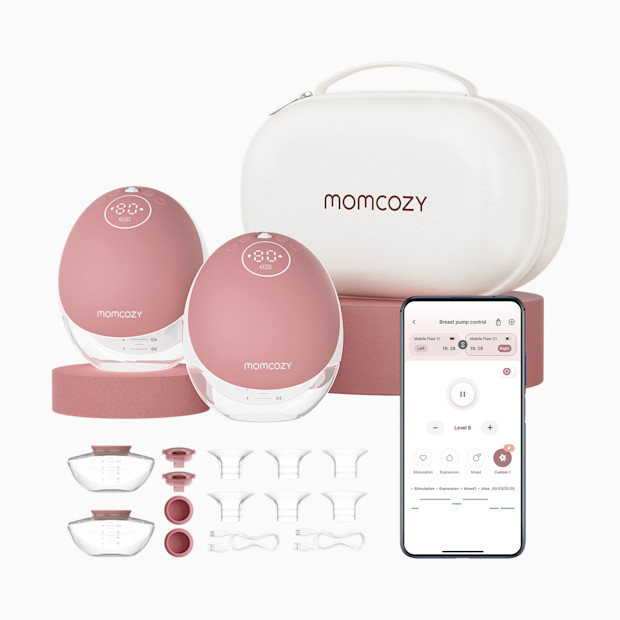
If you know you’ll be pumping in the airport or on the plane, there are a few extras you’ll want to bring along. Add these items to your breast pump bag:
Breast pump, flanges and any other accessories your pump requires
Power cord or extra batteries, if needed
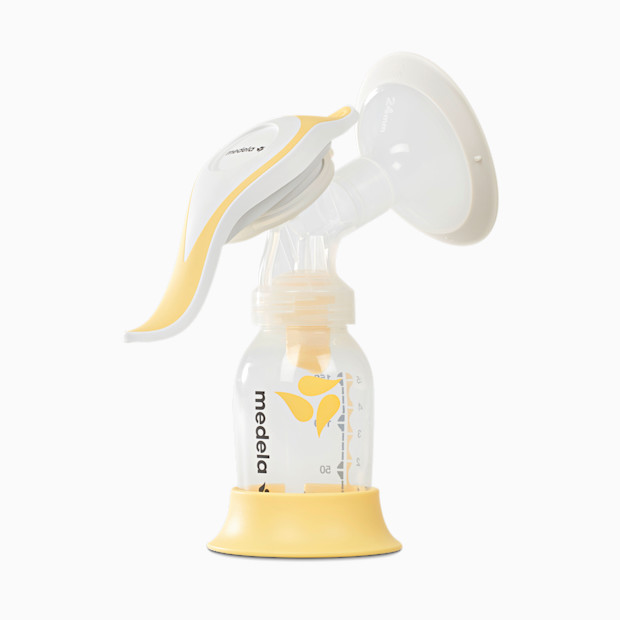
A manual breast pump, just in case
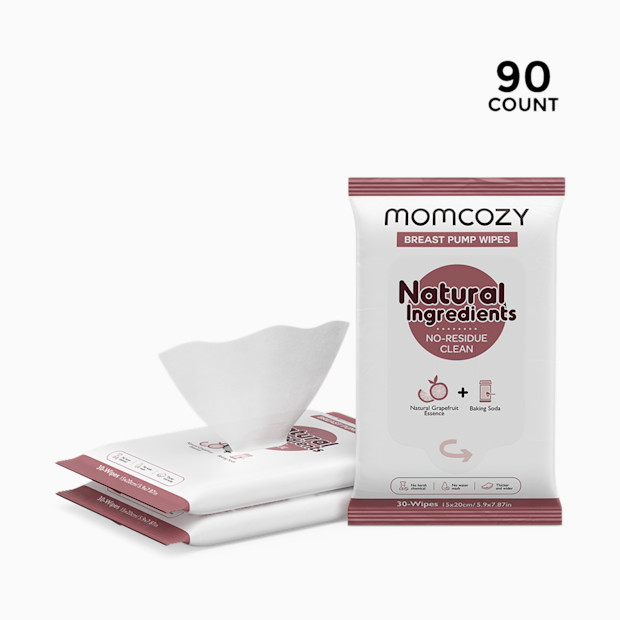
Quick clean wipes or spray to clean pump parts on the go
A nursing cover, wrap or shawl
A hands-free pumping bra, if needed
A small towel to wipe up any messes or to use as a clean surface to spread out your pumping gear
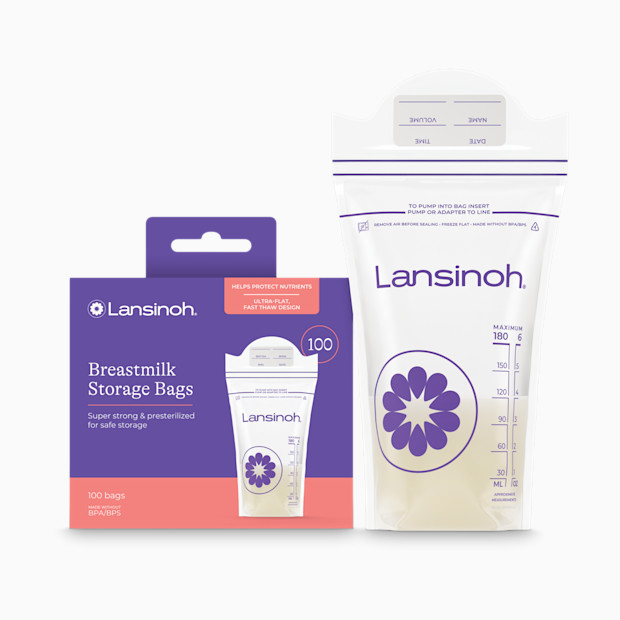
Other extras to consider: milk storage bags, nursing pads, lactation massagers, nipple cream
At the Airport
Going through airport security (including TSA pre-check) with breast milk can feel stressful, especially the first time. Keeping these three things in mind can help.
Inform TSA. As soon as you get to security, inform a TSA agent (one near the beginning of the line) that you’re traveling with breast milk and other baby-related items. They’ll take things from there.
Stay organized. If possible, carry a separate bag with all of your breast milk and related items, or designate an easily accessible spot in your carry-on bag. You’ll have to remove your milk and cooler items for screening, so having them organized and readily available can help expedite the process. (The folks in line behind you will thank you for this, too.)
Build extra time into your travel schedule if you’re flying with breast milk. Airport security lines can take a long time even without additional screenings; bringing breast milk along is only going to slow things down more. Add 30 minutes of additional time to your schedule when planning your trip.
Advocate for yourself. Familiarize yourself with TSA’s rules and regulations around traveling with breast milk before your trip. Keep a printed copy in your bag, or have the TSA site open on your phone in case you run into an uninformed TSA agent and need to reference it quickly. You can also add TSA’s Customer Service number to your contacts in case you need to reach out to them: 1-866-289-9673.
Pro tip: If you’re flying with breast milk and your baby and bringing your stroller along, you can use the stroller basket to stash all of your stuff and lug it through the airport—just know that you’ll have to empty it all when you go through security in order to break down your stroller to get it through the X-ray machine. (Pack a baby carrier if you have one so you can wear your baby during this time and keep your hands free.) The more organized and better packed you are, the easier and quicker this all will be.
Pumping While Traveling
When you need to pump, you need to pump—no matter where you are. Pumping while traveling is more difficult than pumping at home, but it’s totally doable if you plan ahead.
Need to pump in the airport? You can definitely nurse or pump wherever you want, but some airports have a few dedicated areas that offer a quiet, private space. You have a few options.
The Friendly Airports for Mothers and the Friendly Airports for Mothers Improvement Acts mandate that all small, medium and large hub airports provide private lactation areas in the terminals for nursing and pumping parents. The areas need to have a lock, a place to sit, a table or other flat surface, an electrical outlet and a sink or other sanitizing equipment and need to be accessible for people with disabilities. (Bathrooms don’t count. Phew.) To see how your local airport stacks up, check out this list of the best airports for breastfeeding travelers.
Look for a Mamava lactation pod. These freestanding lactation spaces have everything you need to pump or nurse on the go, including features like seating, outlets, shelves and more, and are located in airports across the United States. You can locate pods and unlock them through the Mamava app, so be sure to download it before you travel.
If you’re on a long flight, you may need to pump while you’re in the air. Don’t worry—pumping on a plane is actually easier than you may think.
If you’re nervous about the noise, just remember that planes are loud, and that built-in white noise will work to your advantage. Most people will be none the wiser as to what’s actually going on in your seat.
Keep your pumping gear easily accessible in your carry-on bag and pack a nursing cover if you want something to give you more privacy on the go.
If you own a wearable breast pump, flying is an ideal time to use it. Wearables are more discreet than traditional electric breast pumps, and they’re much more portable, too, which means less stuff for you to lug around.
Flight attendants can give you a bag or two of ice to keep your milk cool if you run out, or if you forget your cooler packs at home. Don’t be afraid to ask.
Storing, Shipping & International Travel
Breast milk storage guidelines, international travel rules and pumping on the go are just a few other things you may need to be mindful of as you think about traveling with breast milk. Consider these additional tips as you plan your trip.
Breast Milk Storage Guidelines
It’s easier to plan for traveling with breast milk if you keep in mind the guidelines around how to safely store and freeze your milk.
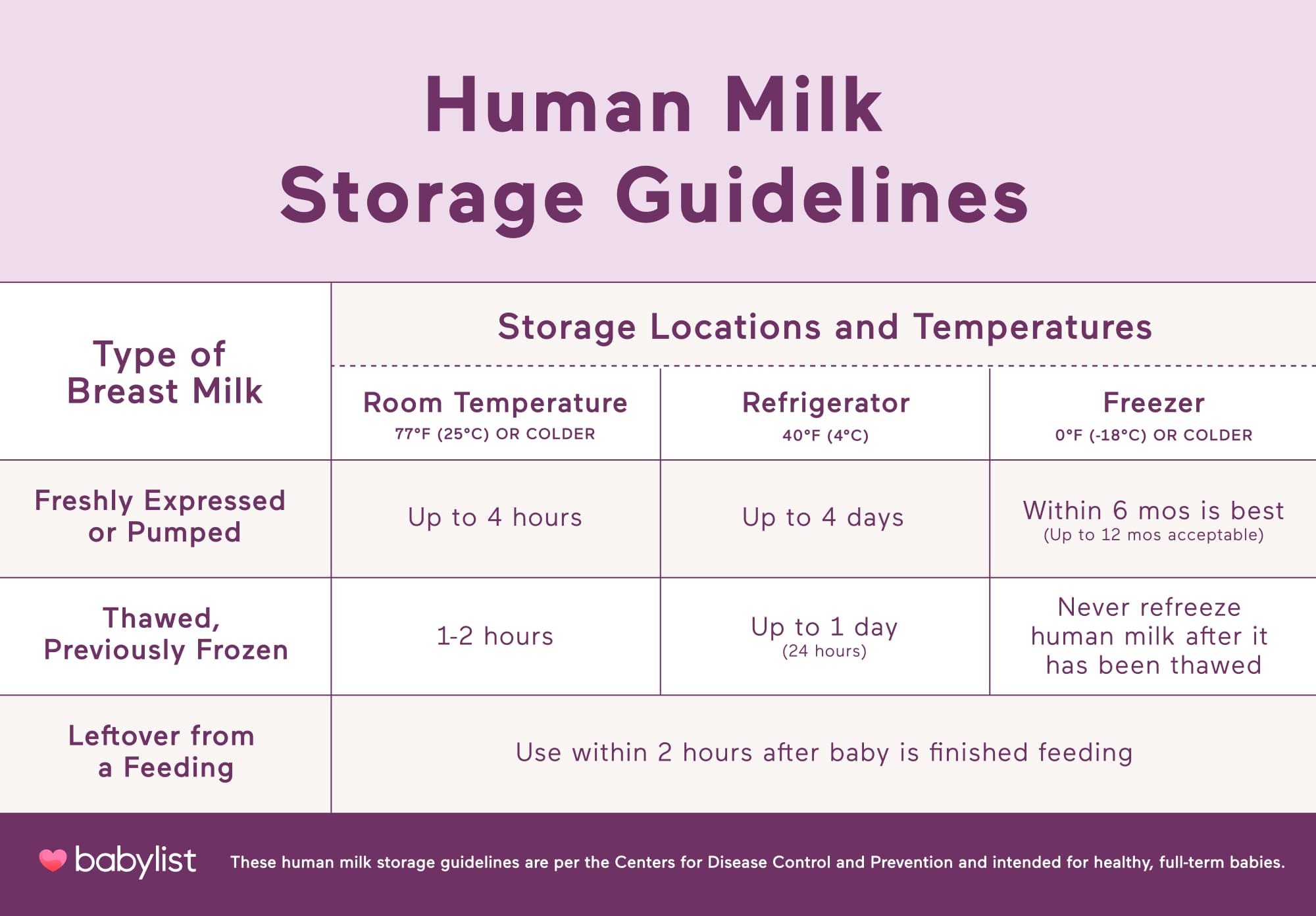
Here's a downloadable PDF version
Pro tip: As long as there are still ice crystals present in frozen breast milk, it’s safe to refreeze. That means if you’re flying with frozen milk and it has started to melt but hasn’t thawed completely when you reach your destination, it’s still safe to pop it back into the freezer and use at a later date.
Shipping Breast Milk
If you’re traveling without your baby on a longer trip or simply don’t want to deal with the hassle of transporting breast milk yourself, consider a breast milk shipping service.
Milk Stork is a popular service that offers both domestic and international breast milk shipping for up to 180 ounces of milk. Frozen milk will stay cold for up to 96 hours while refrigerated milk keeps up to 72, depending on which shipping plan you choose. If you’re traveling for work, contact your HR department before your trip—many employers cover the cost of shipping breast milk.
International Travel
International travel: awesome for you, not so awesome for your breast milk, because the rules and regulations about traveling outside of the U.S. with breast milk in tow is complicated. Each country has their own set of (sometimes very specific) guidelines, so it’s important you research those rules for your destination beforehand.
If at all possible, reach out to other nursing or pumping parents who have traveled to your planned destination before you head out. (Online parent groups are a great place to ask these types of questions.) Firsthand information is often the most helpful, so learn from other parents who’ve been there if you can. You can also try reaching out to the American consulate in your destination country for more information.
Frequently Asked Questions
Can you fly with breast milk without a baby?
Yes, you’re allowed to fly with breast milk and related cooling items whether or not your little one is traveling with you.
Can you fly with frozen breast milk?
TSA permits flying with fresh, frozen or partially frozen breast milk. If you’re traveling with ice packs and they begin to melt, they’re also permitted, but may be subject to further screening by TSA.
Can you check breast milk?
Checking your breast milk, whether it’s fresh or frozen, is permitted and is a good option if you don’t want to carry your milk through security and onto the plane. Just be sure to keep it cold with enough ice packs and in a securely sealed container to prevent leaks.
How much breast milk can you fly with?
There is no official guidance on the TSA website regarding how much breast milk is permitted either in a carry-on or checked bag. If you’re traveling with what you’re worried is an extremely large amount of milk, reach out to TSA directly prior to your trip to avoid any issues on your travel day.

;)
;)
;)
 - White, 90","url":"https://www.babylist.com/gp/momcozy-momcozy-natural-breast-pump-wipes-3-pack/44766/1700385","source":"hello_baby"});)
;)
;)
;)