
Yes, You Should Use a Car Seat When Flying With Baby + Other Travel Tips
What to pack, bring on board, and all your burning questions about air travel with a baby, answered.

By
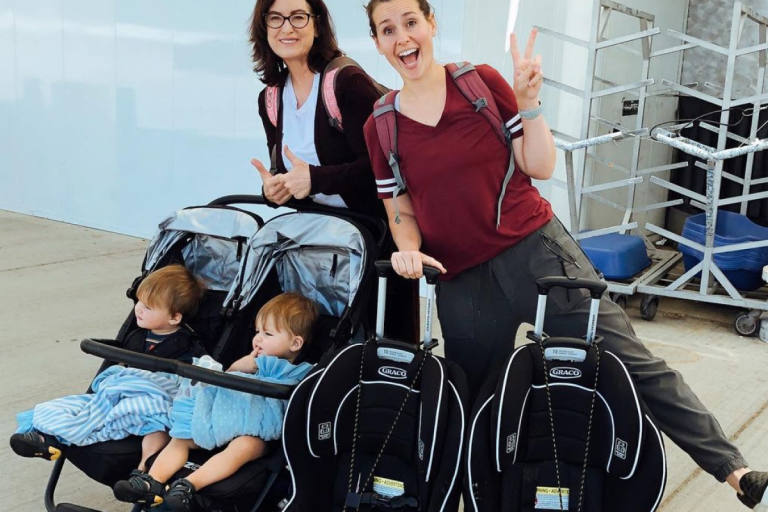
There’s no way around it—flying with a baby feels intimidating, especially as a new parent.
As a Child Passenger Safety Technician—someone who's specially trained in car seat use and education—I get a lot of questions from parents about air travel. Car seats on planes, strollers at the gate, breast milk through security...it's a lot to sort through. But I’m happy to report that hopping on your first flight with baby is one of those parenting milestones that sounds more terrifying than it actually is. And a little prep goes a long way.
Here's what you actually need to know, plus tips to make the whole thing a little less daunting.
💺Buy Your Baby a Seat (Yes, Really)
Most US airlines don't require a ticket for children under two—they can fly as a lap infant alongside a paying adult. And yes, it's tempting to save the money. But buying your baby their own seat and bringing your car seat on board is the safest choice, full stop.
The Federal Aviation Administration (FAA) and the American Academy of Pediatrics (AAP) both strongly recommend that children use a car seat on a plane. Turbulence is unpredictable and becoming more frequent, and recent incidents have made clear that it can be seriously dangerous. "The safest place on a plane for a baby or toddler is always an age-appropriate car seat that fits them correctly," says CPST Rebekah Kimminau. "In the event of severe turbulence, a car seat will ensure they are securely in their seats."
"During a flight, the crew has to secure everything in the galley during turbulence,” adds Kim Militello, a former flight attendant and current Babylist team member. “Why wouldn’t I want to secure a child in the safest way possible if I'm keeping metal containers latched in?"
There are practical perks, too. Your child is already familiar with their car seat—it's their safe space. It keeps toddlers from climbing all over the seats and running down the aisle. And it means you'll have a car seat ready to go when you land, no rental required.
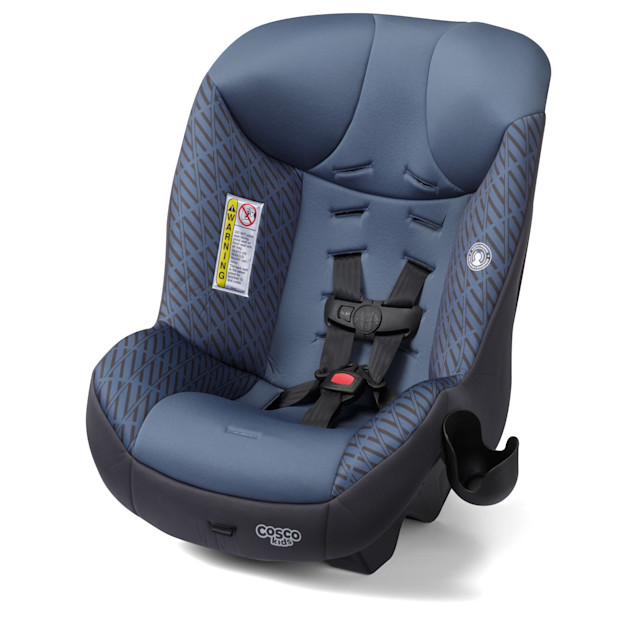
Most infant car seats are FAA-approved for aircraft use, but always confirm before your trip. Look for a label that reads: "This restraint is certified for use in motor vehicles and aircraft travel." Once you're on the plane, use the seat's lap belt to secure the seat following your car seat manual's instructions. If you fly frequently, investing in a lightweight travel car seat is worth it.
It’s also safe to use a Child Aviation Restraint System (CARES) harness if your child meets the usage guidelines. It’s a harness system that works with the airplane seatbelt to provide extra protection for children between 22 and 44 pounds who can sit in their own seats.
👶🏼 What to Know About Bringing Your Stroller
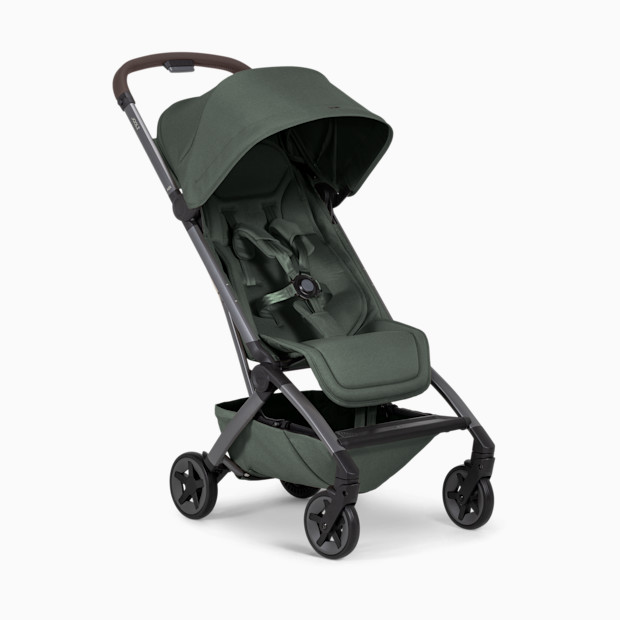
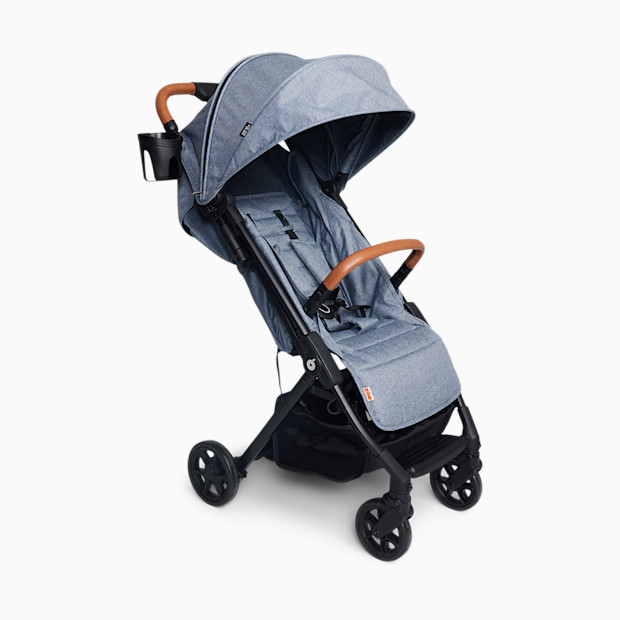
You can't bring a full-size stroller on board; it must be checked at the gate or with your luggage. Some compact travel strollers are small enough to fit in the overhead bin, and in most cases, it’s fine to bring them on board—but check with your airline ahead of time. (They may or may not count as luggage.)
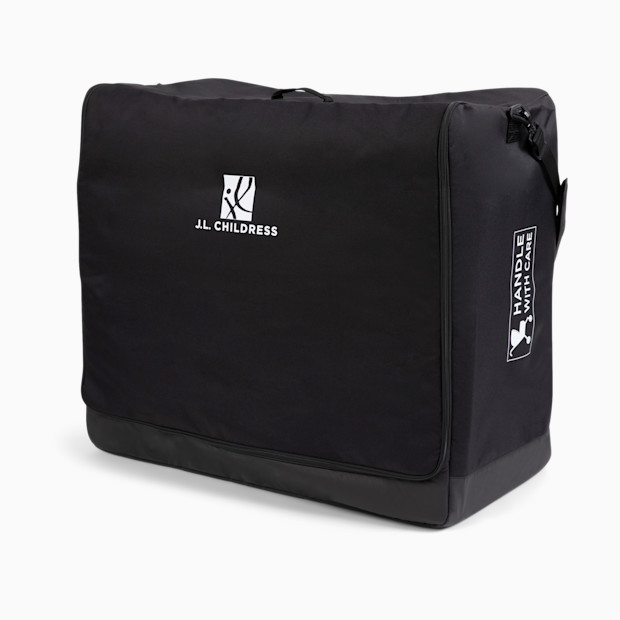
Gate-checking is a smart strategy for most families: your little one can stay in the stroller all the way to the plane's door. Just have a gate agent tag it before you board, and don't forget to retrieve it after you deplane. You may also want to consider a padded stroller bag for extra protection.
🍼 Breast Milk, Formula and Baby Food: The Rules
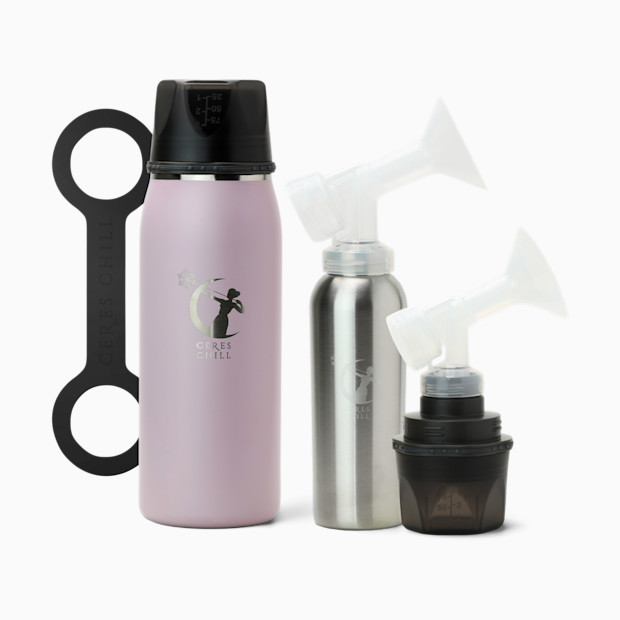
TSA's usual liquid restrictions don't apply to children 12 and under. Formula, breast milk, juice and other liquids are permitted through security in "reasonable quantities." Same goes for baby food in pouches, cans or jars, gel teethers and ice packs or freezer packs for keeping milk cold. (Our dedicated guide to flying with breast milk walks you through the ins and outs, since it can be particularly stressful.)
These items don't need to be in a quart-sized bag, but you will need to remove them from your bag at security and let the TSA officer know so they can screen them separately. The "Traveling with Children" section of the TSA website has the full rundown. (Note: these rules apply to domestic US flights only.)
🪪 Does Your Baby Need ID?
For domestic flights, no—TSA doesn't require children under 18 to show ID when traveling with a companion. If you're flying with a lap infant, your airline may ask for proof of age; a birth certificate, passport or immunization record will work. For international travel, your child will need a passport.
💡Tips for Making the Trip Easier
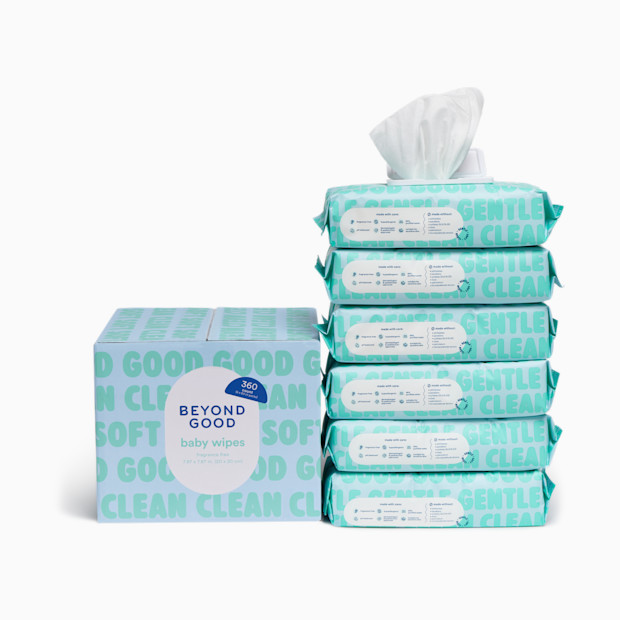
Get organized early. Now is not the time to fly by the seat of your pants. Build in plenty of extra time to get to the airport. Diaper blowouts, a very hungry baby and a lost pacifier all have a way of happening exactly when you're trying to get out the door. Make a packing list and keep the essentials—wipes, diapers, snacks, a change of clothes for baby and for you—easily accessible.
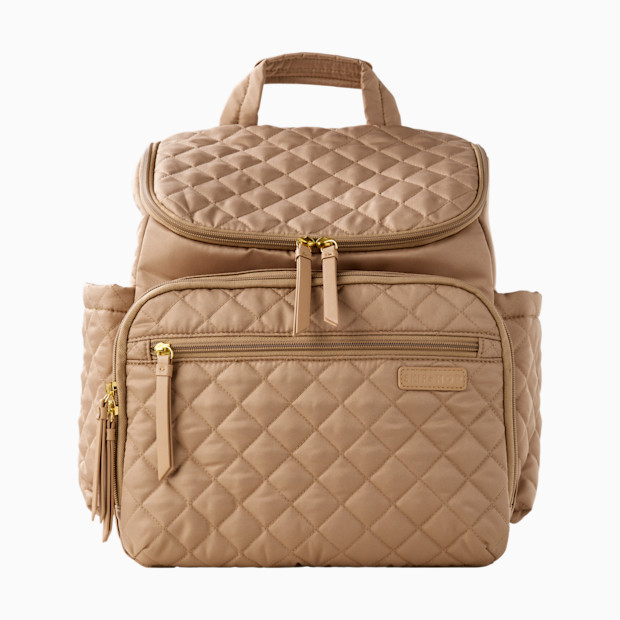
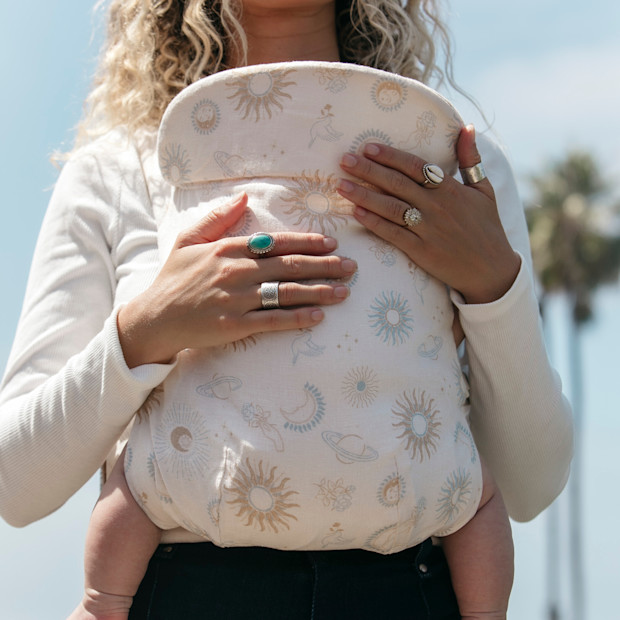
Choose the right gear. A diaper backpack keeps your hands free. An easy-on, easy-off baby carrier is a lifesaver in the airport, especially if you're navigating security solo. And a travel stroller is a great investment, especially if you’re frequently on the go.
Help with air pressure. Some babies have a tough time with pressure changes during takeoff and landing. Sucking helps, so try feeding your baby or offering a pacifier during those times.
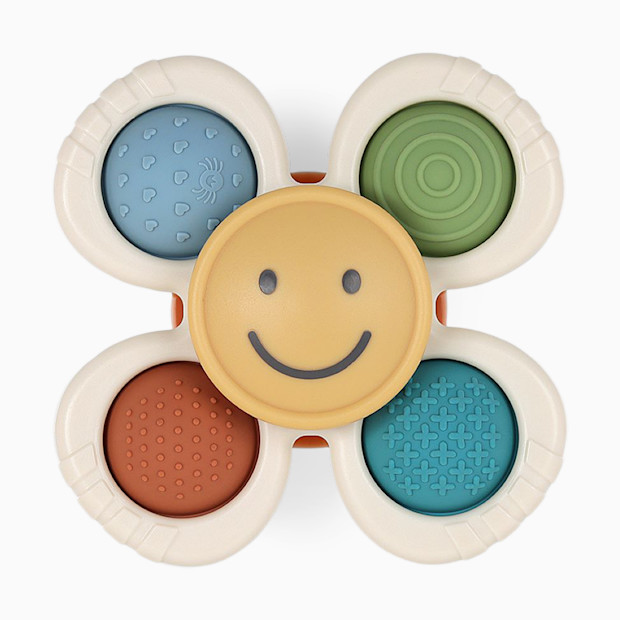
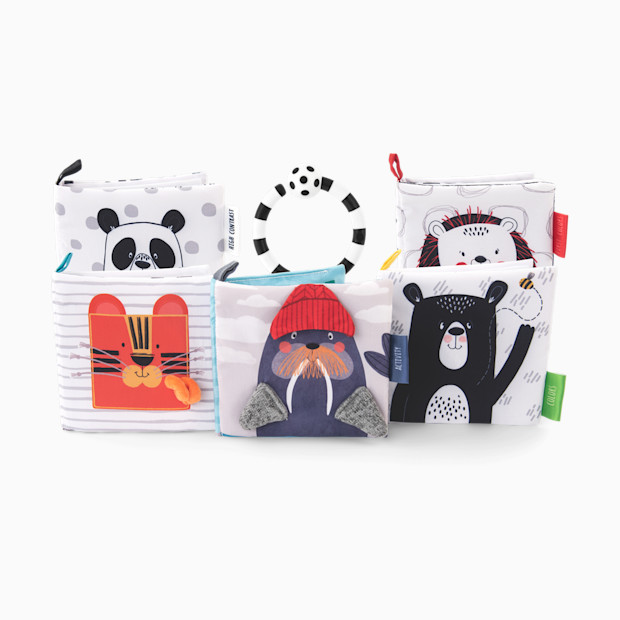
Bring entertainment. A few familiar toys and books plus a couple of new travel toys can go a long way, especially with older babies and toddlers. Busy boxes, window clings, lacing cards and simple sensory toys are popular plane hacks worth looking into before you fly.
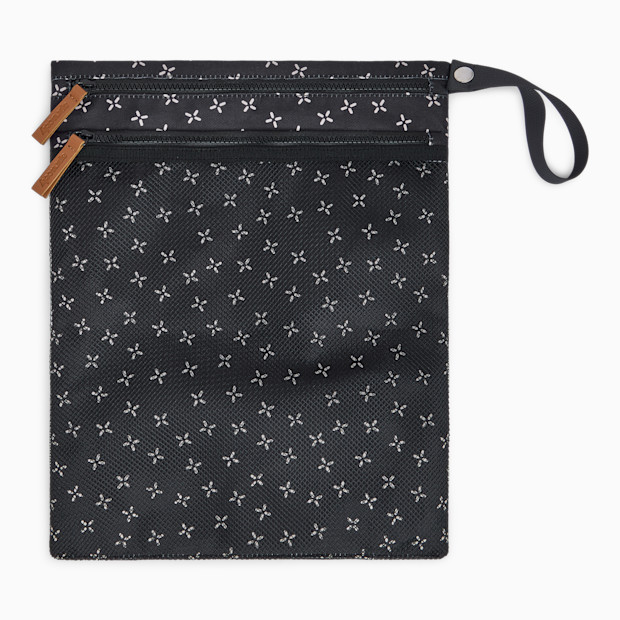
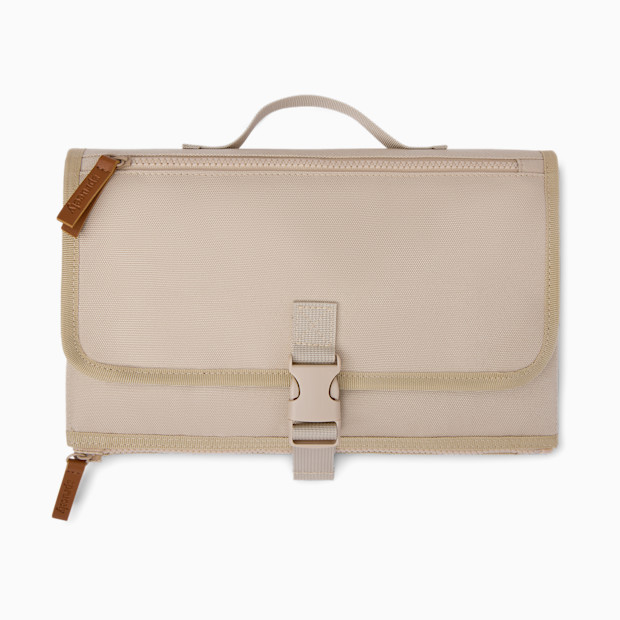
Know where to change a diaper. The plane bathroom is your best option—ask a flight attendant which one has a changing table. Bring a portable changing pad and pack everything you might need in an easy-to-grab pouch before you board.
Quick Answers to Common Questions
Can I check a car seat?
You can check your car seat with your luggage or at the gate, but it's not recommended. Airlines aren't always gentle, and checked car seats sometimes come back cracked, with parts broken off or covers shredded—damage that isn't always visible but can compromise the seat's safety. If you have no other option, pack it in a sturdy box (the original box is ideal) or a padded car seat bag to give it the best chance of surviving the trip intact.
What if my car seat gets damaged when I check it?
This is one of the biggest risks of checking a car seat. Damage isn't always visible, but even minor impact can compromise a seat's safety—which is why we recommend bringing your seat on board whenever possible. If you do check it and suspect damage, reach out to your car seat's manufacturer immediately before using it again.
Can I rent a car seat at my destination instead of bringing mine?
You can, but most CPSTs advise against it. Rental car seats are often worn, damaged or an inappropriate fit for your child's age and size. If bringing your seat isn't an option, consider shipping an inexpensive seat to your destination instead.
Is it safe to use a rear-facing car seat on a plane?
Yes, and it's actually required for infants. Use the plane seat's lap belt to secure the seat in the rear-facing position, following your car seat manual's aircraft installation instructions.
Packing List Must-Haves for Flying with Baby
These parent- and expert-approved travel essentials will make air travel easier on you and your little one.

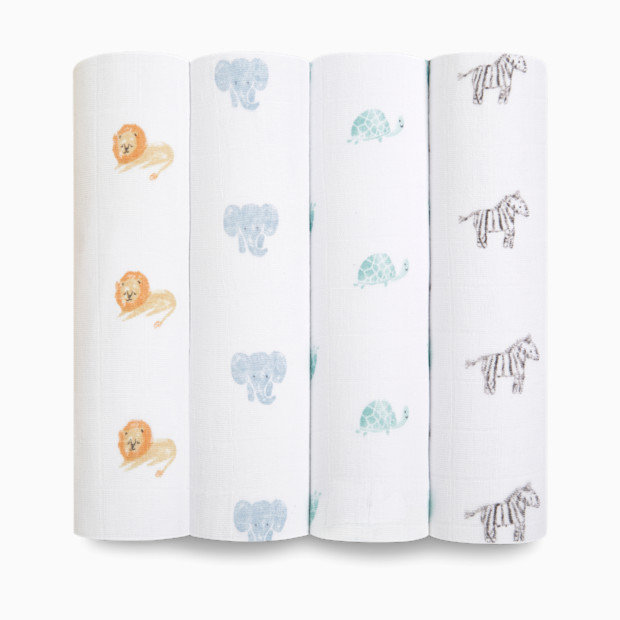
Aden + Anais
Cotton Muslin Swaddle 4-Pack


;)
;)
;)
;)
;)
;)
;)
;)
;)
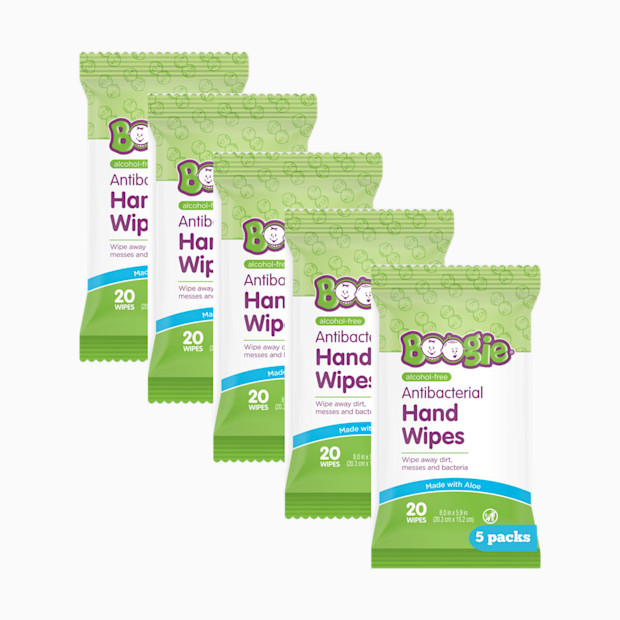
 - Green, 20","url":"https://www.babylist.com/gp/boogie-antibacterial-hand-wipes-5-pack/50546/1923015","source":"hello_baby"});)
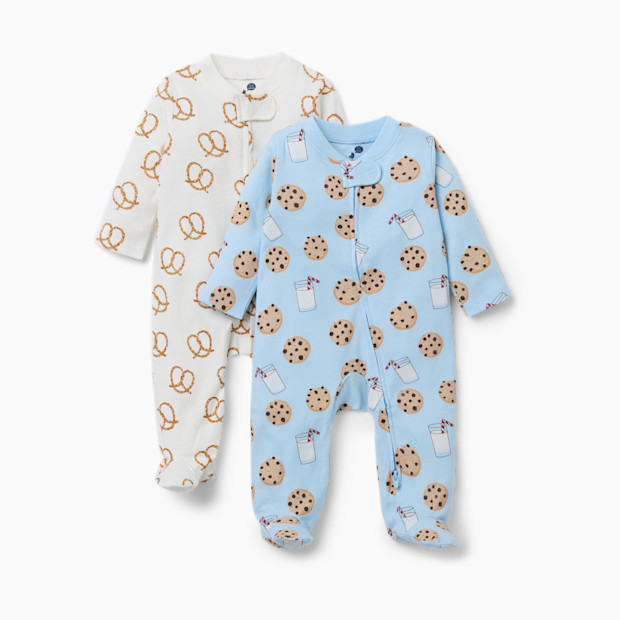
 - Snack Time, 0-3 M","url":"https://www.babylist.com/gp/small-story-organic-cotton-2-way-zip-footie-2-pack/37720/1905400","source":"hello_baby"});)
;)
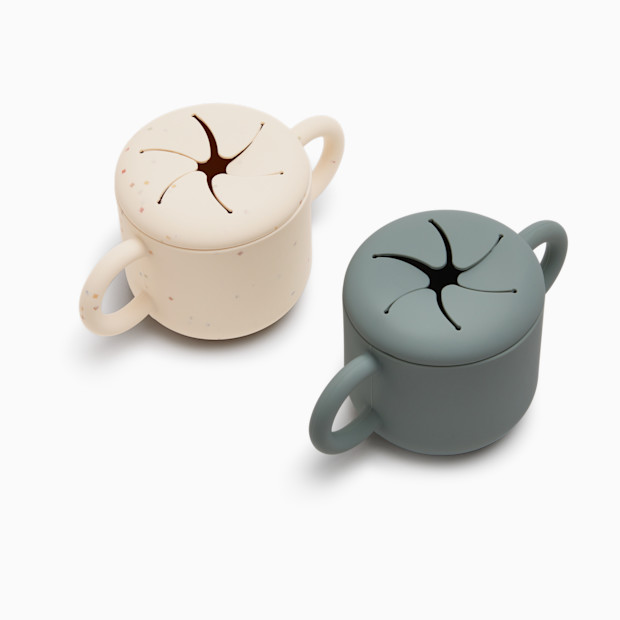
 - Sage/Oat Speckle","url":"https://www.babylist.com/gp/aeiou-silicone-snack-cup-2-pack/44318/1677175","source":"hello_baby"});)
;)
;)
;)
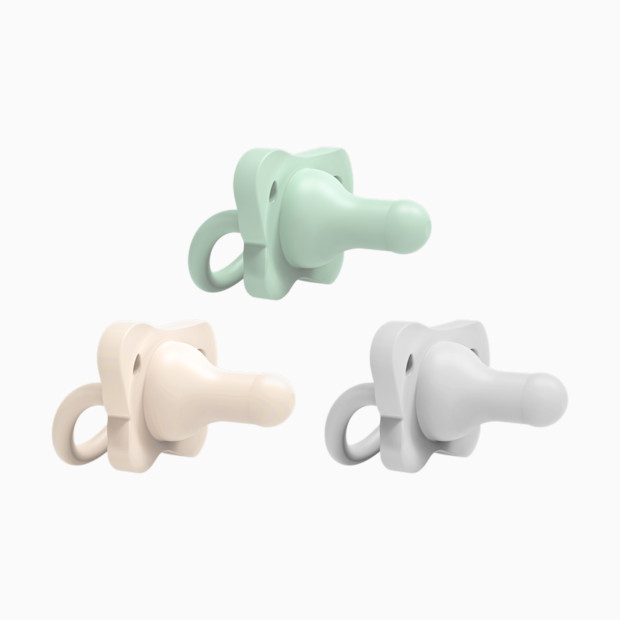
 - Green, Gray, Ecru","url":"https://www.babylist.com/gp/dr-brown-s-happypaci-one-piece-silicone-pacifier-3-pack/12327/1235004","source":"hello_baby"});)
;)
;)