
What Actually Helps on Sick Days With Babies and Toddlers
They're not doctors. But they've endured the flu, colds, Covid and norovirus, with babies and older kids and have tips to share.

By

When one person in the house gets sick, it can feel like you’re in a ship that’s quickly sinking—especially when you’re caring for a baby or toddler.
We polled Babylist parents in our newsletter and asked real parents on our team for their best sick day tips. The result is this playbook, which pulls together real-life tips from parents and caregivers who’ve already made it through the long nights, the mystery fevers and the stomach bugs so you don’t have to reinvent the wheel on your worst day.
💡A quick note on how to use this playbook:
Skim it now, stash it for later. Bookmark so you’re not trying to remember anything while someone is actively throwing up.
Pick what fits your family. Some ideas will be genius for you, others won’t apply—that’s okay.
Layer on your pediatrician’s plan. When in doubt (especially with babies under three months, persistent fevers or breathing trouble), call your child’s doctor or the advice nurse line.
This guide isn’t medical advice and it’s not a substitute for your pediatrician. Think of it as the practical, “I’ve been there” layer on top of your doctor’s guidance.
What “Surviving” Looks Like
Let’s start by redefining what ‘surviving’ really looks like. Remember to lower your expectations and standards for everyone in your household—especially yourself! Many parents find themselves feeling guilty that their little one is racking up screentime or eating popsicles for dinner. Give yourself permission to let a few things slide so you can focus on staying healthy and helping your child through their illness.
Prep Before Anyone Gets Sick
A little planning before the germs hit can make a big difference.
Stocking up your medicine cabinet and gathering a few sick-day go-tos is one of parents’ biggest tips. One Babylist parent’s pro tip: “I keep a little ‘just-in-case’ bin in the closet with meds, PJs, and snacks. I thank past-me every time.”
Medicine Cabinet Basics
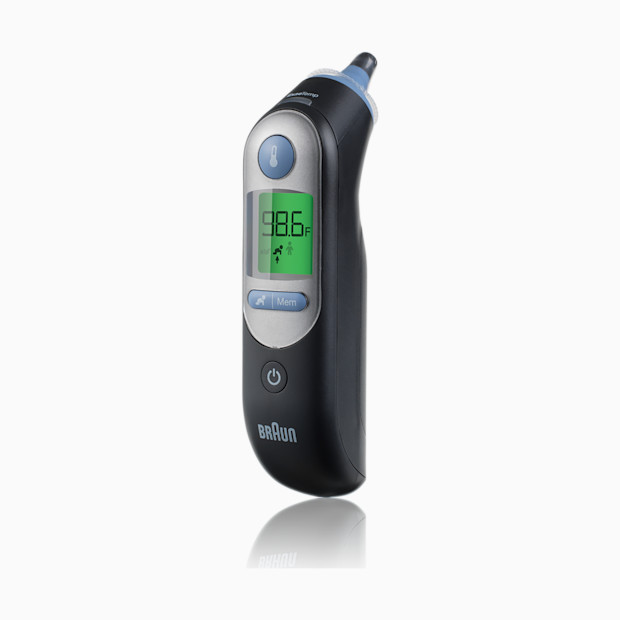
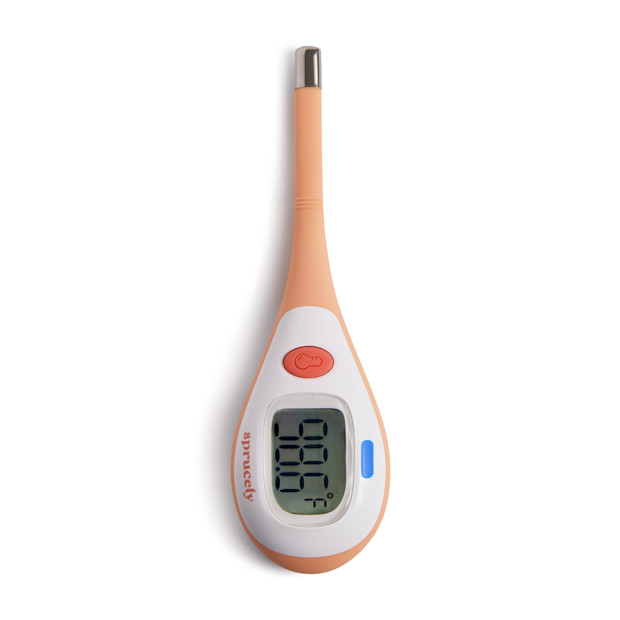
Along the lines of stocking up, make sure you’ve got the basic tools ready to go, like over-the-counter medicine and a thermometer to keep an eye on fevers. “Don’t wait until 10 p.m. to realize you’re out of Tylenol.”
Here’s a good starting point list for your just-in-case stash:
A reliable thermometer (ear or forehead)
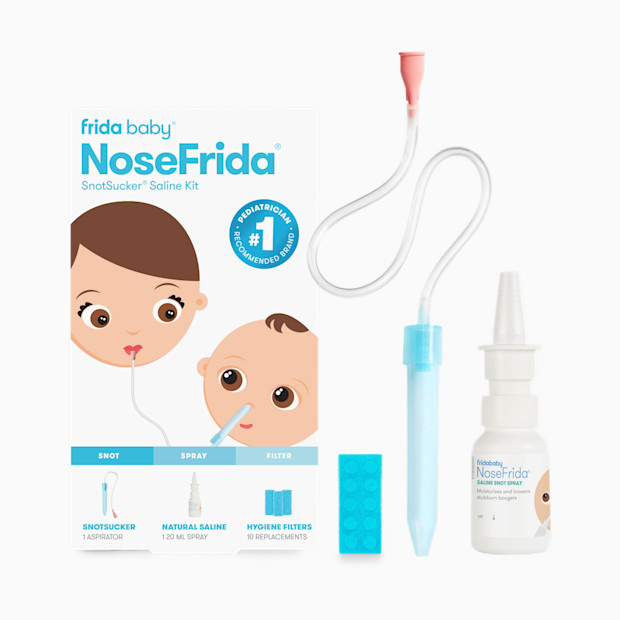
Nasal aspirator + saline
Children’s pain reliever
Plenty of tissues and hand sanitizer
Extra toothbrushes to swap out post-sickness
📝 Pro tip: Always confirm medication and dosage with your pediatrician, especially for babies under two.


Soothing Snacks & Drinks
Staying hydrated and eating nutritious foods—even if meals are pretty bare bones—are important for helping little immune systems battle germs.
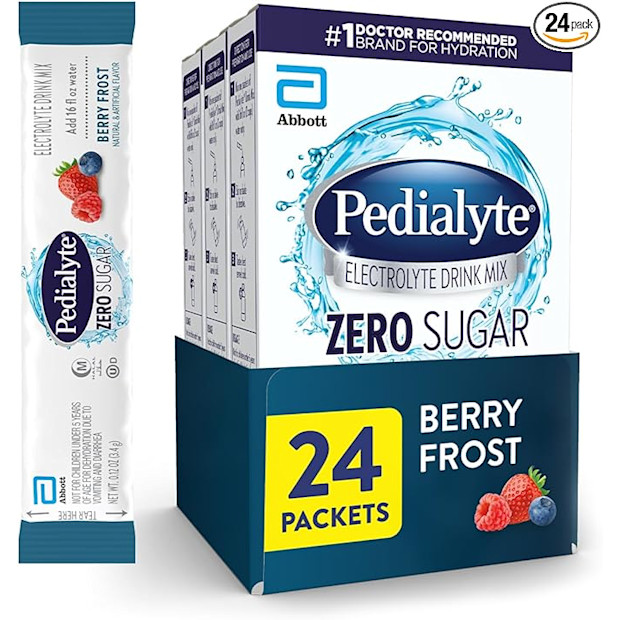
But if your children are anything like mine, they may not be too keen on taking anything that resembles medicine. Which is why we love what one Babylist parent rebranded as a Pedialyte “mocktail” to get their two year old excited about staying hydrated while they had the flu. “She loved them and it kept her drinking water.”
Parents mentioned multiple times things like electrolyte freezer pops and drink powder, Vitamin C boosters, plain crackers and applesauce help with hydration and are easy on little tummies.


Mess-Proof the House
When the stomach bug hits, preparing your space is key. It’s a good idea to mess-proof your beds and couch at the first sign of vomiting to make clean up easier.
The top tips for protecting their homes from puke included:
Emesis bags or a designated puke bowl. “Order emesis bags on Amazon before illness strikes & keep them on hand at home & in the car,” one parent advised. Keep one in the bathroom, bedroom and car so you’re not sprinting around to find one. Another parent said they found placing a bowl—preferrably one you don’t mind never using again—with a paper towel (for absorption) next to their child’s bed was also helpful.
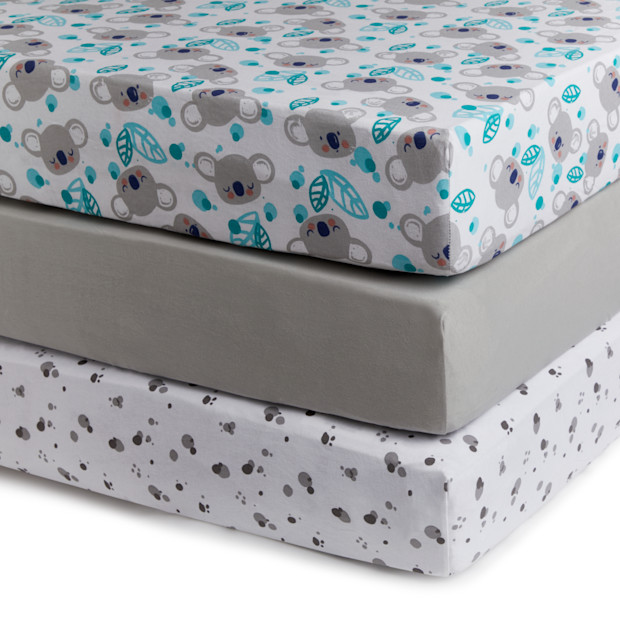
Waterproof layers. Many parents highly recommend investing in is a waterproof mattress protector or bed pads. You can layer a cover, sheet, cover and sheet to make middle-of-the-night bed-stripping and clean-up easier.
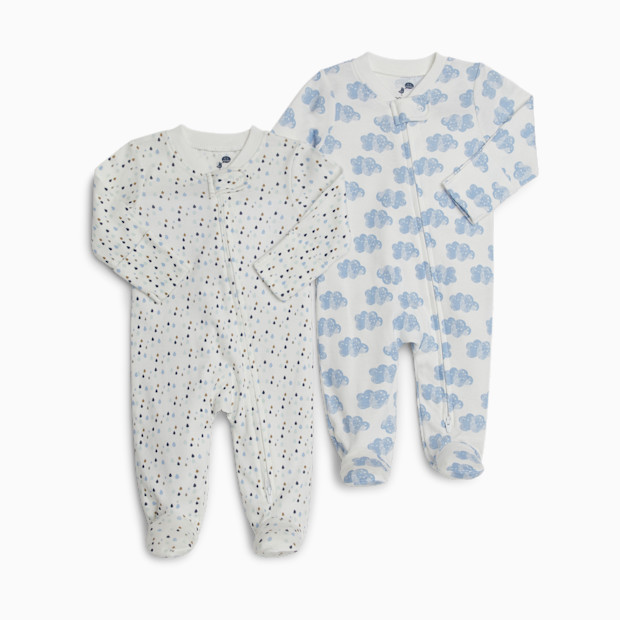
Extra PJs and bedding. Keep clean sheets and pajamas in an easy-to-grab spot so you’re not digging through laundry in the dark.
🧼 Pro tip: Most children won’t make it to the toilet, trash bin or bowl right away. If your child is old enough, show them where the bowl is ahead of time and call it something simple like the “uh-oh bucket.” We’ve also love this genius TikTok of a mom running “vomit drills” ahead of sick season with her kids to practice.


When the Symptoms Start: Comfort + Symptom Care
The most common recipe parents shared for getting through sick days with babies and toddlers was some form of favorite show and comforting, easy on the tummy food.
“Chicken soup and Bluey on repeat.”
“Popsicles for breakfast and Paw Patrol on loop. No regrets.”
They also had tips for managing comfort depending on symptoms:
Stuffy noses & coughs
Babies and toddlers aren’t exactly great at blowing their noses. When congestion kicks in, comfort comes down to easing the gunk and helping them breathe a little easier. And that’s where saline spray and suction come to the rescue. (It’s not glamorous, but trust us, it works.)
A few drops of saline and a gentle go with a nasal aspirator (like the Frida Baby NoseFrida) can make a huge difference before naps or bed. Parents' biggest tip was to start using saline and a nasal aspirator sooner than later. “Then hopefully it won't be [like] wrestling an alligator to put drops in my baby's nose!” one said.
A cozy bath or a steamy bathroom can help loosen mucus and calm cranky moods. “Steam in the bathroom + a towel on the floor = magic for cranky noses,” another Babylist parent said.
Lastly, running a humidifier at night can make the air (and noses) feel less dry, especially during the colder winter months—which also happen to be peak cold and flu season.
Fevers & aches
Though they can be intimidating, a fever is often a positive sign that your child’s body is fighting something off. Not all fevers need to be treated especially if they’re eating, drinking and behaving as usual. But if they’re feeling crummy, pain relievers like Tylenol or Motrin can help. As with any medication, be sure to get the okay from your child’s doctor first and double check the correct dose. Cool washcloths plus extra cuddles can also help, too.
Tummy bugs
The stomach flu is nobody’s favorite. Even if little ones can’t keep anything down, it’s important to keep fluids coming—ice chips, diluted electrolyte drinks or “sick day mocktails” in a sippy cup can all help them stay hydrated.
As far as vomit receptacles, a bowl by the bed never hurts. Parents also say it’s a good idea to put an extra bowl next to the toilet, "the moment you sense a stomach flu coming. Nothing like being caught unprepared when it's coming out of both ends at the same time,” one said.
Sore throats
Sore throats can feel miserable. While pain relievers can help, a child-friendly throat lozenge in the form of a lollipop or a Pedialyte ice pop is a nice little pick-me-up that can soothe sore throats
Low Energy (and Effort) Entertainment
When your kid is sick—and let’s be honest, when you’re exhausted too—this is not the moment for elaborate crafts or energy-burning games. The goal: comfort, calm, and just enough distraction to get through the day.
Here are some tried-and-true ideas real parents swear by:
A special “sick day” basket
Fill it with low-key activities like sticker books, water coloring pads, soft toys, or a new pack of crayons. Keep it tucked away and only bring it out for sick days—instant novelty without extra effort.


Favorite shows or calm movies
Screen time can get a bad rap, but sick days are a solid exception. Choose shows that feel familiar and comforting (looking at you, Bluey), or put on something new and gentle that keeps them engaged without overstimulating.
Audio stories or playlists
Perfect for rest time without adding more screen time. Think: calm music, gentle stories, or even a favorite podcast if your kiddo’s into that. Pop on some headphones or let it play aloud while they rest with their lovey.
💤 Bonus idea: Set up a little “rest nest” on the couch or floor with pillows, blankets, and their comfort item of choice. It turns an average day of sniffling into something that feels just a little more special.
When To Call The Doctor
This guide is full of practical, parent-tested advice—but it’s not a substitute for medical guidance. If something feels off, trust your instincts.
Always reach out to your pediatrician or advice nurse line if you have any questions or concerns.
📝 Pro tip: Save your doctor’s after-hours number in your phone, along with a note of your child’s weight for the correct medicine dosage..

;)
;)
;)
;)
;)
;)
;)
;)
;)
","url":"https://www.amazon.com/dp/B08T64CBMW","source":"hello_baby"});)
","url":"https://www.amazon.com/dp/B0B5Z89FZW?th=1","source":"hello_baby"});)
 - Koala Snuggles","url":"https://www.babylist.com/gp/small-story-organic-cotton-jersey-crib-sheets-3-pack/52476/1981184","source":"hello_baby"});)
 - Rain Drops, 0-3 M","url":"https://www.babylist.com/gp/small-story-organic-cotton-2-way-zip-footie-2-pack/37720/1422979","source":"hello_baby"});)
 - Light Cream","url":"https://www.amazon.com/dp/B0D8K24BZX","source":"hello_baby"});)
;)
;)
;)
;)
;)