
Third Trimester of Pregnancy
You're almost there! It won't be long until you meet baby—here's what you can expect during these last few months.

By

Welcome to the final stretch! You’re this much closer to meeting your new baby, just 13(ish) more weeks to go. But while it’s the same length as the previous two trimesters, the third trimester can feel like the longest for a lot of reasons. We promise you won’t be pregnant forever (even if it feels that way), so try your best to power through these last few months.
After the honeymoon period of the second trimester, some of the early pregnancy symptoms you thought were over (fatigue, discomfort and a frequent need to pee) will return this trimester. And you’ll start to have some new not-so-fun symptoms too, like Braxton-Hicks contractions, hemorrhoids, swollen ankles and the feeling of your internal organs getting squished by your ever-growing uterus. As you get closer to baby’s due date, it’s a great time to take extra good care of yourself—take naps, meditate, whatever relaxes you.
Your baby is really busy during the third trimester, putting all the finishing touches on their development as they get ready to enter the world. They’ll be building up that adorable baby fat, and brain development really skyrockets during these weeks.
Here’s what to expect during your third trimester of pregnancy.
How Long Is the Third Trimester?
The third trimester of pregnancy lasts from week 28 through birth, whether that’s on your due date, before or after. A 2013 study found that only five percent of babies are born on their due date, so chances are pretty high that your third trimester will either be shorter or longer than estimated (you could go as long as 42 weeks!). This is especially true if you’re carrying multiples, as they are usually born earlier.
Your Baby in the Third Trimester
Your baby is making big developmental strides during the third trimester, growing rapidly in size and weight, and their organs are maturing enough to ensure they can fully function outside the womb.
Baby starts this trimester around 9.7 inches long at 28 weeks. By the time they reach full-term at 39 weeks, they’ll be around 14 inches from crown to rump (about 19 inches from head to foot) and weigh six to nine pounds.
Here’s what’s going on week by week:
Weeks 28–30: Baby’s weight gain jumps up to about half a pound per week for the next five to seven weeks. They’re packing on the pounds to help them stay warm and healthy outside the womb.
Weeks 31–32: Baby is working on strengthening their neck muscles by turning their head side-to-side, which will ultimately help with their rooting reflex. Their brain is also growing a lot in these few weeks, developing those neural pathways that ensure all their senses work as intended.
Weeks 33–34: At this point, baby is expected to have done a 180 and should now be facing head-down. The fine layer of hair called lanugo, which was helping keep baby warm and protected in your uterus, is starting to fall off (though a small amount will likely still be there for the first couple months after baby is born). In its place, a thick, creamy substance called vernix caseosa is appearing, and it’ll help baby’s skin stay hydrated immediately after birth.
Weeks 35–36: Baby’s growth slows down a bit now that they’re nearly full term, and nearly all systems are ready to go for birth—the digestive system is one of the last to mature, and that won’t happen for another few weeks after baby is born and they’ve gotten the hang of nursing or bottle feeding (and transferring it out the other end).
Weeks 37–38: Babies born during these weeks are now categorized as “early term,” since their brain and lungs still need those next couple weeks to be considered fully developed. And if your baby hasn’t turned head-down yet and you’re hoping to have a vaginal delivery, your provider may suggest doing an external cephalic version to help get baby facing the right direction.
Week 39 and beyond: Baby is officially full term! All major organs are considered to be developed enough for life on the outside. But even so, some babies like to stay cozy for just a little while longer (though most providers will serve them an eviction notice between weeks 41 and 42).
Your Body in the Third Trimester
During the third trimester, your body is doing some of its heaviest lifting (literally), and you may start to feel it everywhere. As your uterus reaches its biggest size, it presses up on your stomach, lungs and other organs, which can make things like eating full meals, taking a deep breath or even just generally feeling comfortable a little trickier than before. It’s all normal—your body is just making room for a (rapidly) growing baby.
Along with your belly, your breasts are probably getting bigger every day. By the end of your pregnancy, your breasts may have grown by as much as two cup sizes! Your nipples and areolas may become darker and larger, with tiny bumps around them. These are known as Montgomery’s tubercles, and they secrete an oil to keep your nipple area lubricated while breastfeeding.
As everything gets bigger, changes in how you move become hallmarks of the third trimester. As your body adjusts to a new center of gravity and compensates for achiness, that’s where the stereotypical “pregnancy waddle” comes in.
During the third trimester, your prenatal appointments will be scheduled more frequently: every two weeks from 28 to 35 weeks, and then weekly until you deliver. Here’s what your doctor will go over with you during this last set of appointments:
Kick counts
By week 28, you’re probably used to feeling baby’s turns, kicks and jabs. In order to monitor baby’s movement, your provider may want you to start doing kick counts throughout the third trimester.
To do kick counts accurately, start by sitting or laying down in a quiet room—you’ll want to make sure you’re relaxed, since being overstimulated can affect how baby moves, says Dr. Jennifer Lang, a Los Angeles–based ob-gyn and author of The Whole 9 Months: A Week-by-Week Pregnancy Nutrition Guide with Recipes for a Healthy Start. Feel for 10 distinct movements in a two-hour period, but it likely won’t take that long. “Most of the time, you’ll get there in the first five minutes,” Dr. Lang says.
She recommends doing the kick counts at the same time every day, and try to aim for when baby is usually most active. That way, it’s easier to track baby’s habits and get to know what’s “normal” for them. If you notice anything different about your baby’s pattern—or don’t feel any movement at all—call your doctor.
Checking baby’s position
Around week 35, your provider will probably check to see if baby is head-down (with their head toward the birth canal) or head-up (with their feet toward the birth canal, also known as “breech position”). The safest way for a baby to be delivered vaginally is in the head-down position, so your doctor may recommend some approaches to “turning” them if they’re still head-up in the last few weeks.
Group B Strep test
Between 35 and 37 weeks, you’ll be screened for Group B strep (GBS), usually with a vaginal swab. This common bacteria is found in 25% of pregnant women, and not everyone has symptoms. If you’re positive for Group B strep, treatment is easy: you’ll be given antibiotics via IV (typically penicillin, unless you have an allergy) once your water breaks, and treatment will last throughout labor until baby is born, says Evaly Long, licensed midwife with Hummingbird Midwifery. If you’re planning a home birth, check with your midwife about being able to have IV antibiotics at home.
Cervical checks
Around week 36 or 37, your provider will likely do a cervical exam to see if you are starting to dilate (the opening of the cervix, which is measured in centimeters) and/or efface (the thinning of the cervix, which is measured in percentage). For a successful vaginal birth, your cervix will need to be 10 centimeters and 100% effaced.
Third Trimester Pregnancy Symptoms
Braxton Hicks contractions
Right around the start of the third trimester, you might experience what’s known as Braxton Hicks contractions as your body prepares for labor. These aren’t true labor contractions, but if you’ve never given birth before, you might mistake them for the real thing.
During these “false” contractions, your uterine muscles tighten for anywhere between 30 seconds to two minutes. But the way they feel can differ from person to person, says doula Al Bradlea. You might feel a little discomfort in your abdomen, you might see your belly muscles tighten near your belly button or you might not notice anything at all.
How can you tell the difference between Braxton Hicks contractions and the real deal? Labor contractions don’t ease up if you change positions or get up or move around, and they increase in both intensity and frequency within just a few hours.
If you determine that it’s Braxton Hicks contractions you’re feeling, don’t get your hopes up for labor. “It can be infuriating because Braxton Hicks don’t necessarily mean labor is right around the corner,” says Bradlea. “They can last for weeks before giving birth.” Or in some cases, a couple months. Instead of waiting for labor, use these false contractions as a chance to practice breathing methods, especially if you’ve learned any in your childbirth classes.
Discharge and spotting
You might’ve noticed vaginal discharge throughout your pregnancy, and it’s really common to see even more during the third trimester thanks to increased estrogen levels. (If there are some streaks of blood and the discharge is particularly gelatinous, it may be your mucus plug coming out, which is an early sign of labor. If so, call your midwife or OB.)
A little spotting in the third trimester is normal too, especially after sex, since your cervix is easily irritated right now. But if you see a lot of blood, call your doctor; it could indicate something is wrong with your placenta.
If you notice streaks of blood and discharge that’s particularly thick and gelatinous, it may be your mucus plug coming out, which is an early sign of labor. If so, call your provider so they can do a cervical exam to check for dilation and effacement.
Leaky nipples
Speaking of discharge, if you see pale, yellowish fluid coming from your nipples, that’s colostrum, the nutrient-dense milk your baby will eat in the first few days after they’re born. (Speaking of which: if you’re planning on breastfeeding after your baby is born, the third trimester is a good time to take a breastfeeding class and get a free breast pump through your insurance.)
Lower back, hip and pelvic pain
Your lower back and pelvis are under a lot of tension right now, thanks to all that extra weight and the increased hormones preparing your body for labor. So it’s no surprise that you may be feeling some pain in your lower back and hips, especially if you’ve changed your posture to accommodate your growing belly and shifting center of gravity.
Ob-gyn Dr. Sam Rahman suggests pregnancy-friendly core-strengthening exercises and gentle lower back stretches (especially in prenatal yoga) to help ease soreness and help keep you feeling strong. A hot pack on your back can work wonders too, Dr. Rahman says—just don’t put it near your belly, since that can raise baby’s body temperature. And a supportive belly band can help keep the strain off your hips and lower back.
Pain further down, however, is likely due to strain on the muscles at the base of your pelvis. “Tense pelvic floor muscles can contribute to painful sex, tailbone pain, vaginal pain, rectal pain, incomplete bladder emptying, incomplete bowel movements or constipation,” says Dr. Sara Reardon, board-certified pelvic floor physical therapist and the voice behind @the.vagina.whisperer. She recommends low-impact exercise like walking and swimming on a regular basis, and a pelvic floor physical therapist can provide gentle massage to the appropriate muscles to help relieve the pain and give you guidance for relaxing your tense pelvic muscles.
Shortness of breath
Like we said before, your growing uterus can actually make it harder to breathe, since it’s pushing everything up into your rib cage. Try standing up straight to allow more “breathing” room for your lungs, and if it affects your sleep, prop yourself up with some extra pillows. You can also practice some labor breathing techniques. If it becomes difficult to catch your breath at any point, it’s time to slow down and take a rest, and call your doctor if resting doesn’t improve your breathing. Toward the end of your pregnancy, your baby will drop, allowing you to breathe easier.
Mild swelling
Along with general aches and pains, swelling is extremely common in the third trimester, especially in your feet, ankles and hands, thanks to all that extra fluid and blood volume, says doula Erica Chidi. “Plus, your growing uterus can interrupt the flow of blood, making fluid build up in your legs. Hormonal changes also make your body hold on to more water.”
Most of the time, mild lower-body swelling is nothing to worry about—propping your feet up, staying hydrated, applying cold compresses and wearing compression socks can help. But if swelling comes on suddenly or appears in your face, it’s worth calling your provider just to be safe, as it could be a sign of preeclampsia.
Lightning crotch
Not everyone experiences lightning crotch, but if you do, you’ll understand that it was named appropriately. It’s a quick, sharp pain in your pelvis, vagina or rectum, particularly when you or baby move. The pain is caused by baby pressing on specific nerves, and it gets worse once baby drops further into your pelvis. Thankfully, it’ll stop as soon as baby is born.
Hemorrhoids
Sorry to say, but hemorrhoids during pregnancy are pretty common. In the third trimester, they’re most often caused by constipation (thanks again, pregnancy hormones) and increased pressure on your pelvic area. Just like non-pregnancy-related hemorrhoids, they typically come with itching, pain while sitting or during bowel movements or frequently feeling like you need to have a bowel movement.
Thankfully, there are a lot of relief options available, including all the same ones you’d use for non-pregnancy hemorrhoids. “There are lots of simple over the counter things people can do to get relief, like herbal sitz baths, witch hazel pads or applying a baking soda paste to quell itching,” says doula Carrie Murphy. (Be sure to keep these remedies in mind, since hemorrhoids are common after childbirth, as well.)
Top Tip for the Third Trimester
Don’t wait until baby arrives to ask for help. Line up support now: friends, family, meal trains, postpartum care plans and even a nesting party will help make the transition into new parenthood smoother after baby is born.
✅ Third Trimester Checklist
Third Trimester Pregnancy Checklist
- Enjoy your baby shower (if you’re having one)!
- Enroll in a childbirth and baby care class through your hospital, birthing center, local parenting center or online.
- Take a tour of the labor and delivery ward at your hospital (here’s what to expect there during childbirth), tour your birthing center or get your home birthing supplies.
- The urge to nest is real. Decorate that nursery or host a nesting party to let your friends and family help.
- Take a nap. And then another.
- If you’re working, start the paperwork for your maternity leave. In case baby comes early, you don’t want to be distracted.
- Make a few freezer meals to have once baby is born. (Not just dinners! Easy, reheatable, nutritious breakfasts and lunches are also a must-have for new parents, especially as you recover from birth.)
- Research pain relief options for labor, and list your options on your birth plan. Speaking of which…
- Write your birth plan. Keep in mind that it’s meant to be guidelines for your birth team, and while it can help them know how to best take care of you and baby, it’s also a good idea to remain a little flexible if plans need to change.
- Planning to breastfeed? Sign up for a local class or check out online resources, and check with your insurance to see how to get a free breast pump.
- Treat yourself to a nice pre-baby leisure activity, like a spa day or a dinner at a fancy restaurant.
- Pack your hospital bag. About two to four weeks before your due date is a good time to get prepared, just in case.
- Download a good contraction app timer so you’ll be ready before active labor starts. (Here are ones for iPhone and Android.)
- Check with your insurance to see how to add your baby after they’re born.
- Install baby’s car seat, and make sure it’s done correctly to car seat safety standards.
- Listen to some pregnancy meditations, especially if you’re starting to feel anxious about giving birth as you approach your due date.
- Wash all your new (and used) baby clothes so they’re ready for baby to wear.
- Choose a pediatrician, and let them know your due date. List their name, clinic address and phone number on your birth plan.
- Make a family plan about how to deal with visitors after baby comes.
Frequently Asked Questions About the Third Trimester of Pregnancy
Can I still have sex in the third trimester?
In most healthy pregnancies, sex is safe right up until your water breaks. Just know that certain positions may be uncomfortable, and spotting is common afterward. If you’ve been told you have placenta previa, are at risk for preterm labor or have other complications, your doctor may recommend avoiding intercourse.
What happens if I go past my due date?
It’s normal! Only about five percent of babies arrive on their due date. Your provider will monitor you more closely and may discuss induction options if you reach 41 weeks, depending on the health of both you and your baby.
When should I go to the hospital or birthing center?
Most providers recommend going in when contractions are five minutes apart, lasting one minute each, for at least one hour (known as the 5-1-1 rule), or sooner if your water breaks, if you notice bleeding beyond normal spotting or if you feel painful abdominal cramping.
How can I tell when my water breaks?
Sometimes (but not very often) it’s like in the movies: a big gush all at once, and an obvious puddle on the floor. But more typically, it’s a slow trickle that feels like you’ve accidentally peed just a little bit, like when you sneeze or laugh too hard. You might even mistake it for vaginal discharge, but there are a few key tells if it’s amniotic fluid:
Clear, rather than pale yellow
Watery, rather than thick, gelatinous or like egg whites
Odorless or has a slightly sweet smell
If you’re not sure, call your provider. They can test the fluid and let you know what to do next.
Recommended Products for the Third Trimester

TheRY
The Comforter Maternity Compression Sock
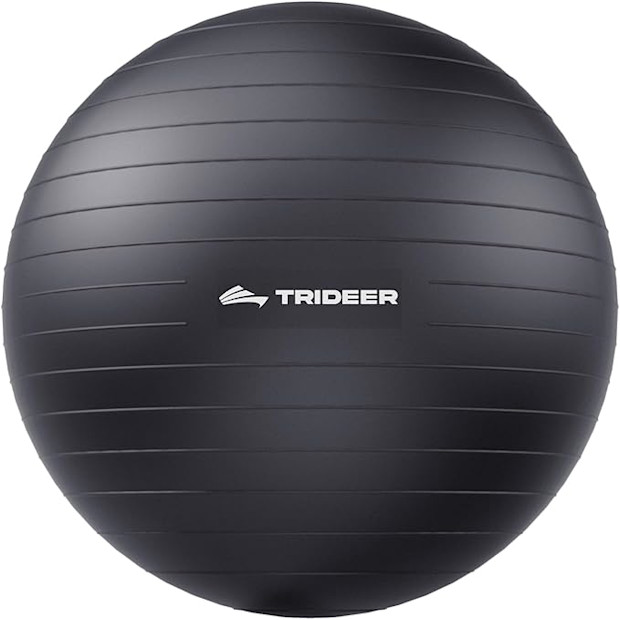
Trideer
Exercise Ball for Yoga, Pilates & Fitness

Kizik
Slip On Sneakers: Athens

Munchkin
TheraBurpee Colic & Fever Rescue Kit

Lansinoh
Hot & Cold Postpartum Therapy Packs (2 Pack)

Squatty Potty
The Original Bathroom Toilet Stool

BÉIS
'The Weekender' Duffle Bag & Weekend Bag
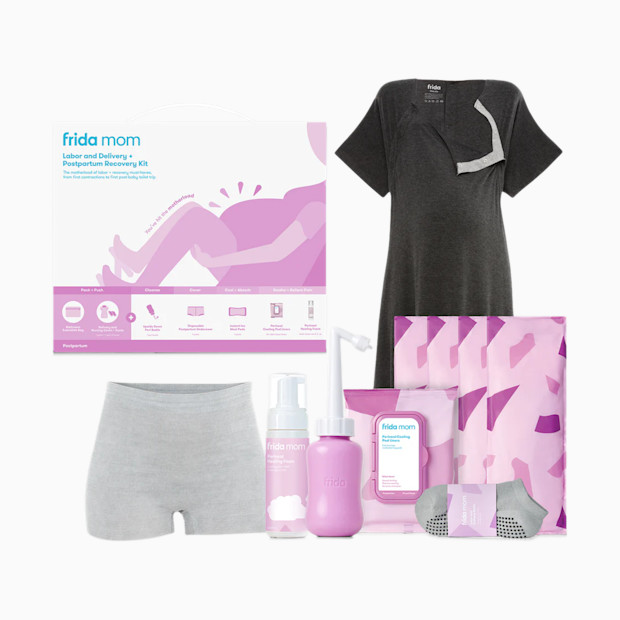
Frida Mom
Labor and Delivery + Postpartum Recovery Kit
Expert Sources
Babylist content uses high-quality subject matter experts to provide accurate and reliable information to our users. Sources for this story include:
Dr. Jennifer Lang, a Los Angeles–based ob-gyn and author of The Whole 9 Months: A Week-by-Week Pregnancy Nutrition Guide with Recipes for a Healthy Start
Evaly Long, licensed midwife with Hummingbird Midwifery
Al Bradlea, IBCLC and Dona-certified postpartum doula
Dr. Sam Rahman, ob-gyn
Dr. Sara Reardon, board-certified pelvic floor physical therapist
Erica Chidi, doula
Carrie Murphy, doula

;)
;)
;)
;)
","url":"https://www.babylist.com/gp/lansinoh-hot-cold-postpartum-therapy-packs-2-pack/24930/1118499","source":"hello_baby"});)
;)
;)
;)