
Your 16-Week-Old Baby
Time for your baby’s four-month checkup! Here’s what happens, what the doc will ask and how to prep.

By

By now, your baby has had a few visits to their doctor for well baby checkups. But now that they’ve been officially out of the newborn stage for about a month, the four-month checkup can feel like a bigger deal. There are so many new developments to check in on, with even more on the horizon.
That’s why we talked to two pediatricians—Dr. Chris Klunk, board-certified neonatologist at Pediatrix Medical Group and Dr. Gabriella Dauer, pediatrician and author of Beyond the Basics: A Pediatrician's Newborn Guide—for their takes on what all to expect at the four-month appointment and why it’s an important one. We’ll also revisit how to prepare your baby for a checkup, especially one that involves routine immunizations (spoiler: the four-month checkup does).
🚼 Baby’s Development
4-Month Well Baby Checkup
Your baby’s four-month appointment with their pediatrician is “a biggie,” Dr. Klunk says. Like with all the previous visits, at this appointment your pediatrician will do a full physical exam, measure growth (weight, length and head circumference), ask about baby’s feeding and sleeping habits and answer any questions you might have. But here’s the thing that sets it apart from the other appointments: “The four month visit is when we move from the typical newborn conversations to infant topics,” Dr. Dauer says.
How does that change things? Your baby is no longer a sack of potatoes, for one—now that they’re becoming much more observant and social, “development is a huge topic of discussion at this visit,” Dr. Dauer says. “So much to talk about!” Here’s what you can expect to go over at this appointment, according to both Dr. Dauer and Dr. Klunk:
-
Head and neck control
-
Starting solids, including how and when
-
Laughing
-
Increased interaction
-
Sitting up
-
Overnight sleep
-
Sleep regressions
-
Sleep space transitions
Vaccinations are another key part of the visit. If your baby received their two-month immunizations, the four-month set will be exactly the same, Dr. Klunk says. And even if your baby didn’t have any kind of reaction to the previous set of shots, your pediatrician will still want you to monitor them for fever or any other post-vaccine symptoms for about a day or so.
The final big point of the four-month appointment is to check in on the rest of the family, especially when it comes to any support needs. “Additional questions and screening may focus on how things are at home in a broader sense,” Dr. Klunk says. “Are you experiencing signs of postpartum depression? Are there any safety concerns or trouble putting food on the table? What kind of car seat are they riding in and which way is it facing? The goal is making sure your little one is on track and everything around them is setting them up for success as much as possible!”
🧑🍼 Feeding Baby
🍼 Week 16 Feeding Guidelines
-
Anywhere from 3–7 fluid ounces per meal, 5–8 times per day, for a total of 24–30 fluid ounces per 24 hours
It’s been about a month since we touched on baby’s feeding needs, so let’s check in. At four months, babies’ feeding habits vary widely, with some still taking three to four ounces every two to three hours and others preferring larger bottles (six to seven ounces) spread out every four to five hours.
The main thing to keep an eye on is whether your baby is being consistent with their eating habits. If they suddenly start eating less, that could be a sign that they’re coming down with something. If they suddenly start eating more, it could mean a growth spurt is on the way!
If you have any questions or concerns about how much your baby is eating and whether it’s the right amount for their unique needs, talk with your pediatrician about it. This is one of those “every baby is different” things, so don’t panic if your baby seems to eat different amounts and at different times than other babies in your parent group or daycare.
❓Weekly How-To: Help Baby with Shots
We talked about this back at the eight-week mark, but since your baby gets another round of immunizations at the four-month appointment, it’s worth revisiting how to help them through it. Vaccines are an important part of keeping your little one healthy, and while the moment itself may be uncomfortable, there are ways to make the process easier for both of you.
Practical prep can help things go more smoothly. Dress your baby in clothes that make their thighs easy to access for shots, and Dr. Klunk says don’t hesitate to snuggle or even breastfeed during the process, since evidence shows that those comfort measures can really help baby stay calm. If your baby has a favorite pacifier, toy or comfort item, Dr. Klunk says to bring it along too—anything to keep baby feeling calm, comforted and secure both during and after the shots.
And just like last time, you might see some post-vaccine side effects like a mild fever, sleepiness, fussiness or a little redness or swelling at the injection site, Dr. Klunk says. These side effects usually only last a day or two (if they appear at all), but if they don’t get better after several days, get worse or are accompanied by trouble breathing, trouble swallowing, weakness, immobility or inability to wake up, that may be a serious reaction to vaccinations that requires a call to 9-1-1.
👀 Looking Ahead
-
Sleep training: Around four to six months is when some families begin thinking about structured sleep training, since babies are capable of longer stretches of overnight sleep. We’ll touch on the major methods with advice from a pediatric sleep consultant.
-
Dropping a nap: Soon your baby may shift from three naps a day to two, with slightly longer stretches of awake time in between.
🛍️ Panic Order
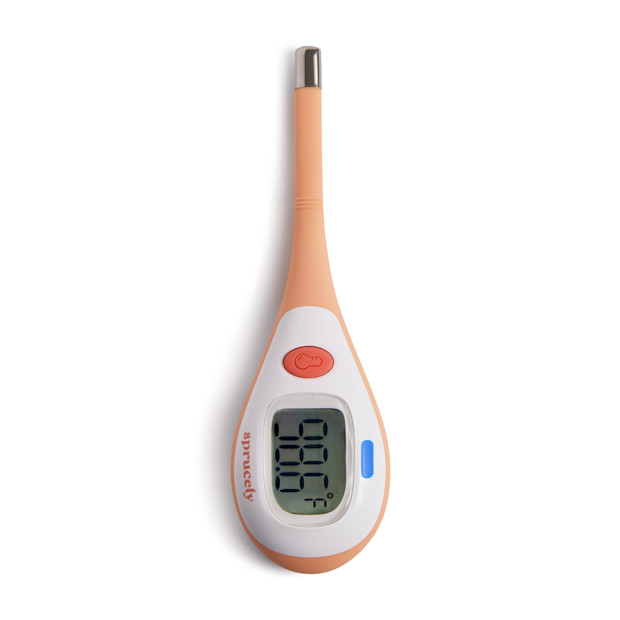
Sprucely
3 in 1 Digital Thermometer
;)

Burt's Bees Baby
Organic Cotton Desert Life Romper
;)

Babylist
Pacifier Box
;)

Itzy Ritzy
Lovey
;)

Sassy
Smart Stages Soft Book Set
;)

Momcozy
USB Rechargeable Handheld Cooling Fan for Travel
;)

;)
Expert Sources
Babylist content uses high-quality subject matter experts to provide accurate and reliable information to our users. Sources for this story include:
-
Dr. Chris Klunk, board-certified neonatologist at Pediatrix Medical Group
-
Dr. Gabriella Dauer, pediatrician and author of Beyond the Basics: A Pediatrician's Newborn Guide