
Your 18-Week-Old Baby
What to do when baby’s cough sounds like a seal’s bark—plus expert advice on when to get medical help.

By

Your baby is 18 weeks old! They’re becoming more expressive and interested in the world around them. But along with all that newfound curiosity comes the potential for new illnesses. Even if your baby has already had a cold or the flu, there’s one particular virus—croup—that can sound especially startling to new parents.
This week, we’re diving into what croup is, how to recognize it and what to do if your baby develops that distinctive “barking” cough. With insights from Dr. Gabriella Dauer, pediatrician and author of Beyond the Basics: A Pediatrician's Newborn Guide, and Dr. Chris Klunk, a board-certified neonatologist at Pediatrix Medical Group, you’ll learn when it’s okay to care for baby’s cough at home versus when to see a doctor, and how to ease your baby’s cough safely and comfortably.
🚼 Baby’s Development
Croup
Coughs are fairly common in babies and small children, but one distinctive kind known as croup can sound especially alarming. Croup is a viral illness that causes upper respiratory inflammation, typically in children between six months and three years old, but it’s possible for younger babies to catch it too. And while you hope your baby doesn’t catch any kind of illness, it’s good to know ahead of time how to distinguish croup from a typical cough.
Namely, it’s the sound of the cough that makes croup so distinct. “The cough sounds more like a barking or seal-like cough, which indicates the upper airway inflammation,” Dr. Dauer says. “Croup can be really scary for parents, especially when kids have stridor, a high-pitched noise made when you breathe in.” That high-pitched wheezing is a hallmark of upper airway inflammation, she says.
As strange as your baby’s breathing and cough may sound, occasional barking cough and stridor usually mean it’s only a mild case and can be managed at home, Dr. Dauer says. “Your pediatrician will typically recommend supportive care like drinking cold fluids, humidification and anti-inflammatory medications like ibuprofen.” (Just remember to always follow your pediatrician’s advice when it comes to medication, as ibuprofen isn’t recommended for babies under six months old unless specifically prescribed by a doctor.)
Even though croup can be mild, it’s important to know when to get medical help. “If at any point you are worried that your child is having trouble breathing, particularly at rest, they should be seen by a doctor,” Dr. Klunk says. When you notice any of these symptoms, Dr. Klunk says it’s time to take baby to a doctor:
Stridor/high-pitched wheezing when your baby is at rest. “It can be a sign of the airway starting to get too narrow for safe breathing,” Dr. Klunk says.
A blue tinge to baby’s lips or fingernails
Uncontrollable drooling
Trouble swallowing or keeping down fluids
“Croup can progress quickly,” Dr. Klunk says. “And while most children do just fine, it can be dangerous if signs of a severe case aren’t recognized.”
❓Weekly How-To: Help Baby with a Cough
Even if it’s not croup, coughs can be rough on babies (and their families). Since over-the-counter cough medicines aren’t safe for children under four years old—and children ages four to six need a doctor’s recommendation—caregivers should focus on comfort and non-medicated remedies instead. Here’s what the American Academy of Pediatrics and the CDC recommend:
Run a cool mist humidifier in baby’s room to help keep their airways moist and ease irritation.
Offer plenty of breast milk or formula to keep them hydrated and help thin mucus.
Use saline drops to moisten dry sinuses and reduce inflammation in nasal airways.
Do not give honey to babies under one year old due to the risk of infant botulism.
Another pediatrician-recommended hack: Take baby for a walk or a car ride with the windows down if the weather is cool outside, and make sure baby is bundled up so they don’t get chilly. Let baby breathe in the cold air for a few minutes to help reduce mild airway inflammation and any associated cough. This trick is especially handy if you don’t have a cool mist humidifier on hand.
If baby’s cough is accompanied by wheezing, a fever over 104 degrees F or difficulty breathing, call your pediatrician—these symptoms may indicate something more serious than a cold.
👀 Looking Ahead
Rolling from back to tummy: Rolling part two! This next milestone helps your baby be even more mobile, but it also means that it might be time for some extra safety precautions.
Separation anxiety (for parents): Babies don’t start feeling separation anxiety until around six to 12 months, but that doesn’t mean parents can’t feel it—especially after returning to work.
🛍️ Panic Order
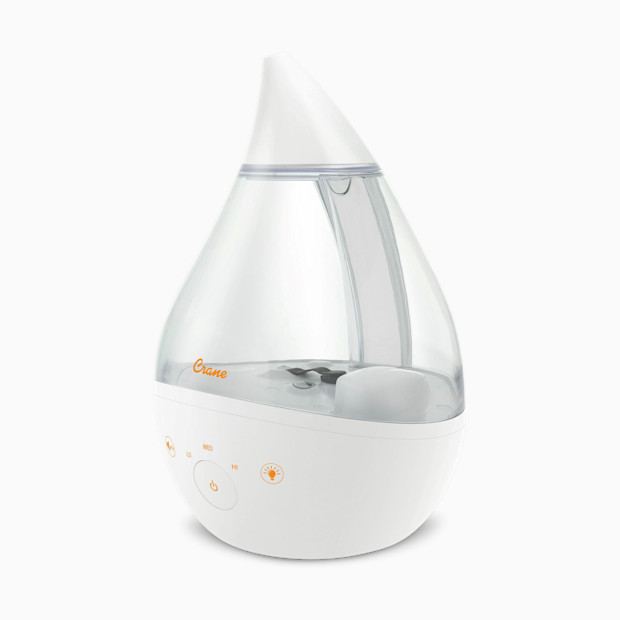
Crane
4-in-1 Cool-Mist Humidifier with Sound Machine - 1 Gallon
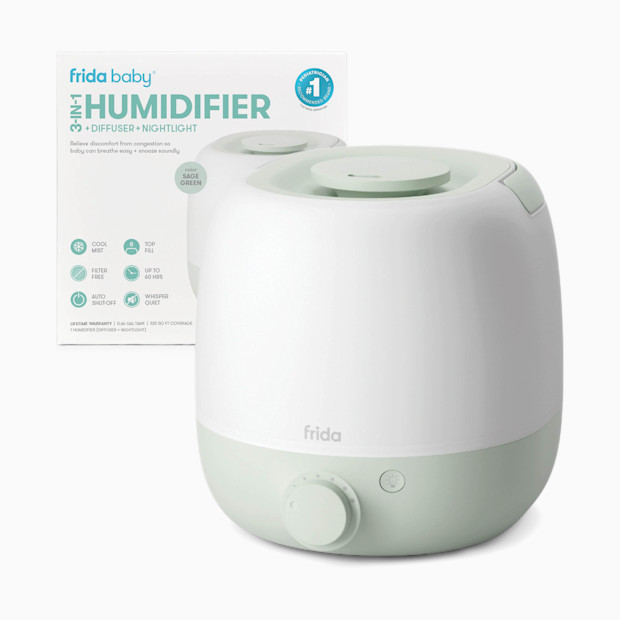
Frida Baby
Frida Baby x Babylist 3-in-1 Humidifier, Diffuser & Night...

Zarbee's Baby
Soothing Chest Rub with Eucalyptus & Lavender
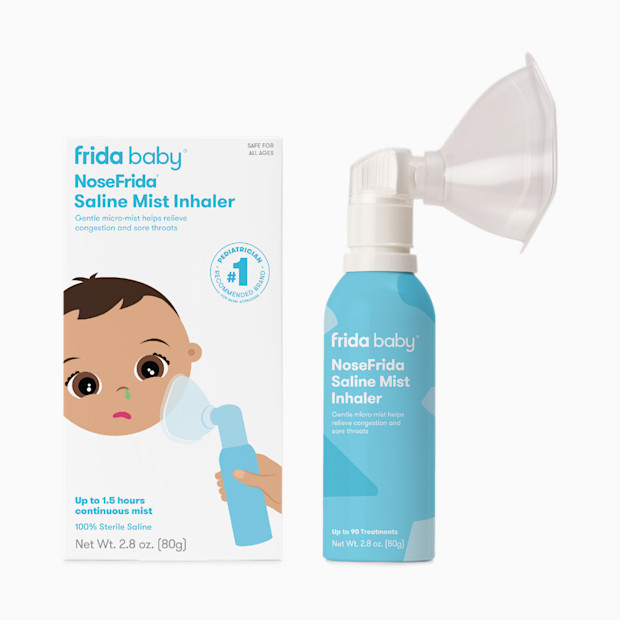
Frida Baby
Saline Mist Inhaler
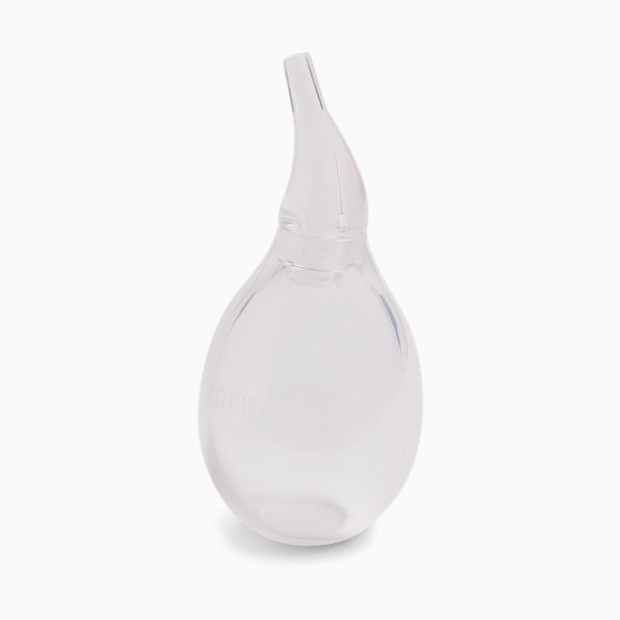
Sprucely
Silicone Nasal Bulb Aspirator
Babylist
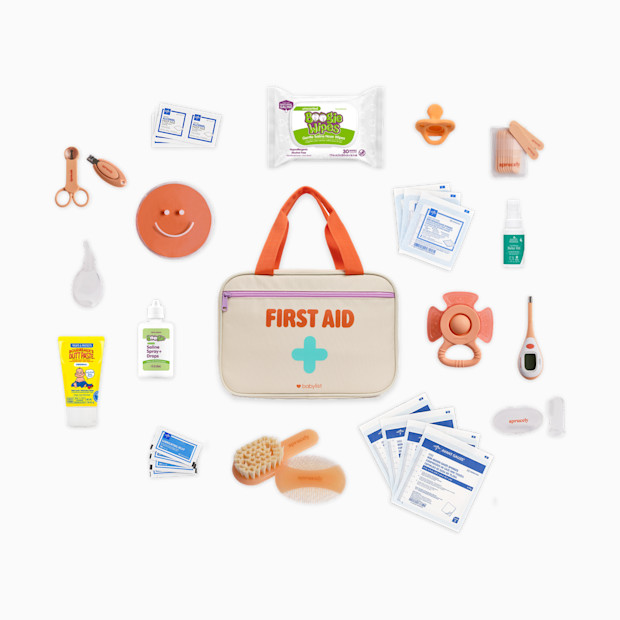
Baby First Aid & Grooming Kit
Expert Sources
Babylist content uses high-quality subject matter experts to provide accurate and reliable information to our users. Sources for this story include:
Dr. Gabriella Dauer, pediatrician and author of Beyond the Basics: A Pediatrician's Newborn Guide
Dr. Chris Klunk, board-certified neonatologist at Pediatrix Medical Group

;)
;)
;)
;)
;)
;)