
Your 23-Week-Old Baby
Baby may be showing signs they’re ready to start exploring solid foods. Here’s what to know before those first bites.

By
Your baby is nearly six months old, and mealtime is about to get a lot more interesting. Many babies around this age start showing signs that they’re ready to explore solid foods: watching you eat, trying to grab your lunch and being able to sit up and swallow on their own (not as a reflex).
But every baby is different, and some may be ready for solids sooner or later than others. There are also a few things to keep in mind when introducing solids, like which foods to start with and even how they can change baby’s poops (really).
To help you prepare for everything that feeding transitions might throw your way, we spoke with pediatrician Dr. Gabriella Dauer, author of Beyond the Basics: A Pediatrician’s Newborn Guide, and Dr. Chris Klunk, a board-certified neonatologist with Pediatrix Medical Group, about readiness signs, what foods are best for beginners and what to expect once those first bites hit their tummy.
🚼 Baby’s Development
Is baby ready for solid food?
Starting solids is one of the biggest milestones at this stage. Experts recommend that you keep baby on breast milk or formula for at least another six months (until their first birthday), but even the tiniest taste of solid food can still be a huge deal for baby (and you). But in order to introduce solids safely, baby still needs to have reached certain developmental checkpoints to help prevent choking.
According to Dr. Dauer, the clearest signs of readiness are both behavioral and physical. “The greatest signs are showing interest, like baby looking at you and mouthing at your food while you eat,” she says. Also important are good head and neck control so that baby can sit up straight on their own, she says.
So if your little one stares at you while you eat, smacks their lips, reaches for your fork or tries to “taste-test” your food, they may be signaling that they’re ready to explore beyond breast milk and formula.
But if the timing doesn’t feel right yet, no pressure. “I keep it super low-stress and put appropriately cut foods on baby’s plate or high chair and don’t even push them to eat it,” Dr. Dauer says. She recommends eating your own food as you normally would to help show baby how it’s done, and eventually they’ll be interested enough to try it themselves at their own pace.
You can also encourage baby’s interest by trying different methods of introducing solids, whether that’s purees (mixing them with a little breastmilk or formula can help with that transition) or baby-led weaning (offering small, bite-sized pieces that baby can self-feed—which we’ll talk about in Week 25).
Changes in poops
Once your baby does start eating solid food, expect diaper changes to…change. "If you thought baby poop smelled before, just wait until they start eating solid food!" Dr. Klunk says. “Expect changes in color, texture and smell, and keep an eye out for the same things that would’ve been concerning before,” including poop that’s black, red or white, contains mucus or blood or shows signs of constipation.
Besides the change in smell, there are a couple of totally normal changes to keep in mind. The texture of baby’s poop might be thicker or a little harder than you’re used to seeing—since they’ve been on an exclusively liquid diet their whole life, introducing solid food is going to lead to more solid poop.
And if you feed your baby a (natural) food with a vibrant color, like beets, carrots or certain greens, don’t be alarmed if their poop temporarily shows those colors as well. But if you see shades of red or black in more than one diaper change, it’s worth a call to the pediatrician just in case.
🧑🍼 Feeding Baby
🍼 6 Month Feeding Guidelines
Breast milk or formula: 6–8 fluid ounces per feed, 4–6 feedings per day; no more than 32 fluid ounces in a day.
Solid foods: Start with just one or two spoonfuls per day, slowly working up to more. Solid foods shouldn’t replace baby’s meals, and breast milk or formula should still make up the majority of baby’s daily calories.
Starting Solids
Once you’ve decided that baby is ready for those exciting first foods, Dr. Dauer recommends keeping it simple and natural. “I would start with vegetables and fruits like sweet potato, avocado and banana,” she says. “I think parents are often told to start with baby rice cereal, but I prefer real whole foods.”
When it comes to serving up baby’s first solid meals, it’s best not to focus on satisfying hunger, since they’re likely to only try a tiny bit at first. Instead, let baby be curious and explore each new food at their own pace. That could look like:
Introducing new foods when baby is in a good mood (rested, content and not hungry).
Offering just a few (preloaded) spoonfuls or bites at first—no need to waste an entire bowl full in case baby doesn’t take to the new flavor or texture at first.
Offering solid food just once per day for the first few weeks. Since it’s not about the calories, babies new to solid foods don’t need regularly-spaced meals like everyone else. And offering too much too often might make baby overwhelmed.
Letting them use all of their senses, including touch. It’ll be messy, but it’s the best way for baby to fully explore something new.
The other thing that helps a lot: having the right feeding tools. If we haven’t said it enough, starting solids comes with big messes, so having stuff to contain the mess makes it easier for everyone involved. Check out our guides to all of our favorite new-eater tools (and we’ve linked to specific products in the Panic Order section below, too), starting with:
Introducing Allergens
Food allergies are definitely something on plenty of parents’ minds, especially if you’re not sure whether your baby may be allergic to anything. But experts say it’s better to continue to introduce new foods rather than keep things off baby’s plate. “Generally, unless your child is at a high risk for food allergies or your pediatric allergist or medical professional has advised otherwise, you can go ahead and introduce new foods at a pace that feels good to you,” says Jenny Best, founder of Solid Starts.
In fact, when it comes to common allergens, early exposure can actually be beneficial. “There's a growing body of evidence that the early (and often) exposure to common allergens like eggs and peanuts can actually help prevent those food allergies from developing altogether, especially if the child is at risk for food allergies,” Best says.
Whether it’s a common allergen or not, in order to keep an eye on how your baby might react, pediatricians recommend introducing new foods slowly. Give baby a new food once, then watch for any signs of an allergic reaction before giving baby the same food again. Early signs of allergy can include:
Hives shortly after eating
Vomiting or diarrhea
Facial swelling or wheezing (emergency signs—call 911)
👀 Looking Ahead
Six-month checkup: Your baby’s next well-visit is coming up. Expect conversations about starting solids, developmental milestones, childproofing your home and another sleep regression due soon.
Sunscreen: At six months, baby is finally old enough to wear sunscreen. Next week, we’ll cover the best sunblock options for baby (spoiler: it’s not always traditional sunscreen lotions).
🛍️ Panic Order
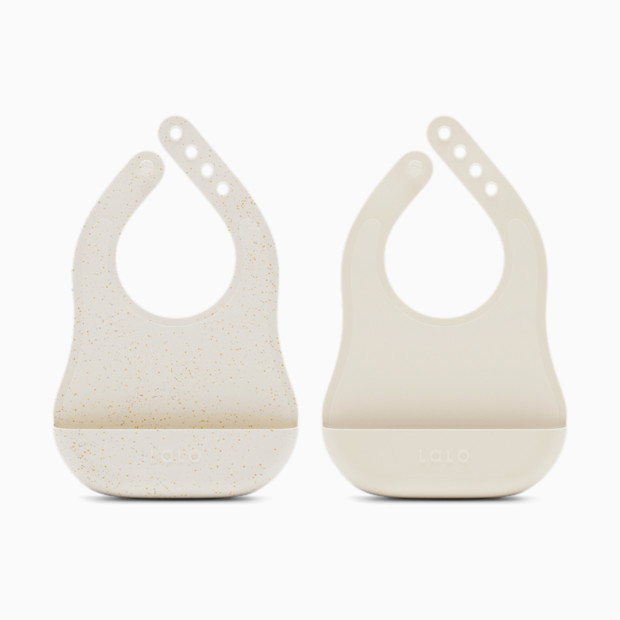
Lalo
The Bib
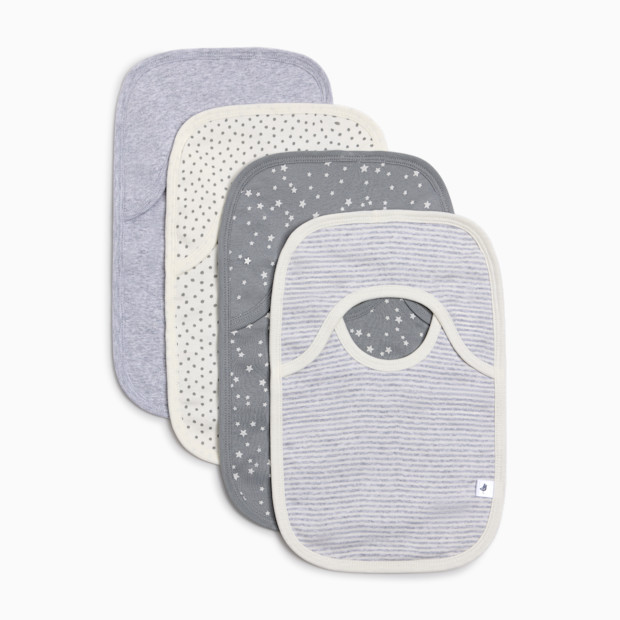
Small Story
Organic Cotton Lap Shoulder Bib (4 Pack)
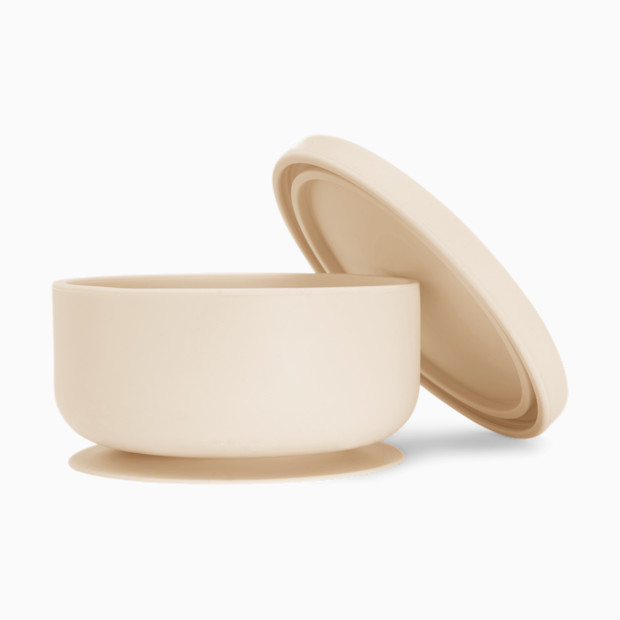
AEIOU
Suction Bowl with Lid

ezpz
Mini Mat
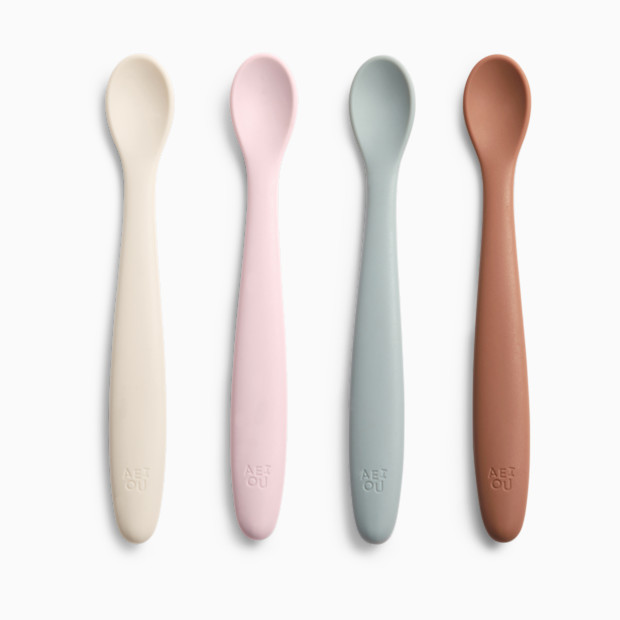
AEIOU
Infant Feeding Spoon (4 Pack)
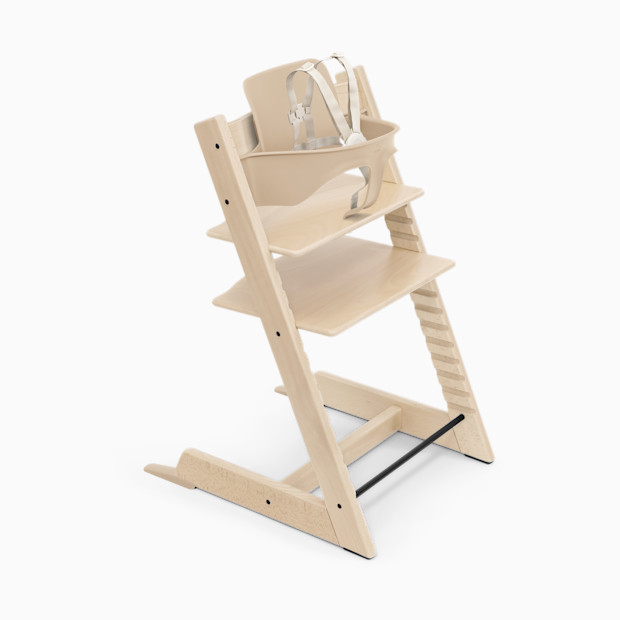
Stokke
Tripp Trapp High Chair²
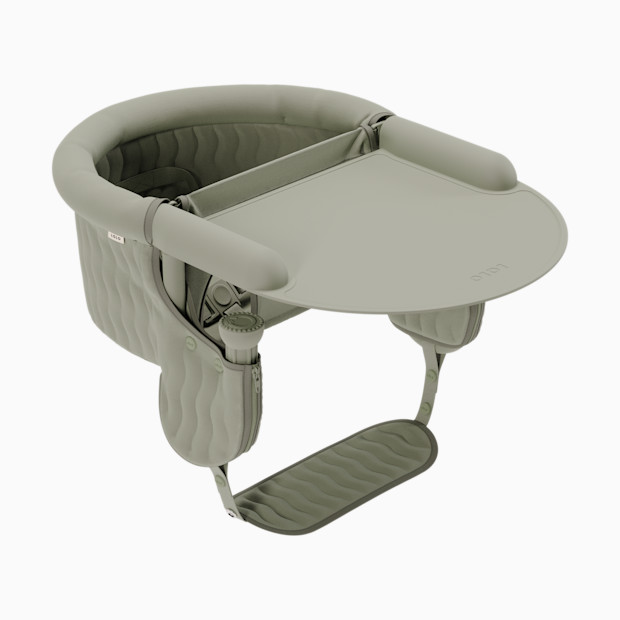
Lalo
Hook-On High Chair
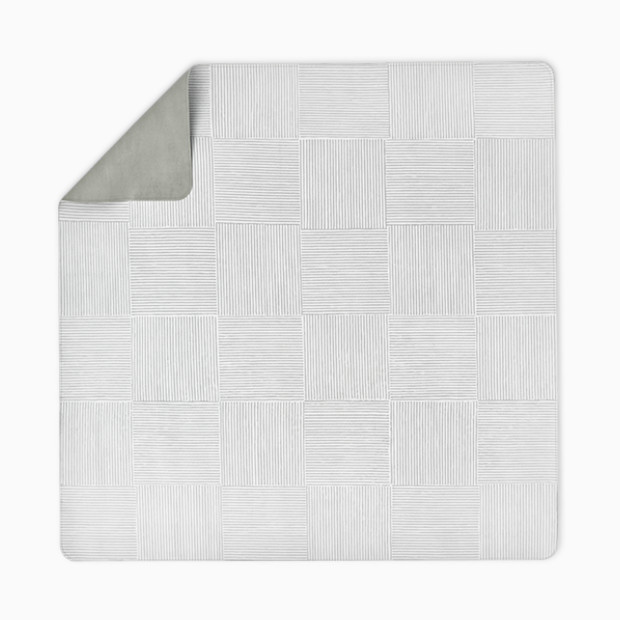
Lalo
Splat Mat
Expert Sources
Babylist content uses high-quality subject matter experts to provide accurate and reliable information to our users. Sources for this story include:
Dr. Gabriella Dauer, pediatrician and author of Beyond the Basics: A Pediatrician's Newborn Guide
Dr. Chris Klunk, board-certified neonatologist at Pediatrix Medical Group
Jenny Best, founder of Solid Starts

;)
 - Gray","url":"https://www.babylist.com/gp/small-story-organic-cotton-lap-shoulder-bib-4-pack/73018/2423838","source":"hello_baby"});)
;)
;)
 - Multi Color","url":"https://www.babylist.com/gp/aeiou-infant-feeding-spoon-4-pack/25951/1225058","source":"hello_baby"});)
;)
;)
;)