
Your 25-Week-Old Baby
From pacifiers to first foods, here’s what may (or may not!) need an update now that baby’s hitting six months.

By
At this point, your baby is entering the “older baby” stage, which is typically seen as ages six to 12 months. They may still seem so little (and they are), but with all of the developments they’ve had over the past six months, now is a good time to check in with baby’s routines and habits. Are the things that worked for your baby at three months old still working now?
Take pacifiers, for example. At six months old, is a pacifier still the same necessity that it was in baby’s earlier stages? That’s what we’re addressing this week, with guidance from the American Academy of Pediatrics (AAP) and Dr. Jasveen Singh, a pediatric dentist, along with a new feeding routine you might be curious about—baby-led weaning, with expert advice from Jenny Best, founder of the baby feeding resource Solid Starts, and Dahlia Rimmon, a pediatric dietitian.
🚼 Baby’s Development
Pacifiers: To Wean or Not to Wean?
By this age, you probably know whether your baby likes pacifiers or not. Lots of babies (and parents) love them—they can soothe fussiness, help babies settle at bedtime and may even reduce the risk of SIDS. But now that your six-month-old has had some good practice with self-soothing, you might be wondering if it’s time to start letting go of the pacifier, or if it’s okay for baby to keep using one.
The good news: according to the AAP, pacifier use (or finger-sucking) are totally normal behaviors for babies, and most children will stop using pacifiers on their own or with a bit of gentle guidance. So if your baby still loves to suck, there’s no need to stress about it at this stage.
The key thing to consider right now is whether you’re offering baby their pacifier even when they don’t necessarily need it. The AAP recommends letting baby decide if they need it to help soothe, and try not to offer a pacifier at every sign of fussing, especially if baby is just bored.
If your baby isn’t quite ready to wean off the pacifier, Dr. Singh says that now is a good time to switch them over to a larger pacifier. You might notice that some pacifiers are labeled as “6+ months.” These pacifiers are thicker and sturdier than newborn pacifiers in order to keep up with an older baby’s stronger sucking, ensuring healthier oral and dental development, Dr. Singh says. They’re also slightly larger to prevent choking as baby’s mouth gets bigger.
This is also an opportunity to switch your baby to an “orthodontic” pacifier. These pacifiers have a flat, tilted nipple that conforms more naturally to baby’s tongue and the roof of their mouth, which Dr. Singh says keeps the pressure even between baby’s teeth and jaw and protects their bite.
If you are thinking about weaning, a good time to start is when you notice your baby naturally having less interest in their pacifier, or if you’re able to successfully replace it with something else, like a teething toy. You might choose to limit pacifier use to only during nap time or overnight, or gradually shorten how often and when you offer it. If you do start the weaning process and discover your baby is still pretty attached to their pacifier, it’s okay to try again later. And you can always talk to baby’s pediatrician or dentist for advice.
🧑🍼 Feeding Baby: Baby-Led Weaning
We talked about introducing baby to solid foods a couple weeks ago, including how to spot signs of readiness. If your little one is ready to start exploring solids (or has already jumped in with purees), you might be curious about when and how baby might start eating true bite-size pieces.
There are two methods of introducing solids to babies in a developmentally-appropriate way: purees (the stereotypical jars of liquified baby food) and what’s known as baby-led weaning (BLW). Purees are smooth or finely mashed foods that parents typically spoon-feed to baby. BLW, on the other hand, focuses on offering soft-cooked, bite-sized, graspable pieces of whole food that babies can explore and feed themselves using their fine motor and chewing skills.
Unlike with purees, BLW encourages baby to practice chewing (and knowing when to swallow once the food has been chewed up enough). “Baby-led weaning rapidly advances oral motor skills babies need to become safe eaters,” Best says, with “rapidly” being the key word. “When baby starts solids with ‘real’ food, there's no transition that needs to be done later on,” both with food texture and self-feeding skills.
If you’re concerned about choking, Best says not to worry. When baby decides for themselves to bring food to their mouth, that’s a key indicator that both their brain and mouth are developmentally ready to safely coordinate chewing and swallowing, Best says. “The risk of choking is actually higher when a caregiver places food in baby's mouth. The brain isn’t always ready for it.”
Along with grabbing at food and placing it directly in their mouth, other signs that baby is ready for BLW and self-feeding are the same as with starting solids in general: sitting up without support, showing an interest in food (particularly what’s on your plate) and no longer pushing food out of their mouth with their tongue (the tongue thrust reflex).
Not sure if your baby is ready for BLW? There’s no “best” method for starting solids; it’s more about choosing what works best for you and your baby. Some families even combine the two, offering purees some days and BLW-style foods on others. (If BLW interests you, check out our full guide for more tips and safety info!)
Baby-Led Weaning Tools
The right feeding tools and gear can make any feeding journey easier, no matter which method you and baby choose. When it comes to BLW, the same general guidance applies as with starting solids in general: you’ll want a sturdy suction plate or bowl to keep food from sliding around and a bib with a catch pocket to help contain the inevitable mess BLW brings (a splash mat under the high chair can be a big help, too).
And while baby is likely to start out just using their hands to grab food, a spoon can be a great way to encourage additional motor skills early on. But this is where puree-feeding and BLW tools differ—BLW experts, including pediatric dietitian Dahlia Rimmon, recommends self-feeding spoons.
“Unlike a traditional spoon that curves, where purees or yogurt can easily slip off, self-feeding spoons better capture the food so it doesn't fall off before it reaches baby's mouth,” Rimmon says. “Imagine how frustrated a baby would be if every time they brought utensil to mouth, there wasn't food there?”
These sturdier, easy-to-grip spoons typically have unique textures on the tip where a regular spoon would have a bowl shape. That texture keeps a better grip on food, even things like mashed potatoes and yogurt. And with shorter, thicker handles, they’re easier for baby to hold than a parent-led spoon (often called an infant spoon, which has longer, thinner handles made for adult hands). We’ve recommended some parent favorite BLW spoons below in the Panic Order section.
👀 Looking Ahead
-
Sleep Regression 2.0: Finally recovered from that first sleep regression? Surprise, your six-month-old may already be due for another one. Keep an eye out for new sleep disruptions, including naptime shifts and struggling to fall asleep independently.
🛍️ Panic Order
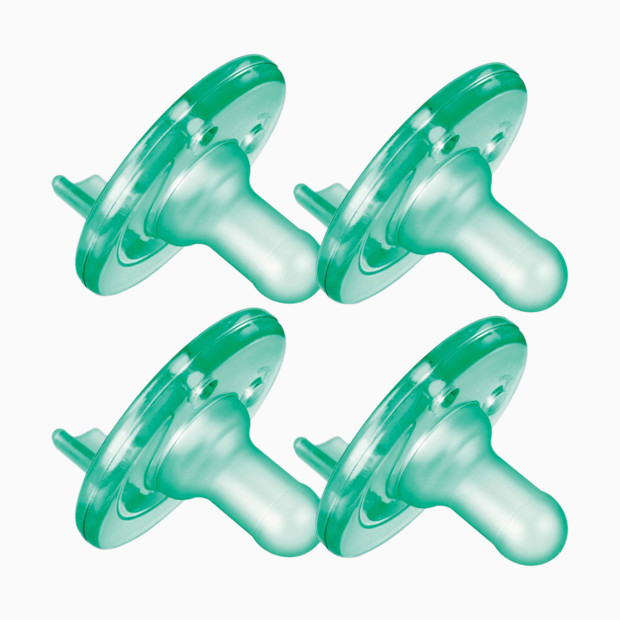
Philips Avent
Soothie Pacifier (4 pack)
 - Green, 3-18 Months, 4","url":"https://www.babylist.com/gp/philips-avent-soothie-pacifier-4-pack/55652/2085089","source":"hello_baby"});)
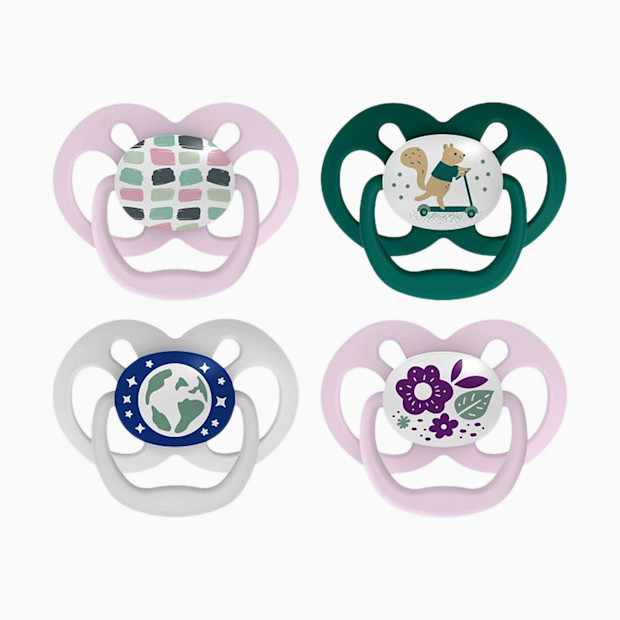
Dr. Brown's
Advantage Pacifier (4-Pack)
 - Purple Nature, 2","url":"https://www.babylist.com/gp/dr-brown-s-advantage-pacifier-4-pack/41452/1937702","source":"hello_baby"});)
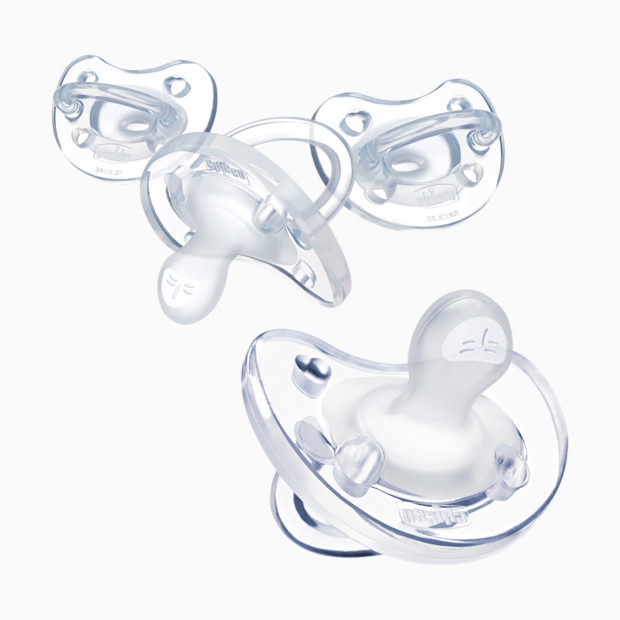
Chicco
PhysioForma Silicone Orthodontic Pacifier (4 Pack)
 - Clear, 0-6 Months, 4","url":"https://www.babylist.com/gp/chicco-physioforma-silicone-orthodontic-pacifier-4-pack/24568/1069104","source":"hello_baby"});)
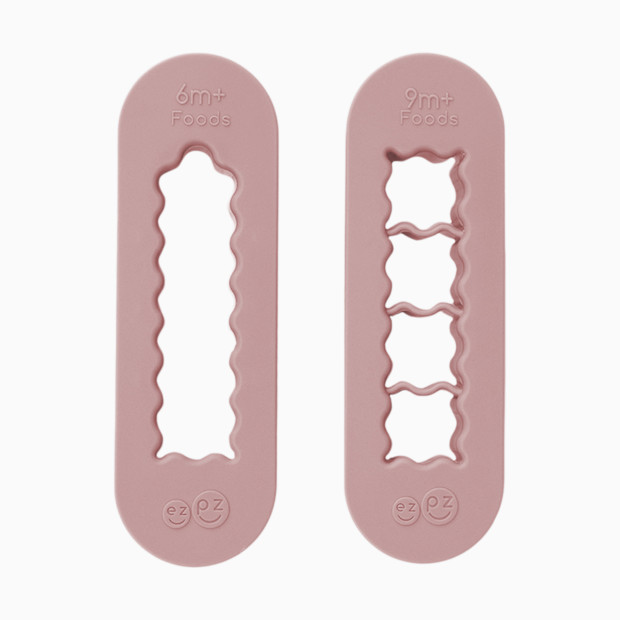
ezpz
Baby-Led Weaning Food Cutters
;)
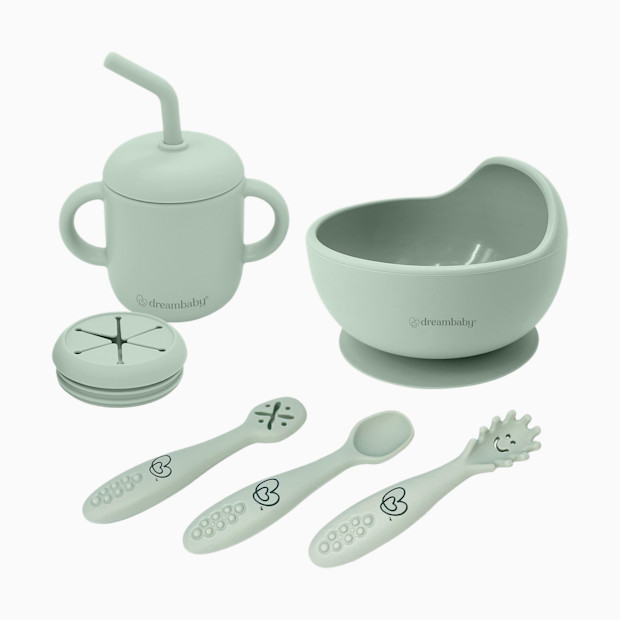
Dreambaby
Mess-Free Toddler Silicone 6-Piece Set
;)

mushie
First Feeding Baby Spoons
;)
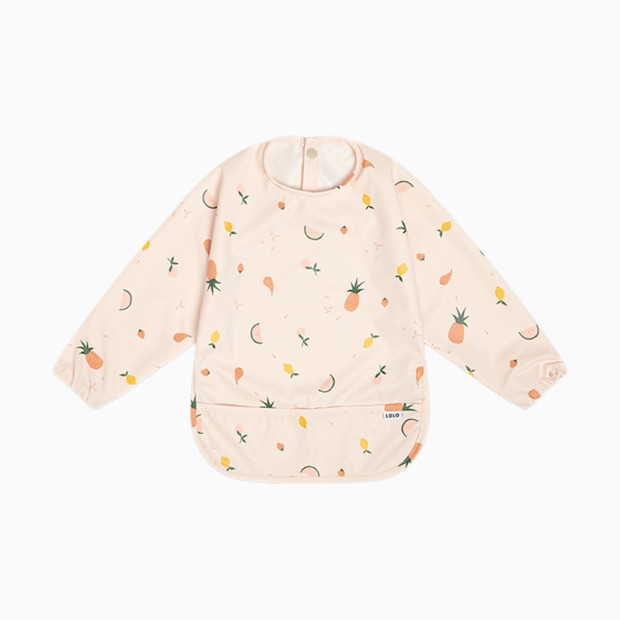
Lalo
Smock Bib
;)
Expert Sources
Babylist content uses high-quality subject matter experts to provide accurate and reliable information to our users. Sources for this story include:
-
Dr. Jasveen Singh, pediatric dentist
-
Jenny Best, founder of Solid Starts
-
Dahlia Rimmon, pediatric dietitian