
Your 35-Week-Old Baby
Wondering if baby is ready for a night apart? Here’s how to prep both baby and caregivers for a smooth overnight stay.

By

Sometimes a night away is necessary for parents, whether that’s for work, family obligations, personal emergencies or some much-needed (and much-deserved) rest. If your baby hasn’t had a night without you yet, you might be wondering if now is a good time. Now that they’re a little bigger, it can feel less nerve-wracking to leave them in someone else’s care overnight.
While there might not be a way to completely eliminate any anxiety around your baby spending a night without you, there’s thankfully plenty of preparation you can do to make sure everyone is feeling confident and comfortable. Experts Laura Todd, a licensed therapist specializing in infant, early childhood and perinatal mental health and founder of Early Bonds Therapy, and Dr. Laura Steelman, a pediatrician with Bluebird Kids Health, share how to set baby (and caregivers) up for success.
🚼 Baby’s Development
Ready for Overnight Stays?
We talked a few weeks ago about separation anxiety, and by now it may be in full swing. Baby now consciously misses you when you’re out of sight, but that doesn’t mean a quick getaway is off the table, even overnight. But just like daycare drop-off or leaving baby with daytime sitters, preparation matters.
Familiarity is key, according to Todd, especially if baby is staying somewhere other than their own home. “Make sure they have had plenty of visits with the place they will be staying, so that it feels familiar,” she says. “In addition, practice short separations at this location with those trusted caregivers, such as going out to lunch or running a quick errand.” Showing baby ahead of time that they're safe and cared for with these caregivers helps build the confidence they need for a longer overnight stay.
For the overnight stay itself, familiar sensory cues can make a big difference. “Make sure your baby has familiar items around them such as stuffed animals, food and toys,” Todd says. In other words, this isn’t the best time to introduce new snacks or brand new toys; their well-loved favorites will help them feel more at ease.
If baby will be sleeping in a different crib or playard instead of their usual bed, Todd suggests bringing baby’s own crib sheets rather than new ones. She says it can also help baby feel calmer if the sheets smell like you, so maybe sleep with them on your pillow for a few nights before baby needs to use them.
❓ How-To: Prep Overnight Caregivers
A smooth overnight stay isn’t just about baby’s comfort—it’s about caregiver confidence, too. Ensuring they have everything they need to keep baby comfortable can be a huge help, so it might be a good idea to make a list of all the things your baby normally uses in a given day (or night), including:
-
Diapers
-
Bottles
-
Crib
-
Monitor
-
Sound machine
-
Burp cloths
-
Sleep sacks
-
Pacifiers
-
Toys & books
-
Activity center and/or play gym
-
Playard
-
Stroller
-
Car seat
-
Carrier
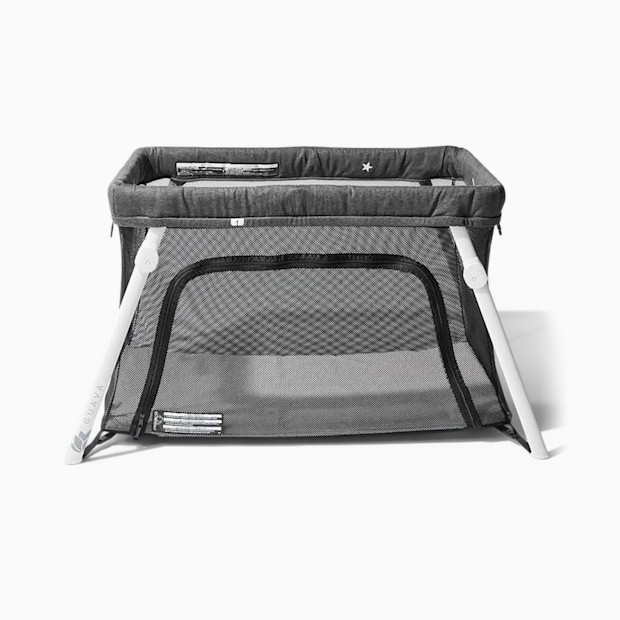
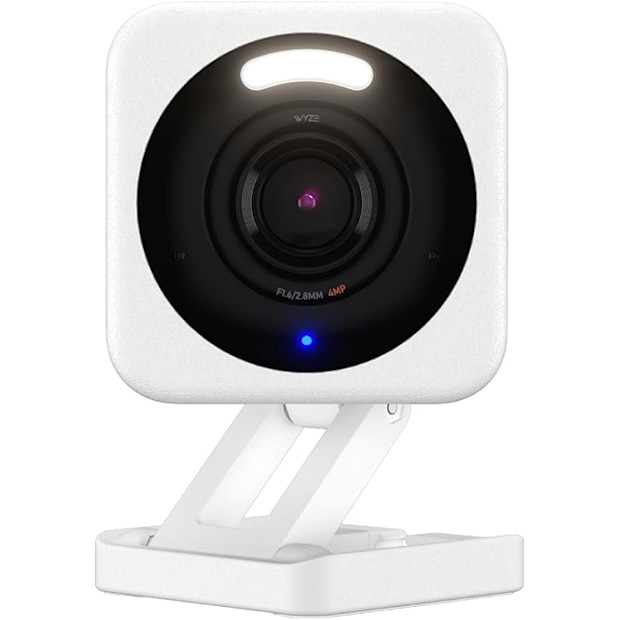
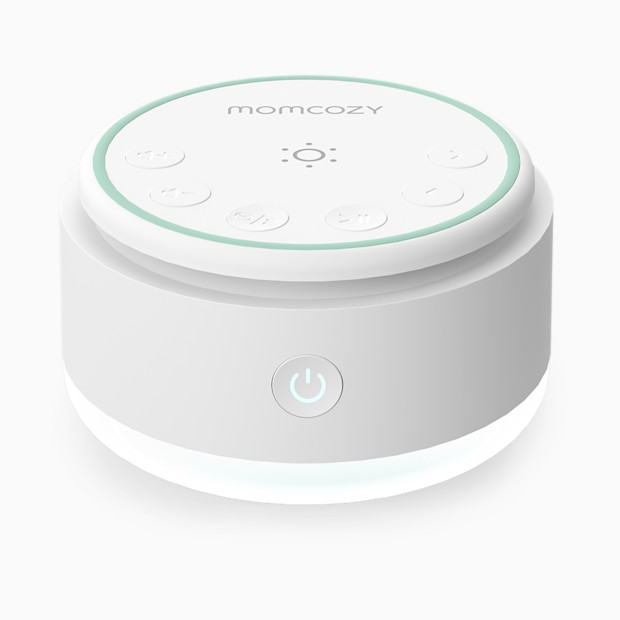
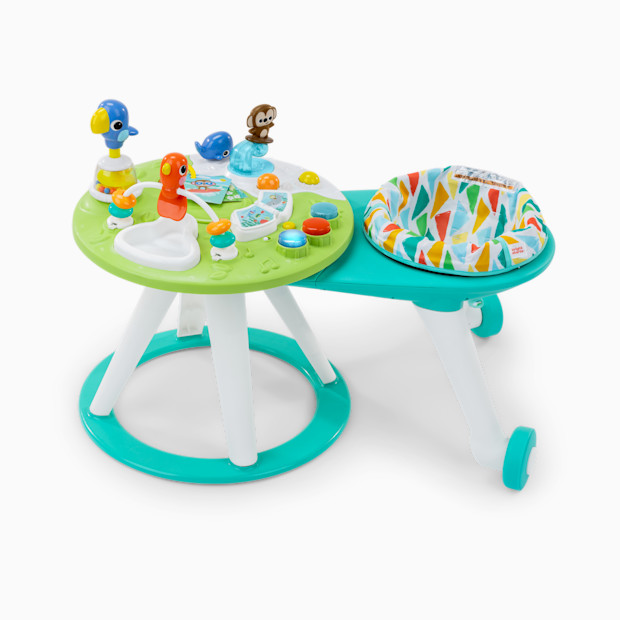
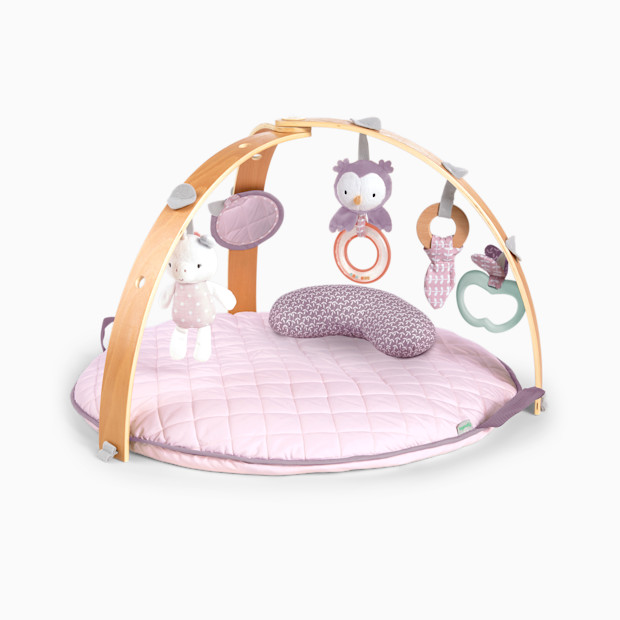
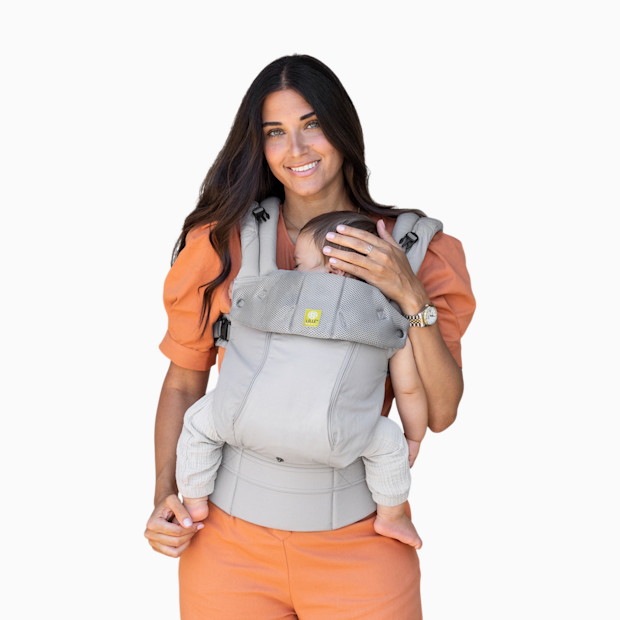
If baby is staying the night at someone else’s home, you might consider getting an extra of some of these items just to limit how much you have to lug back and forth, especially to the grandparents’ house. The main things to double up on: a sleep space, baby monitor, sound machine, activity center, play gym and baby carrier.
When it comes to who baby should stay with, Dr. Steelman says to prioritize choosing caregivers with solid overnight childcare experience, especially with babies. Letting baby stay with grandparents or trusted adults who have handled nighttime wakings, diaper changes and bottle feedings in the recent past (not 30 years ago when you were a baby) can ensure the experience is less stressful for everyone.
But even so, written instructions are essential, Dr. Steelman says. Not just for emergencies, but also for baby’s basic needs. She recommends writing down:
-
How to contact you
-
A local emergency contact if you’re going to be out of town
-
The number for poison control (1-800-222-1222)
-
The address of your home, if the sitter will be staying in your house (“If a 911 call is made, it can be very hard for a worried sitter to quickly remember this crucial information,” Dr. Steelman says)
-
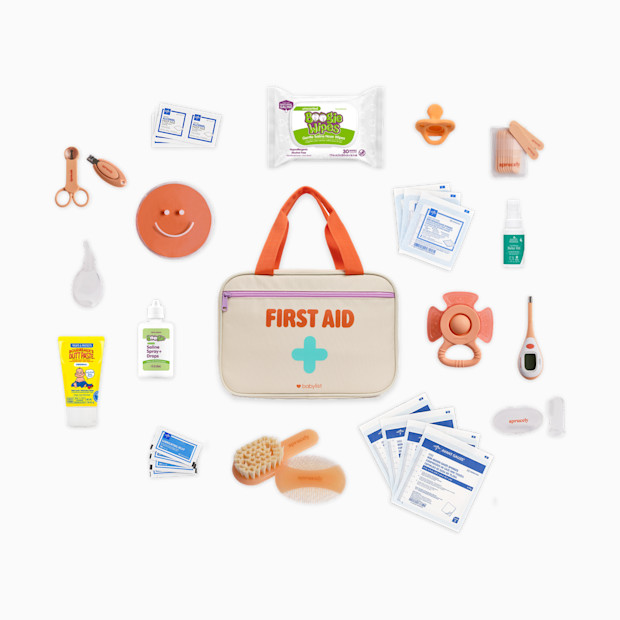
The location of the fire extinguisher and the first aid kit
-
Any medical information that they might need, such as allergies, medications (names and doses), any general health concerns baby has right now
-
A copy of baby's health insurance card
-
Baby's typical sleeping and eating schedule, including how many ounces of breast milk or formula they get and any solid foods they’ll eat
-
Things that help soothe baby when they’re cranky
And then try to let go. “If baby has a mildly different diet or sleep schedule while you’re gone, it’s not anything to worry about,” Dr. Steelman says. “They’re safe and well supervised, and they’ll be the same healthy little one welcoming you back on your return.”
👀 Looking Ahead
-
Waving: In the coming weeks, you may notice baby lifting their hand to wave hello or goodbye. It’s an early social skill that shows growing communication and imitation.
🛍️ Panic Order
If baby is staying overnight somewhere else, here’s what you might want on their packing list:

;)
;)
;)
;)
;)
;)
;)
Expert Sources
Babylist content uses high-quality subject matter experts to provide accurate and reliable information to our users. Sources for this story include:
-
Laura Todd, Licensed Professional Clinical Counselor (LPCC), Infant and Early Childhood Mental Health Specialist (IECMHS), Perinatal Mental Health Certified (PMH-C), founder of Early Bonds Therapy
-
Dr. Laura Steelman, MD, pediatrician with Bluebird Kids Health