
Your 36-Week-Old Baby
Baby’s social world is expanding. From waving to a growing pincer grasp, communication and coordination are coming together.

By
If your baby has recently lifted a tiny hand and flapped it in your direction, congratulations! You may have just been waved at.
Around this age, babies are becoming more tuned in to the people and routines around them. They’re starting to notice patterns like who comes and goes, how greetings work and how their actions can spark a response from you. Small gestures, even ones that seem playful or accidental, are increasingly intentional.
That growing awareness doesn’t stop at social skills. You may also notice your baby’s hands becoming more precise and purposeful, setting the stage for new ways to explore, communicate and interact with their world. Expert Dr. Chris Klunk, a board-certified neonatologist with Pediatrix Medical Group, explains what's happening as baby works on these new skills.
🚼 Baby’s Development
Waving
While waving is often thought of as a one-year milestone, many babies start experimenting with it earlier, especially as their social awareness blossoms, “especially in the context of a baby mimicking the motion back at you,” says Dr. Klunk.
Waving is actually a meaningful social milestone in disguise. At 36 weeks, babies are becoming much more tuned in to social routines. They’re starting to understand that certain actions happen in predictable moments like saying hello when someone enters a room or goodbye when they leave. When your baby waves, even if it’s a loose or enthusiastic version, they’re practicing intentional communication. And that practice matters for later development.
“Waving is a fantastic precursor to other social skills,” Dr. Klunk says. “It communicates ‘hello’ or ‘goodbye’ non-verbally and can lead to your baby saying those words and connecting the act with the name of the person they are addressing.
If your baby isn’t waving yet, don’t worry. Some babies focus more on motor skills first, others on social ones. Repetition helps, so keep modeling the gesture during everyday moments without turning it into a performance or test.
💡 Try This with Baby: Turn waving into a game by pairing it with smiles, names and simple phrases like “Hi, Grandma!” or “Bye, Daddy!”
Pincer Grasp
Around this time, you might also notice your baby becoming more precise with their hands. Instead of raking at objects with their whole palm, they're starting to use their thumb and forefinger to pick up smaller items—a skill called the pincer grasp.
This developing coordination is what makes self-feeding with finger foods possible, and it's a sign that their fine motor control is maturing. You'll see it in action when they zero in on a puff or a tiny piece of banana and carefully (or enthusiastically) pinch it between two fingers.
Just remember: once this skill emerges, nothing on the floor is safe. Crumbs, pet food, lint—it's all fair game. Now's a good time to get serious about keeping small choking hazards out of reach.
👀 Looking Ahead
Crawling: Your baby may be on the move—or getting very close. Crawling often makes its debut around now, though some babies have been scooting for weeks, while others are still figuring out the mechanics. Either way, mobility is about to change everything.
🛍️ Panic Order
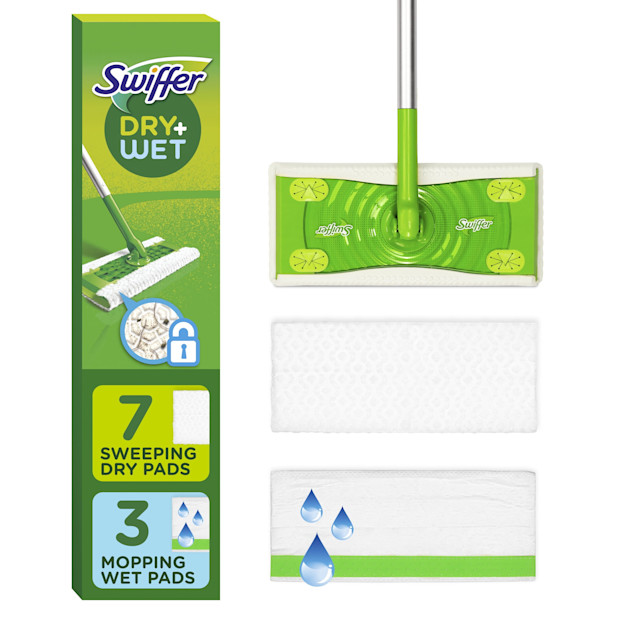
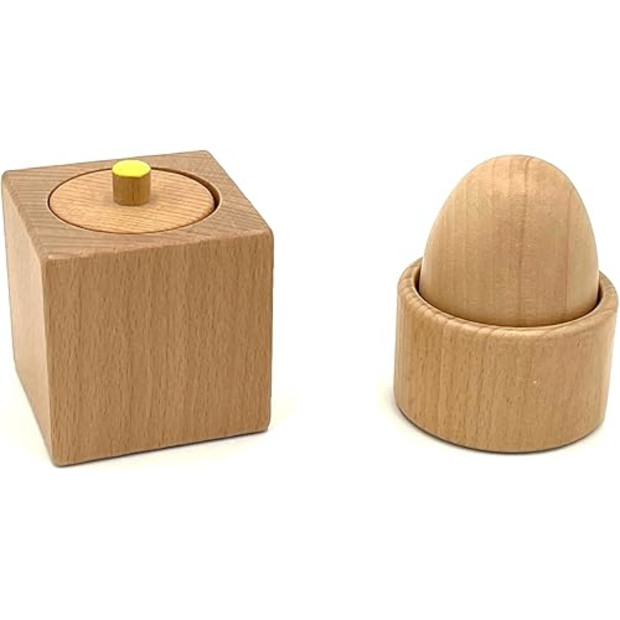
Pulling out the vacuum every morning to make sure your floors are baby-ready can be a pain. Here’s a quick solution for wrangling potential choking hazards and a few activities to encourage baby to use those fingers and hands.

Expert Sources
Babylist content uses high-quality subject matter experts to provide accurate and reliable information to our users. Sources for this story include:
Dr. Chris Klunk, board-certified neonatologist at Pediatrix Medical Group.

;)
 Board book","url":"https://www.amazon.com/dp/1486724108","source":"hello_baby"});)
;)